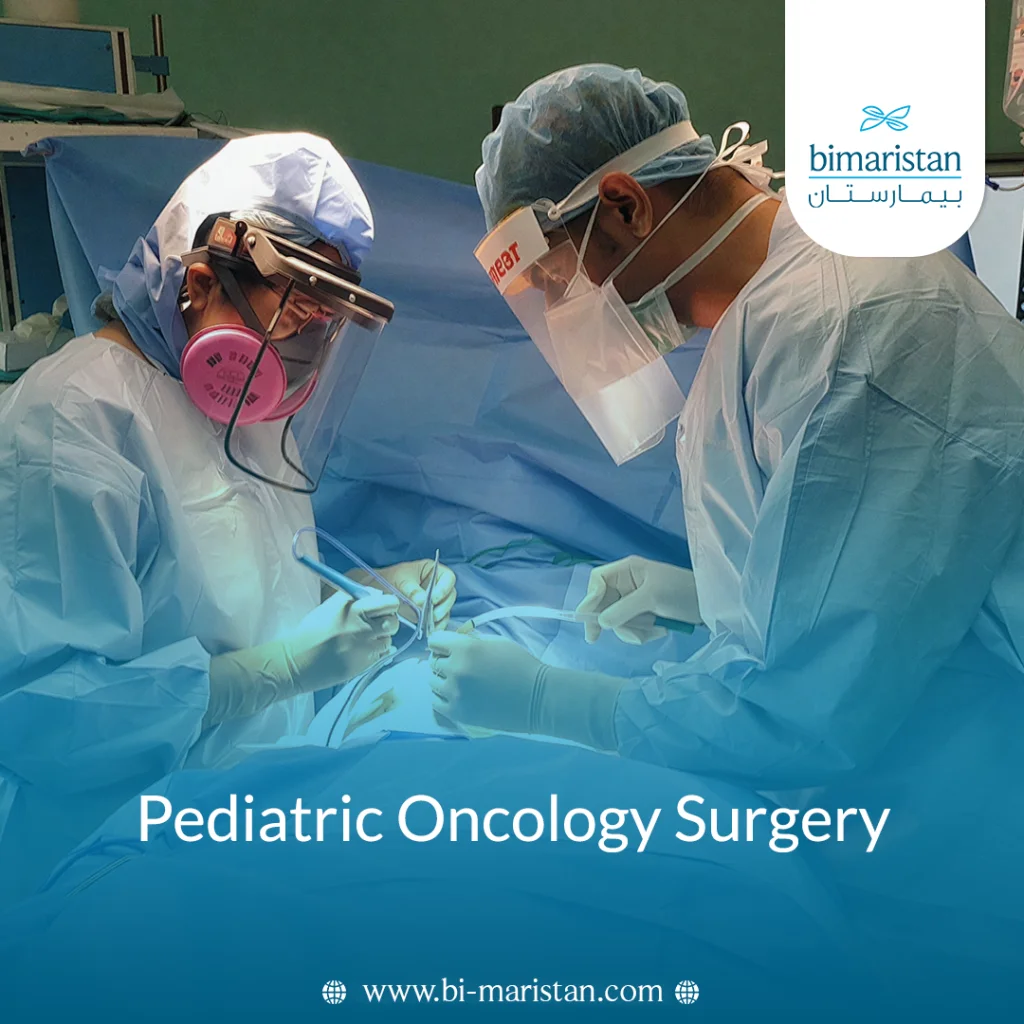
There is a growing need to understand pediatric cancers, given the increased focus on early detection, particularly given the diversity of conditions ranging from pediatric leukemia and pediatric brain tumors to other cancers that may appear at different ages. Although these diseases are less common compared to those in adults, they remain a major cause for health concern, especially as parents constantly look for symptoms of tumors in children and try to detect them early.
Estimates indicate that the cure rates for certain types of pediatric cancer, such as pediatric leukemia, may exceed 80% with early diagnosis and the initiation of appropriate treatment, underscoring the importance of awareness of early symptoms and close medical follow-up. In this context, it is necessary to understand the role of various therapeutic interventions, particularly in cases requiring advanced procedures as part of a comprehensive treatment plan.
What is pediatric oncology surgery?
Pediatric oncology surgery is an essential part of the treatment plan for many childhood cancers, as it aims to remove the tumor completely or partially, depending on its location, size, and extent of spread. Surgery is commonly used for solid tumors, such as abdominal tumors and brain tumors in children. It may also be necessary to obtain an accurate sample (biopsy) to help determine the type of tumor, especially in complex cases such as pediatric brain cancer and pediatric lymphoma.
The importance of surgery is not limited to resection alone; it plays a pivotal role in determining the disease stage and in developing an appropriate treatment plan, whether that involves chemotherapy or radiation therapy. In some other cases, such as pediatric leukemia, surgery may not be the first-line treatment, but it remains an important part of diagnosis or the management of complications. Therefore, the decision to proceed with surgery is based on a careful evaluation that includes the symptoms of childhood cancer and the results of various tests.
When does a child need cancer surgery?
Surgery in children is considered only after a thorough evaluation that takes into account symptoms, laboratory tests, and imaging results; it is not a random choice but a carefully considered step within a comprehensive treatment plan. The decision is often made when the tumor is resectable, or when it is putting pressure on vital organs—as in some cases of pediatric brain tumors or pediatric head tumors—or when a precise biopsy is needed to confirm the diagnosis.
The decision to proceed with surgery is directly linked to the appearance of tumor symptoms in children, as symptoms such as persistent headaches, vomiting, abnormal lumps, or movement disorders may prompt earlier medical intervention. Early diagnosis helps, especially when symptoms of brain tumors or other conditions are observed in children, in determining the appropriate timing for surgical intervention, thereby increasing the chances of successful treatment and reducing complications.
Types of pediatric tumors treated with surgery
The need for pediatric oncology surgery varies depending on the type and location of the tumor; not all cases of childhood cancer require the same degree of surgical intervention, as surgery is considered a primary option for solid tumors, but its role is limited or diagnostic in other cases, which requires a thorough understanding of the nature of each case.
Brain and Head Tumors
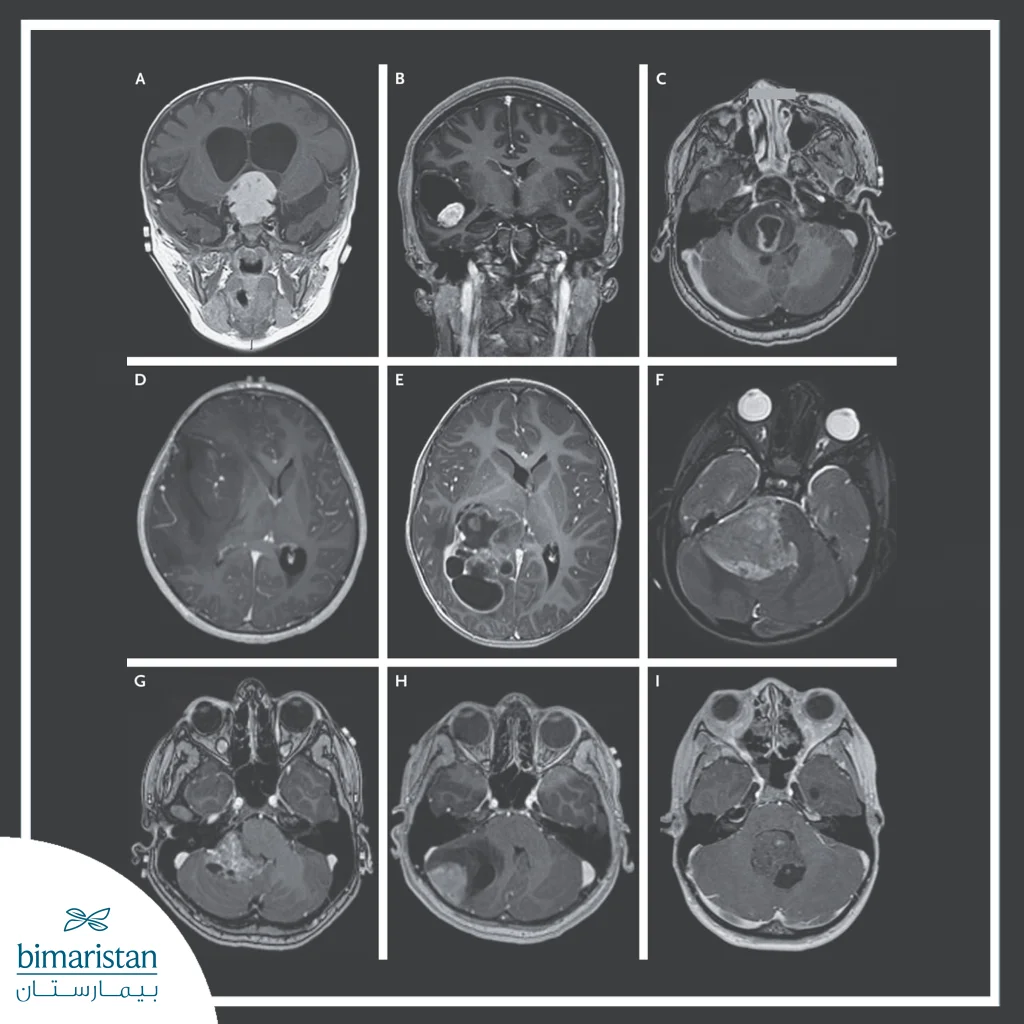
This category includes conditions such as brain tumors in children and head tumors in children, where surgery is used to remove the tumor or reduce pressure on brain tissue. Symptoms of brain cancer in children usually manifest as persistent headaches or neurological disorders, which require prompt intervention.
Tumors of the Abdomen and Digestive System
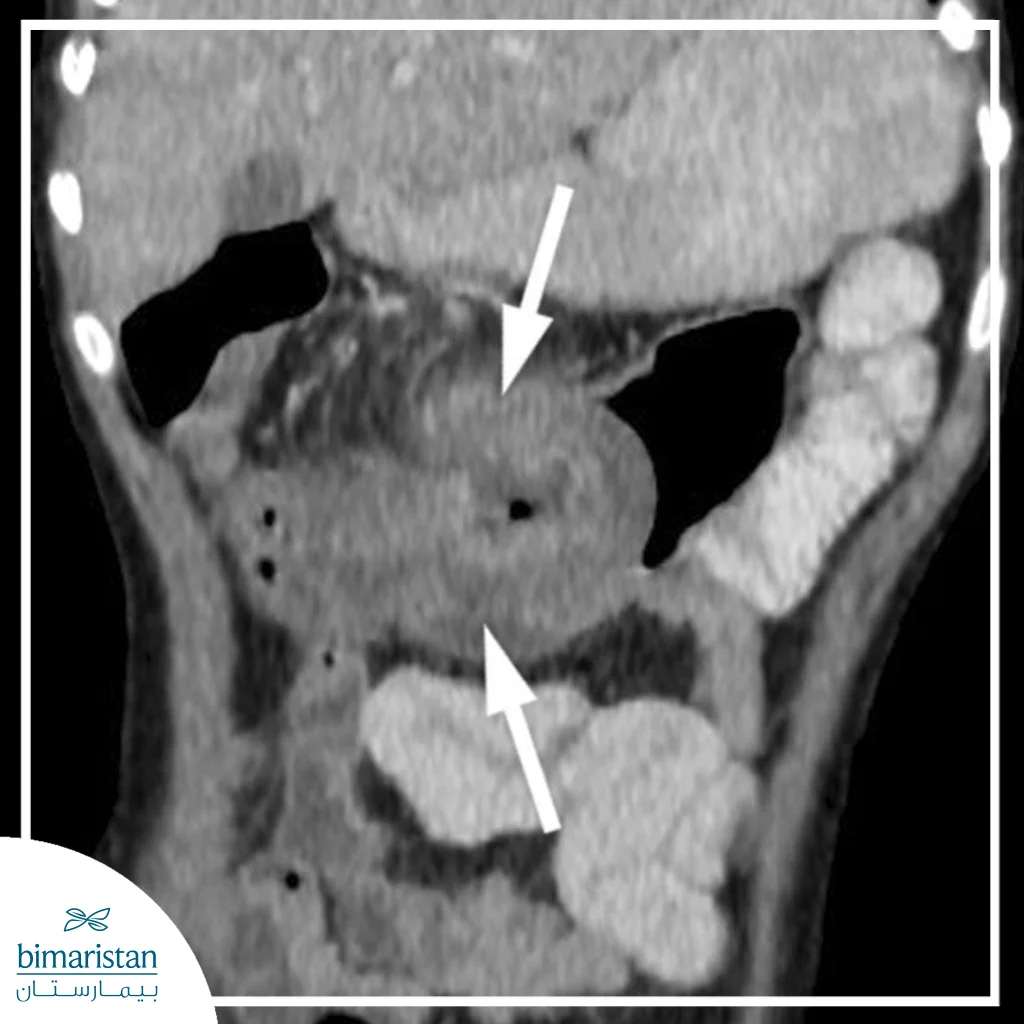
These tumors include conditions such as abdominal tumors in children, pediatric colon cancer, and pediatric kidney cancer; surgery is often the first-line treatment, especially when the tumor is detected at an early stage.
Blood Cancers
In cases such as pediatric leukemia and pediatric lymphoma, surgery is not considered a primary treatment, but it may be used for diagnostic purposes or to treat certain complications associated with the disease.
Other tumors (skin, glands, etc.)
This category includes various types of cancer, such as pediatric skin cancer and pediatric thyroid cancer, for which surgery can be highly effective, especially if diagnosed early.
How are tumors diagnosed before surgery?
The decision to perform pediatric oncology surgery cannot be made without a thorough diagnostic evaluation, as the success of the surgical procedure depends heavily on understanding the type of tumor, its location, and the extent of its spread. This phase begins with observing the symptoms of tumors in children, then progresses to advanced tests to confirm the diagnosis and develop an appropriate treatment plan.
Clinical evaluation and observation of symptoms
The first step involves assessing the condition based on visible symptoms such as persistent fatigue, weight loss, or abnormal lumps. Attention is also paid to more specific symptoms, such as those of childhood leukemia or childhood brain tumors, which may provide early indications of the type of tumor.
Laboratory tests
Blood tests help detect conditions such as pediatric leukemia by revealing changes in blood cell counts or function. These tests are also used to assess a child’s overall health before any surgical procedure.
Medical Imaging
Imaging plays a key role in determining the location and size of the tumor. The methods used include:
- Magnetic Resonance Imaging (MRI), particularly in cases of brain tumors in children
- Computed Tomography (CT) Scan
- Ultrasound in Cases of Abdominal Tumors in Children
These techniques help us detect brain tumors in children with greater accuracy, thereby aiding surgical planning.
Biopsy
This is considered one of the most important diagnostic steps, as a tumor sample is taken and analyzed in a laboratory to accurately determine its type. This procedure is essential for confirming the diagnosis in cases such as childhood lymphoma or childhood brain cancer.
Tumor Staging
Once the diagnosis has been confirmed, the stage of the disease is determined to assess how far it has spread within the body, which helps in selecting the most appropriate treatment, whether surgical or in combination with other therapies.
Based on these steps, a final decision is made regarding whether to proceed with surgery and when to schedule it, ensuring the best possible outcomes and minimizing risks.
How is pediatric oncology surgery performed?
Pediatric oncology surgery is performed according to precise protocols that take into account the child’s physical sensitivity and the nature of the tumor; the process is not limited to resection alone, but includes advanced planning, careful execution, and close post-operative follow-up. The procedure varies depending on the type of tumor—such as brain tumors or abdominal tumors in children—as well as the stage of the disease and the child’s overall condition.
Preoperative Planning
The process actually begins before entering the operating room, where all test and imaging results are analyzed to precisely determine the tumor’s location and its relationship to neighboring organs. In certain cases, such as pediatric brain cancer, planning is more complex due to the brain’s sensitivity; therefore, 3D simulation techniques are sometimes used to minimize risks. Symptoms—such as those associated with pediatric cancer—are also evaluated to determine the extent to which the tumor affects bodily functions.
Steps Involved in the Surgical Procedure
The primary goal of the surgery is to remove the tumor completely, if possible, or to reduce its size if it is attached to a vital organ. The procedure begins with general anesthesia, after which the surgeon accesses the tumor site using techniques appropriate for its location and then removes it without damaging the surrounding vital tissues. For example, in the case of head tumors in children, precise surgical microscopes are used to ensure the tumor is removed without affecting healthy tissue.
Modern Surgical Techniques
Pediatric oncology surgery has seen significant advancements, with techniques such as minimally invasive surgery being used to reduce the size of the surgical incision and speed up recovery. Surgical navigation systems are also used, particularly for pediatric brain tumors, to precisely locate the tumor during the procedure, thereby increasing safety and effectiveness.
The Role of the Integrated Medical Team
Surgery does not depend solely on the surgeon; rather, it involves a multidisciplinary team that includes oncologists, anesthesiologists, and intensive care specialists. This collaborative approach is particularly essential in complex cases such as pediatric leukemia or metastatic tumors. Therefore, surgery is coordinated with chemotherapy or radiation therapy to ensure the best possible outcome.
Postoperative Follow-up
After the procedure is complete, the child is transferred to the medical care unit for monitoring and to ensure their vital signs remain stable. The results of the surgery and the extent to which the tumor was successfully removed are also evaluated. The treatment plan may be adjusted accordingly, particularly in cases such as childhood lymphoma, which may require additional treatment following surgery.
Potential Risks and Complications of Pediatric Oncology Surgery
Although pediatric oncology surgery is considered an essential and effective procedure for treating many conditions, like any surgical intervention, it carries certain risks, the severity of which varies depending on the type and location of the tumor and the child’s overall health. Understanding these complications helps address them early and minimize their impact. Among the most significant of these risks are:
- Bleeding during or after surgery: This is considered a potential complication, especially in major surgeries or in cases such as abdominal tumors in children. It is usually controlled during the procedure, but the child may require close monitoring after surgery.
- Infection (inflammation): This can occur at the wound site or within the body, especially when the immune system is weakened, as in some cases of childhood leukemia. Therefore, prophylactic antibiotics are administered, and the patient is closely monitored.
- Impact on adjacent organs: In some cases, the tumor may be located near sensitive organs, such as the brain or blood vessels—as is the case with brain tumors in children—which increases the likelihood of temporary or permanent functional complications.
- Complications of anesthesia: The child will undergo general anesthesia, which in rare cases may cause respiratory or cardiac problems, especially in children with underlying medical conditions.
- Incomplete removal of the tumor: In some cases, the tumor cannot be completely removed due to its location or extent, requiring additional treatment with other methods such as chemotherapy or radiation therapy.
- Tumor recurrence: Even after successful surgery, the tumor may return in some cases, particularly with certain types of childhood cancer, necessitating long-term follow-up.
- Long-term effects: Some effects may appear later, such as growth problems or neurological dysfunction, particularly following brain tumor surgery in children.
Despite these risks, medical advances and modern techniques have significantly reduced complication rates, making the surgery safer and more effective when performed at specialized centers by experienced medical teams.
Chances of Recovery
Pediatric oncology surgery is making remarkable progress, directly impacting recovery rates. In many cases, very positive outcomes can be achieved, especially with early diagnosis. For example, certain types of childhood leukemia show recovery rates that may exceed 80% when the appropriate treatment plan is followed. Surgery also yields excellent results in solid tumors when they are completely removed. With careful follow-up and ongoing medical support, many children recover and return to their normal lives, giving parents real hope for a healthy and secure future for their children.
In conclusion, pediatric oncology surgery is an essential part of the treatment journey, especially given the importance of early diagnosis and understanding the symptoms of childhood tumors, which help ensure timely intervention. With the advancement of surgical techniques and their integration with other treatments, the chances of recovery have increased significantly in many cases, such as childhood leukemia and pediatric brain tumors. Therefore, receiving care at a specialized medical center that provides accurate diagnosis and a comprehensive treatment plan—such as Bimaristan Medical Center—significantly improves outcomes and supports the child in achieving a safe recovery and returning to a normal life.
Sources: