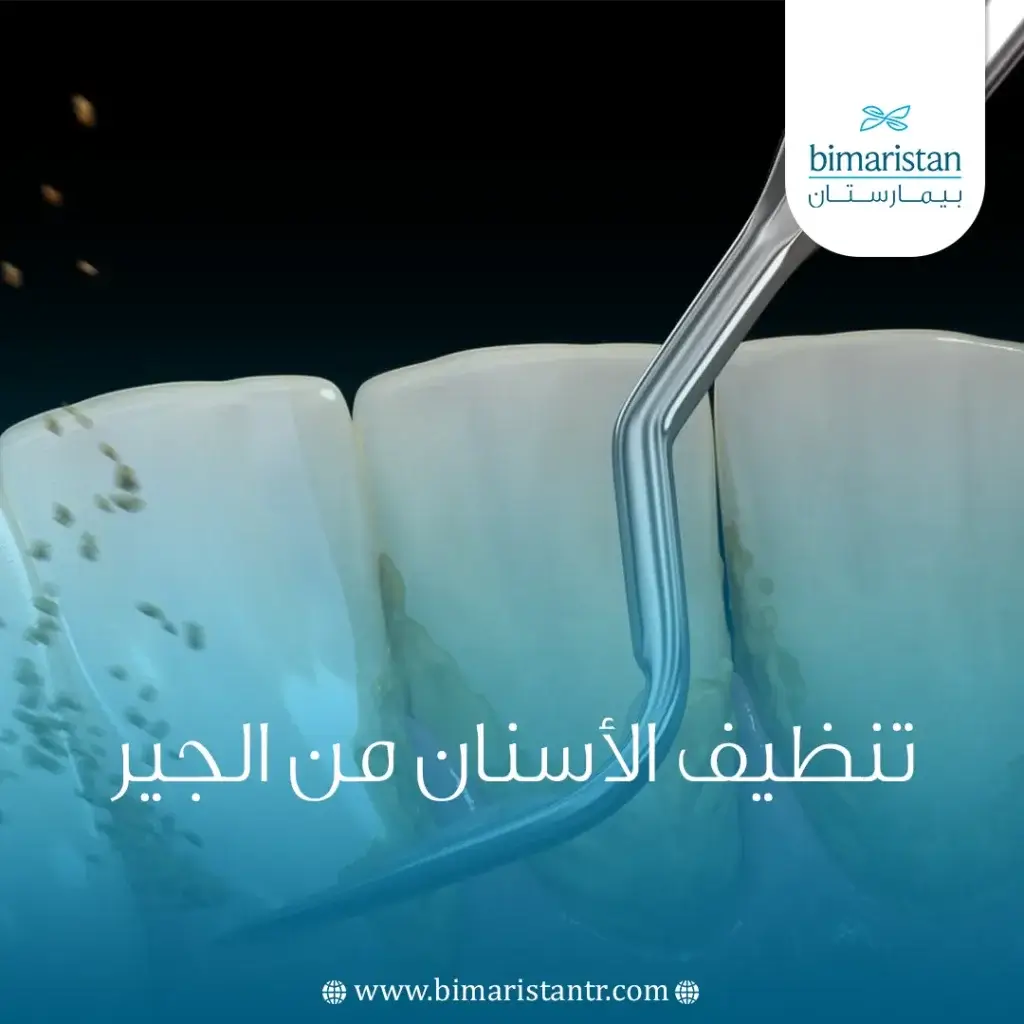
Tartar buildup on the teeth is one of the most common oral health problems and is the leading cause of gum inflammation and periodontal disease in many people. Despite daily brushing, plaque can gradually build up and harden into tartar that cannot be removed with a regular toothbrush, requiring professional cleaning by a dentist.
Teeth cleaning, also known as scaling and root planing, helps remove plaque and bacteria that have accumulated above and below the gum line, which helps maintain gum health, preventing tooth loss, and reducing bad breath and complications from chronic gum disease.
What is tartar?
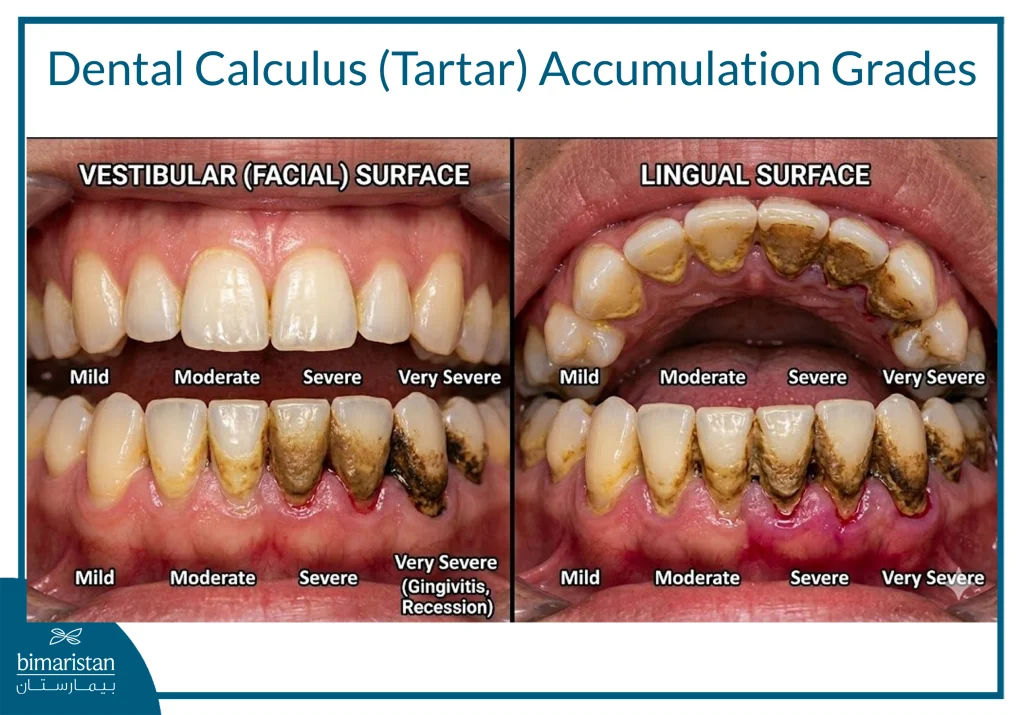
Dental calculus, or tartar, is a hard, calcified layer that forms on the surface of the teeth as a result of plaque buildup that is not properly removed by brushing and flossing. Plaque contains bacteria and food particles that stick to the teeth daily, and when left for a long time, it turns into hard deposits known as tartar.
Tartar can form above or below the gum line and is considered one of the main causes of gingivitis and periodontal disease, as it provides an ideal environment for bacterial growth and makes it difficult to clean the teeth properly. Dental tartar is often yellow or brown and cannot be removed with a regular toothbrush; it requires professional cleaning by a dentist using special tools or ultrasonic devices.
The Benefits of Professional Teeth Cleaning
Professional teeth cleaning at the clinic can significantly improve the health of your mouth, gums, and teeth. Among its most important benefits are:
- Preventing gum disease: Scaling helps reduce the bacteria that cause gum disease, bleeding, and redness.
- Improved gum health: Root planing after scaling helps the gums reattach to the teeth and reduces the depth of gum pockets.
- Reduces bad breath: Removing plaque and accumulated bacteria helps eliminate unwanted odors and improve breath freshness.
- Removing plaque and tartar buildup: Over time, layers of plaque and tartar accumulate from food and drink residue, even with daily brushing, leading to bacterial growth around the gums.
- Preventing tooth loss: If tartar is left untreated, it can lead to periodontitis and erosion of the bone that supports the teeth, which may result in loose teeth or tooth loss.
How does tooth decay cause gum disease?
Plaque forms continuously on the teeth; it is a sticky film that contains bacteria. If not cleaned properly, it hardens into tartar, which is difficult to remove with a toothbrush. As tartar continues to build up:
- The gums gradually pull away from the teeth
- Inflammation, bleeding, or swelling of the gums occurs
- Pockets of mucus form where bacteria accumulate
- This could lead to periodontitis and bone loss around the teeth
Symptoms of gingivitis and inflammation of the tissues supporting the teeth
Gum disease can develop without any obvious pain, so it is important to watch for the following signs:
- Redness and swelling of the gums
- Bleeding gums while brushing
- Receding gums
- Persistent bad breath
- Loose or shifting teeth
- Change in the way the teeth come together
- The difficulty of fitting dentures
Factors that increase the risk of tartar buildup and gum disease
There are several factors that may increase the risk of developing gum disease, including:
- Diabetes
- Genetic factors
- Poor oral hygiene
- Smoking or chewing tobacco
- Pregnancy and Hormonal Changes
- Crowded teeth and difficulty cleaning them
- Certain medications, such as steroids, antiepileptic drugs, and some cancer medications
How do you remove tartar from your teeth?
Dental scaling helps remove hardened deposits and bacteria that have accumulated above and below the gum line. This procedure is performed in a dental clinic using specialized techniques and tools designed to thoroughly clean the teeth, improve gum health, and prevent gum disease. The cleaning steps include the following:
- Local anesthesia: Your dentist may use a local anesthetic to minimize discomfort during the cleaning.
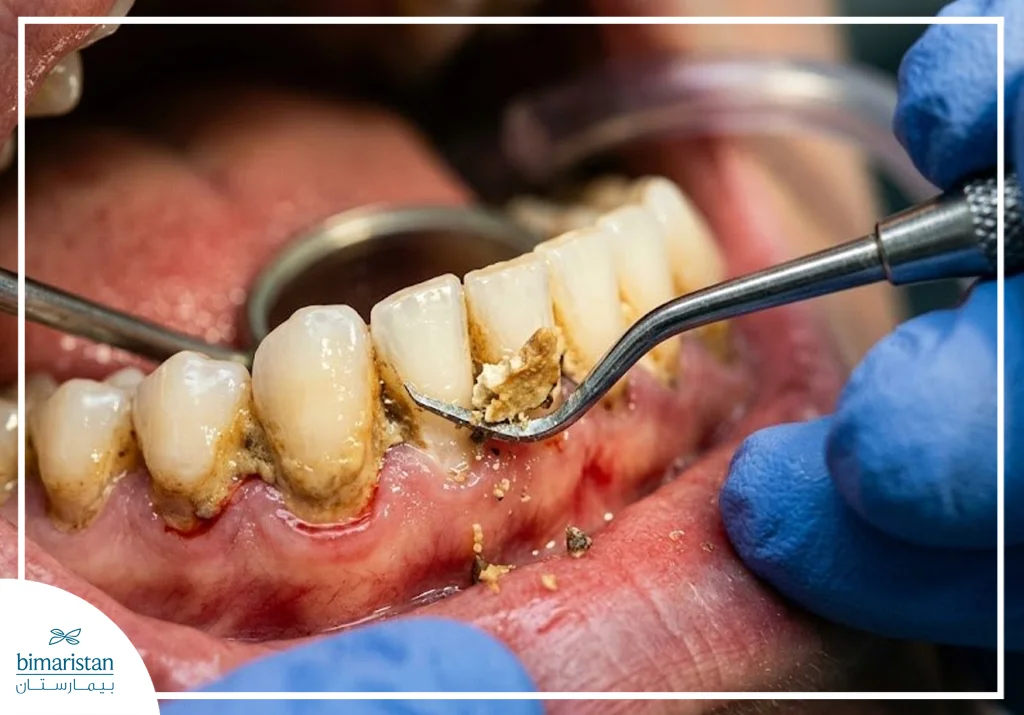
- Scaling (tooth cleaning): Tartar and bacteria above and below the gum line are removed using either hand instruments or an ultrasonic scaling device.
- Root planing: The dentist smooths the surfaces of the tooth roots to help the gums reattach and reduce bacterial buildup.
Ultrasonic Teeth Cleaning
Ultrasonic cleaning is one of the most advanced methods for removing tartar; it uses high-frequency vibrations to break down deposits and is combined with a water spray to flush away debris and bacteria.
Advantages of ultrasonic cleaning:
- Faster than manual cleaning
- More comfortable for patients
- Effective at removing deep-seated tartar
- Reduces session duration by up to 50%
What happens after a dental scaling?
After a deep cleaning session, the patient may experience:
- Temporary tooth sensitivity
- Mild gum pain
- Minor bleeding
- Mild swelling
These symptoms usually go away within a few days. Your doctor may prescribe:
- Antiseptic mouthwash
- Medications to reduce inflammation
- Antibiotics as needed
When should you see a dentist?
Early treatment prevents complications and helps preserve your teeth for longer. Therefore, you should see your dentist immediately if you notice:
- Tooth Movement
- Chronic bad breath
- Pain or swelling in the gums
- Recurrent bleeding from the gums
- Receding gums
Important Tips After Having Your Teeth Scaled
To maintain the results of your treatment and prevent tartar buildup:
- Avoid smoking: Smoking is one of the leading causes of gum disease and treatment failure.
- Use dental floss daily: Flossing helps remove food particles and plaque from between your teeth.
- Eat a healthy diet: Cut back on sugars and soda to keep your teeth and gums healthy.
- Regular dental checkups: It is recommended to have a professional cleaning every 6 months, or as your dentist recommends.
- Brush your teeth twice a day: Be sure to brush for 2 minutes using fluoride toothpaste.
Dental scaling is considered an essential procedure for maintaining oral and dental health and preventing diseases of the gums and supporting tissues that can lead to tooth loss over time. Daily dental care, combined with regular professional cleanings at the dentist, significantly reduces tartar buildup and helps maintain a healthy smile and better appearance.
With the significant advancements in modern dental technology, scaling and root planing procedures have become more comfortable and effective, especially in advanced medical centers in Turkey, which is considered a leading destination for dental treatments thanks to the availability of modern equipment, specialized medical expertise, and affordable costs compared to many other countries.
Sources: