The world has witnessed an increasing interest in the diagnosis and treatment of gastrointestinal issues, particularly intestinal volvulus, which is a serious medical emergency requiring rapid and precise attention. With advances in modern medicine, management of this condition has become more efficient and accurate than in the past, as innovative imaging technologies and advanced treatment approaches are now widely adopted to reduce complications and improve recovery outcomes.
Countries such as Turkey have emerged as leading destinations for gastrointestinal and emergency surgery, supported by medical advances and specialized centers that offer advanced treatment options at lower costs than many European nations.
This progress in diagnostic and therapeutic practices has played a vital role in raising global health awareness, motivating patients to seek medical care at earlier stages rather than waiting for complications to develop. With growing attention and continuous improvements in the management of intestinal volvulus, access to advanced healthcare has become faster and more accessible, significantly increasing recovery chances and reducing the risks associated with this condition.
What is intestinal volvulus?
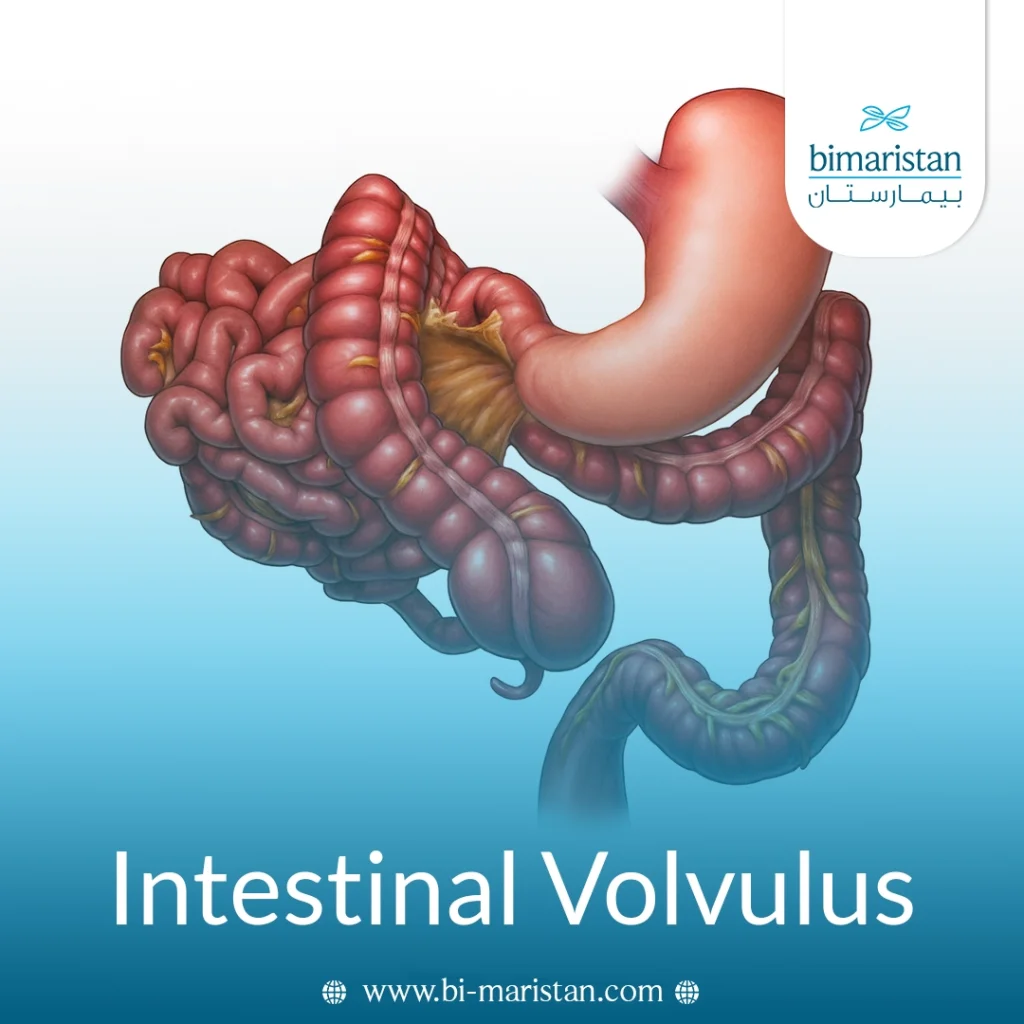
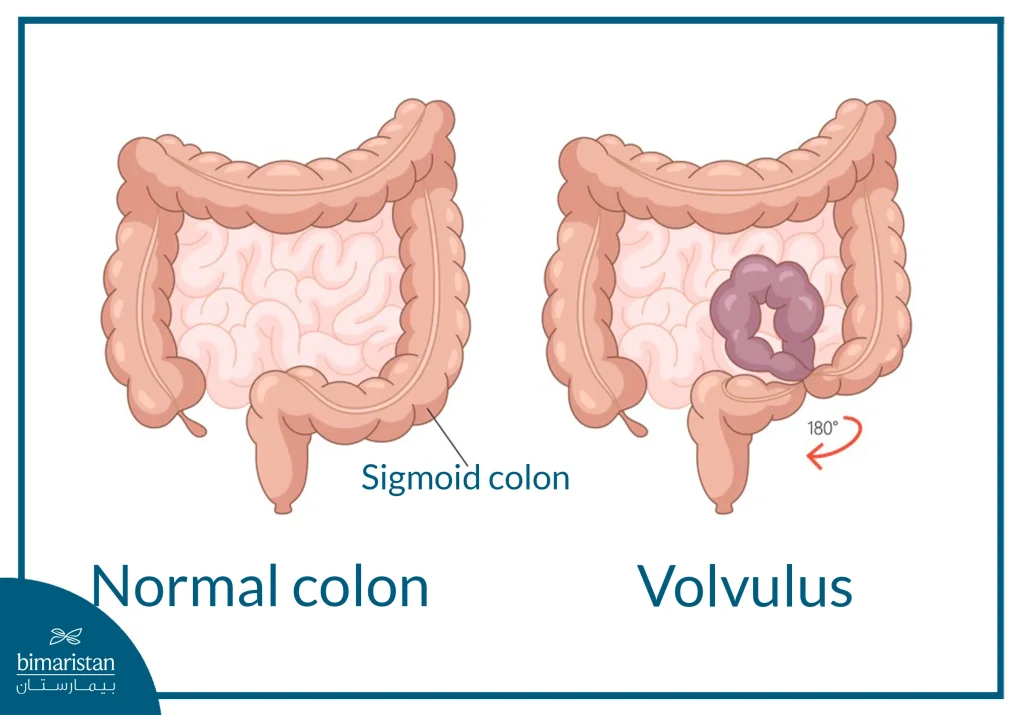
Intestinal volvulus is a medical condition that occurs when the intestine rotates around itself or on the ligaments that hold it within the abdomen, leading to a blockage in the flow of food and gas and, if left untreated, may cut off the blood supply to the affected part. This condition is an emergency and requires an accurate diagnosis and proper treatment to avoid serious complications.
Types of intestinal volvulus
There are several types of intestinal volvulus, defined by the location of the volvulus within the gastrointestinal tract, and each has distinct causes, symptoms, and treatments. In general, a volvulus occurs when a portion of the intestine or stomach twists on itself, leading to a mechanical obstruction that can be life-threatening and requires urgent medical intervention. Here are the main types:
- Small bowel volvulus: It occurs when a segment of the small intestine twists, often associated with congenital defects or adhesions from prior surgery. It usually appears suddenly with symptoms such as severe abdominal pain, nausea, and vomiting.
- Colonic volvulus: Affects the colon, especially the sigmoid or cecal colon. It is more common in the elderly or those with chronic constipation or colon disease. It can develop gradually or rapidly, and is treated with either vacuum evacuation or surgical intervention, depending on the case. Types of colonic volvulus include:
- Sigmoid volvulus: The most common type, it causes constipation, bloating, and abdominal pain.
- Cecal colon volvulus: Affects the beginning of the large intestine and often causes pain in the lower right abdomen.
- Transverse colon volvulus: Rare, but it can be serious if not treated promptly.
- Midgut volvulus: Often seen in infants and children due to abnormal bowel development as a result of intestinal malrotation. It is characterized by green-colored vomit and sudden abdominal pain and can be life-threatening if not treated immediately.
Causes of intestinal volvulus
The causes of intestinal volvulus vary among individuals, and the condition may result from health or anatomical factors that affect the movement or stabilization of the intestines within the abdomen. A volvulus typically occurs when the intestine twists around itself or its supporting ligaments, resulting in an intestinal obstruction that can rapidly progress if medical intervention is not provided. Possible causes include:
- Anatomical abnormalities: Conditions such as an enlarged colon or excess intestinal tissue can increase the risk of intestinal volvulus.
- Bowel adhesions: Bowel adhesions are a common cause of small bowel volvulus, especially after surgery.
- Pregnancy: Physical displacement of the abdominal organs during pregnancy can increase the risk of volvulus.
- Congenital factors: Such as intestinal malrotation, which is often seen in children.
- Chronic constipation: It increases pressure inside the colon and can lead to intestinal volvulus.
- Bowel movement disorders associated with neurological or muscular diseases
- Tumors or masses within the abdomen that may cause the intestines to twist
Possible risk factors for intestinal volvulus
Intestinal volvulus is not always caused by a single factor; it may result from a combination of health or behavioral conditions that increase the likelihood of developing this condition. Risk factors include:
- Lack of mobility affecting normal bowel function
- A low-fiber diet may lead to constipation and slowed bowel movements
- As you age, your intestinal muscles weaken, and your bowel movements become slower
- Newborns, who may be affected by congenital abnormalities in the development of the gastrointestinal tract
- Chronic diseases such as Parkinson’s disease or diabetes can affect the function of the nerves responsible for the motility of the digestive system
Symptoms of intestinal volvulus
Symptoms of intestinal volvulus vary from case to case, and may appear suddenly or gradually, depending on the location and severity of the volvulus. In most cases, the main symptom is sudden, severe abdominal pain, which may be accompanied by signs of bowel obstruction such as nausea, vomiting, and difficulty passing gas or stool. Monitoring symptoms is important for determining the need for urgent medical intervention, as delayed treatment can lead to serious complications, such as intestinal ischemia.
Symptoms of intestinal volvulus in children
Children, particularly infants and newborns, are at increased risk of intestinal volvulus due to congenital abnormalities or malformations of the gastrointestinal tract. The most common symptoms include:
- Shock
- Bloody or dark red stools
- Severe and persistent crying due to pain
- Visible swelling or bloating in the abdomen
- Difficulty or discontinuity in passing stool or gas
- Frequent vomiting, which may be green or yellow in color
- Lethargy or inactivity compared to the child’s normal behavior
- Change in skin color or appearance as a result of pain or dehydration
Children who experience these symptoms should see a doctor immediately, as their condition can deteriorate rapidly.
Symptoms of intestinal volvulus in adults
In adults, symptoms are often obvious and may appear gradually or suddenly, depending on the location of the torsion and how quickly it develops. The following symptoms should be taken seriously if a bowel problem is suspected:
- Abdominal bloating and a feeling of fullness
- Severe abdominal pain that may worsen over time
- Frequent vomiting and difficulty eating
- Nausea and digestive upset
- Severe constipation or inability to pass gas
- Fever or rapid heartbeat in advanced cases
These symptoms require prompt medical evaluation to prevent progression to complete intestinal obstruction or ischemia.
What are the complications of intestinal volvulus?
Intestinal volvulus can lead to serious complications, especially if not treated promptly, as the rate of complication progression depends on the severity of the intestinal twist and its effect on intestinal blood flow. Complications include:
- Intestinal rupture: It can cause peritonitis or a serious intra-abdominal infection.
- Chronic nutritional issues: As a result of losing part of the intestine or disrupting the absorption of nutrients.
- Intestinal ischemia: Chronic ischemia can lead to the death of intestinal tissue (gangrene), worsening the situation and increasing the risk of intestinal failure.
- Intestinal ulceration: As volvulus progresses, ulceration of the intestinal wall may develop due to chronic ischemia, increasing the risk of internal bleeding or tissue rupture.
- Intestinal obstruction: Intestinal volvulus can cause partial or complete intestinal obstruction, disrupting the passage of food, gas, and feces and resulting in severe symptoms such as abdominal pain, bloating, and nausea.
- Shock: Continuous vomiting leads to significant fluid loss, which can cause a severe drop in blood pressure. Shock from volvulus can be life-threatening and requires immediate medical intervention.
- Septicemia: If peritonitis or a ruptured intestine is not treated, the infection may progress to septicemia, a life-threatening condition that requires intensive antibiotic treatment and intensive care.
- Peritonitis: Peritonitis results from bacteria or intestinal contents leaking into the abdominal cavity due to intestinal perforation, causing severe inflammation that can lead to organ failure if not treated promptly.
Diagnosis of intestinal volvulus
Diagnosing intestinal volvulus is essential for determining the appropriate treatment plan and assessing the severity of the condition, as symptoms may mimic other conditions, such as appendicitis or functional bowel obstruction. The diagnosis is based on the patient’s medical history, clinical examination, and advanced tests that help the doctor determine the location of the volvulus and the extent to which blood flow in the intestine is affected. The speed of diagnosis is crucial for minimizing complications and enhancing treatment outcomes.
Required examinations
There are several tests to help diagnose intestinal volvulus accurately, depending on the condition and symptoms, the most important of which include:
- Clinical examination of the abdomen: It helps the doctor assess pain, bloating, the presence or absence of abnormal bowel sounds, and observe signs of abdominal obstruction or irritation.
- Abdominal X-rays: This is a common initial test and may show signs of obstruction or bowel distention, but it doesn’t always reveal the volvulus.
- CT Scan: It is considered more accurate for diagnosing intestinal volvulus, as it clearly shows its location, extent of the obstruction, and the state of blood perfusion to the intestines.
- Ultrasound: Often used in children and pregnant women, it helps detect volvulus or abnormal enlargements of the intestine.
- Gastrointestinal endoscopy may be used as a diagnostic and therapeutic tool, particularly when sigmoid colon volvulus is suspected, allowing an attempt to untwist the volvulus during the procedure.
Intestinal volvulus treatment
Treating an intestinal volvulus is a necessary medical step to relieve symptoms and avoid serious complications such as bowel obstruction or ischemia. The choice of treatment depends on the type and severity of the volvulus, the patient’s age, and the presence of prior complications or comorbidities. In some cases, treatment can be done non-surgically, while others require urgent surgical intervention.
Non-surgical Intestinal volvulus treatment
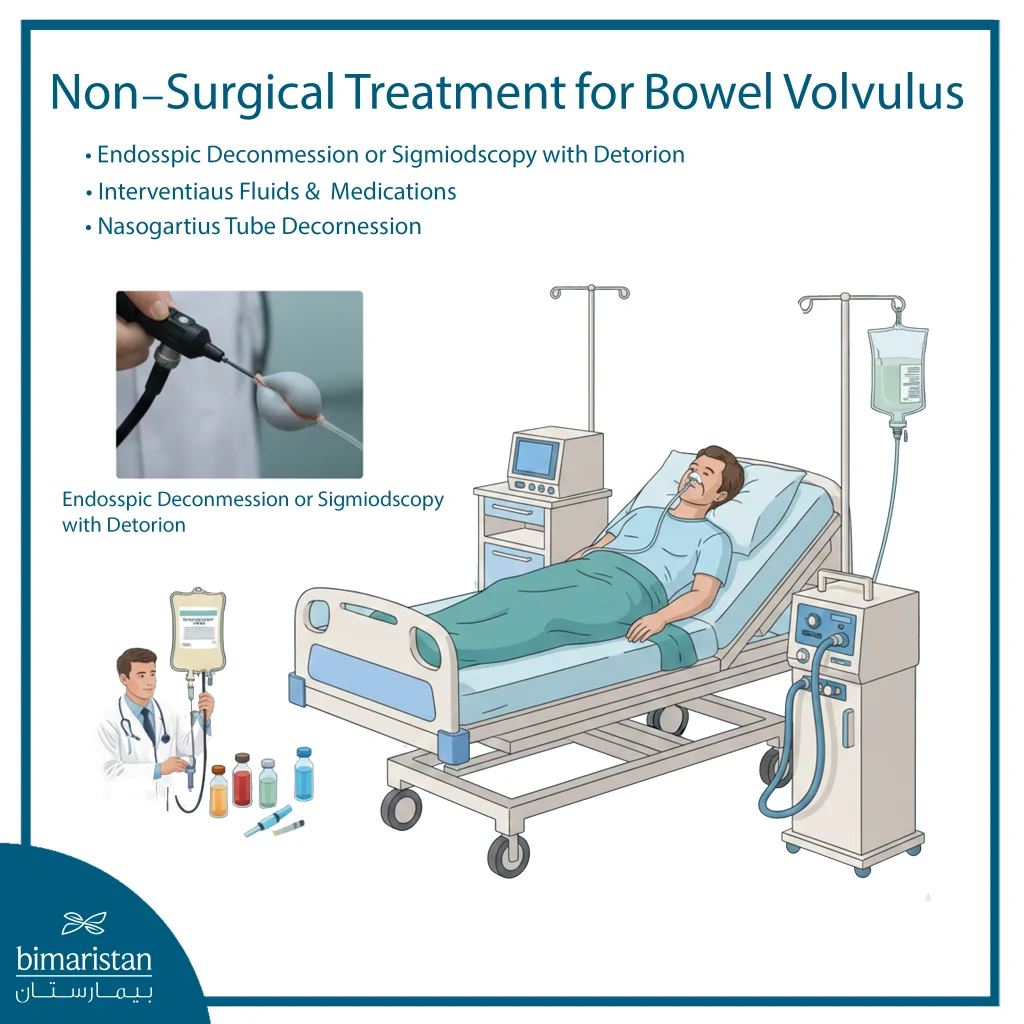
In the early stages or in some cases of Intestinal volvulus, doctors may resort to non-surgical treatment options, including:
- Air decompression or colon decompression via endoscopy: Used to untwist the sigmoid or cecal volvulus. This is a common option for patients who do not show signs of ischemia or gangrene.
- Intravenous fluids and medications: Administered to maintain fluid and electrolyte balance, along with pain relievers, anti-inflammatory drugs, or antibiotics if necessary.
- Nasogastric tube evacuation: Used to relieve pressure on the intestines and relieve bloating and pain.
This type of treatment is useful for mild, early cases; however, it is not a permanent solution, and the condition may recur, requiring careful medical follow-up.
Surgery for intestinal volvulus
Surgery is the primary treatment option in advanced cases or when there are signs of danger. Key procedures include:
- Untwisting the volvulus and restoring the normal position of the intestines
- Surgical fixation of the intestines (Colopexy) to prevent recurrence of volvulus
- Resection of the affected intestinal segment if there is tissue necrosis or ischemia
- Emergency surgery in cases of gangrene or complete obstruction
The surgery can be performed either conventionally or laparoscopically, depending on the patient’s condition and the medical center’s equipment.
Preventing intestinal volvulus
While some cases of intestinal volvulus are congenital or unpredictable, you can reduce the risk with certain preventive measures:
- Regular physical activity: It improves bowel movement and reduces the risk of torsion.
- Eat a high-fiber diet: Helps regulate bowel movements and prevent chronic constipation.
- Drink adequate amounts of water daily: To keep stools soft and avoid pressure on the intestines.
- Follow-up of chronic medical conditions: such as colon problems or neurological diseases that may affect the intestines.
- Regular medical check-ups after surgery: especially abdominal surgeries, to reduce the risk of intestinal adhesions.
When should I see a doctor?
See a doctor immediately if you experience any of the following symptoms:
- Frequent vomiting, especially if it is green or bloody in color
- High temperature or heavy sweating with heart palpitations
- Inability to pass stool or gas
- Sudden, severe abdominal pain
- Noticeable flatulence
Rapid diagnosis and treatment significantly reduce complications and improve the chances of a full recovery.
Intestinal volvulus is a medical emergency that requires rapid diagnosis and timely treatment to prevent serious complications such as bowel obstruction or ischemia. Thanks to modern medical advances, this condition can now be managed more effectively, whether through non‑surgical options in the early stages or surgical intervention when necessary.
At Bimaristan, we offer advanced diagnostic and therapeutic services for intestinal and bowel disorders, with close follow‑up to ensure the best patient outcomes. If you experience symptoms suggestive of intestinal volvulus, seek immediate specialized consultation at Bimaristan. Early intervention greatly increases recovery chances and reduces health risks.
Sources:
- National Center for Biotechnology Information. (n.d.). Volvulus. In StatPearls (Trevor L. Thompson, Ed.)
- International Foundation for Gastrointestinal Disorders. (n.d.). Volvulus. IFFGD
- Klymenko, D., Slívova, I., Martínek, L., & Ihnát, P. (2025). Sigmoid volvulus in children: A structured diagnostic and therapeutic approach. Pediatrics Gastroenterology, Hepatology & Nutrition, 28(4), 224-232