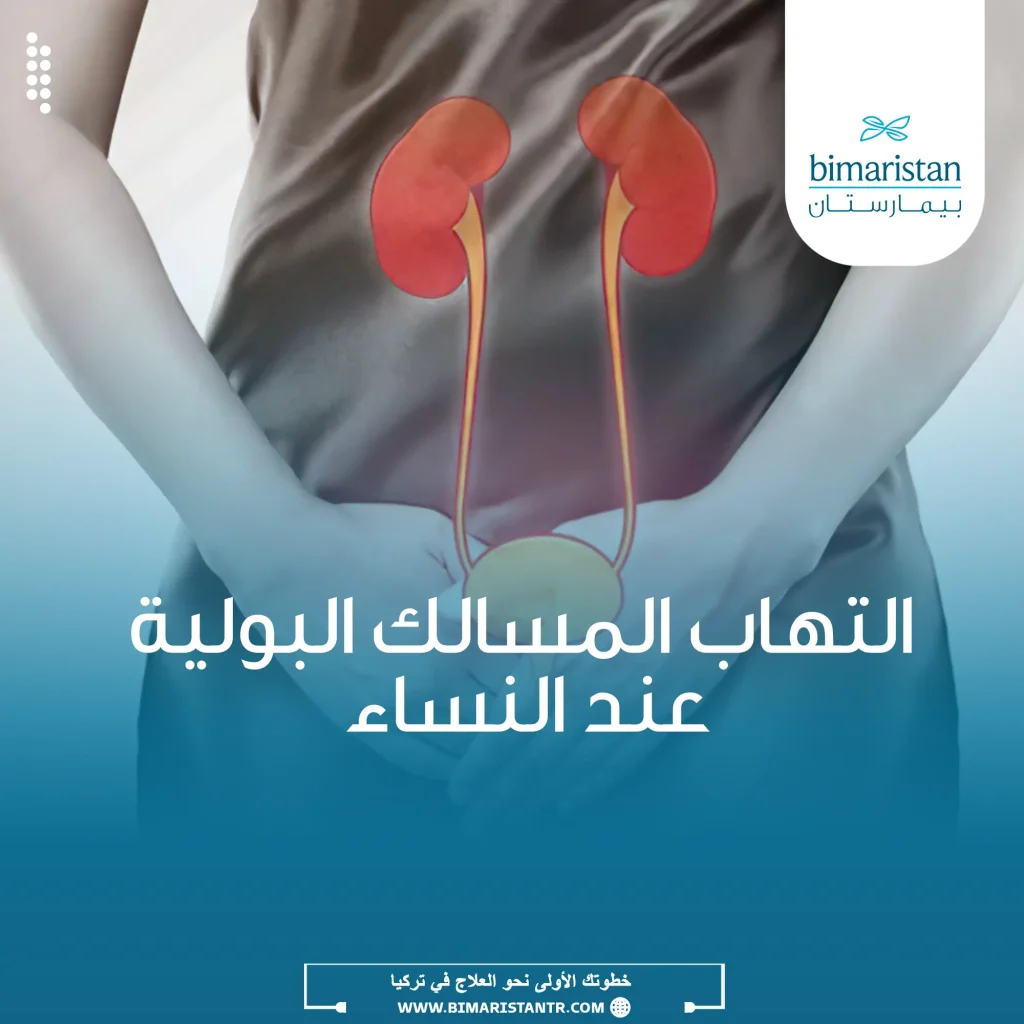
Urinary tract infection in women is one of the most frequent bacterial infections and can affect any part of the urinary system. Prompt treatment of urinary tract infection in women is crucial to prevent serious complications such as kidney infections or sepsis. In this article, we’ll provide a comprehensive overview of everything you need to know about UTIs in women.
What is a urinary tract infection?
A urinary tract infection (UTI) is an infection of one or more parts of the urinary system, including the kidneys, ureters, bladder, and urethra. The infection occurs when bacteria from the digestive tract (usually) enter the urinary tract through the urethral opening, with E. coli being the most common cause, accounting for more than 80% of cases.
Types of urinary tract infection in women
There are several types of UTIs in women, including:
- Urethritis: May result from sexual transmission, mechanical irritation, or chemical exposure.
- Pregnancy-associated urinary tract infection: Requires special treatment to avoid harm to the mother and fetus.
- Cystitis: The most common type, usually caused by ascending bacteria from the urethra.
- Pyelonephritis: A serious kidney infection that may require hospitalization.
- Recurrent UTI: Defined as two or more infections within six months or three or more within a year.
Symptoms of urinary tract infection in women
UTIs in women may present with various symptoms, including:
- Blood in urine
- Burning or pain during urination
- Cloudy or foul-smelling urine
- Lower abdominal or back pain
- Urgent need to urinate
- Frequent urination with small volumes
- Fever and chills (in kidney infections)
Diagnosis of urinary tract infection in women
Accurate diagnosis involves several steps and tests:
- Medical history and symptom review
- Urinalysis (detecting white blood cells and nitrites)
- Urine culture to identify the bacteria and a suitable antibiotic
- Ultrasound or CT scan in complicated cases
Treatment of urinary tract infection in women
UTI treatment options include:
Antibiotic Therapy
Antibiotics are the primary and most effective treatment. The choice depends on the bacterial strain and its sensitivity to antibiotics. Common oral antibiotics include:
| Antibiotic | Usual Dose | Duration | Notes |
|---|---|---|---|
| Nitrofurantoin | 100 mg twice daily | 5 days | Good for cystitis; ineffective for kidney infections |
| Fosfomycin | 3 g single dose | One-time | Convenient and easy to use |
| TMP-SMX | One tablet every 12 hrs | 3–5 days | Avoid if resistance is high |
| Ciprofloxacin / Levofloxacin | 250–500 mg twice daily | 3–7 days | Effective for pyelonephritis and complex cases |
| Amoxicillin-clavulanate | 500–875 mg every 12 hrs | 5–7 days | Safe alternative during pregnancy |
For severe or complicated infections, intravenous antibiotics may be used:
- Ceftriaxone
- Piperacillin-tazobactam
- Ertapenem (for multidrug-resistant bacteria)
Treatment duration ranges from 3 to 5 days for mild infections to up to 14 days for severe cases.
Treating accompanying symptoms of UTIs in women
Direct treatment of accompanying symptoms may be considered, such as:
- Pain relievers for fever and discomfort, including:
- Paracetamol
- Ibuprofen
- Urinary antispasmodics like Phenazopyridine (short-term use for burning relief)
Non-pharmacological and supportive treatment
Non-drug approaches include:
- Drinking plenty of water to flush bacteria and dilute urine
- Lifestyle modifications:
- Emptying the bladder after intercourse
- Avoiding irritating vaginal products
- Practicing front-to-back hygiene
- Wearing breathable cotton underwear
Treatment of recurrent urinary tract infection in women
For recurrent infections, strategies include:
- Long-term low-dose antibiotics before bedtime or a single-dose post-intercourse, such as:
- Nitrofurantoin
- TMP-SMX
- Self-treatment upon early symptom onset with prior diagnosis
- Vaginal estrogen therapy for postmenopausal women to restore microbial balance and mucosal defenses
Natural Remedies and Supplements
Some foods and supplements may help, including:
- Cranberry: Contains compounds that prevent bacterial adhesion to the bladder wall. Useful for prevention, not a substitute for antibiotics.
- Probiotics: Help restore vaginal flora and reduce recurrence.
- Vitamin C: Increases urine acidity, inhibiting bacterial growth.
Urinary tract infection in pregnant women
A urinary tract infection in women during pregnancy requires treatment, even if it is asymptomatic. Safe antibiotics include:
- Amoxicillin
- Cephalexin
- Nitrofurantoin (with caution in the first and third trimesters)
Surgical or interventional treatment
In special cases like structural abnormalities or urinary obstruction, procedures may include:
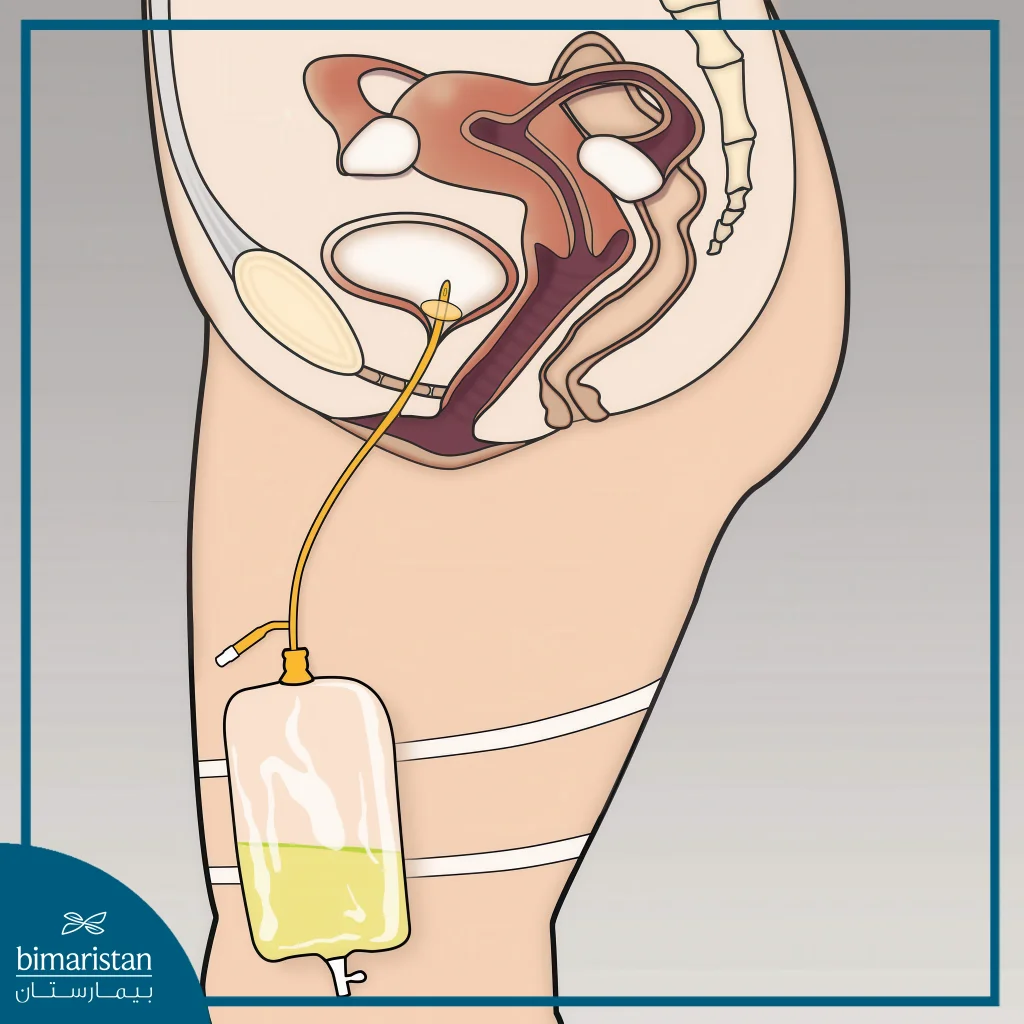
- Temporary urinary catheter placement
- Urinary stone fragmentation
- Urethral dilation
When to seek immediate medical attention
Urgent care is needed if:
- Fever exceeds 38.5°C
- Severe or persistent flank pain
- Uncontrolled nausea or vomiting
- Visible blood in urine
- General weakness or chills
- Symptoms persist beyond 48 hours of treatment
Prevention of urinary tract infection in women
Adhering to preventive measures is important to reduce the risk of urinary tract infections in women. Preventive measures include the following:
- Personal hygiene: Clean the genital area daily with warm water; avoid scented soaps or vaginal washes that disrupt natural flora
- Hydration: Drink sufficient fluids to promote urination and flush bacteria
- Timely urination: Avoid holding urine to reduce bladder pressure and bacterial growth
- Post-intercourse urination: Helps eliminate bacteria introduced during sex
- Breathable clothing: Prefer cotton underwear to reduce moisture and heat
- Avoid unnecessary catheter use: Catheters are a major source of healthcare-associated UTIs
- Manage chronic conditions: Control diabetes or immune disorders to reduce infection risk
Difference between urinary tract infection and vaginitis
Many patients confuse UTIs with vaginal infections. Here’s a comparison:
| Feature | UTI in Women | Vaginitis |
|---|---|---|
| Site of Infection | Urinary tract | Vagina |
| Symptoms | Burning during urination, abdominal pain, and fever | Itching, vaginal discharge, foul odor |
| Fever | Possible | Rare |
| Treatment | Antibiotics | Topical antifungal or antibacterial agents |
Urinary tract infection in women is a common health concern that requires prompt attention and treatment to prevent serious complications. Understanding its causes, types, and prevention strategies is crucial in reducing recurrence. If symptoms arise, consult a doctor promptly, as early diagnosis is crucial for effective recovery. Adopting a healthy lifestyle and following preventive measures can help safeguard your urinary system.
Sources: