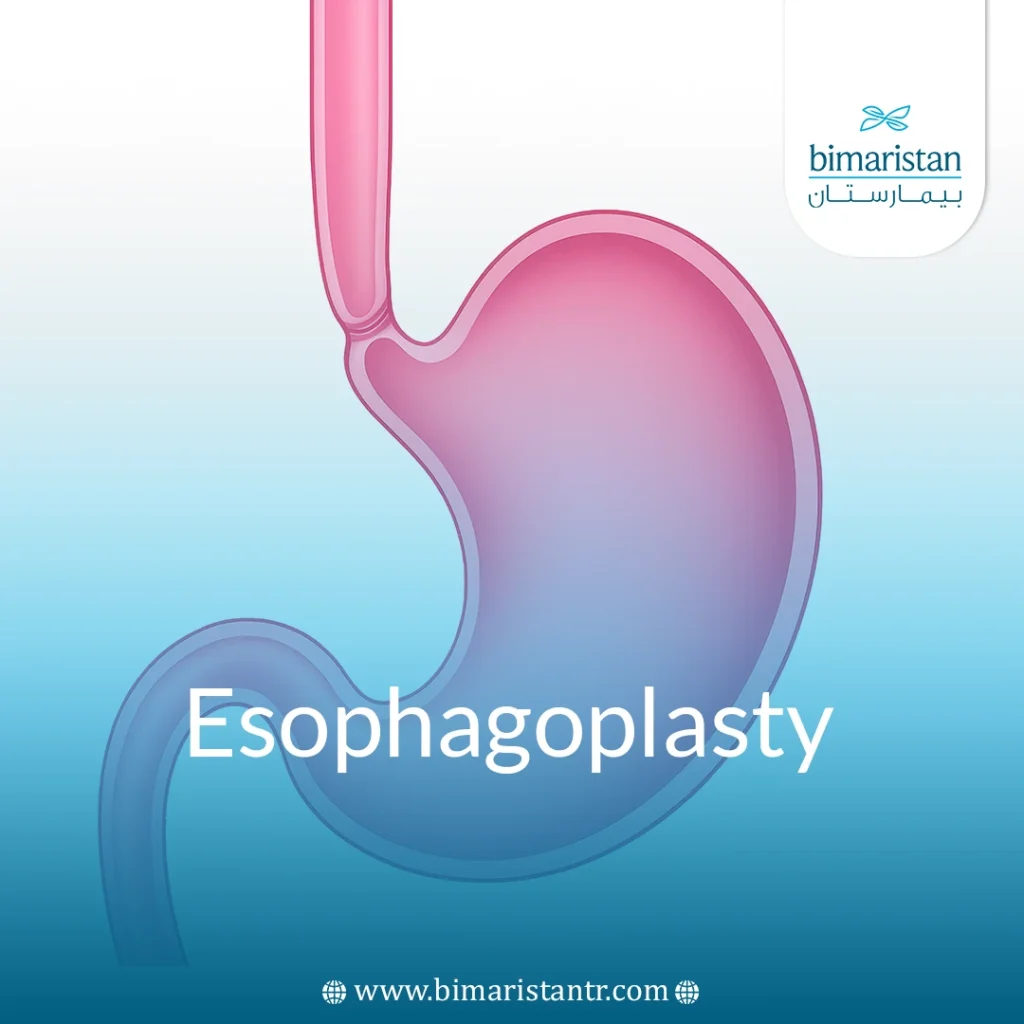
Esophagoplasty is a surgical procedure designed to treat esophageal narrowing that impairs swallowing and causes difficulty in consuming food and liquids. This narrowing can result from various causes, including chronic infections, gastroesophageal reflux disease (GERD), or chemical burn injuries, all of which contribute to the constriction of the esophageal passage between the mouth and stomach.
Esophagoplasty involves expanding the esophagus and enhancing its function through various surgical approaches, including laparoscopic and open techniques, tailored to the patient’s specific condition. The procedure plays a vital role in restoring normal swallowing and significantly improving the quality of life for individuals with esophageal disorders.
What is esophagoplasty?
Esophagoplasty is a surgical procedure used to widen narrowed segments of the esophagus that interfere with normal swallowing. These constrictions may result from various causes, including fibrosis due to chronic infections, chemical injuries, or gastroesophageal reflux, all of which compromise the integrity of the esophageal wall.
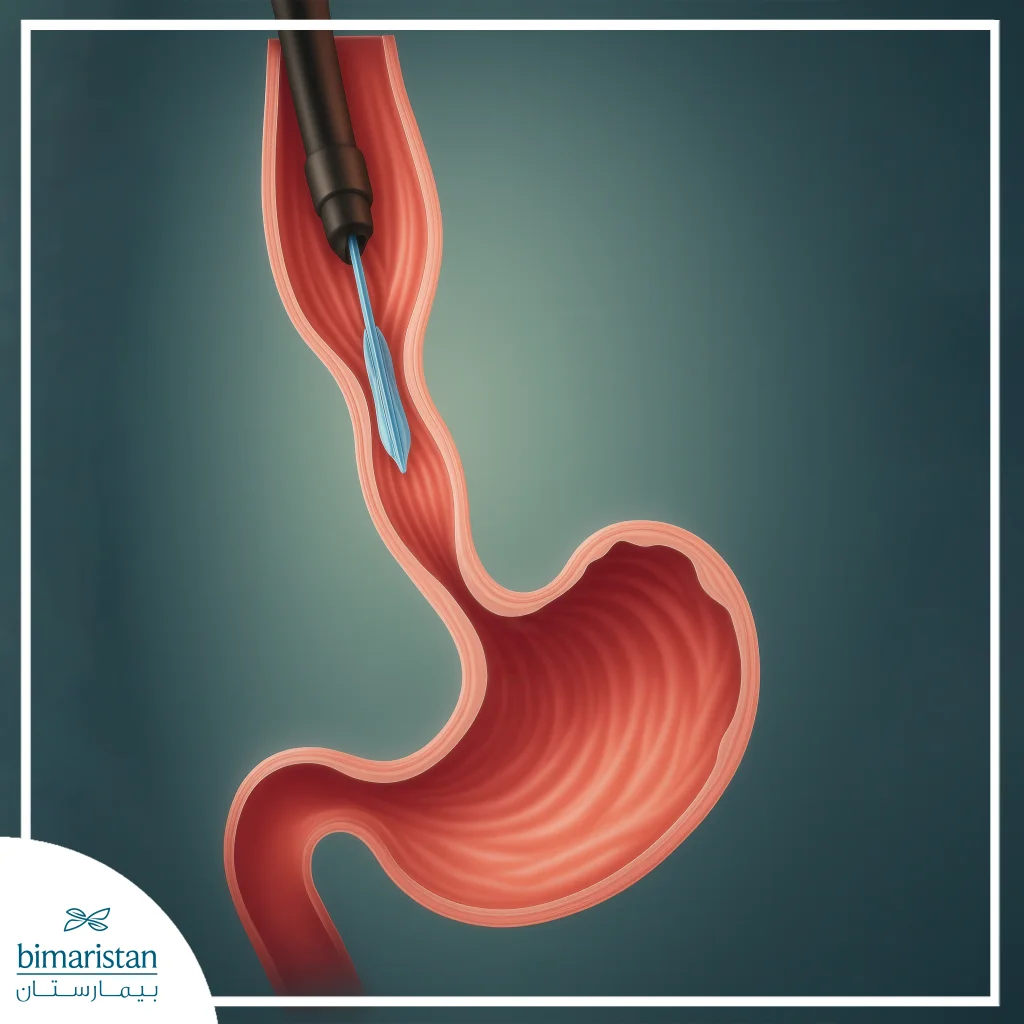
Such narrowing decreases the esophageal diameter, obstructing the passage of food and liquids and impairing the patient’s ability to swallow effectively. Esophagoplasty is typically performed using specialized balloons or laparoscopic dilation tools that gently stretch the affected tissue to restore esophageal function. The primary objective of esophagoplasty is to facilitate the smooth passage of food and fluids, alleviate symptoms such as dysphagia and esophageal obstruction, and improve the overall quality of life for individuals affected by these conditions.
Difference between esophagoplasty and conventional esophageal surgery
Esophagoplasty is a non-surgical or minimally invasive procedure that involves dilating the esophagus using a laparoscope and specialized dilating instruments, such as balloons or stents, typically under local or general anesthesia. Conventional esophageal surgery, on the other hand, requires a wide opening in the chest or abdomen to repair or replace parts of the esophagus in complex cases such as tumors or large tears. Conventional surgery is more invasive and carries greater risks, such as bleeding, infection, and a more extended recovery period than esophagoplasty
Esophagoplasty is typically used in cases with mild to moderate stenosis, while conventional surgery is recommended in cases where conservative treatments are ineffective or there are significant structural issues in the esophagus.
When to undergo esophagoplasty?
Esophagoplasty is the result of multiple medical reasons that lead to narrowing of the esophagus and difficulty swallowing, and these reasons include the following:
- Esophageal narrowing and swallowing issues: Esophageal narrowing can be caused by a buildup of scar tissue resulting from chronic inflammation or injury, which reduces the diameter of the esophagus and makes it difficult for food to pass through.
- Esophageal injuries caused by chemical burns or gastroesophageal reflux disease (GERD): Burns from swallowing chemicals or stomach acids in cases of severe reflux cause damage to the esophageal wall and narrow scars.
- Congenital abnormalities of the esophagus: Some individuals may be born with structural abnormalities in the esophagus, such as congenital narrowing or abnormal muscle rings, which can affect the passage of food.
- Other reasons
- Benign or malignant tumors that narrow the esophagus
- Rare infections that cause esophageal fibrosis
- Complications following previous esophageal surgery leading to stricture
Types and techniques of esophagoplasty
Esophagoplasty is a medical procedure designed to widen narrowed areas within the esophagus that affect a patient’s ability to swallow. Esophagoplasty techniques vary depending on the condition, location, and size of the stricture and include a range of procedures, ranging from less invasive laparoscopic interventions to open surgery in complex cases. The doctor selects the most suitable technique based on a thorough evaluation of the patient’s condition and the underlying cause of the stricture, ensuring optimal results.
Laparoscopic esophagoplasty
Laparoscopic esophagoplasty is the most common method for treating esophageal strictures, in which a thin laparoscope is inserted through the mouth into the esophagus. Using the laproscope, an inflatable balloon or other dilating device is inserted into the narrowed area, where the balloon is gradually inflated to expand the esophageal wall gently. This technique is minimally invasive, usually performed under local or general anesthesia, with a short recovery period and low risk compared to open surgery. This procedure is used to treat narrowing caused by fibrosis or scarring from esophagitis or gastroesophageal reflux.
Open surgical esophagoplasty
In cases where the strictures are severe, wide, or complex, or when laparoscopic dilatation methods fail, the surgeon resorts to open surgery. This technique involves making a surgical incision in the chest or abdomen to access the esophagus and remove or reconstruct the damaged section.
Although open surgery carries higher risks and a more extended recovery period, it is necessary in some cases to ensure a lasting and effective treatment. The procedure may involve removing part of the damaged esophagus and connecting the healthy part to the stomach.
Esophageal dilation techniques with sphincteroplasty
In some cases, esophageal stricture is associated with weakness or spasm of the lower esophageal sphincter, the muscle responsible for preventing reflux of stomach contents. In such cases, techniques combining esophageal dilation and sphincteroplasty, either surgically or laparoscopically, are used to relieve the stricture and improve sphincter function.
Preparing for esophagoplasty
Before undergoing esophagoplasty, patients must undergo a series of medical evaluations to assess their overall health and determine the severity of their esophageal condition. These assessments typically include esophagoscopy to pinpoint the location and extent of the stricture, along with contrast-enhanced X-rays (barium swallow) to visualize the shape and pathway of the esophagus. Additional tests, such as blood tests to evaluate liver and kidney function, immune status, and ECG, as well as other diagnostics, may be required based on individual health profiles to ensure surgical readiness and reduce potential risks.
Regarding dietary preparation, patients are instructed to fast, avoiding food and drink, for approximately 7 hours before esophagoplasty to prevent aspiration during anesthesia. Before fasting, it is recommended to consume light and easily digestible meals, while avoiding heavy or fatty foods the day before surgery. It’s also essential to follow medical guidance on medications, as certain drugs affecting blood clotting or anesthesia response may need to be paused to prevent intraoperative complications.
Following these preoperative steps and medical instructions plays a crucial role in ensuring the safety and success of esophagoplasty, while also helping to reduce complications and promote a smoother recovery process.
Esophagoplasty Procedure Steps
This procedure requires careful steps to ensure that the esophagus is safely dilated and achieves the best possible results:
- Anesthesia: The operation begins by administering the patient an appropriate anesthesia, typically general anesthesia in cases of laparoscopic esophagoplasty or open surgery, to ensure patient comfort and prevent any movement during the procedure. Anesthesia aims to provide a safe environment for the doctor to perform delicate procedures, as it reduces pain and anxiety and ensures the stability of the patient’s health condition during the intervention.
- Laparoscopy or surgical incision: In laparoscopic esophagoplasty, a thin tube with a camera and light is inserted through the mouth and into the esophagus, allowing the doctor to visualize the exact location and size of the stricture. In open surgery, a surgical opening is made in the chest or abdomen to access the esophagus directly, which is necessary in cases where the stricture is difficult to deal with laparoscopically.
- Dilating the area of stricture: After the exact location of the stricture is determined, specialized instruments are used to expand the narrowed esophageal wall. In laparoscopic esophagoplasty, a special inflatable balloon is inserted into the narrowed section of the esophagus. It is gradually and carefully inflated to stretch the scar tissue causing the narrowing, allowing the esophagus to increase in diameter and improve the passage of food. In open surgery, the narrowed portion may be removed or the esophagus may be reconstructed, depending on the situation.
- Sphincter repair or esophageal wall reconstruction: In some cases, especially if issues with the lower esophageal sphincter accompany the stricture, the surgeon performs a sphincteroplasty or esophageal wall repair to enhance muscle function and improve the movement of food from the esophagus to the stomach. This procedure reduces the likelihood of stricture recurrence and minimizes reflux symptoms.
- Closing the incision or terminating the laparoscopy: After completing the dilation or repair, the incision is carefully closed in the case of open operations, ensuring the sutures are tight to prevent leakage of esophageal contents. In laparoscopic esophagoplasty, the scope is carefully withdrawn, and the patient’s condition is closely monitored at this stage.
- Early post-operative follow-up: The patient is transferred to the recovery room for close monitoring, where vital signs are monitored and checked for complications such as bleeding or leakage of esophageal contents. The patient is also given instructions on diet and personal hygiene, and periodic follow-up appointments are scheduled to assess improvement and ensure that the stricture does not recur.
Recovery period after esophagoplasty
After esophagoplasty is completed, the patient begins a recovery period that requires careful monitoring and adherence to specific medical instructions to ensure a full recovery and improve the quality of life. This phase includes several important aspects, including the length of hospitalization, dietary restrictions, and wound care.
Length of hospitalization
After the esophagoplasty procedure, the recovery phase begins, the duration of which varies depending on the type of operation and the patient’s general health condition. The patient usually stays in the hospital for one to several days to monitor their health condition and ensure there are no complications, such as bleeding or leakage. During this period, the ability to swallow is assessed, and symptoms are monitored.
Diet after esophagoplasty
The diet after esophagoplasty typically begins with clear liquids, including water and broth-based soups, and gradually transitions to soft foods that are easy to swallow. Patients are instructed to avoid hard, coarse, or spicy foods for a designated period to allow complete healing of the esophagus and minimize the risk of post-operative complications or irritation of the esophageal lining.
Wound care instructions
In case of open surgeries, the wound area should be kept clean, and bandages should be changed regularly according to the doctor’s instructions to prevent infection. The patient should avoid strenuous exercises and excessive exertion during the first few weeks after the operation to ensure proper wound healing.

Risks and potential complications of esophagoplasty
- Esophageal perforation: Perforation of the esophageal wall is one of the most serious complications that can occur during or after esophagoplasty. This perforation can cause the contents of the esophagus to leak into the chest cavity or abdomen, causing severe inflammation that may require emergency surgery.
- Bleeding: Internal bleeding may occur at the site of dilation or incision. Esophageal bleeding is a complication that requires careful monitoring and may sometimes require a blood transfusion or additional procedures to control the bleeding.
- Recurrence of stricture (re-stenosis): In some cases, stenosis may recur after the procedure due to the formation of new scar tissue or recurrent infections, necessitating a repeat esophageal dilation procedure or ongoing medical follow-up.
- Infection: Whether localized in the wound area or internal, infections can occur as a result of surgical or laparoscopic procedures and require antibiotic treatment with continuous monitoring.
- Trouble swallowing or pain while swallowing: After the procedure, some patients may experience temporary difficulty swallowing or pain; these symptoms often improve over time, but should be evaluated by a doctor to ensure there are no other complications.
- Gastroesophageal reflux disease (GERD): Certain esophagoplasty techniques can weaken the sphincter muscle, thereby increasing the risk of acid reflux from the stomach into the esophagus and necessitating drug treatment or lifestyle modifications.

Advantages of undergoing esophagoplasty in Turkey
- Highly qualified doctors and surgical expertise: Turkey offers an elite group of surgeons specialized in esophageal diseases who have extensive experience in performing esophagoplasties using the latest techniques.
- Utilizing the latest laparoscopic surgery techniques: Turkish hospitals rely on advanced techniques in laparoscopic surgery, which minimize the complications of the operation and speed up the recovery period.
- Competitive cost of treatment: Turkey offers high-quality medical services at lower prices compared to many other countries, making it a preferred economic option for patients.
- High-quality medical care and modern hospitals: Turkey boasts fully equipped medical facilities of international standards, offering comprehensive healthcare and careful post-operative follow-up.
- Support services for international patients: These include translation, assistance with administrative procedures, and organization of accommodation to ensure comfort and ease of movement throughout the treatment period.
- Excellent geographical location and accessibility: Turkey is located at the meeting point between East and West, with a well-developed transportation infrastructure that facilitates access for patients from all over the world.
Esophagoplasty is a key procedure for treating esophageal narrowing and restoring swallowing function, greatly improving patient quality of life. Turkey offers an ideal setting for this surgery, combining expert care, advanced technology, and affordable costs. Following medical guidelines and recovery protocols helps reduce risks and ensures better outcomes. Continued follow-up is essential to prevent recurrent stenosis. Overall, Turkey provides trusted, comprehensive care for those seeking safe and effective esophagoplasty.
Sources: