Cystitis is a widespread medical issue that affects millions globally. Studies indicate that nearly 50–60% of women experience cystitis during their lifetime. It is commonly triggered by bacterial infections, causing discomfort like painful urination and reducing overall quality of life. It’s crucial to recognize the relation between cystitis and fertility and its effects on reproductive system well-being.
What is cystitis?
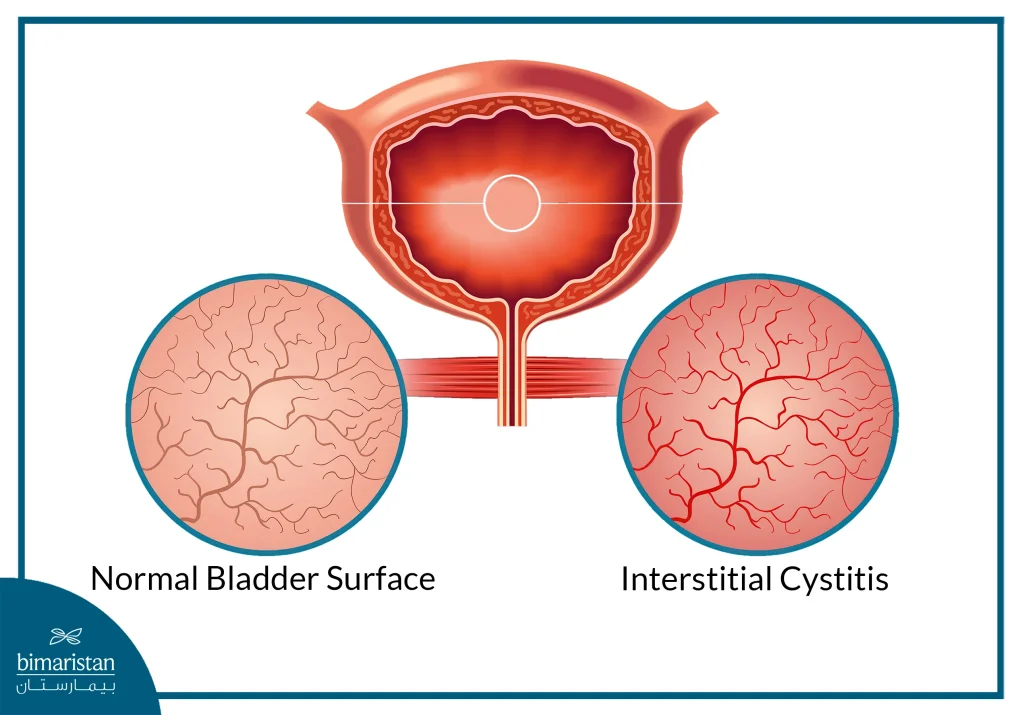
Cystitis is a medical condition characterized by inflammation of the wall of the bladder, the organ that stores urine in the body. Cystitis can be acute or chronic and is often caused by a bacterial infection. Cystitis is a common condition that affects people of all ages and is usually treated with antibiotics and anti-inflammatory medications. Cystitis in women is usually more common than in men
Causes of cystitis
Bladder inflammation can have many causes, which can be summarized as follows:
- Bacterial infection: Bacterial infections, particularly Escherichia coli, are the most common cause of cystitis.
- Environmental factors: Exposure to chemicals, such as those found in personal hygiene products or detergents, may be an important factor in the development of cystitis.
- Genetic factors: Some people may be more susceptible to cystitis because they have a family history of infections.
- Use of medical instruments: Catheters and some other medical instruments can increase the likelihood of infection.
- Dehydration and lack of water: Not drinking enough water can lead to an increase in urine concentration, which increases the risk of infection.
- Other health conditions: Such as diabetes or immune diseases that may lead to a weakened immune system.
Symptoms of cystitis
Cystitis can present with many symptoms, such as:
- Pain in the pelvic area: This pain may be continuous or intermittent.
- Frequent urge to urinate: The patient may feel the urge to urinate even when there are no significant amounts of urine.
- Burning sensation during urination: An uncomfortable feeling during urination.
- Discolored urine: Urine may become cloudy or have a strong odor.
- Fever or chills: In severe infections, the patient may develop a fever and chills.
Impact of cystitis on fertility
Cystitis not only affects the urinary system but can also impact fertility.
- Spread of infection: The spread of infection to the uterus or ovaries can lead to pelvic inflammatory disease, which is one of the leading causes of infertility in women. A study demonstrating the impact of cystitis on fertility showed that women with frequent bladder infections may have lower fertility rates.
- Scarring and damage: The impact of cystitis on fertility can be seen in the scarring of the tissues surrounding the ovaries and uterus, as this scarring may impede the movement of eggs or sperm, reducing the chances of conception.
- The effect of inflammation on hormones: The effect of cystitis on fertility can be seen due to a change in the level of hormones in the body, which may affect the ovulation cycle. Chronic cystitis in women may cause disruptions in the menstrual cycle, which may affect the timing of ovulation and the body’s ability to conceive.
- Anxiety and depression: Chronic pain and anxiety are two ways that cystitis can impact fertility. Emotional stress may contribute to fertility issues by affecting the hormones responsible for ovulation. Additionally, this stress can hinder sexual intercourse, ultimately reducing the chances of conception.
- Egg and sperm quality: Much research shows that cystitis affects fertility by affecting the health of eggs and sperm, which can reduce the chances of conception.
- Antibiotics: The impact of cystitis on fertility may be exacerbated by frequent use of antibiotics and anti-inflammatory medications.
Cystitis treatment methods
Treatment for cystitis depends on the cause and severity of the condition. Here are some of the methods used to treat cystitis:
- Antibiotic therapy: Antibiotics are the first choice of treatment for cystitis if the cause is a bacterial infection. Antibiotics are prescribed for 3 to 7 days, depending on the severity of the infection, and the patient must follow the dosage approved by the doctor even if they feel better before the course ends.
- NSAIDs: NSAIDs such as ibuprofen can be used to relieve pain and inflammation.
- Treatment with herbs and supplements: Some herbs, such as cranberry, may help treat bladder infections, but should be used with caution.
- Dietary supplements: Some supplements, such as probiotics, may help support urinary tract health.
- Lifestyle changes: Drinking adequate amounts of water helps dilute urine and flush bacteria from the bladder. The patient should also avoid irritants such as caffeine, alcohol, and spicy foods that may further irritate the bladder. It is also important to maintain cleanliness in the genital area.
- Physiotherapy: Physical therapy can help with chronic cystitis as it strengthens the pelvic muscles and improves bladder control.
- Surgical procedures: Surgery may be necessary in cases of chronic or severe cystitis to remove damaged tissue or to treat structural issues.
Tips for preventing cystitis
There are some tips to follow to prevent cystitis, such as:
- Increase water intake
- Personal hygiene
- Eating healthy foods
- Avoid irritants such as caffeine and alcohol
- Regular urination: Do not hold back urine and urinate after sexual intercourse.
- Avoid irritating products: such as vaginal douches and scented soaps.
- Suitable clothing: Wear cotton underwear and avoid wearing tight clothing.
Cystitis is a health condition that can greatly impact your quality of life, yet it remains both treatable and preventable through healthy habits. Recognizing the symptoms of cystitis and seeking medical advice is essential for accurate diagnosis and effective treatment. We must also understand the link between cystitis and fertility, as it can seriously influence reproductive health.
Sources: