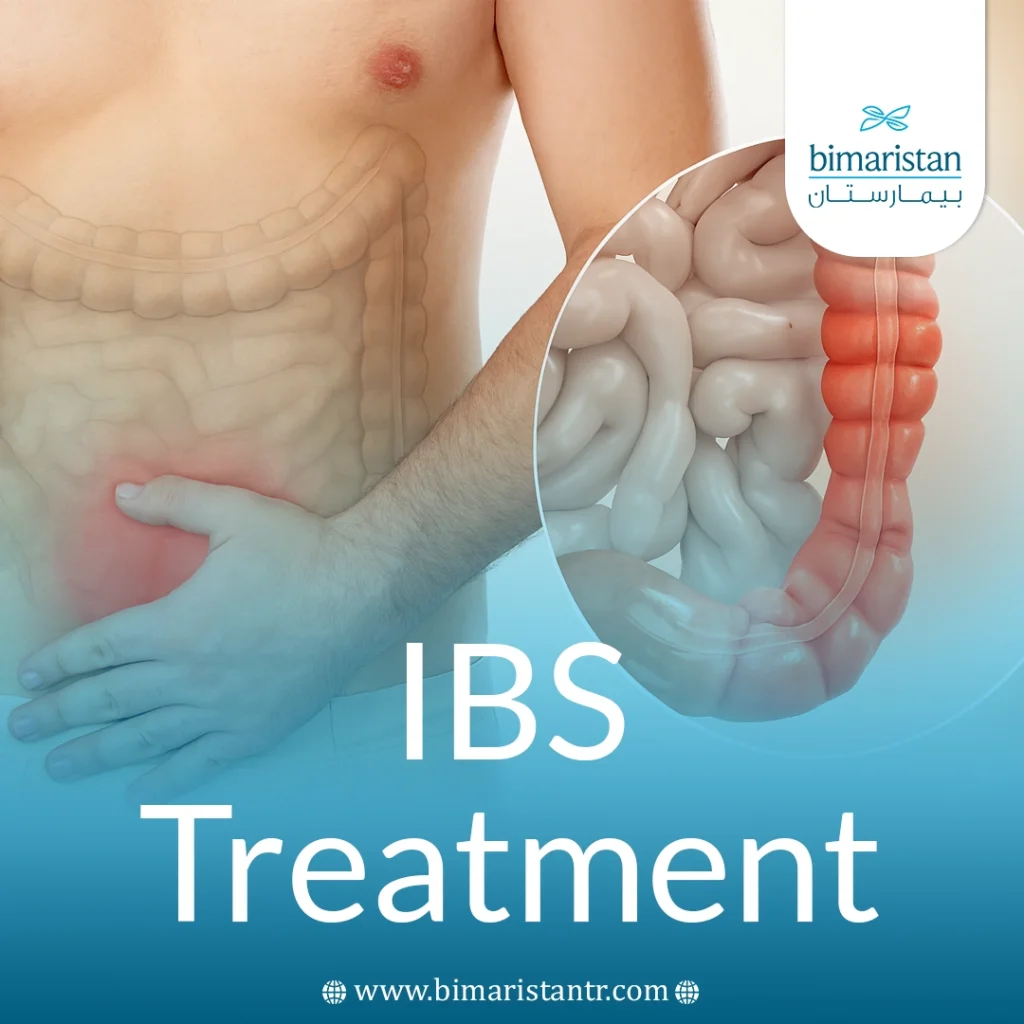

Irritable Bowel Syndrome (IBS) is one of the most sought-after treatments for patients around the world due to its prevalence and significant impact on daily life. Irritable Bowel Syndrome (IBS) is a common functional disorder of the gastrointestinal tract, whose symptoms manifest as recurrent abdominal pain, bloating, and chronic diarrhea or constipation. Studies show that approximately 10-15% of adults suffer from IBS to varying degrees, which has a negative impact on their daily activities and quality of life.
Although IBS is not a serious disease and does not cause life-threatening complications, its unpleasant symptoms lead many to seek the best treatment methods. With medical advancements, Turkey has become one of the top destinations offering comprehensive treatment plans that combine medication, dietary changes, and modern therapies to control IBS symptoms and improve patients’ lives.
What is IBS?
Irritable bowel syndrome (IBS) is a chronic functional disorder of the large intestine that leads to dysfunctional bowel movement and organization. The disorder is characterized by symptoms such as abdominal pain and cramping, bloating, with frequent bouts of diarrhea, constipation, or both. Unlike other organic diseases, IBS does not cause damage to intestinal tissues or serious complications, but is associated with intestinal dysfunction and sensitivity. Knowing these differences helps in developing the most appropriate IBS treatment plan for each case.
The difference between IBS and the normal digestive colon
- Normal or digestive colon: Regularly functioning without chronic symptoms, even with minor digestive disorders.
- Irritable colon: Characterized by its irregular movement, it is quickly affected by stress or diet, leading to frequent and annoying symptoms such as pain, bloating, diarrhea, or constipation.
Read more about IBS in women: Symptoms, Causes, and Treatment
Types of IBS
Doctors divide irritable bowel syndrome (IBS) into several types based on the nature of the patient’s symptoms to help choose the most appropriate IBS treatment. The main types include the following:
- IBS with constipation (IBS-C): Appears as difficulty or lack of bowel movements, with hard stools and symptoms such as bloating and a feeling of not fully emptying.
- Mixed type (IBS-M): Combines alternating episodes of diarrhea and constipation, and is the most common type in patients.
- IBS with diarrhea (IBS-D): Characterized by frequent bouts of watery diarrhea, often accompanied by abdominal pain and bloating.
- Indeterminate type (IBS-U): When the symptoms are unclear and do not fit neatly into the previous types.
Identifying the type of IBS helps the doctor develop the most appropriate and effective IBS treatment plan.
Researchers don’t know the exact cause of irritable bowel syndrome (IBS), but studies categorize it as a neuro-digestive disorder, meaning it is associated with abnormal interaction between the brain and the gut1, known as gut-brain interaction disorders (BDIDs). These disorders affect how the brain coordinates gastrointestinal tract movement, leading to symptoms. Here are the main mechanisms that explain the occurrence of IBS:
- Bowel dysmotility: The muscles of the colon contract more than normal, causing cramping and pain.
- Visceral hypersensitivity: Gastrointestinal nerves are more sensitive to pain, so even minor changes in the bowel can cause discomfort.
Other factors that may play a role in IBS include:
- Imbalance of gut bacteria: Studies have shown that the composition and type of bacteria in the gut of IBS patients are different from those of healthy people.
- Severe infection: Some people are diagnosed with IBS after a severe gastrointestinal infection, suggesting that germs may be a triggering factor.
- Food intolerance: Allergies or partial allergies to certain foods.
- Psychological stress and emotional disturbances: Especially in those who have experienced severe stress or childhood trauma, such as neglect or abuse.
All of these factors combine to explain why IBS is linked to stress, food, and lifestyle, and why dealing with it requires a comprehensive treatment plan.
IBS symptoms
IBS symptoms come in a variety of forms and vary in severity from person to person, but they usually recur at intervals and affect the quality of daily life. Some of the most common symptoms include
- Abdominal pain and cramping: These often improve after having a bowel movement.
- Bloating and gas: As a result of disturbed bowel movements.
- Changes in bowel movements: Frequent diarrhea, chronic constipation, or alternating between the two.
- Non-digestive symptoms: Such as constant fatigue, sleep disturbances, and feelings of anxiety or stress.
- A feeling of not being completely empty after having a bowel movement
These IBS symptoms may worsen after eating certain foods (such as legumes, caffeine, fatty foods) or during times of stress, highlighting the importance of following proper IBS treatment methods.
Diagnosis of IBS
The diagnosis of IBS is mainly based on Rome IV diagnostic criteria, the latest globally recognized protocols for accurately identifying the disease. These criteria focus on recurring clinical symptoms rather than relying on laboratory test results, as IBS is a functional disorder that does not usually show up in conventional tests. The core criteria include:
- A change in bowel habits: This includes more or less frequent bowel movements, or a change in the consistency of the stool.
- Recurrent abdominal pain: Occurs for at least 1 day a week for the last 3 months and is usually associated with bowel movements or a change in bowel movement pattern.
- Symptoms are associated with a long period of time: IBS Symptoms must be present for at least six months prior to final diagnosis to ensure temporary conditions are ruled out.
These criteria help the doctor distinguish between IBS and other organic diseases, determine the type of IBS, and help develop an appropriate IBS treatment plan for each patient, depending on the type and severity of symptoms. Thanks to these criteria, IBS can be diagnosed with high accuracy without the need for complicated tests except in atypical cases.
When should organic causes be ruled out?
If there are unusual symptoms such as sudden weight loss, blood in the stool, or severe pain at night, the doctor will perform additional tests to rule out serious organic diseases such as intestinal infections or tumors. A visit to a gastroenterologist helps confirm an accurate diagnosis, identify the type of IBS, and develop an effective treatment plan. This essential step paves the way for choosing the best IBS treatment methods, whether with medications, dietary changes, or modern therapies.
IBS treatment
IBS symptoms can be controlled and quality of life improved through an integrated treatment plan that includes pharmacotherapy, proper nutrition, and psychological and natural interventions.
Drug therapy
Drug therapy is one of the most essential tools in IBS treatment, especially in patients whose symptoms do not improve sufficiently with lifestyle or dietary modifications. The medication aims to relieve the main symptoms such as cramping, diarrhea, or constipation, as well as control the chronic pain associated with the disease.
- Antispasmodic: Relax the muscles of the colon and reduce spasms, relieving abdominal pain and sudden attacks. They are often used before meals or as needed to minimize discomfort.
- Diarrhea or constipation medications:
- In IBS with diarrhea (IBS-D): Medications such as loperamide, which reduces bowel movements and relieves diarrhea, may be used.
- In the case of IBS with constipation (IBS-C): You may be prescribed gentle laxatives or newer medications such as linaclotide or loperotide, which improve bowel movements and make it easier to pass stool.
- Low-dose antidepressants: Not used here to treat depression, but in small doses, they help modify the way the brain responds to pain, reduce gut hypersensitivity, and improve sleep and mood, reducing the impact of stress on symptoms.
The choice of medication depends on the type of IBS and the patient’s symptoms, so it is important to consult a gastroenterologist to determine the most appropriate treatment plan and adjust dosages.
Nutritional therapy
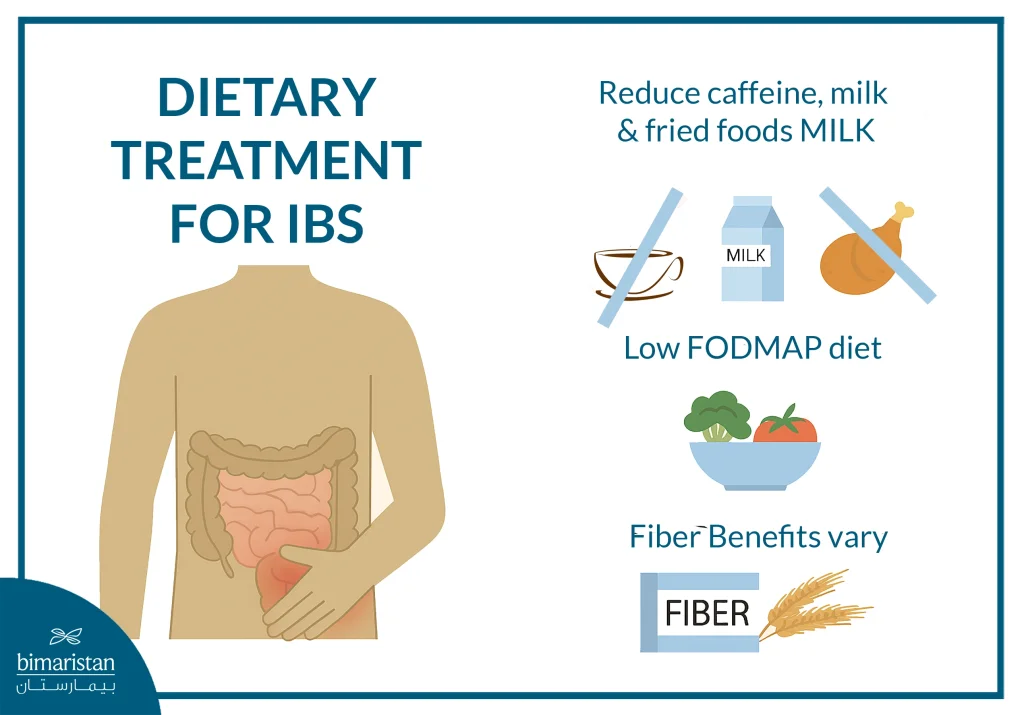
Nutrition plays a key role in IBS treatment, as some foods can relieve symptoms while others trigger issues:
- Reduce caffeine, milk, and fried foods: To desensitize the intestines.
- Low FODMAP: Reduces gas and bloating caused by some sugars.
- The importance of fiber: Depending on the type of IBS, it’s good for constipation and may need to be reduced for diarrhea.
Psychological and behavioral therapy
Since IBS is closely linked to the brain-gut axis, psychological factors play a large role in the severity and intensity of symptoms. Psychological and behavioral therapy is an essential part of the IBS treatment plan, especially in patients with chronic anxiety or stress.
- Cognitive behavioral therapy (CBT): Helps the patient understand the relationship between their thoughts, feelings, and physical symptoms. Through this therapy, the person learns new strategies for dealing with pain and stress, which reduces the severity of symptoms and improves the quality of life.
- Relaxation and deep breathing techniques: These can help lower stress levels, which are one of the main triggers of IBS symptoms. Deep breathing exercises, meditation, or yoga can help calm the nervous system and improve bowel function.
- Medical hypnosis: In some cases, it is used as a treatment option to reduce pain and regulate bowel movements. Studies have shown that hypnosis can relieve chronic symptoms in some patients, especially when conventional methods have failed.
These therapies do not replace medication or diet, but they enhance their effectiveness and are an important step, especially in patients with a clear link between symptoms and stress.
Physical therapy and alternatives
Supportive natural remedies can also be utilized:
- Probiotics: Optimize the balance of beneficial bacteria in the gut.
- Treatment with herbs: Peppermint to reduce cramping and bloating.
- Lifestyle changes: Regular exercise, good sleep, and managing daily stress.
Combining these strategies contributes to the best outcomes for patients and is an essential step in treating IBS in a holistic and sustainable way.
The latest IBS treatment methods
With continued medical advances, new IBS treatment methods have emerged that aim to improve symptom control and quality of life for patients whose condition has not improved with traditional methods.
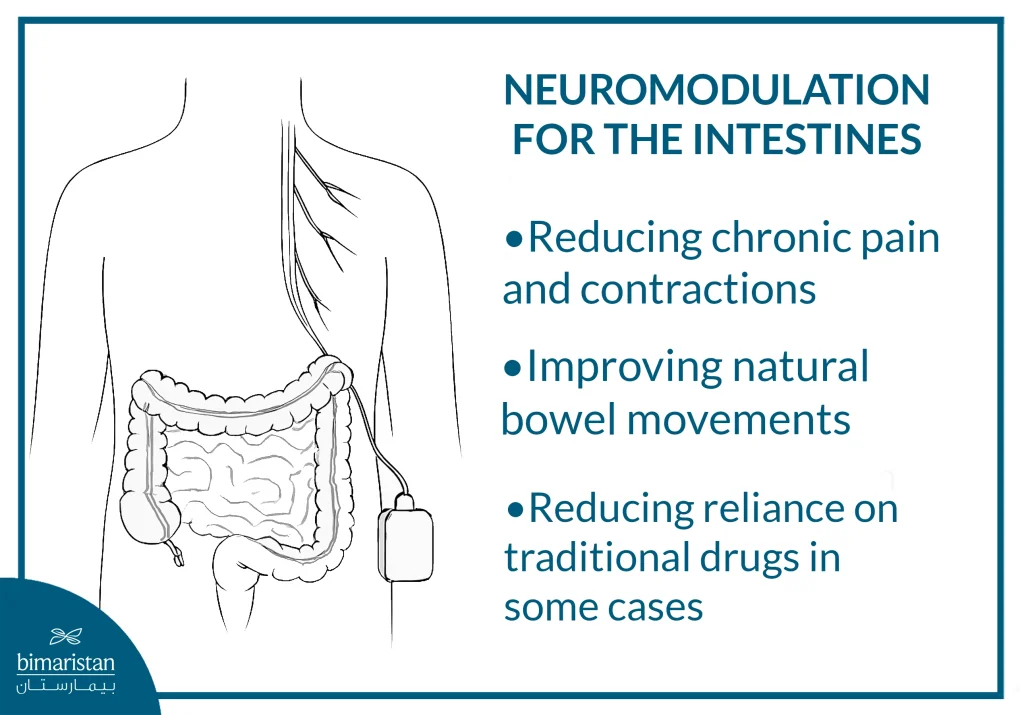
Neural stimulation of the intestines
This technique involves the use of devices to stimulate intestinal or digestive nerves, which helps:
- Reduce cramping and chronic pain
- Optimize normal bowel movements
- Reduce reliance on traditional medications in some cases
Recent studies suggest that some new approaches are effective in treating IBS, including:
- Develop a specialized probiotic that balances intestinal bacteria to relieve bloating, diarrhea, or constipation.
- Using innovative psychotherapies such as online cognitive behavioral therapy programs.
- Studying the impact of subtle dietary changes, including low FODMAP diets customized by IBS type.
These new approaches provide additional options for patients with chronic symptoms and complement traditional pharmacological, nutritional and behavioral therapies, enhancing the chances of more effective IBS treatment.
General tips for controlling IBS
IBS symptoms can be controlled and quality of life improved by following a few simple daily tips:
- Exercise regularly: It helps to improve bowel movements and reduce bloating.
- Identify and avoid trigger foods: Legumes, caffeine, fatty, and spicy foods.
- Regulate meal and sleep times: Eating small, regular meals and getting enough sleep reduces stress and calms the gut.
- Drink adequate amounts of water: It maintains fluid balance and facilitates the movement of stool, especially in chronic constipation.
Following these tips is an important part of your IBS treatment plan and enhances the effectiveness of medications and other interventions.
Is there a cure for IBS?
To date, there is no definitive cure for IBS because it is a chronic disease, but it is possible to control symptoms and significantly improve quality of life. Achieving this requires adherence to a comprehensive treatment plan that includes appropriate medications, proper nutrition, and lifestyle changes. Regular follow-up with your gastroenterologist is essential to adjust treatment as needed and monitor the progression of the condition.
The goal of all these procedures is to control symptoms and manage the syndrome on an ongoing basis, not eliminate it altogether, making IBS management an ongoing process that relies on personalized care and continuous medical follow-up.
When should I see a doctor?
It is important to consult a doctor immediately if you develop worrisome symptoms such as unexplained weight loss, blood in the stool, fever, or severe pain at night. It is also advisable to see a doctor if symptoms persist despite all available treatment methods, be it diarrhea, constipation, or chronic pain. This timely follow-up helps rule out serious organic diseases and ensures that IBS treatment remains safe and effective, while adjusting the treatment plan as needed.
Finally, irritable bowel syndrome (IBS) is a chronic bowel disorder whose symptoms can be effectively managed through a comprehensive treatment plan that includes medication, proper nutrition, behavioral changes, and modern therapies. Although there is no definitive cure for IBS, adherence to medical advice and regular follow-up can significantly improve the quality of life of patients.
For those interested in specialized care, Bimarestan centers in Turkey offer comprehensive treatment programs that combine state-of-the-art medical expertise with individualized plans designed for each case. Visiting these centers allows patients to benefit from the latest IBS treatment methods in a safe and effective manner, with continuous follow-up to ensure the best results.
Sources:
- Yano, J. M., Yu, K., Donaldson, G. P., Shastri, G. G., Ann, P., Ma, L., Nagler, C. R., Ismagilov, R. F., Mazmanian, S. K., & Hsiao, E. Y. (2015). Indigenous bacteria from the gut microbiota regulate host serotonin biosynthesis. Cell, 161(2), 264-276
- Jacobs, J.P., Gupta, A., Bhatt, R.R. et al. Cognitive behavioral therapy for irritable bowel syndrome induces bidirectional alterations in the brain-gut-microbiome axis associated with gastrointestinal symptom improvement. Microbiome 9, 236 (2021)
- Shang X, E FF, Guo KL, Li YF, Zhao HL, Wang Y, Chen N, Chen N, Nian T, Yang CQ, Yang KH, Li XX. Effectiveness and Safety of Probiotics for Patients with Constipation-Predominant Irritable Bowel Syndrome: A Systematic Review and Meta-Analysis of 10 Randomized Controlled Trials. Nutrients. 2022 Jun 15;14(12):2482
- Wilkins, T. (2012, September 1). Diagnosis and management of IBS in adults. American Family Physician, 86(5), 419-426
- So, D. (2024). Innovative concepts in diet therapies in disorders of gut-brain interaction. Journal of Gastroenterology and Hepatology