.floating_btn{ display:none !important; } .println-contact-form-button-element{ display:none !important; }
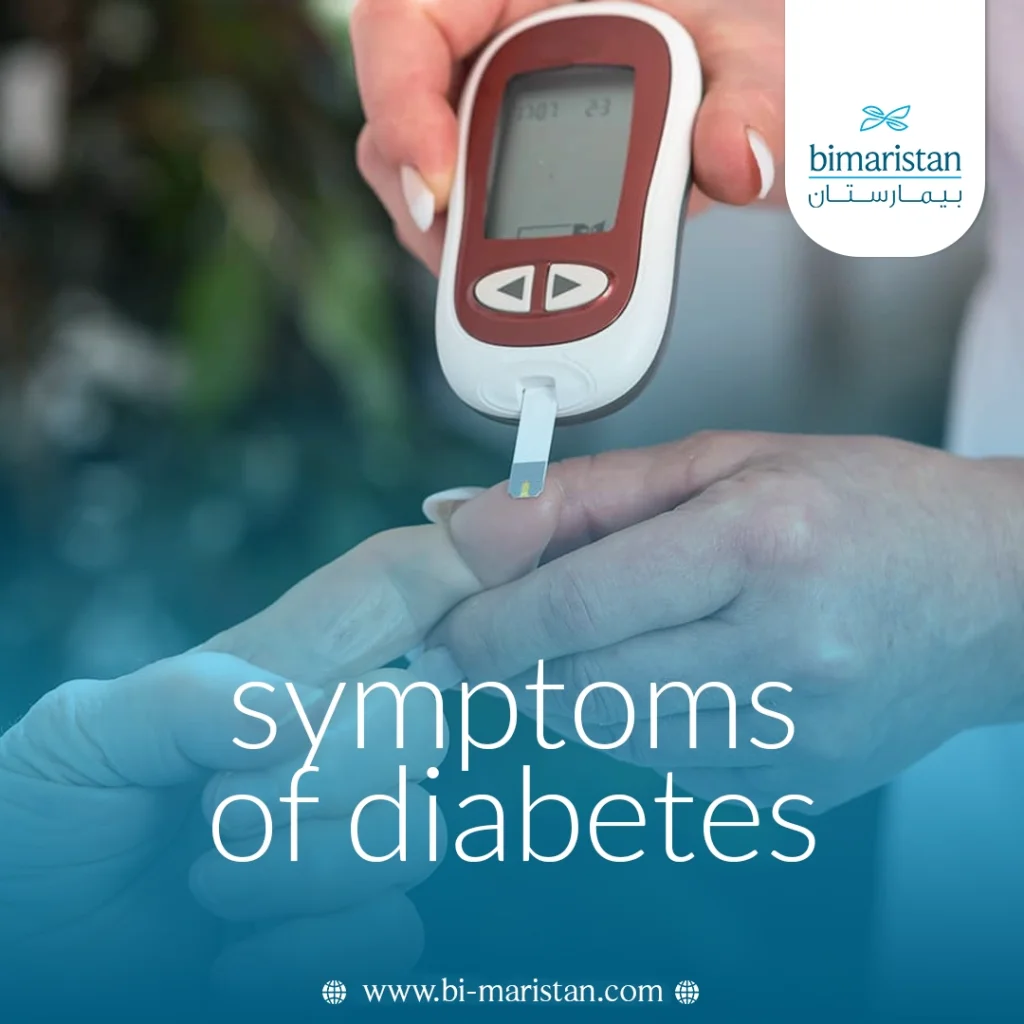
Diabetes is a chronic condition that affects the body’s ability to regulate blood sugar and is categorized into two main types: type 1 and type 2 diabetes. Recognizing the symptoms of diabetes early on is an essential step in preventing serious complications such as heart disease, kidney failure, and neuropathy. In this article, we will review the symptoms in detail, along with their scientific mechanisms and health importance.
What is diabetes?
Diabetes mellitus is a chronic disorder of the body’s sugar metabolism that leads to high blood glucose levels due to a malfunction in the production of insulin or the ability of cells to respond to it. Insulin is the hormone responsible for getting sugar into the cells to generate energy, and when it is deficient or ineffective, sugar builds up in the blood. Diabetes affects most of the body’s organs if uncontrolled, such as the heart, kidneys, nerves, and eyes, but early detection and control of sugar with food and medicine prevent complications and maintain a normal, healthy life. The types of diabetes are divided into:
- Type I: Complete lack of insulin.
- Type II: Insulin resistance.
- Gestational diabetes: Which appears temporarily during pregnancy.
The main symptoms of diabetes in its early stages
Symptoms include:
Excessive thirst and frequent urination
The most obvious symptom of diabetes is constant thirst and frequent urination. The blood becomes more concentrated when the blood sugar level rises, the body tries to get rid of this excess sugar through the kidneys and urine production increases, the loss of fluids makes the person feel very thirsty. The patient drinks large amounts of water throughout the day and has to wake up several times during the night to urinate; this sign is often the first indicator a person notices before any other symptoms.
Persistent fatigue and general weakness
Fatigue and weakness are two of the most common symptoms of diabetes. When the body cannot effectively use sugar to produce energy due to insulin deficiency or cell resistance, the body begins to feel tired even when performing simple daily activities. The patient suffers from:
- Difficulty concentrating or performing daily tasks
- Frequent sleepiness despite adequate sleep
- Reduced ability to do regular exercise
Unexplained weight loss
Some people may notice rapid and unexplained weight loss, which is a symptom of diabetes. When the body cannot use sugar for energy, it begins to break down fat and muscle to compensate for the lack of energy, leading to weight loss even without changing the diet. Weight loss occurs despite an increase or stabilization of appetite, and weight loss is often noticeable within a few weeks. It is important to pay attention to it as it may be the first sign of type 1 diabetes, especially in young people.
Increased appetite
Symptoms of early diabetes include an increased appetite for food. The body senses that energy is not reaching the cells due to insulin deficiency or resistance and sends signals to the body to increase food intake. The patient is advised to:
- Split meals into several small meals throughout the day to avoid extreme hunger
- Eat balanced meals with fiber and protein to reduce sugar spikes
Skin issues and slow wound healing
Various skin issues are one of the symptoms of early diabetes that may be overlooked. The patient may suffer from cracked skin, especially on the feet and hands, constant itching that does not go away with the usual creams, and frequent infections after cuts or scratches. The causes are attributed to:
- Wound healing becomes slow, even for small cuts and bruises
- Skin becomes more prone to dryness and fungal and bacterial infections
- High blood sugar reduces blood flow and weakens the immune system
Problems with vision and blurred vision
Blurred vision is a symptom of diabetes and occurs in both types of diabetes. High sugar changes the fluid level in the lens inside the eye, altering its shape and confusing the process of focusing. The patient may experience brief episodes of blurred or double vision. The issue can worsen if the sugar level is not controlled, leading to complications such as diabetic retinopathy.
Numbness and tingling in the limbs
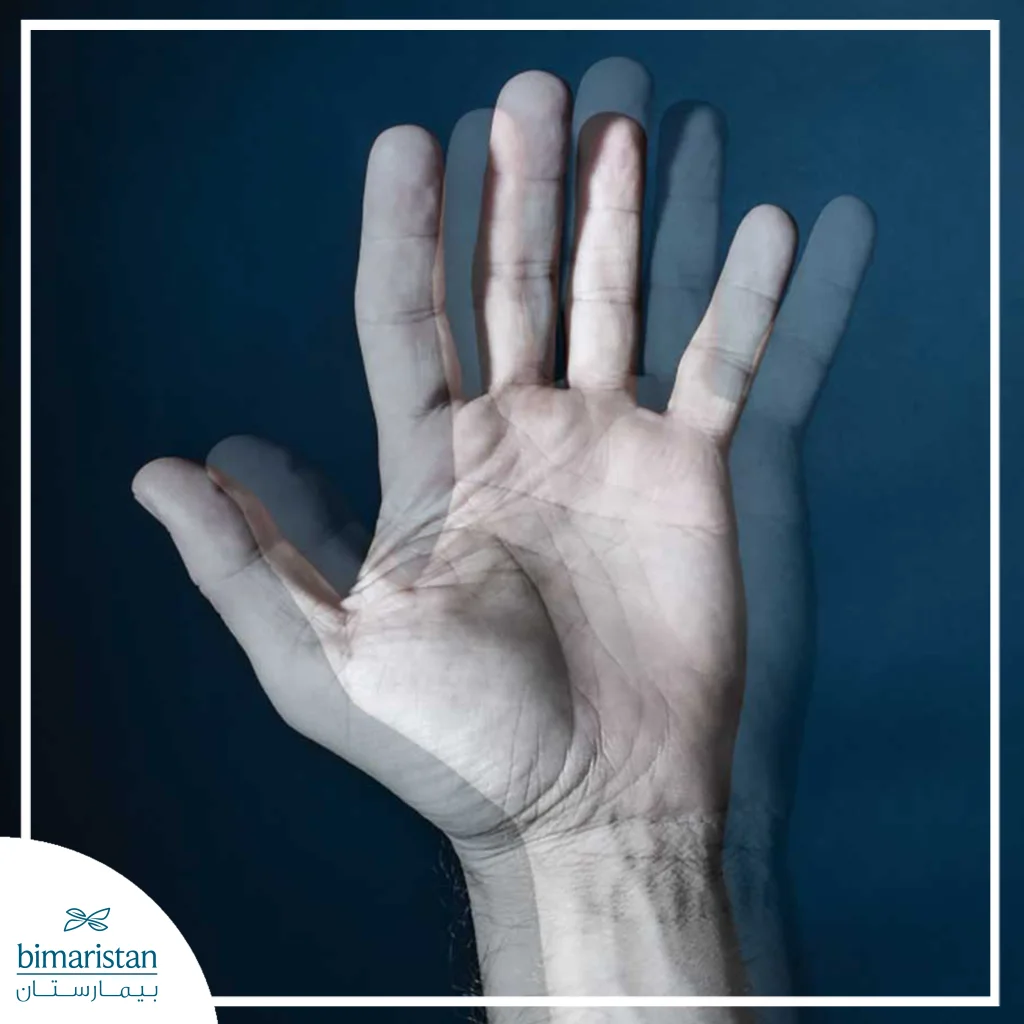
Numbness or tingling in the hands or feet is a symptom of diabetes due to peripheral nerve damage. Chronic hyperglycemia leads to nerve damage (diabetic neuropathy), an early complication that sometimes appears even before the disease is officially diagnosed. The patient is advised to:
- Light exercise to improve blood circulation
- Regularly check your feet and limbs to avoid sores or infections
frequent infections
Frequent skin and bladder infections are symptoms of diabetes. High sugar weakens the body’s immunity and makes bacteria and fungi more able to grow. Patients suffer from frequent bladder infections in women or men and skin infections, especially in moist areas. The need to repeat antibiotic treatment frequently.

Psychological and mood changes
A symptom of diabetes that often goes unrecognized is mood changes and feelings of anxiety or depression. Changing glucose levels affects neurotransmitters in the brain, causing unexplained mood swings. The patient is advised to:
- Monitor sugar levels regularly to minimize mood swings
- Practicing relaxation exercises and sports to improve mental health
Risk factors for diabetes
Knowing the risk factors helps to effectively monitor the symptoms of diabetes:
- Family history of diabetes
- High blood pressure or cholesterol
- Lack of physical activity or an unhealthy lifestyle
- Pregnancy or PCOS in women
- Obesity or excess weight, especially around the abdominal area
Early Diagnosis of Diabetes
Early detection of the symptoms of diabetes in its infancy can be done by:
- Fasting test: Measuring sugar after an 8-hour fast.
- HbA1c test: Gives the average sugar level over 2-3 months.
- Oral glucose tolerance test: To detect pre-diabetes or during pregnancy.
The importance of monitoring and follow-up
There are some tips to help us prevent diabetes, or deal with the symptoms of diabetes in its early stages, such as:
- Regular physical activity to improve insulin sensitivity
- Monitor weight and sugar levels regularly to avoid early complications
- Maintain a healthy, balanced diet low in simple sugars
- See a doctor immediately if any of the symptoms of diabetes appear
Recognizing the symptoms of diabetes early on provides a golden opportunity to prevent serious complications and improve quality of life. Early signs include constant thirst, frequent urination, weight loss, constant fatigue, skin and vision issues, numbness and tingling, and frequent infections. Regular screening, medical follow-up, and lifestyle changes can significantly slow the progression of the disease.
Sources:
- Centers for Disease Control and Prevention. (2024, May 15). Symptoms of Diabetes.
- NHS. (2025, February 10). Symptoms of type 2 diabetes and how it’s diagnosed.
- Health Service Executive. (2024, June 25). Symptoms of type 2 diabetes.
- American Diabetes Association. (n.d.). Warning signs and symptoms: Know when to take action