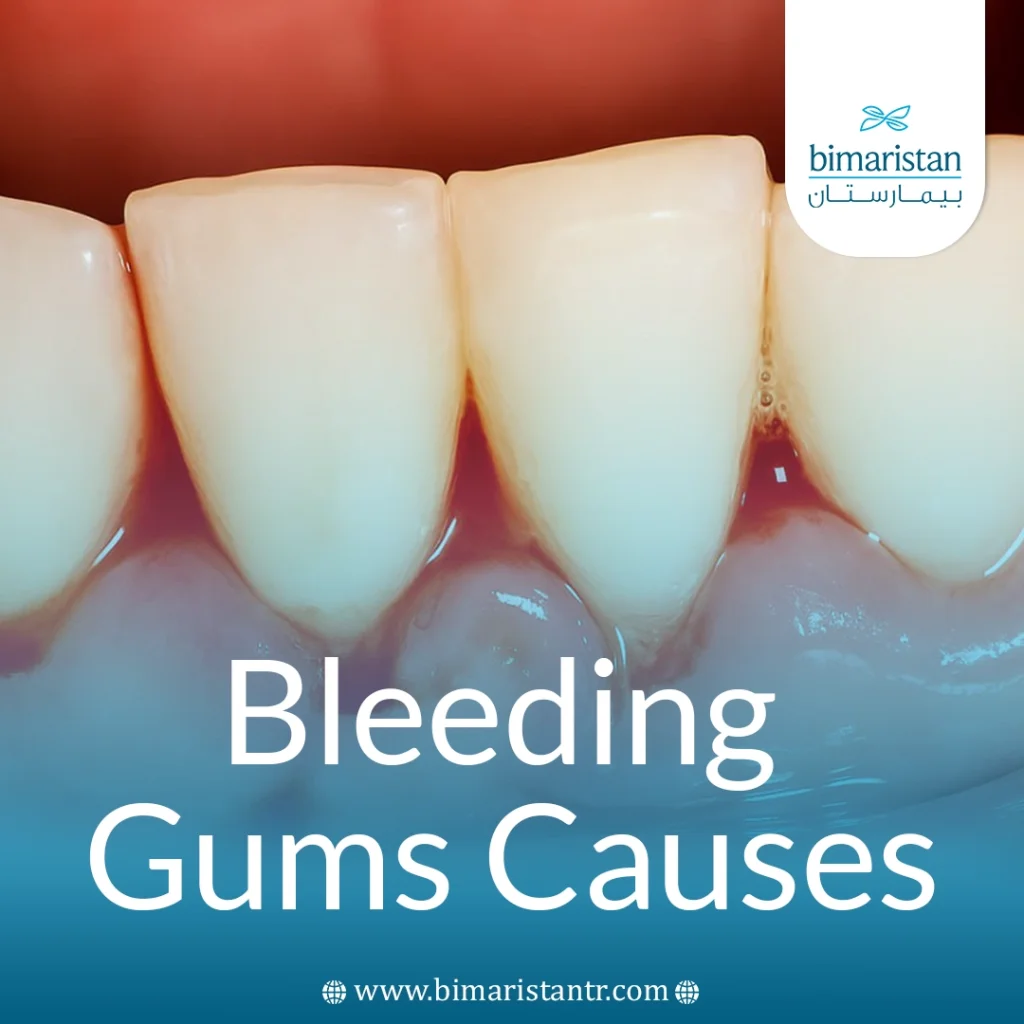
Bleeding gums have a variety of causes and are a common oral issue that individuals may notice while brushing their teeth or eating. This symptom is an indication of a disorder or change in the gum tissue, whether it is simple or caused by more complex factors.
The causes of bleeding gums vary from person to person and may be influenced by factors related to oral care, daily habits, or even general health. Understanding the possible factors behind this issue is the first step towards prevention and maintaining good oral health.
What are bleeding gums?
Bleeding gums are the most important symptom of gingivitis and other forms of gum disease and can also indicate other health issues, including hormonal fluctuations, vitamin deficiencies, blood clotting disorders, and even psychological stress. It is a very common condition, but it is important to see your dentist to have it checked and treated appropriately.
Types of bleeding gums
Healthy gums are pink in color and do not bleed, and bleeding gums are divided into two main types:
- Acute (temporary) bleeding from the gums: In this type, the gums sometimes bleed temporarily and may be caused by eating hot, hard, or sharp foods, excessive brushing, or using a hard brush, which may irritate the gums to the point of bleeding. In this case, the issue is referred to as mechanical or friction, which does not indicate a disease and often disappears within a few days without complications.
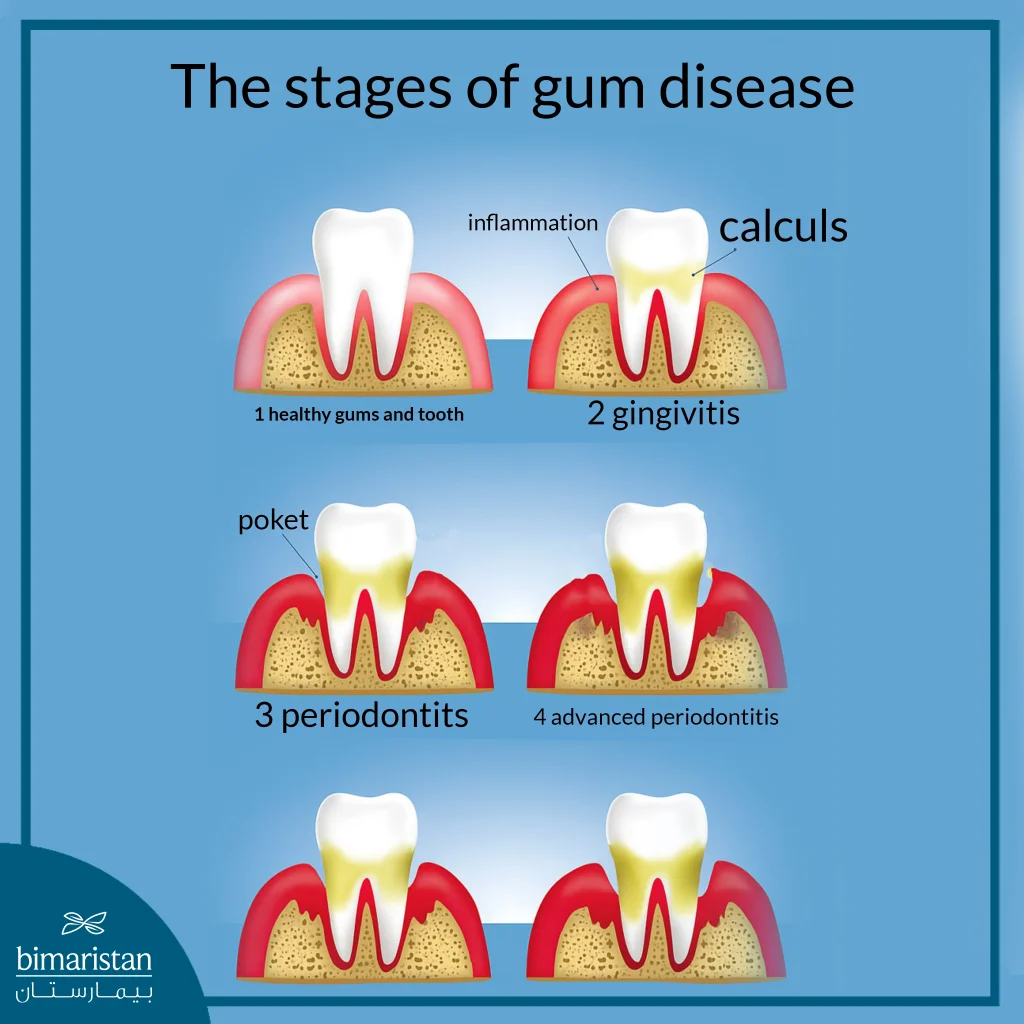
- Frequent or chronic bleeding from the gums: When bleeding occurs regularly, the cause is usually gingivitis or inflammation of the gum tissue. This often occurs when plaque is not effectively removed during cleaning, weakening the supporting tissues of the teeth. Thus, the slightest friction or pressure can cause bleeding. If left untreated, gingivitis can progress to periodontitis and eventually lead to tooth loosening or loss.
What are the symptoms of bleeding gums?
Some of the common symptoms of bleeding gums include the following:
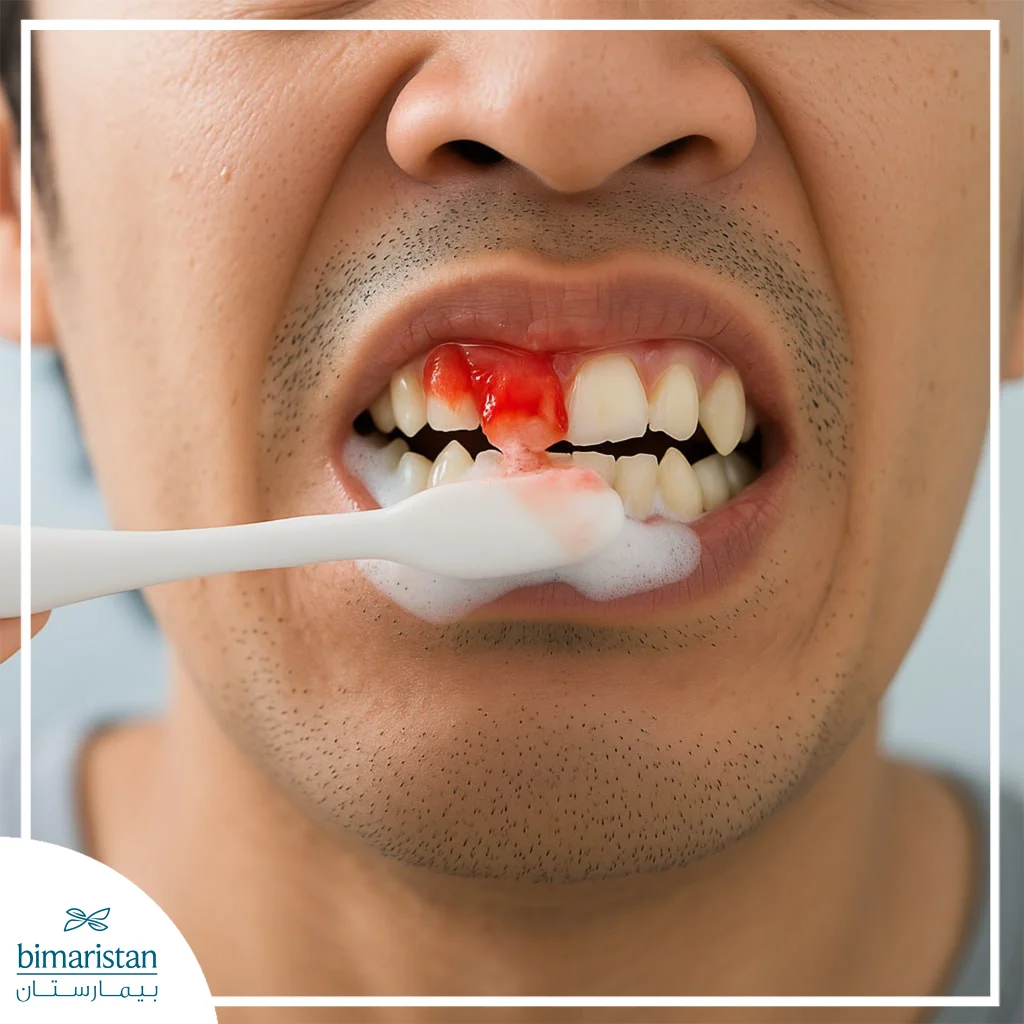
- Bleeding gums when brushing or flossing
- Red and swollen gums, especially at the edges of the teeth
- Feeling of tooth instability in advanced cases
- Pain or sensitivity in the gums when touching or chewing
- Persistent bad breath
What are the causes of bleeding gums?
The causes of bleeding gums are many and varied, including:
Periodontal disease
When bleeding gums occur, it may be a sign of advanced gum disease (periodontitis). Teeth may begin to move or shift, and you may experience:
- Bad breath
- Unpleasant taste in the mouth
- Red, swollen, painful gums
- A change in the way the teeth close when biting
- If left untreated, gum disease can eventually lead to tooth loss
Diabetes
Bleeding or swollen gums can be a warning sign of type 1 or type 2 diabetes. When you have diabetes, your mouth’s ability to fight germs becomes weaker, increasing the risk of infections such as gum disease. High blood sugar levels also make the body heal more slowly, leading to the worsening of gum disease over time.
Leukemia
Bleeding gums can be a symptom of leukemia. Platelets are what help the body stop bleeding, and when you have leukemia, your platelet count is low, making it easy to bleed in different parts of the body, including the gums.
Thrombocytopenia
If your gums continue to bleed after brushing and don’t stop on their own, the cause is platelet deficiency. In this case, the body does not have enough platelets to form a blood clot, leading to excessive bleeding in multiple places, including the gums.
Hemophilia (von Willebrand)
If you have bleeding gums or heavy bleeding after a minor cut or dental treatment, the cause may be a blood-clotting disorder such as hemophilia or von Willebrand disease. In these conditions, the blood does not clot normally, making the gums more prone to bleeding, which is a common cause of bleeding gums in many patients.
Vitamin C deficiency
Vitamin C helps the body grow and regenerate tissues, heal wounds, and strengthen bones and teeth. If the body is deficient in this vitamin, a feeling of weakness and nervousness occurs, and over time, swollen and bleeding gums may appear.
scurvy
A rare condition caused by a severe vitamin C deficiency due to malnutrition that causes general weakness, anemia, and bleeding under the skin, bleeding gums are one of the hallmarks of scurvy.
Vitamin K deficiency
If a patient notices frequent bleeding from the gums, it could be due to a lack of vitamin K, the vitamin responsible for normal blood clotting and bone strength. When the body doesn’t get enough of it or doesn’t absorb it well, bleeding issues can arise.
Brushing too hard
While brushing teeth, brushing may occur with excessive force, but you should know that the gums are sensitive tissue, and wrong brushing can hurt and damage them whether a manual or electric brush is used, the brush must be carefully selected with soft nylon bristles with rounded ends, because even if there are brushes with medium or coarse bristles, they may damage the enamel of the teeth or cause redness and swelling of the gums.
With medium or coarse bristles, they may damage tooth enamel or cause redness and swelling in the gums. When brushing teeth, use gentle circular motions to massage and clean the gums, and avoid horizontal movements (back and forth) as they may irritate the gums and make them more prone to bleeding. We all know the importance of flossing daily to remove plaque from areas that your toothbrush can’t reach.
Blood-thinning medications
Blood-thinning medications weaken the blood’s ability to clot, making it easier to bleed, and can pose a risk during dental procedures that cause bleeding, such as:
- Tooth extraction
- Deep cleaning
- Dental implants
Pregnancy
About half of pregnant women experience swollen, red, and sensitive gums, with bleeding while brushing or flossing. This happens due to hormonal changes during pregnancy that affect the body’s response to bacteria that cause gum disease. To prevent this, you should pay attention to oral hygiene by brushing your teeth twice a day with fluoride toothpaste and flossing daily.
Wearing ill-fitting dentures
Improperly fitting dentures can lead to bleeding gums if they cause scratches or sores in the gum tissue, and not removing the dentures at night increases the risk of bleeding. It is also important to clean teeth and dentures daily to prevent plaque buildup and gingivitis.
Chemotherapy
Chemotherapy can lead to a host of uncomfortable side effects, including swollen, painful, and bleeding gums, and many people undergoing cancer treatment suffer from stomatitis, a condition that causes painful sores on the gums and throughout the mouth.

Tobacco products
Using cigarettes and other tobacco products can be very harmful to your gums. People who smoke are much more likely to develop gum disease, and you may notice that your smoking habit is causing you many gum issues, such as sensitive gums that bleed easily or painful sores.
Hormones
Some women notice gum issues during puberty, menstruation, pregnancy, or menopause. In puberty, rising hormones increase blood flow to the gums, making them red, swollen, and sensitive. In menstrual gingivitis, the gums become red, swollen, and more prone to bleeding just before the cycle starts, and often improve after it begins.
Gingivitis during pregnancy usually begins in the second or third month of pregnancy and lasts until the eighth month, causing pain, swelling, and bleeding in the gums. Oral contraceptive use can cause similar gum issues. In rare cases, some menopausal women may notice that their gums become very dry, painful and bleed easily
Causes of bleeding gums in children
The causes of bleeding gums in children are related to many factors:
- Hormonal changes during puberty: During puberty, hormonal changes lead to increased blood flow to the gums, making them more sensitive, swollen, and easily bleeding, usually improving with good oral care such as regular brushing and flossing.
- Oral injuries and trauma: Accidental cheek biting or injury during play or sports can lead to bleeding in the gums or inside the mouth. Because gum tissue is rich in blood vessels, bleeding can occur even from minor cuts or scratches.
- Early-stage gum disease: If plaque is not removed regularly through brushing and flossing, it turns into hardened tartar (calculus), making the gums swollen, sensitive, and easily bleeding.
- Aggressive brushing or using a hard brush: Many children think that applying too much pressure while brushing makes teeth cleaner, but the opposite is true.
- Irregular flossing: If your child has recently started flossing or is not flossing regularly, you may notice bleeding gums.
- Lack of vitamins: If your child’s diet lacks these vitamins, this could be one of the causes of the bleeding.
Treatment and care for bleeding gums
Tips for daily oral care:
- Some mouthwashes contain alcohol, so you should consult your doctor before using them
- Floss twice a day to prevent plaque buildup that can turn into hard tartar (calculus)
- Gently brush your teeth with a soft-bristled brush at least twice a day, preferably after every meal
- Lifestyle and nutrition: Eat a balanced and healthy diet, avoid snacking between meals, and minimize carbohydrates
- Visit your dentist at least once every 6 months to remove plaque, and follow your dentist’s instructions for home care
- Your doctor may recommend rinsing with saline or a solution of water and oxygen (hydrogen peroxide), or using a mouthwash designed to treat gingivitis
Additional tips to help minimize the causes of bleeding gums
- Use an oral irrigator on a low setting to massage your gums
- Perform a periodontal examination (periodontal disease screening)
- If you are diagnosed with a vitamin deficiency, take the recommended vitamin supplements
- Stop bleeding gums by placing a gauze pad soaked in cold water or ice directly on the bleeding area
- Avoid using tobacco, as it increases bleeding gums and can mask other issues that cause bleeding
- See your dentist if your dentures or prosthodontics don’t fit well or cause sores in your gums
- If certain medications cause bleeding gums as a side effect, consult your doctor to switch them, and no medication should be changed without consultation
Preventing bleeding gums
There are several steps you can take to prevent gum disease and bleeding gums: Gum disease is caused by plaque buildup on the teeth If plaque is not removed from the teeth by regular brushing and cleaning between the teeth, it will build up and cause irritation and inflammation of the gums. Here’s what you should do:.
- Replace your toothbrush every 1 to 3 months
- Brush with a fluoride toothpaste at least twice a day
- Spit out the paste after cleaning, and do not rinse with water immediately afterward
- Clean between the teeth daily using dental floss or an interdental brush
- Smoking increases the risk of gum disease and causes bleeding gums, and delays the healing process
- Do not use mouthwash immediately after brushing your teeth, as this can remove the fluoride that protects your teeth
- Visit your dentist and dental hygienist regularly, especially if you are pregnant or have type 2 diabetes
- When the symptoms and causes of bleeding gums persist or recur without a clear explanation, it is wise to consult a specialist before the situation worsens. Bimaristan Medical Center is an ideal place for specialized diagnosis and integrated treatments that combine a comprehensive examination and oral care. Adopting this course of treatment gives the patient a chance to restore the health of the gums and teeth and minimize the potential health risks associated with chronic oral infections.
Sources: