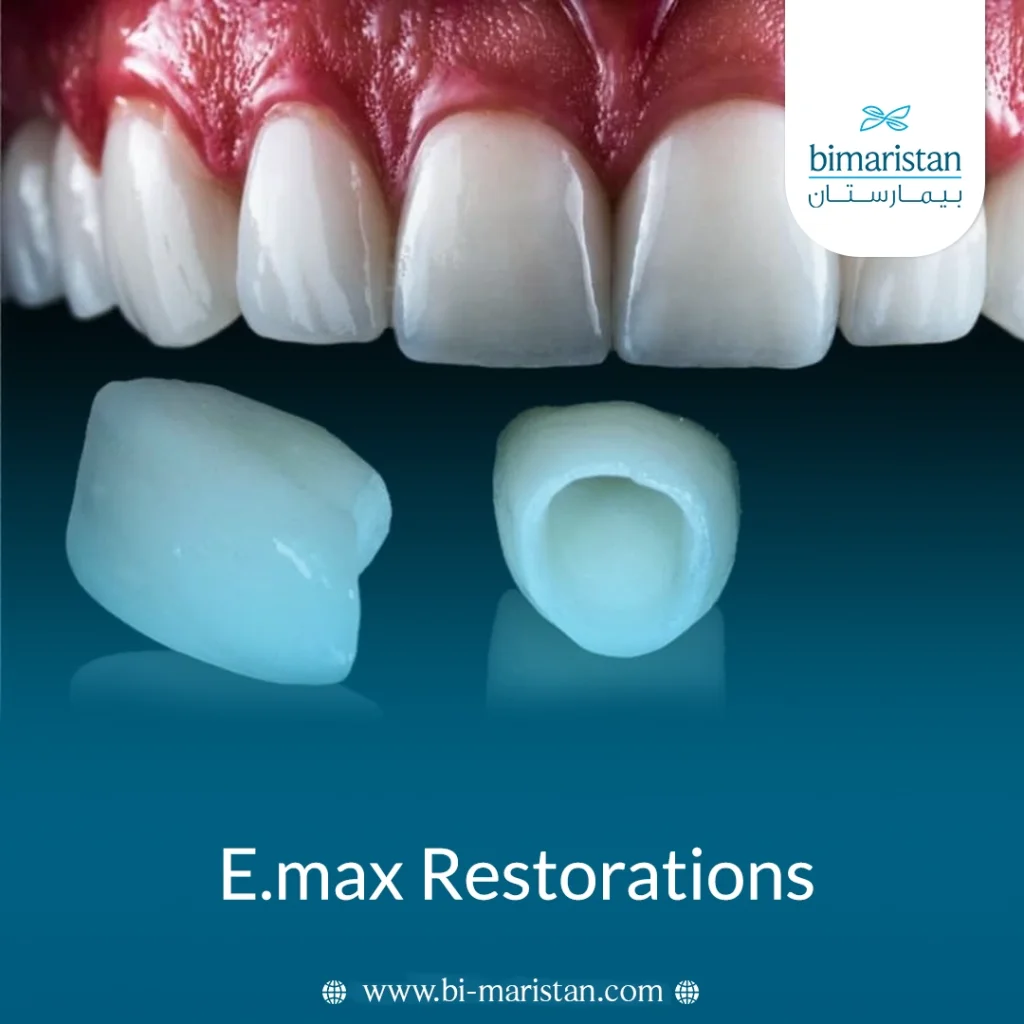
A Hollywood smile and naturally aligned teeth have become among the most sought-after goals worldwide; it is no longer just about improving one’s appearance, but also about boosting self-confidence and enhancing quality of life. With significant advancements in cosmetic dentistry in recent years, advanced ceramic materials have emerged that combine high strength with a natural appearance. Among the most notable are E-max restorations, which have revolutionized dental restorations.
Today, Turkey is one of the world’s leading destinations for cosmetic dentistry, attracting thousands of patients annually thanks to experienced dentists, the latest digital technologies, and lower treatment costs than in many European countries. E-max restorations rank among the most sought-after treatments in Turkish clinics because of their exceptional aesthetic results and long-lasting durability.
What are the E-max restorations?
E-max restorations are an advanced type of all-ceramic restoration made from lithium disilicate, a material known for high mechanical strength and translucency close to that of natural teeth. This material was specifically developed to achieve an ideal balance between:
- Durability
- Aesthetic appeal
- Resistance to stains
- Biocompatibility with the gums
- Preserving as much of the tooth’s structure as possible
For this reason, E-max has become one of the most widely used materials in modern cosmetic and restorative dentistry.
What are E-max restorations made of?
It consists of microscopic crystals of lithium disilicate dispersed within a glass-ceramic material, giving it unique properties that are hard to find in many other materials. This composition is characterized by:
| Feature | Description |
|---|---|
| Power | It efficiently withstands daily chewing forces |
| Transparency | They closely resemble natural teeth |
| Color | Constant and unchanging over time |
| Biocompatibility | Does not irritate the gums |
| Accuracy | They can be manufactured using modern CAD/CAM technologies |
Why do dentists prefer E-max restorations?
Many dentists prefer E-max restorations because they achieve a balance that is difficult to attain with many other materials; they combine strength and beauty. They are also characterized by the following:
- Reflects light similarly to natural teeth
- Delivers excellent aesthetic results, especially for front teeth
- Contains no metal that could cause a dark line to appear at the gumline
- Requires less tooth reduction compared to some other restorations
- Highly resistant to staining from coffee, tea, and smoking
Uses of E-max restorations
It can be used in a variety of therapeutic and cosmetic applications, the most notable of which include:
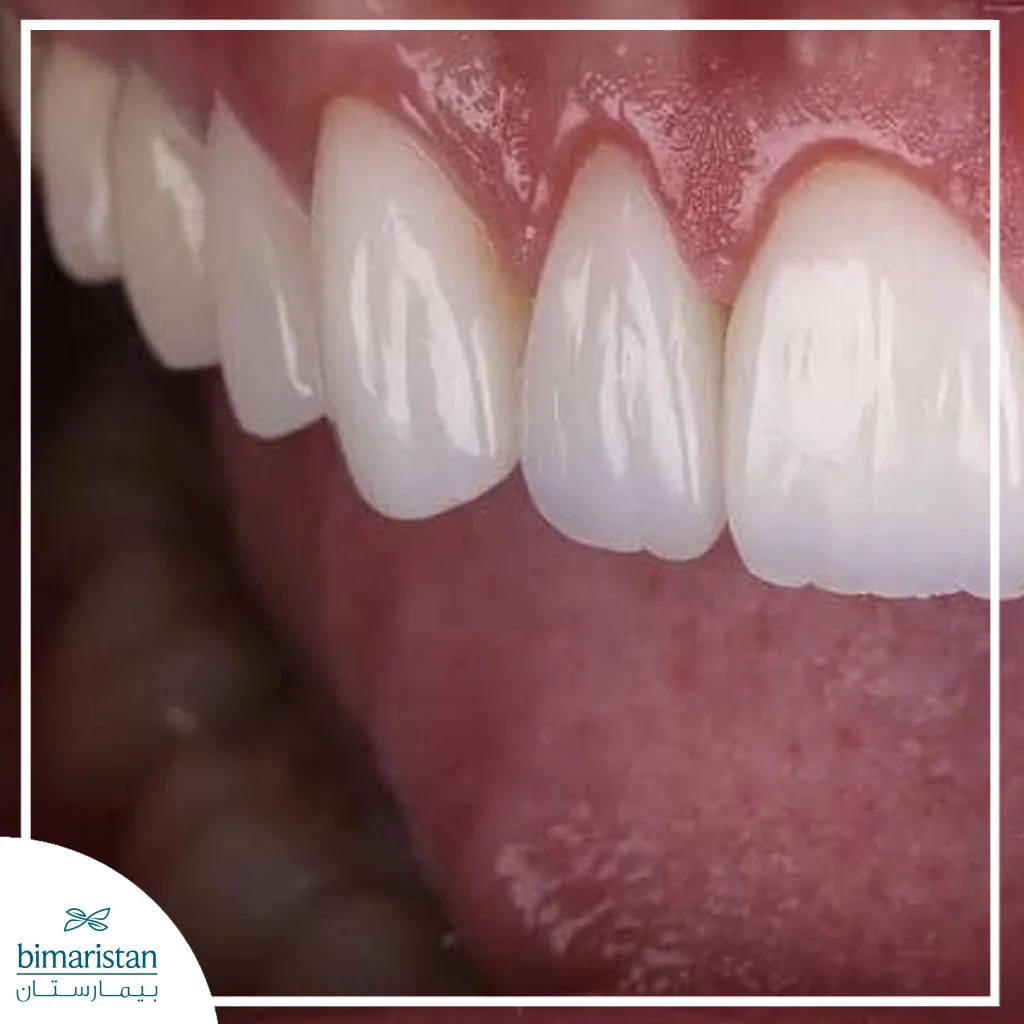
- Veneers: Considered one of the best materials for creating porcelain veneers due to their high translucency.
- Dental crowns: Used to cover teeth that are weak, cracked, or have undergone root canal treatment.
- Restoration of fractured teeth: Helps restore the natural shape of teeth following fractures or wear.
- Inlays and Onlays: Used as an advanced alternative to large fillings when a tooth requires a restoration that is both strong and aesthetically pleasing.
- Short-span bridges: Can be used for certain short-span bridges, subject to the dentist’s assessment, particularly in areas subject to limited biting force.
Features of E-max restorations
There are many reasons why it has become the first choice for many patients and doctors, including:
- Excellent compatibility with the gums: It does not cause inflammation or discoloration, as may occur with some metal-based formulations.
- Manufacturing precision: It can be manufactured using CAD/CAM digital design systems, which ensure high precision and an excellent fit on the tooth.
- High fracture resistance: Despite its delicate appearance, it has high compressive strength, making it suitable for most anterior and posterior teeth in carefully selected cases.
- Extremely natural appearance: E-max has a level of translucency that lets light pass through like natural teeth, making it difficult to distinguish from natural teeth.
- Preservation of tooth structure: The dentist often needs to remove less of the tooth compared to some other types of crowns, which helps preserve healthy tooth structure.
- Color fastness: Not easily affected by colored foods and beverages such as:
- Smoking
- Coffee
- Tea
- Wine
- Colorful juices
Key benefits of E-max
- Biocompatible
- Metal-free
- Color-stable for years
- Stain-resistant
- Good fracture resistance
- Natural aesthetic appearance
- Does not cause gum darkening
- Smooth surface reduces plaque accumulation
- Suitable for anterior dental aesthetics
- Long lifespan with proper care
Disadvantages of E-max restorations
Despite its many advantages, it is not the ideal choice in all cases, and its most notable drawbacks include:
| Disadvantage | Explanation |
|---|---|
| Cost | Often higher than metal or conventional porcelain restorations |
| The need for an experienced doctor | They require careful preparation and advanced bonding techniques |
| Not suitable for all cases | It may not be the best choice for long-span bridges or cases of severe teeth grinding |
| Risk of fracture | May fracture when exposed to excessive pressure or strong impact |
A Comparison of E-max and zirconia restorations
Patients are often unsure when choosing the appropriate restoration type, as both offer high quality and excellent results, yet each has distinct characteristics that set it apart from the other.
| Comparison Aspect | E-max restorations | Zirconia restorations |
|---|---|---|
| Material | Lithium disilicate | Zirconium oxide |
| Aesthetics | Excellent | Very good |
| Transparency | Very high, natural‑looking | Lower transparency |
| Strength | High | Very high |
| Fracture Resistance | Excellent | Higher than E-max |
| Front Teeth | Best option | Good |
| Back Teeth | Suitable in most cases | Best for high‑pressure cases |
| Gum Compatibility | Excellent | Excellent |
| Opacity Risk | Very low | May appear more opaque |
| Cost | Relatively high | Similar or higher |
When does the doctor recommend E-max?
Dentists prefer to use E-max in the following cases:
- Front teeth
- Incisors and canines
- Cosmetic smiles
- Veneers and porcelain Crowns
- Patients who care about their natural appearance
When is zirconia the better choice?
Zirconia may be the best choice when:
- Long-span bridges
- Masticatory forces are very high
- The patient suffers from teeth grinding (bruxism)
- The posterior teeth need to withstand significant pressure
Who are the candidates for E-max restorations?
E-max restorations suit a wide range of patients, especially those who want to combine aesthetics with function. Among the most common suitable cases are:
- Eroded teeth
- Cracked teeth
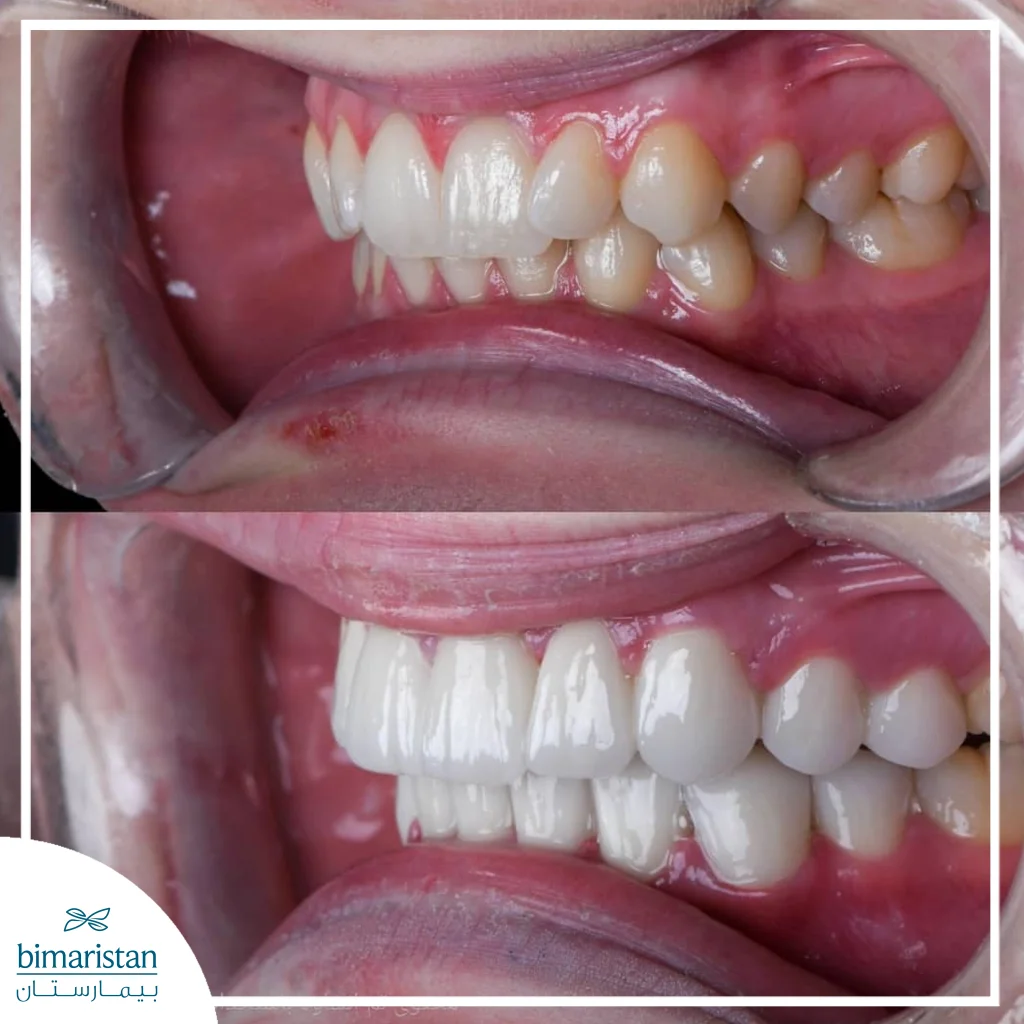
- Hollywood smile
- Broken teeth
- Filling in simple gaps
- Teeth after root canal treatment
- Improving the appearance of misaligned teeth
- Stained teeth that do not respond to whitening
When are E-max restorations not the best choice?
Despite its significant benefits, there are some cases in which a doctor may recommend other options, such as:
- Severe poor oral hygiene
- Untreated severe tooth grinding (bruxism)
- Long-span bridges in the posterior regions
- Loss of a significant amount of tooth structure without adequate support
- Patients who habitually clench their teeth
The final decision will depend on the clinical examination, imaging results, and the treatment plan prescribed by the doctor.
Steps for placing E-max restorations
The E-max installation process involves several precise steps to ensure the best results, including:
1. Examination and evaluation
The doctor does the following:
- Occlusion assessment
- Examination of teeth and gums
- Taking radiographs
- Discussing patient expectations
2. Preparing the tooth
The dentist removes a thin layer of tooth to match the restoration thickness while preserving as much tooth structure as possible.
3. Taking the impression
The impression can be taken using one of two methods:
- Conventional impressions
- Digital intraoral scanning
Digital technology has become the preferred choice in many modern clinics because of the accuracy, speed, and patient comfort it offers.
4. Designing the restoration
The crown or veneer is designed using CAD/CAM software, which allows for highly accurate simulation of the natural shape of the teeth.
5. E-max manufacturing
The lab produces the composition using digital milling machines, then colors and glazes it to achieve a natural appearance.
6. The Try-in
Before the final placement, the doctor makes sure to:
- Color
- Closure
- Edges
- Patient satisfaction with the outcome
- Compatibility with adjacent teeth
7. Final cementation
The restoration is bonded using a special resin cement that provides high adhesion strength and long‑term stability.
How long do E-max restorations last?
The lifespan of E-max restorations depends on several factors, including fabrication quality, restoration precision, and daily care. On average, they last between 10 and 15 years, and may last more than 20 years if:
- Gum health was good
- The patient maintained good oral hygiene
- The patient visited the dentist regularly
- The patient avoided harmful habits, such as biting on hard objects
Factors affecting the expected lifespan
There are several factors that affect the lifespan of E-max restorations, including:
| Factor | Effect |
|---|---|
| Material quality | Increases durability and fracture resistance |
| Dentist’s expertise | Influences accuracy of preparation and cementation |
| Laboratory skill | Determines fabrication quality and fit |
| Oral hygiene | Reduces risk of decay and gum disease |
| Teeth grinding | May increase the risk of fracture |
| Regular follow‑Up | Helps detect problems early |
The cost of E-max restorations
The cost of E-max restorations varies by country depending on several factors, such as the dentist’s experience, the quality of the laboratory, the number of teeth being treated, and the techniques used. The following is an approximate comparison of the cost of a single E-max crown:
| The State | Average price per crown |
|---|---|
| Turkey | $200–$450 |
| Germany | $700–$1,200 |
| United Kingdom | $700–$1,300 |
| The United States | $900–$2,000 |
Turkey is one of the most attractive destinations for international patients, thanks to a combination of high quality and competitive costs, as well as specialized centers that use the latest digital technologies to design and fabricate dental restorations.
How to care for E-max restorations
To maintain the appearance and function of E-max restorations for as long as possible, the following is recommended:
- Use a soft-bristled toothbrush
- Avoid biting on ice or hard objects
- Wear a night guard if you grind your teeth
- Clean between teeth using dental floss or interdental brushes
- Limit harmful oral habits, such as using your teeth to open packages
- Brush your teeth twice daily with fluoride toothpaste
- Visit the dentist every six months for a check-up and professional cleaning
Tips before choosing E-max restorations
Before deciding to have an E-max restoration, it is important to discuss all treatment options with your dentist, because the success of the treatment depends not only on the type of material, but also on an accurate diagnosis, the dentist’s expertise, and the quality of the laboratory. Here are the most important tips to help you achieve the best results:
- Requesting to see cases similar to yours before starting treatment
- Committing to follow-up appointments after treatment is completed
- Avoiding reliance solely on price when choosing a clinic
- Ensuring the use of genuine, certified E-max material
- Selecting a dentist experienced in cosmetic restorations
- Maintaining gum health prior to the placement of crowns or veneers
Common mistakes that shorten the lifespan of E-max restorations
Certain daily habits may shorten the lifespan of E-max restorations, including:
- Biting on pens or ice
- Opening packages with your teeth
- Neglecting to brush your teeth
- Not using dental floss
- Ignoring the treatment for teeth grinding
- Frequently eating very hard foods
- Delaying a visit to the dentist when experiencing any problem
E-max restorations represent one of the most significant innovations in modern cosmetic dentistry, combining a natural appearance, durability, and high precision, making them an ideal choice for patients seeking both a beautiful smile and stable oral function. With the right diagnosis, a dentist’s expertise, and a commitment to daily care, these restorations can last for many years while maintaining their beauty and effectiveness.
Turkey has become a leader in E-max restorations, thanks to its adoption of the latest digital technologies, experienced dentists, and state-of-the-art laboratories, along with competitive costs compared to many European and American countries. As a result, thousands of patients visit Turkey each year for advanced care and high-quality cosmetic results, making it a premier destination for those seeking a natural smile that combines beauty and durability.
Sources:
- AlMashaan, A., & Aldakheel, A. (2023). Survival of full-coverage, tooth-retained fixed lithium disilicate prostheses: A systematic review. Medicina, 59(1), 95.
- Benli, M., Turkyilmaz, I., Martinez, J. L., & Schwartz, S. (2022). Clinical performance of lithium disilicate and zirconia CAD/CAM crowns using digital impressions: A systematic review. Primary Dental Journal, 11(4), 71–76.
- American Dental Association. (August 8, 2024). Home oral care.