Turkey is witnessing rapid progress in adopting robotic spinal surgery, prompting many to explore the robotic disc surgery cost in Turkey compared with other countries. Global statistics indicate that more than 1.6 million patients undergo spinal operations annually, and reliance on robotic systems has increased by over 25% in recent years. This advancement has contributed to higher success rates and fewer complications, positioning Turkey as a leading destination for precision spine surgery. This modern approach stands out as an option that balances accuracy with minimal surgical invasiveness.
What is robotic disc surgery, and how does it work?
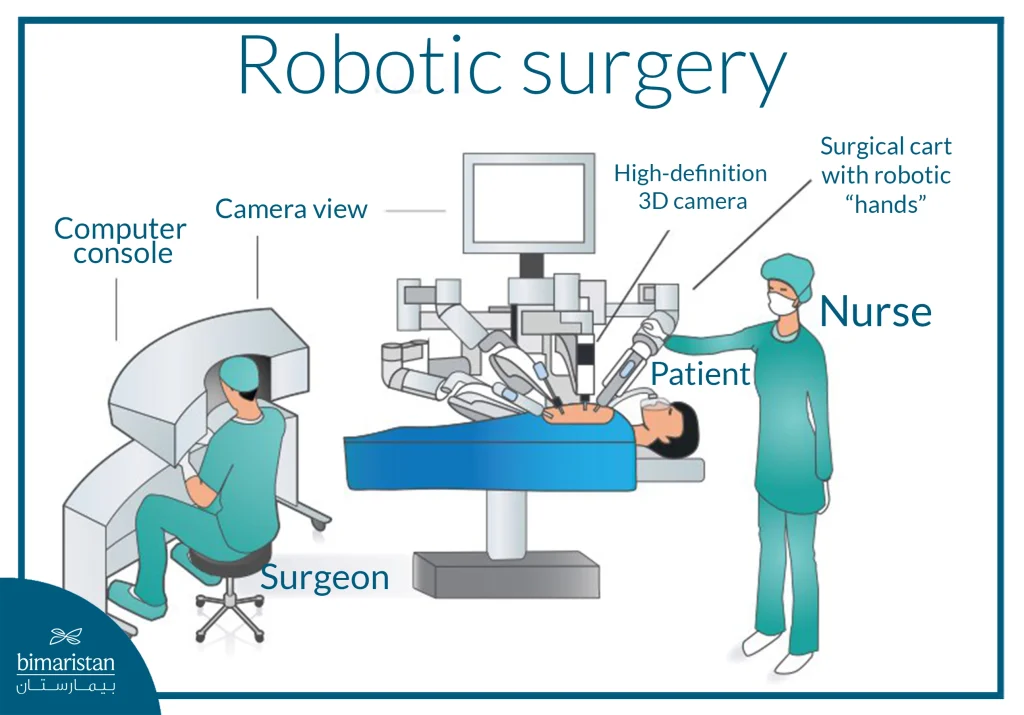
Robotic disc surgery is a contemporary technique that employs guided robotic systems to achieve high precision during discectomy or the management of spinal disorders. The robot utilizes a three‑dimensional navigation system that generates detailed imaging of the vertebrae, enabling the surgeon to determine the optimal path to the affected area without contacting delicate neural structures. Throughout the procedure, the surgeon maintains full control of the robot’s movements, while the robotic system enhances millimetric accuracy and minimizes tremors. This allows the surgery to be performed through small incisions, resulting in a faster recovery and fewer complications compared with conventional methods.
What conditions benefit from robotic disc surgery?
A wide range of spinal conditions benefit from robotic disc surgery, particularly those requiring high precision when operating near neural structures. Among the most important are:
- Lumbar disc herniation requiring meticulous accuracy
- Cervical disc herniation near sensitive nerve roots
- Spinal canal stenosis causing compression of nerves
- Calcifications or bone spurs exerting pressure on nerve roots
- Spinal deformities difficult to manage with conventional surgery
- Patients with prior spinal operations requiring extremely precise guidance
- Complex cases necessitating vertebral fixation
The value of robotic disc surgery is especially evident in patients seeking higher safety margins and improved outcomes.
Steps of robotic disc surgery in Turkey
Robotic disc surgery in Turkey begins with a comprehensive patient evaluation, including clinical examination, laboratory testing, and advanced imaging such as MRI or CT scans. The medical team then performs three‑dimensional surgical planning by uploading patient images into the robotic system to define the exact path the surgeon will follow during the procedure.
During surgery, the robot is secured to the operating table and guided along pre‑programmed pathways within its system. The surgeon controls its movements through a specialized console, achieving millimetric precision in reaching the disc or affected area. Once the damaged portion is removed or fixation is performed, the patient is monitored in the recovery unit before starting a rehabilitation program, which is typically faster than with conventional surgery.
Robotic disc surgery cost in Turkey
The robotic disc surgery cost in Turkey ranges from USD 6,000 to USD 9,000. Turkey distinguishes itself by combining high medical quality, advanced expertise, and competitive pricing, making it a leading destination for medical tourism worldwide.
Factors affecting robotic disc surgery cost in Turkey
Several key factors influence the cost, including:
- Type and technological sophistication of the robotic system used
- Surgeon’s experience and the number of prior robotic procedures performed
- Complexity of the patient’s spinal condition
- The need for additional procedures, such as vertebral fixation or removal of calcifications
- Length of hospital stay and postoperative rehabilitation program
- Hospital level and associated medical services
These factors collectively explain cost variations among medical centers in Turkey.
Advantages of robotic disc surgery compared with conventional surgery
| Criterion | Robotic Disc Surgery | Conventional Surgery |
|---|---|---|
| Surgical precision | Millimetric accuracy via robotic navigation | Dependent solely on the surgeon’s skill |
| Error rate | Very low | Relatively higher |
| Incision size | Very small | Larger |
| Intraoperative bleeding | Minimal | Higher |
| Surgical time | 15–30% shorter | Longer |
| Recovery period | Significantly faster; most patients walk the same day | Slower, longer hospital stay |
| Neurological complications | Very rare | More frequent |
| Reoperation need | Much lower | Higher |
| Postoperative comfort | Less pain, quicker return to activity | Moderate pain, weeks of recovery |
| Cost in Turkey | USD 6,000–9,000 | USD 4,000–6,000 |
| Cost in Europe | USD 18,000–28,000 | USD 10,000–16,000 |
| Cost in USA | USD 30,000–45,000 | USD 18,000–28,000 |
Risks and potential side effects
Although robotic disc surgery is among the most advanced and safest spinal techniques, some risks remain:
- Mild pain or swelling at the incision site
- Possible superficial infection of skin or surrounding tissues
- Rare complications related to screw or implant fixation in cases of poor bone quality
- Minor risks in patients with complex spinal deformities
- Very low probability of technical malfunction in the robotic system
- General surgical risks such as bleeding or anesthesia complications
- Neurological complications, although they are significantly lower than in conventional surgery
Technical issues with the robotic system are extremely rare in advanced centers. The surgeon remains directly responsible for all steps, minimizing unexpected errors. Overall, robotic disc surgery is considered one of the safest spinal procedures due to its high precision.
Success rates and patient experiences
Recent studies show success rates exceeding 95% in advanced centers, thanks to precise instrument guidance and reduced human error. Patients report rapid improvement in pain and mobility within days, with earlier return to work and daily activities compared to conventional surgery.
Patients have reported high satisfaction, particularly due to reduced postoperative pain, smaller incisions, and the absence of neurological complications. Many express feeling safer due to the reliance on a robotic system that offers stability and accuracy beyond what conventional methods provide.
Why Turkey is an ideal destination for robotic spinal surgery
Turkey has become one of the world’s leading destinations for robotic spinal surgery, equipped with advanced systems such as Mazor and ExcelsiusGPS, and staffed by highly experienced medical teams. Turkish hospitals combine high quality with competitive costs, making them an attractive choice for international patients.
Comprehensive healthcare services, including medical translation, pre‑ and postoperative follow‑up, and organized patient reception, ensure a safe and comfortable treatment journey. This integration of modern technology and advanced healthcare infrastructure reinforces Turkey’s position as a global leader in robotic spinal surgery.
Robotic disc surgery represents a major advancement in the management of spinal disorders, offering superior precision and high success rates. With Turkey emerging as a regional hub for advanced surgery, patients receive care comparable to leading international centers. Specialized guidance and modern technologies significantly enhance treatment outcomes, while medical advisory centers such as Bimaristan Medical Center provide patients with reliable, impartial support before making decisions.
Sources:
- Lee, J., & Kim, S. (2022). Robotic spine surgery: Current applications and future perspectives. Journal of Spine Surgery.
- Marcus, H., & Schoenfeld, A. (2023). Safety and accuracy of robotic-assisted spinal procedures: A review. Clinical Spine Surgery.