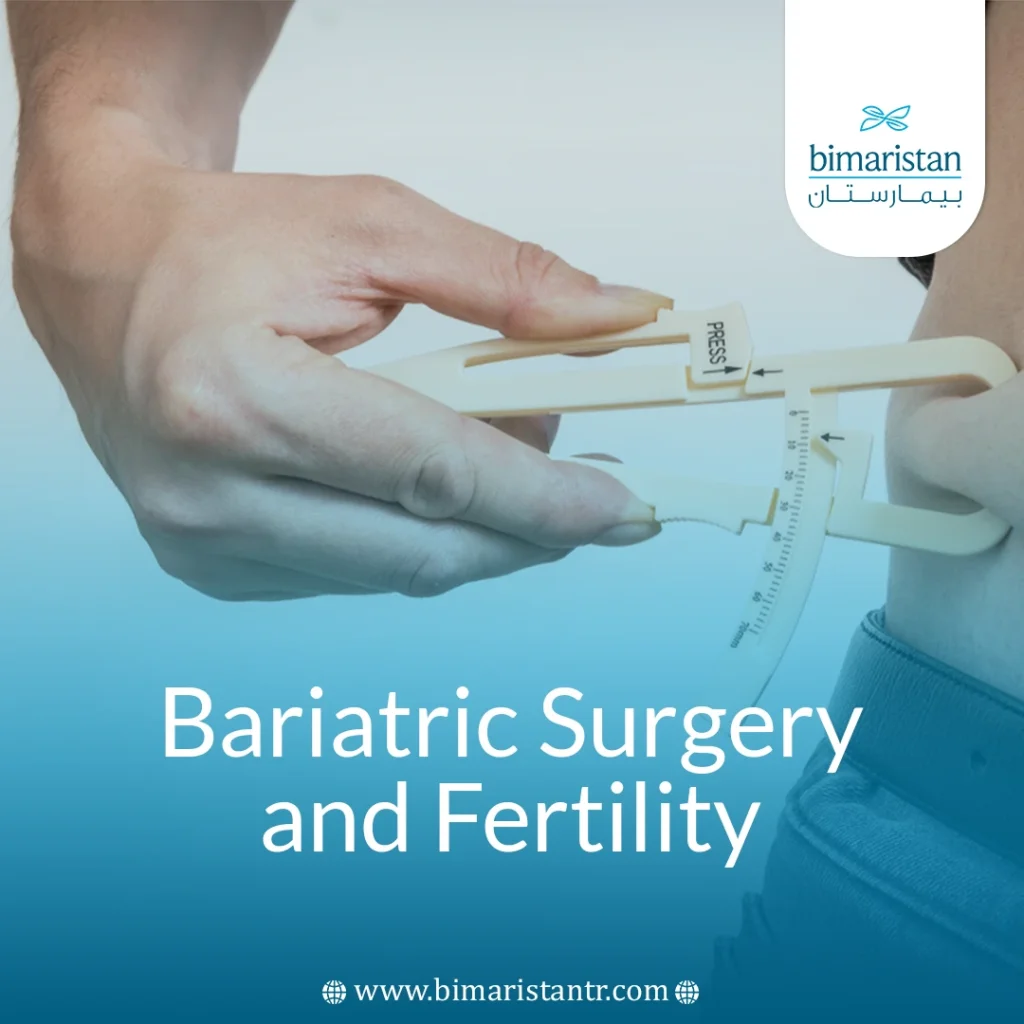

Bariatric surgery is a proven treatment for obesity, offering significant health benefits. Obesity contributes to various medical issues and negatively impacts fertility. Research highlights a strong link between excess weight and infertility in both men and women. In this article, we explore the connection between bariatric surgery and fertility, emphasizing physiological mechanisms, hormonal shifts, and improvements in clinical fertility indicators following surgical weight loss.
The effect of obesity on fertility
Obesity directly and negatively affects fertility in both males and females
The impact of obesity on fertility in women
Obesity significantly affects women’s reproductive capacity through several mechanisms, including
- Hypothalamic-pituitary-ovarian axis dysfunction: This dysfunction leads to ovulation disorders and variations in the length of the menstrual cycle, reducing the likelihood of a successful pregnancy.
- Polycystic Ovarian Syndrome (PCOS): Insulin resistance causes hormonal imbalance and increased levels of androgens, which negatively affect fertility.
- Increased conversion of androgens to estrogens: This conversion occurs by the aromatase enzyme in adipose tissue, exacerbating hormonal disorders.
- Endometrial dysfunction: Affects the process of implantation, reducing the chances of pregnancy.
The impact of obesity on male fertility
Obesity also affects male fertility by:
- Low testosterone concentration: Elevated estrogen levels due to increased aromatase activity in adipose tissue lead to impaired fertility.
- Decline in semen indicators: Density, motility, and normal morphology.
- Scrotal hyperthermia: Scrotal hyperthermia is caused by a buildup of fat that negatively affects testicular function.
- Erectile dysfunction: As a result of hormonal and vascular disorders, the patient may experience erectile dysfunction.
Forms of Bariatric Surgery
Bariatric surgery is a viable treatment option for morbidly obese patients, particularly when obesity is associated with comorbidities. Common procedures include:
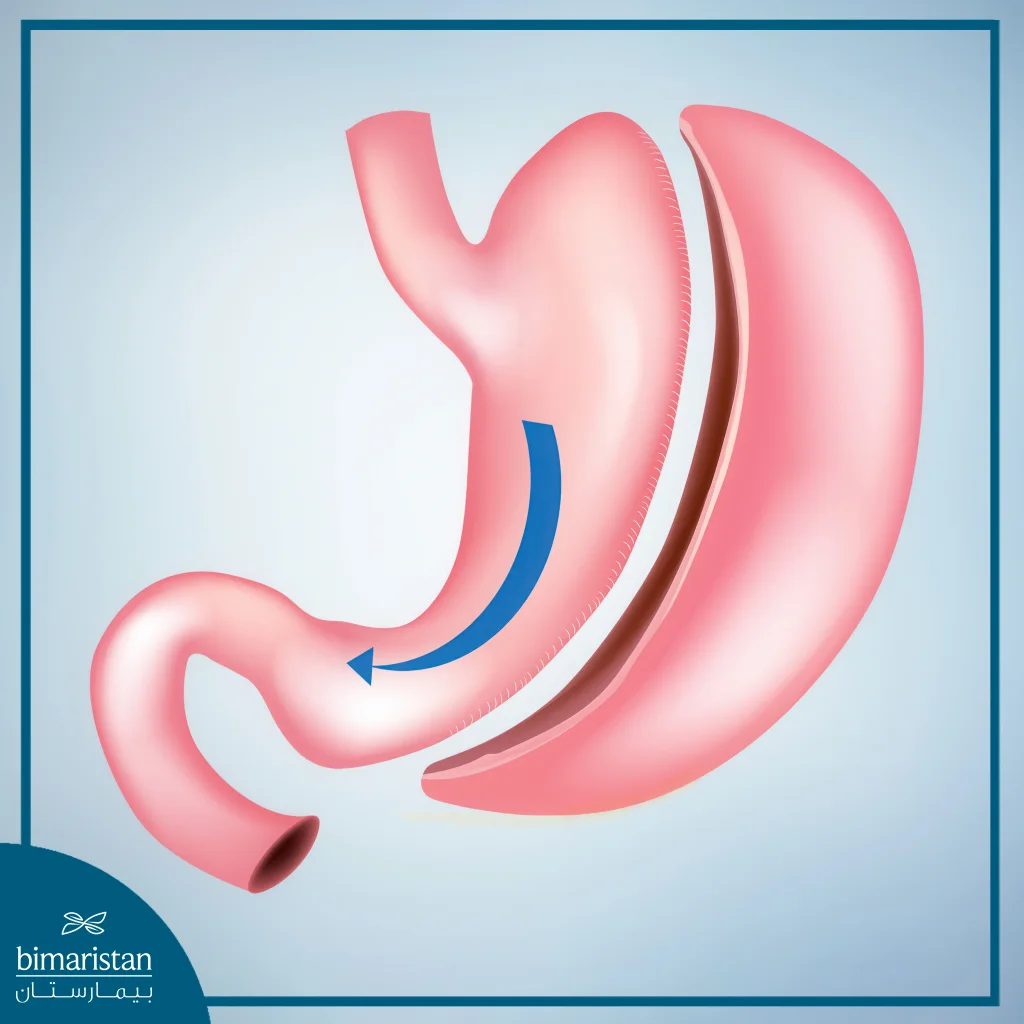
- Gastric sleeve: Removing about 75-80% of the stomach’s volume, resulting in less food intake and a feeling of fullness.
- Gastric bypass: Reducing absorption by rerouting food.
- Bipartite path conversion: Used in advanced cases.
Recommendations for the timing of pregnancy after surgery
The American Society for Metabolic and Bariatric Surgery (ASMBS) recommends postponing pregnancy for 12 to 18 months after surgery, because the period of rapid weight loss may be accompanied by nutritional disturbances and deficiencies in elements essential for pregnancy, with possible deficiencies in iron, folic acid, vitamin B12, and calciu,m with metabolic and hormonal instability during the first period after surgery. It is recommended to use effective contraceptives during this period and regular follow-up with nutritionists, endocrinologists, and obstetricians.
The impact of bariatric surgery and fertility in women
Evidence suggests that there is a significant improvement in fertility indicators after bariatric surgery in women:
- Restoring ovulation during the first months after weight loss
- Improved ovarian response to adjuvant hormone therapy
- Reduced manifestations of hyperandrogenism, such as hirsutism and acne
- Improved outcomes in assisted reproductive programs in terms of implantation and pregnancy rates
A study published in Obesity Surgery showed that about 69% of women with ovulation disorders showed regular menstrual cycles within 6 months after surgery.
The impact of bariatric surgery and fertility in men
Data suggest a positive association between surgical weight loss and improved scores in men:
- High total and free testosterone levels with low estrogen levels
- Improvements in sperm count, motility, and shape
- Improved sexual performance and erectile function
Challenges associated with bariatric surgery and fertility
Despite the proven benefits of bariatric surgery and fertility, there are some aspects to consider, such as:
- Nutrient deficiencies may affect egg and sperm quality
- Temporary hormonal imbalances will occur during the period of rapid weight loss
- Weight regain and obesity can recur if adherence to a healthy lifestyle is poor
Bariatric surgery and fertility are not only associated with biological effects, but an improvement in mental health indicators after surgery has also been observed:
- Improved body image and increased self-confidence, which may contribute to enhanced sexual performance
- Lower rates of depression and anxiety, which may be associated with the inhibition of reproductive function
- Increased chances of socialization and marriage for some patients
Available studies confirm a positive link between bariatric surgery and fertility, as the procedure helps restore hormonal balance and enhance reproductive function in both men and women. However, achieving full benefits depends on following medical guidance and maintaining proper nutrition. Bariatric surgery remains a highly effective method for weight reduction and managing obesity-related conditions, offering a promising approach to improving fertility within a comprehensive treatment plan for individuals facing infertility due to obesity.
Sources:
- Legro, R. S., Dodson, W. C., Kunselman, A. R., Stetter, C. M., Coutifaris, C., Gnatuk, C. L., … & Brzyski, R. G. (2021). Pregnancy outcomes after bariatric surgery: A systematic review and meta-analysis. Cureus, 13(11), e19690.
- Scholler, T., Pour, M., Hecksteden, A., Meyer, T., & Meyer, N. (2023). Improvement of semen parameters after bariatric surgery: A prospective study of 46 men. Life, 15(5), 758.