
Gastrointestinal disorders are among the most widespread health problems globally and greatly affect quality of life. Irritable Bowel Syndrome (IBS) and Ulcerative Colitis (UC) impact millions of people each year. Both conditions share symptoms such as abdominal pain and altered bowel habits, which can make diagnosis challenging without proper medical evaluation. However, their underlying causes, treatment approaches, and long‑term effects on health differ significantly.
In this article, we highlight the difference between IBS and ulcerative colitis, offering insights into diagnosis, treatment options, and medical care — including advanced testing and specialized services available in Turkey.
What is IBS?
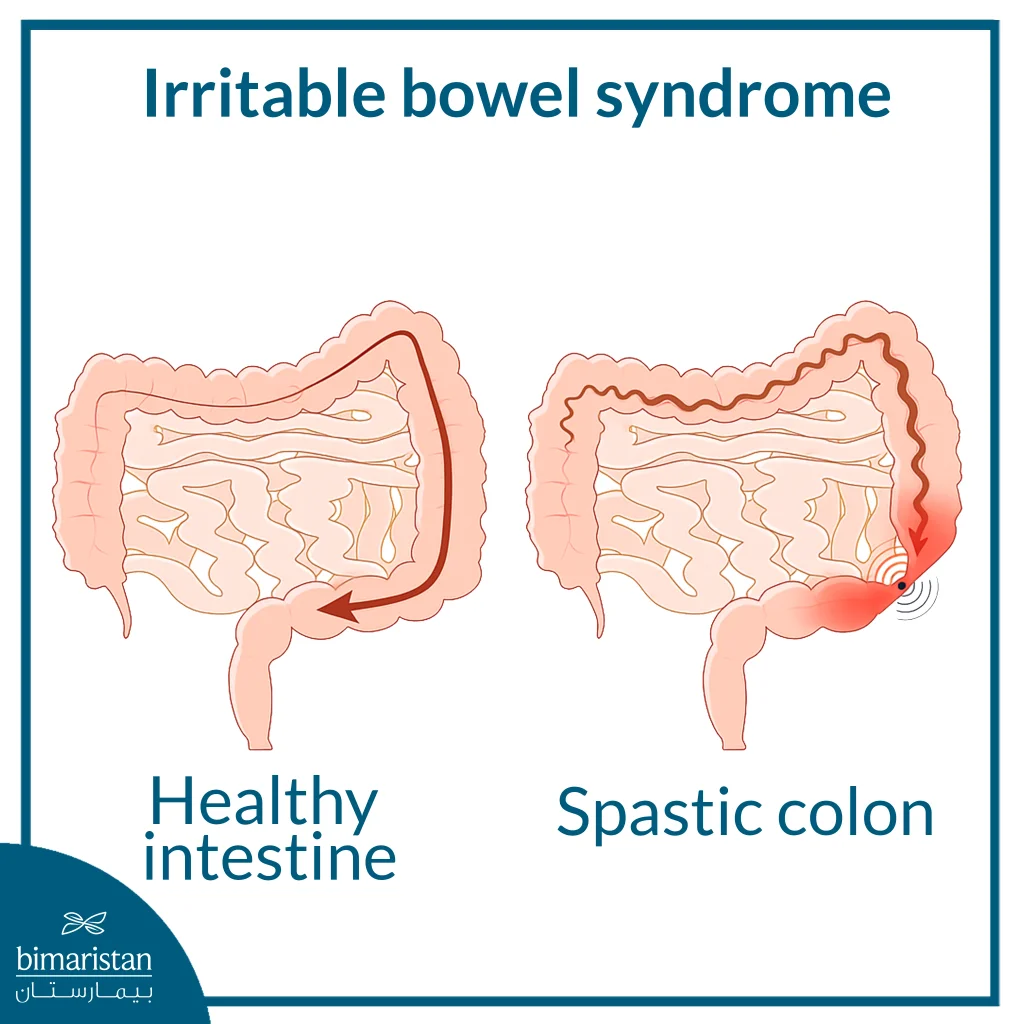
Irritable Bowel Syndrome (IBS) is a chronic functional disorder of the large intestine (colon) characterized by altered bowel habits and symptoms without inflammation or tissue damage. In other words, IBS does not cause actual damage to the digestive system, but disrupts bowel movements and its response to stimuli, causing a range of uncomfortable symptoms that vary from person to person.
IBS symptoms
Symptoms of IBS vary from person to person, but they usually last for a long time. The most common symptoms include the following:
- Changes in bowel habits: These may include diarrhea, constipation, or alternating between the two, as well as changes in stool shape.
- Feeling full: Feeling full and uncomfortable after eating, even after emptying your bowels.
- Abdominal pain and cramping: Often associated with bowel movements and can vary in severity from person to person.
- Bloating and gas: A feeling of fullness in the abdomen and a feeling of excess gas.
- White mucus in the stool is common
- Fatigue
- Sleep disorders
- headache
In some severe cases, severe bloating can cause shortness of breath due to pressure on the diaphragm.
Causes of IBS
The exact cause of irritable bowel syndrome is unknown. Factors that seem to play a role include the following:
- Intestinal muscle contractions: The walls of the intestines contain muscles that move to push food through the digestive tract. Strong or continuous contractions cause gas, bloating, and diarrhea, while slow contractions result in slow passage of food and hard stools.
- The nervous system and the gut: Intestinal nerves communicate with the brain to regulate movement and pain perception. Poor coordination may lead to overreaction to routine digestive changes, resulting in pain, constipation, or diarrhea.
- Previous infection or bacterial overgrowth: Some cases of IBS appear after gastroenteritis caused by a virus or bacteria. Small Intestinal Bacterial Overgrowth (SIBO) may also contribute to symptoms.
- Early childhood stress: Exposure to stressful events during childhood can increase the risk of developing IBS symptoms later in life by affecting gut sensitivity and nervous system responses.
- Changes in the balance of intestinal microbes: Individuals with IBS may have different bacteria, fungi, and viruses in the gut than healthy individuals, which may affect digestive motility and the gut’s inflammatory response.
- Hormonal factors in women: IBS is more prevalent in women because female hormones, such as estrogen and progesterone, influence bowel movements and pain sensitivity. Symptoms may vary throughout the menstrual cycle.
IBS triggers
IBS symptoms can be triggered by several things, including food and psychological distress. The role of food sensitivity or intolerance in IBS remains incompletely understood. But many people experience worse IBS symptoms when they eat or drink certain foods or beverages. These include wheat, dairy products, citrus fruits, beans, cabbage, milk, and soft drinks. Most people with IBS experience worse or more frequent symptoms during periods of increased stress. Stress may worsen symptoms, but it doesn’t cause them.
IBS is not a serious or contagious disease, but it can affect quality of life if its causes and symptoms are not controlled. It is advisable to see a doctor to confirm the diagnosis and rule out other more serious conditions such as ulcerative colitis or Crohn’s disease, especially if symptoms such as blood in the stool, weight loss, or fever occur.
What is ulcerative colitis?
Ulcerative colitis is a chronic inflammatory disease of the colon and rectum that causes inflammation and ulceration of the inner wall of the large intestine. It is a type of inflammatory bowel disease (IBD) characterized by periods of active inflammation interspersed with periods of remission or improvement in symptoms. Unlike IBS, this disease causes structural changes in colonic tissue that can be observed during endoscopic examination.
Causes of ulcerative colitis
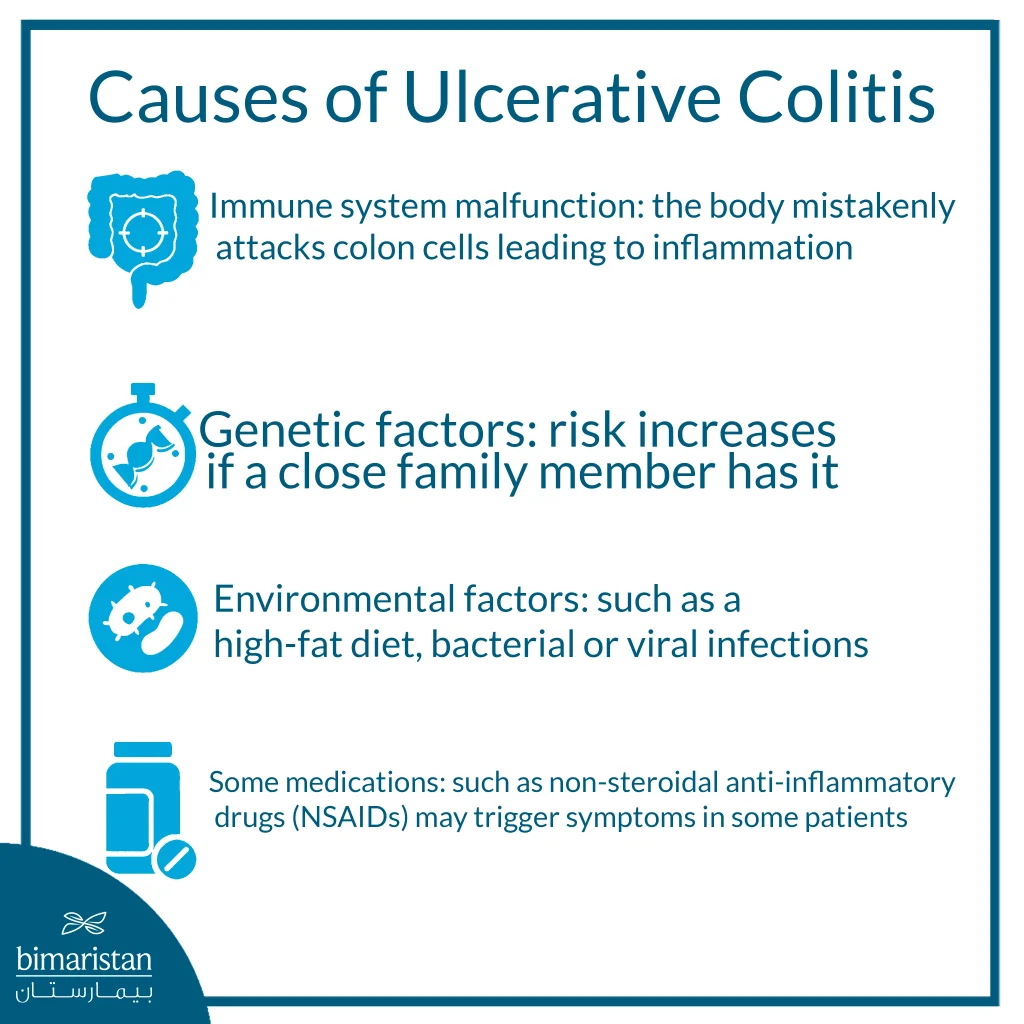
The exact cause of the disease is unknown, but several factors are thought to play a role:
- Disruption of the immune system: The body mistakenly attacks colon cells, leading to inflammation.
- Genetic factors: The risk increases if a family member has it.
- Environmental factors: Such as a high-fat diet or a bacterial or viral infection.
- Some medications: Non-steroidal anti-inflammatory drugs (NSAIDs) may trigger symptoms in some patients.
Symptoms of ulcerative colitis
The severity of symptoms varies from person to person depending on how far the inflammation has spread, and the most common signs include:
- Abdominal pain and cramps
- General fatigue and exhaustion
- Weight loss and poor appetite
- Chronic diarrhea with blood or mucus
- High temperature in severe cases
- Frequent need to have a bowel movement even when your bowels aren’t full
Complications of ulcerative colitis
If ulcerative colitis isn’t treated correctly, it can lead to serious health issues over time, including:
- Perforation of the intestinal wall
- Severe weight loss and malnutrition
- Severe gastrointestinal bleeding due to ulceration of the lining of the colon
- Increased risk of colon cancer, especially in chronic cases
- Toxic megacolon, a dangerous enlargement of the colon caused by severe inflammation
The difference between IBS and ulcerative colitis
Although IBS and ulcerative colitis both affect the colon (large intestine), they are distinct diseases in terms of cause, pathophysiology, and methods of diagnosis and treatment. Understanding the distinction is essential, as confusion between the two conditions can lead to delayed diagnosis, worsening symptoms, or poor disease management.
Difference in terms of the nature of the disease
Some symptoms are similar, but there are clear differences that distinguish each:
- Irritable bowel syndrome (IBS): It is a functional disorder of bowel movement without any inflammation or ulceration of the colon wall. That is, the colon appears normal on endoscopic examination, but its function is irregular, causing pain, bloating, constipation, or diarrhea. The main cause is often psychological or caused by the bowel’s reaction to food or stress.
- Ulcerative colitis (UC): UC is a chronic inflammatory organic disease that causes actual damage to the lining of the colon and rectum. It occurs when the immune system attacks the colonic lining, leading to inflammation, ulcers, and bleeding. It is an autoimmune disease that requires regular medical treatment and may require surgery in some cases.
Therefore, it is recommended that patients follow up regularly with their physician and undergo a colonoscopy periodically to detect early changes in the intestinal lining.
| Comparison | Irritable bowel | Ulcerative colitis |
|---|---|---|
| Type of disease | Disruption of bowel function without inflammation | Chronic inflammation of the lining of the colon |
| Abdominal pain | Relieves after bowel movements | Persistent even after defecation |
| Stool | Normal or soft, no blood | Often contains blood and mucus |
| Diarrhea or constipation | Alternating depending on mood or diet | Frequent diarrhea with blood |
| weight loss | Rare | Common as a result of inflammation and malabsorption |
| Fever and fatigue | uncommon | Common during bouts of inflammation |
| Possible complications | Does not cause organic complications | May lead to severe ulcers or colon cancer over time |
Difference in terms of diagnosis
There are no specific tests to confirm IBS, but the diagnosis is based on symptoms and the exclusion of other diseases. Physicians use the Rome IV Criteria to diagnose the condition after ensuring there is no inflammation, bleeding, or weight loss. Diagnosing ulcerative colitis requires careful testing, including:
- Colonoscopy to see the inflammation directly and take biopsies
- Blood tests show elevated inflammatory markers
- Fecal analysis for blood or signs of infection
Difference in terms of treatment
IBS treatment focuses on relieving symptoms by:
- Dietary modification (avoiding irritating foods such as fat and caffeine)
- Taking medications to help regulate bowel movements and relieve cramping
- Regular exercise and adequate sleep
- Reduce stress
Treatment for ulcerative colitis relies on controlling inflammation and preventing ulcers, and includes:
- Anti-inflammatory medications such as aminosalicylate (5-ASA)
- Immunosuppressant medications to reduce the immune system’s reaction
- Cortisone during severe seizures
- In advanced cases, you may need surgery to remove the affected part of the colon
IBS is not a serious or life-threatening disease, but it can cause chronic discomfort that affects lifestyle, sleep quality, and mood. Unlike ulcerative colitis, IBS is a chronic disease that can lead to serious complications such as heavy bleeding, toxic colonic dilation, or an increased risk of colon cancer over time, so it needs constant medical monitoring.
Difference in lifestyle and psychological impact
IBS is heavily influenced by mood and stress, so managing emotional factors is an essential part of treatment. While ulcerative colitis is an immune-mediated disease, stress can increase the severity of attacks, but it is not the direct cause.
When should I see a doctor?
It’s normal for people with IBS to experience some bloating or indigestion from time to time. Still, some symptoms should prompt immediate medical attention as they may indicate ulcerative colitis or a more serious gastrointestinal issue. Here are some of the situations in which a patient should see a doctor:
- Blood in the stool or mucus with diarrhea
- Sudden and unexplained weight loss
- Abdominal pain that gradually increases or doesn’t go away after a bowel movement
- Generalized fatigue and persistent weakness that doesn’t improve with rest
- High fever or infection-like symptoms
- A persistent change in your bowel pattern (diarrhea or constipation for more than two weeks)
Early detection helps your doctor distinguish between IBS and ulcerative colitis and determine appropriate treatment before complications arise.
Tips for preventing and living with colon disease
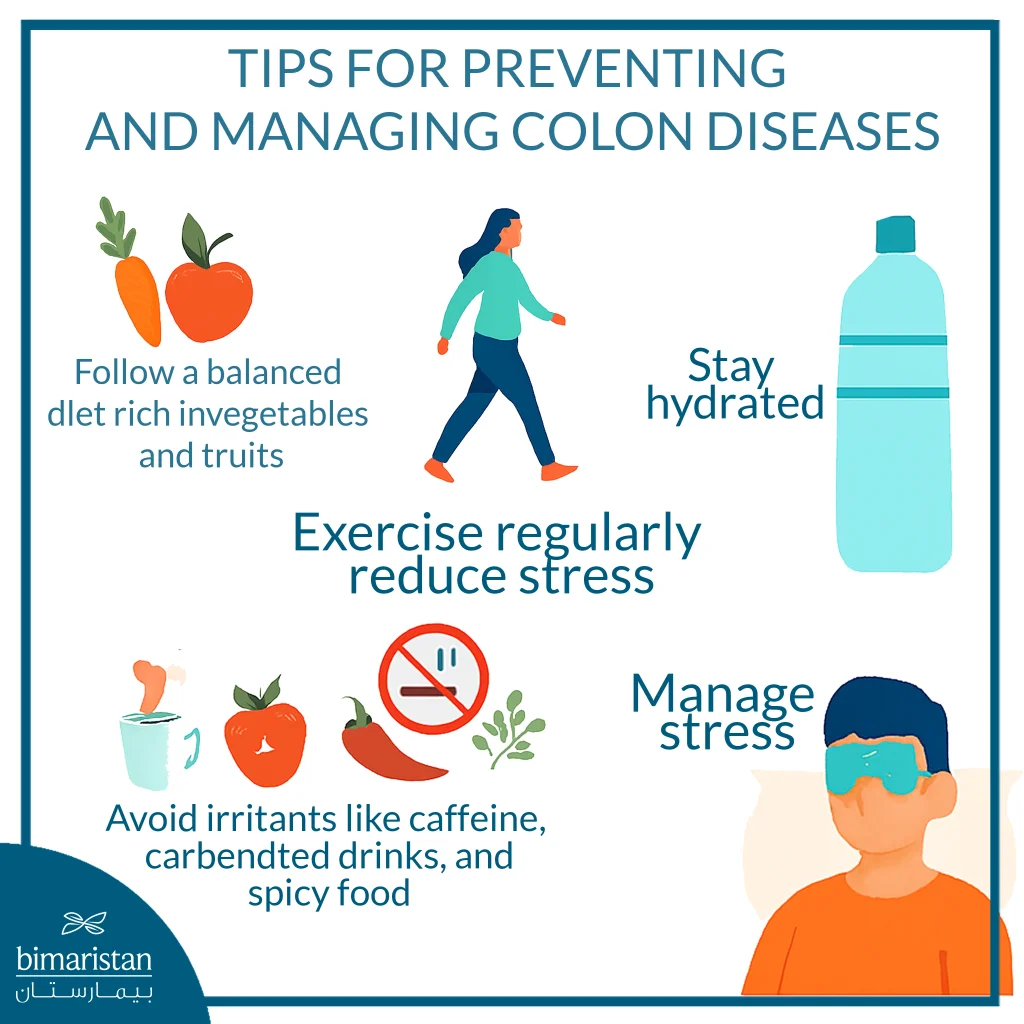
Whether you have IBS or ulcerative colitis, a healthy lifestyle can relieve symptoms and significantly improve quality of life:
- Follow a balanced diet based on fiber-rich vegetables and fruits, and avoid fatty and fried foods
- Avoid irritating foods such as caffeine, carbonated drinks, spicy spices, and legumes to prevent bloating and gas
- Drink enough water to stay hydrated and regulate bowel movements
- Regular exercise, such as walking, can enhance digestion and reduce stress
- Reduce stress through good sleep, relaxation, and deep breathing
- Adhere to the treatment plan prescribed by the doctor and do not stop taking medications without consulting the doctor
Finally, understanding the difference between IBS and ulcerative colitis is crucial for receiving the right treatment and preventing serious complications. IBS is a functional disorder often linked to stress and lifestyle factors, whereas ulcerative colitis is a chronic inflammatory disease that demands ongoing medical monitoring and specialized therapy. Warning signs such as blood in the stool, unexplained weight loss, or persistent abdominal pain should never be overlooked, as they may indicate a more severe condition.
At Bimaristan Medical Center in Turkey, patients benefit from advanced diagnostic tools and modern treatment options for gastrointestinal diseases, under the guidance of specialists with extensive expertise in colonic disorders. Whether you are dealing with IBS or ulcerative colitis, our team provides precise evaluation and effective care designed to restore comfort and improve quality of life.
Sources:
- Gros B, Kaplan GG. Ulcerative Colitis in Adults: A Review. JAMA. 2023 Sep 12;330(10):951-965
- McFarland LV. State-of-the-art of irritable bowel syndrome and inflammatory bowel disease research in 2008. World J Gastroenterol. 2008 May 7;14(17):2625-9
- Abdul Rani R, Raja Ali RA, Lee YY. Irritable bowel syndrome and inflammatory bowel disease overlap syndrome: pieces of the puzzle are falling into place. Intest Res. 2016 Oct;14(4):297-304
- Lynch, W. D., & Hsu, R. (2023). Ulcerative Colitis. In StatPearls . Treasure Island (FL): StatPearls Publishing. Bookshelf ID: NBK459282
- NHS. (n.d.). Irritable bowel syndrome (IBS)