
Liver transplant for children is a life-saving biomedical procedure used to treat acute or chronic liver failure in pediatric patients. In this operation, the diseased liver is replaced with a healthy one from either a living or deceased donor. It becomes necessary when the liver can no longer carry out its vital functions, endangering the child’s life. Liver transplant for children is a proven surgical solution that offers young patients the opportunity to lead longer, healthier lives.
Thanks to advancements in surgical methods, such as living-donor liver transplantation and split-liver techniques, children now have improved access to donor organs, shorter waiting times, and better overall outcomes.
When is a liver transplant for children necessary?
A liver transplant for children may be necessary when their liver is severely damaged or not functioning properly, especially when it is unlikely to recover without surgery. Various conditions can cause liver damage, making a transplant essential to save a child’s life.
Common diseases that require liver transplant for children:
- Biliary atresia: This is a disease in which the bile ducts become blocked, preventing the passage of bile from the liver to the intestines. It is one of the most common reasons for pediatric liver transplantation.
- Acute liver failure: A rare condition in which there is a sudden loss of liver function as a result of a virus, toxins, or medications.
- Metabolic diseases: These include a group of genetic diseases that may cause toxins or acids to build up in the liver, such as
- Alpha-1-antitrypsin deficiency: A hereditary disease that leads to hepatitis and liver failure.
- Tyrosine-induced hepatotoxicity: A hereditary condition associated with severe liver disease in children.
- Wilson’s disease: A hereditary disorder that leads to the accumulation of copper in the liver and nervous system.
- Diseases resulting from the accumulation of organic acids, such as propionic aciduria and methylmalonic aciduria.
- Malignant liver tumors: Such as hypoblastoma, which is a rare tumor in children that can spread to other parts of the body. The child may need a liver transplant if the tumor is unresectable.
When is transplant decision considered an emergency?
A liver transplant for children is an emergency decision when the liver fails to perform its vital functions, resulting in failure of the body, and other therapies cannot treat the condition. In such cases, a quick decision to perform a transplant is necessary to avoid death or rapid deterioration of the child’s health.
How to prepare for a liver transplant for children
Medical tests and evaluations before liver transplant for children
Before undergoing a liver transplant for children, the child is prepared through a series of medical tests. These include blood tests, medical imaging, and a liver biopsy to assess the condition of the liver. The transplant team also comprehensively assesses the child’s health to make sure he or she can tolerate the procedure.
Choosing a donor (living or deceased)
Once it is determined that the child requires a liver transplant, the search for a suitable donor begins. The donor can be either living, where someone close to the child donates part of their liver, or deceased, where the liver is taken from someone who has recently passed away. Each type of donor requires careful evaluation to ensure tissue compatibility and the quality of the liver.
Psychological and family support
In addition to medical preparations, psychological and family support are essential parts of preparing a child for a liver transplant. Support is provided through meetings with psychologists, social workers, and families of the children, which helps reduce anxiety and prepare the child and family psychologically for the operation and its aftermath.

How does a liver transplant for children work?
Simplified explanation of the surgery
Liver transplant for children begins with the administration of general anesthesia to ensure the child is fully sedated. The surgeon then makes an incision through the abdomen to access and remove the diseased liver. Next, the blood vessels and bile ducts are carefully separated from the damaged organ. A healthy donor liver is then transplanted, and the surgeon reconnects the blood vessels and bile ducts to restore proper blood and bile flow through the new liver. Once the procedure is complete, the abdominal incision is closed using sutures or staples.
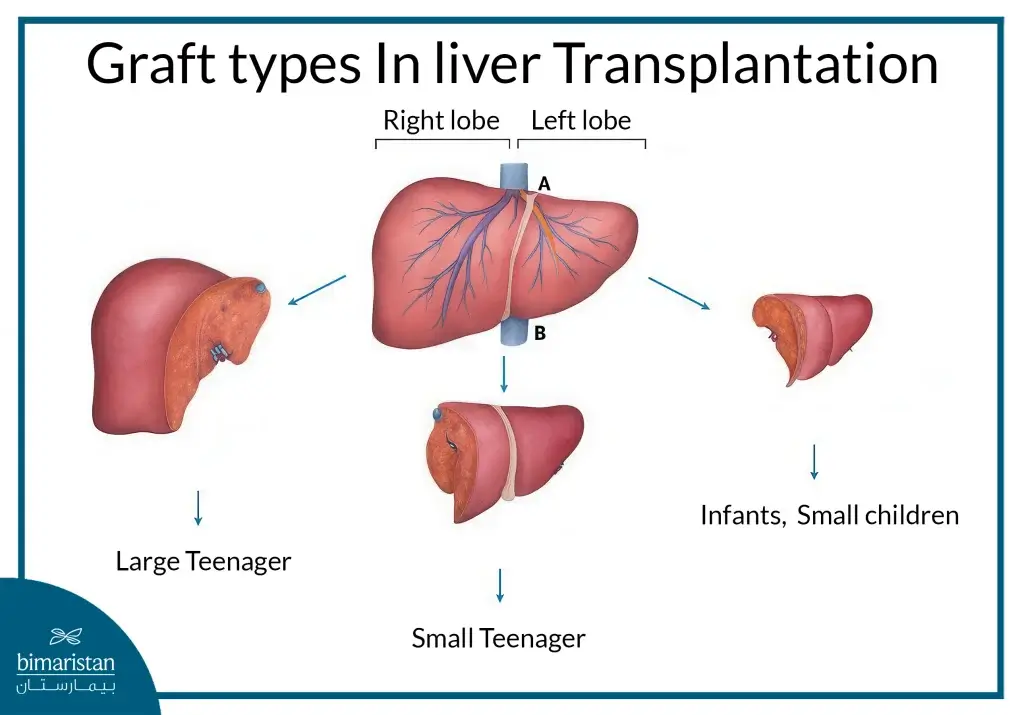
Difference between a whole lobe transplant and a left lobe transplant
In liver transplant for children, the total liver is often not necessary due to the smaller body size of children. Instead, only a portion of the donor liver, either the right or left lobe, is used. The main difference between the two lobes is their size; the left lobe is smaller and typically more suitable for transplantation in children. However, in certain cases, a full lobe transplant may be required depending on the child’s anatomical needs and overall health.
Expected operation time
Liver transplant for children surgery usually takes between 4 and 8 hours, but this time may vary based on the size of the child, the presence of any previous surgeries, and other factors. The family will be informed periodically during the process about their progress, and the time depends on the complexity of the case and medical conditions.

Success rates of liver transplant for children
Recent statistics on survival
Success rates of liver transplant for children are generally high, with recent studies showing that 5-year survival rates range from 85% to 90% in many specialized medical centers. These figures highlight the significant improvement in transplantation techniques and post-operative care, which means that children who undergo these operations have a high chance of living a long and healthy life.
Comparing living and deceased donor transplants
Transplant outcomes vary depending on the type of donor. Living donor transplantation is usually more successful because the donor is carefully selected, often including donations from close family members, which contributes to a shorter waiting time. On the other hand, deceased donor transplantation may take longer to find a suitable donor, but research indicates that the results of deceased donor transplantation are still very good, especially with improvements in distribution and care methods.
Cases where success rates are higher
Cases involving treatable diseases such as biliary atresia are the most successful cases after transplantation, especially when the need for liver transplant is identified early. In addition, children who do not suffer from additional complications, such as infections or other chronic diseases, have a better chance of success. Furthermore, optimizing integrated medical care, including psychological support and pharmacological treatment after the operation, significantly improves success rates.
Possible complications after liver transplant for children
Liver transplant rejection
A possible complication after a liver transplant is rejection. Rejection occurs when the body recognizes the new liver as a foreign body and the immune system tries to attack it. The risk of rejection is higher in the first few weeks after surgery, but this can be managed with immunosuppressive or anti-rejection medications that help reduce the immune reaction against the new liver. These medications are used for life to ensure that complete rejection does not occur.
Infection
Immunosuppressive medications, although useful in preventing rejection, make the body more susceptible to infection. After the operation, it is important to keep the child away from people who are sick and to wash hands frequently and thoroughly, as the risk of infection increases especially in the days immediately following surgery.
The need for a retransplantation
In rare cases, the body may not fully adapt to the transplanted liver and may require a new liver transplant. In these cases, complete rejection of the transplanted liver can be the cause, and the condition may require retransplantation.
How are these complications handled?
When liver rejection occurs, doctors adjust immunosuppressive medications to control the immune system’s reaction. Sometimes, a short-term corticosteroid treatment is given to help alleviate the rejection. The child should be carefully monitored for signs of infection or rejection, such as fever, fatigue, cough, loss of appetite, vomiting, or diarrhea.
Life after liver transplant for children
Expected recovery time
After a liver transplant, children usually spend about 2-3 weeks in the hospital. Initially, they will stay in the Pediatric Intensive Care Unit (PICU) for close monitoring and recovery from surgery. After the child is medically stable, he/she is transferred to a special unit for transplant patients where the medical team monitors his/her condition regularly. The whole recovery period after the operation will take some time, depending on the child’s condition and how quickly they respond to the treatment.
Immunosuppressive medications
One of the most critical aspects of life after liver transplant for children is the daily use of immunosuppressive medications, which help prevent the child’s immune system from rejecting the new liver. These medications increase susceptibility to infections, making it essential to maintain a clean environment and avoid contact with individuals who are sick. Over time, the dosage is gradually reduced as the child’s body adapts to the transplanted liver, but lifelong adherence to these medications remains necessary in all cases.
Feeding, studying, playing, and vaccinations
Proper nutrition plays a vital role in recovery after a liver transplant for children. The child will begin with liquids and gradually transition to solid foods under medical supervision, with dietary monitoring to ensure adequate nourishment. Routine vaccinations are also required to continue preventing diseases.
Once home, children should engage in light physical activities, such as walking, to rebuild their strength. Encouraging social interaction and play helps support emotional and psychological well-being. Parents must closely observe their child during the initial weeks and months for any signs of rejection or infection, such as fever, fatigue, or loss of appetite, following the liver transplant for children.
Real-life experiences and medical successes in liver transplant for children
Liver transplant for children: A success story
Sara is a nine-year-old Iraqi girl who has suffered from biliary atresia since birth, resulting in acute liver failure. After conventional treatments failed, Sara underwent a liver transplant at Memorial Hospital in Istanbul, Turkey. A suitable liver was found for her from a deceased donor, and after the operation, she was monitored in the pediatric intensive care unit. Today, a year after the operation, Sara leads a normal life and participates in school and sports activities.
Transplant results in Turkey and the leading countries
Turkey has high success rates in liver transplant for children, with success rates exceeding 90%. Countries like the United States and the United Kingdom also have excellent results, but Turkey offers additional advantages in terms of cost and quality of care.
Why Turkey is a good choice
Turkey provides:
- Quicker access to donors, reducing the waiting period
- Advanced techniques in organ transplantation
- Specialized medical care from highly professional teams
- Affordable cost compared to European countries and the United States
In conclusion, liver transplant for children is a complex yet life-saving procedure. Selecting a qualified transplant center and strictly adhering to medical guidance greatly influence the success of liver transplant for children. With a successful operation, the child can enjoy a long, healthy, and normal life. Early consultation with specialized physicians is also crucial, as it plays a key role in ensuring the best possible outcome for pediatric liver transplantation.
Source:
- National Institutes of Health. (2009). Liver transplantation in children. PubMed Central. /
- Nemours Children’s Health. (n.d.). Liver transplant: What to expect. KidsHealth.