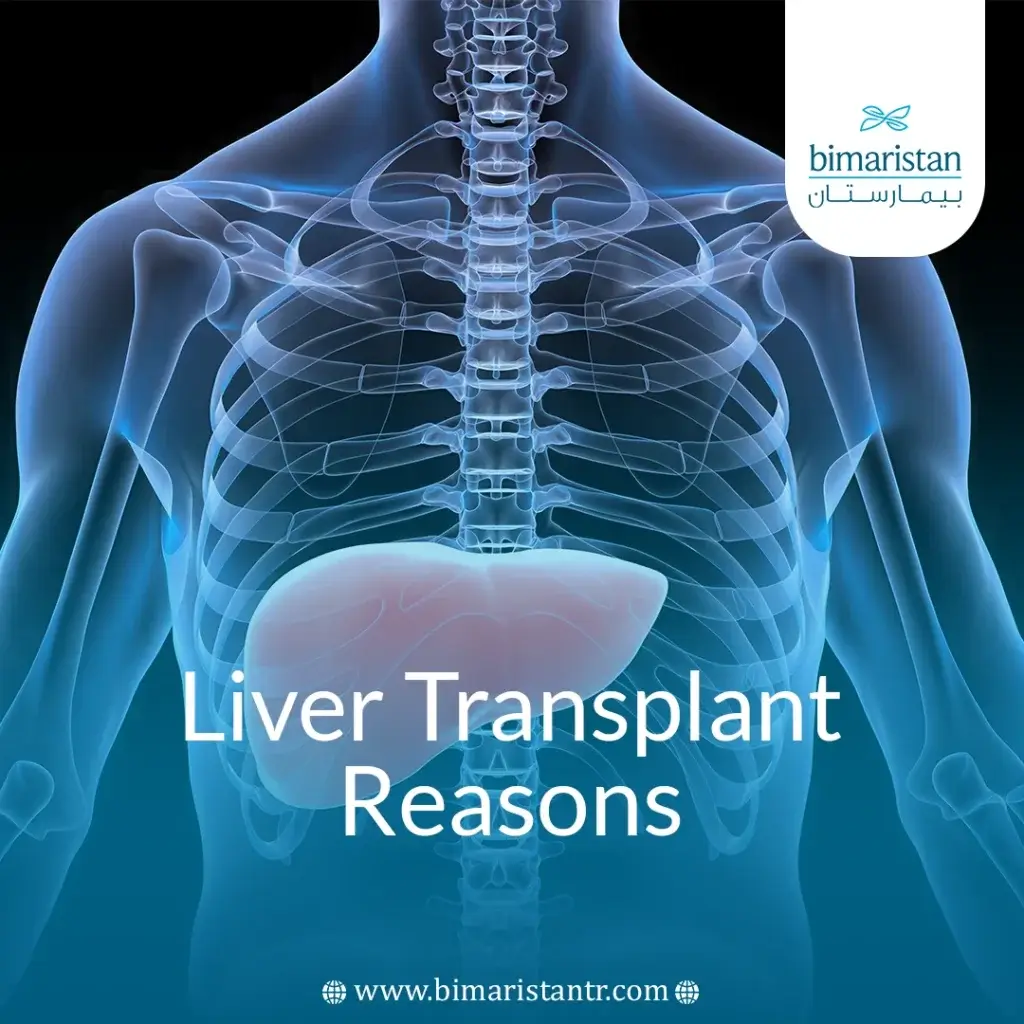

Liver transplantation is a life-saving procedure for patients with severe liver conditions that cannot be managed through other treatments. Liver transplant reasons vary by case and may include cirrhosis, liver failure, genetic disorders, or liver cancer. Once the surgery succeeds, an equally critical phase begins, rehabilitation after liver transplantation, which focuses on accelerating recovery and helping the patient return to normal life as quickly as possible.
What is a liver transplant?
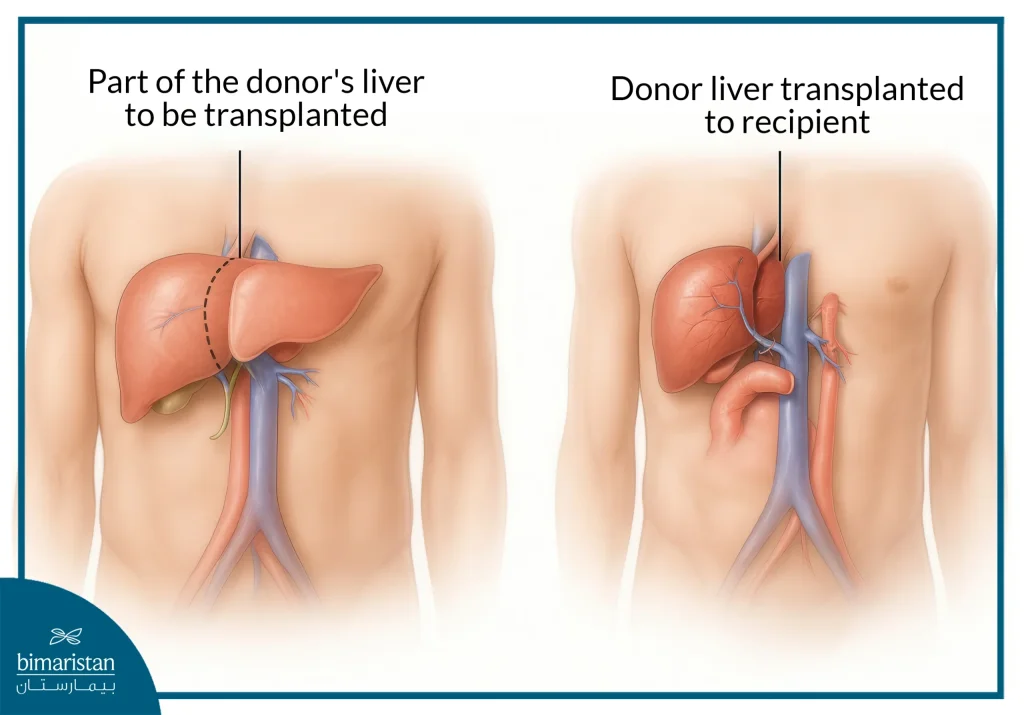
A liver transplant is a multi-step surgical procedure in which a damaged or non-functioning liver is replaced with a healthy liver from a deceased donor, or a portion of a liver from a living donor. Liver transplant reasons center around severe complications arising from end-stage chronic liver disease, and in rare cases, sudden liver failure in individuals with previously healthy livers. The liver, being the largest internal organ, performs vital functions including:
- Processing nutrients, medications, and hormones
- Produce bile to help absorb fats and vitamins
- Manufacture of clotting proteins
- Remove toxins and germs from the blood
- Immune regulation and infection control
Due to the liver’s ability to regenerate, a living donor transplant can be performed where the transplanted part grows in the patient’s body as well as the remaining part in the donor’s body to return to its normal size within a few months.
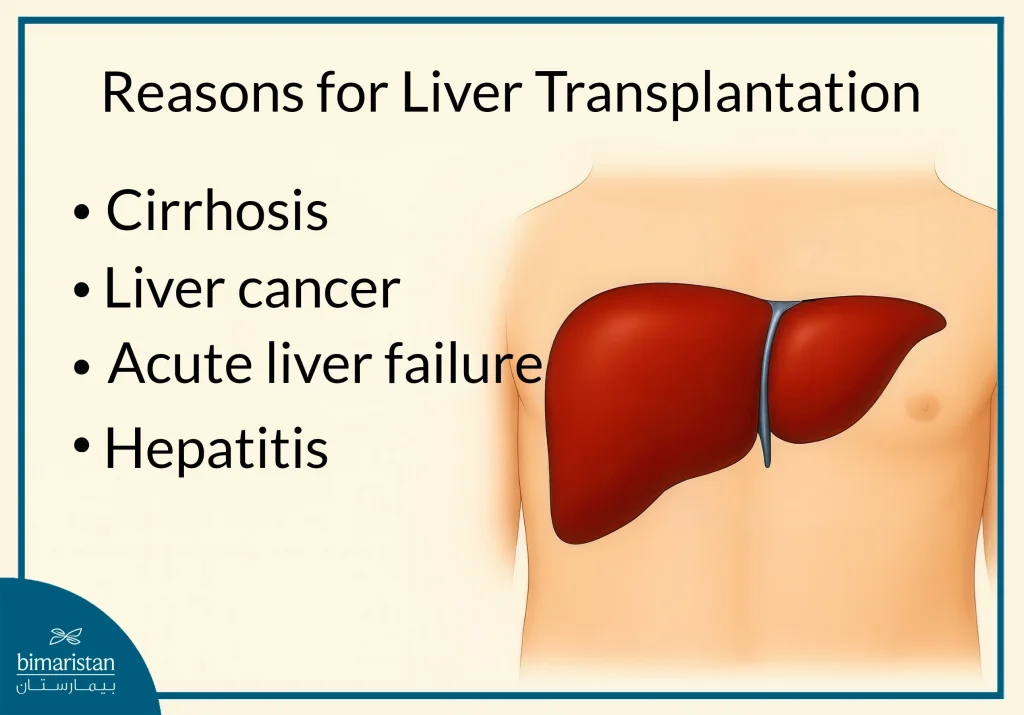
Liver transplant reasons
Acute Liver Failure
- It occurs within weeks as a result of:
- Paracetamol poisoning
- Medicines, poisons, or drugs
- Severe viral infection
- Status 1A is categorized as an emergency for immediate transplantation
- Signs include: Encephalopathy, very high INR, or need for intensive care
Chronic Liver Failure
- It occurs gradually as a result of long-term liver disease and its leading causes:
Cirrhosis
- The most common reason for liver transplantation
- Occurs when healthy liver tissue is replaced by scar tissue
- Often measured by the Child-Pugh score and the MELD Score
Chronic hepatitis B and C
- Causes cirrhosis and liver cancer
- It was once common, but newer treatments have reduced the need for transplants in B and C cases
Alcoholic Liver Disease
- The second most common reason for planting
- A period of abstinence from alcohol (usually 6 months) is required before a patient can be placed on the waiting list, except in cases of acute alcoholic hepatitis unresponsive to treatment
Non-alcoholic fatty liver disease (NAFLD/NASH)
- Associated with obesity and metabolic syndrome
- Becoming an increasingly common reason for liver transplants
- In some cases, it progresses to hepatocellular carcinoma even without cirrhosis
Autoimmune Hepatitis
- An immune disease in which the body attacks the liver
- Transplant is required in cases of:
- Acute liver failure
- Advanced cirrhosis despite corticosteroid treatment
Liver Cancer
Hepatocellular Carcinoma (HCC)
- It is considered eligible for a liver transplant if it meets Milan’s criteria:
- A single tumor <5 cm, or three tumors each <3 cm
- Without metastasis or vascular invasion
- Patients are given an exemption in MELD scores to receive priority
Cholangiocarcinoma
Transplantation is only performed in early stages and with specific pre-chemotherapy
Biliary Tract Diseases
Primary sclerosing cholangitis (PSC)
- There is no effective drug treatment
- Liver transplantation is performed when:
- Recurrent biliary tract infections
- Biliary fibrosis or cancer
Primary biliary cirrhosis (PBC)
A transplant is necessary in cases of severe itching or advanced fibrosis
Biliary atresia
The most common reason for transplantation in children
Genetic and Metabolic Diseases
Wilson’s Disease
- Copper buildup in the liver
- Transplantation is required in cases of liver failure or failure to respond to treatment
Alpha-1 Antitrypsin Deficiency
An inherited disease that can cause cirrhosis of the liver
Hereditary hemochromatosis
Iron accumulation in the liver associated with a high risk of liver cancer
Familial Amyloid Polyneuropathy
Especially at ages < 50 years to prevent the development of neuropathies
Primary Hyperoxaluria Type I
Causes combined liver and kidney failure and requires liver and kidney transplantation
Other diseases include:
- Cystic Fibrosis
- Glycogen Storage Diseases
- Von Gierke’s disease
Other rare or complex conditions
Acute Hepatic Necrosis
Liver cells die as a result of drugs or toxins
Acute-on-Chronic Liver Failure (ACLF)
- A very critical condition with a high mortality rate without transplantation
- Requires careful and rapid evaluation
Complications of portal hypertension
such as Budd-Chiari syndrome or hepatopulmonary syndrome.
Rehabilitation after liver transplant
Rehabilitation following liver transplantation is a crucial stage for the long-term success of the procedure. This phase involves a series of medical and behavioral measures that start in the hospital and continue until the patient can return to their normal life. These measures are the primary focus during rehabilitation.
Intensive Care Unit Care
After the operation, the patient is transferred to the intensive care unit for close monitoring, especially considering the liver transplant reasons that led to the procedure. The patient is connected to devices that track vital signs, including heart rate, blood pressure, respiration, and oxygen levels. Intravenous fluids and medications are administered as needed, and respiratory support is provided via a temporary ventilator in cases of respiratory weakness. During this period, the performance of the transplanted liver and blood tests is frequently monitored.
Pain management and medication balance
Post-operative pain management is essential to enhance patient comfort and support recovery, especially considering the reasons related to the liver transplant that made the procedure necessary. Appropriate analgesics are administered and carefully monitored to avoid compromising liver function. Additionally, a tailored program for adjusting immunosuppressive medications (anti-rejection drugs) is initiated, with regular monitoring of their blood concentration to ensure therapeutic effectiveness and prevent liver rejection or adverse effects.
Lifestyle modification
The patient is asked to adopt a healthy lifestyle that supports the new liver, including:
- Adhere to a balanced diet under the supervision of a nutritionist to meet the body’s needs without overworking the liver
- Completely quit smoking and alcohol, as they negatively affect the liver and immunity
- Take preventive measures against infection, such as personal hygiene and avoiding crowded places, especially in the first months after the transplant
Patients may experience anxiety or depression after transplantation due to psychological stress and lifestyle changes associated with the underlying liver transplant reasons. Therefore, psychological support from the medical team or through behavioral therapy, when needed, becomes essential. Family support also plays a vital role in reinforcing the patient’s commitment to treatment and enhancing their psychosocial well-being, which significantly contributes to improving the long-term outcome of the transplant.
Reintegration into daily life
As the general condition improves, the patient gradually begins to return to normal activities:
- Return to work is possible after a few months, depending on the type of work and the stabilization of the health condition
- Light exercise helps improve fitness and circulation, but only under the supervision of a doctor
It is essential to gradually regain activity, avoid overexertion and exposure to injury, and follow up regularly with your medical team.
Tips for the patient after liver transplant
After a liver transplant, an important phase of self-care and medical follow-up begins. Here are the most important tips to follow to ensure a safe and successful recovery:
Adherence to immunosuppressant medications
Immunosuppressive medications must be taken daily and at specific times. They should not be stopped or the dosage changed without a doctor’s supervision, as these medications are crucial in preventing the rejection of a transplanted liver.
Infection prevention
Due to the weakened immune system, you should stay away from crowded places, avoid contact with infected people, and maintain good personal hygiene, especially by washing your hands regularly.
Regular medical follow-up
It is essential to attend all medical appointments and have all the required tests to monitor liver function and blood drug levels, even in the absence of symptoms.
Stick to a healthy diet
Follow a balanced diet under the supervision of a dietitian and avoid raw or undercooked foods to minimize the risk of contamination.
Pay attention to warning signs
Call your doctor if you develop symptoms such as fever, jaundice, pain, or swelling at the wound site, or if you notice a change in the color of your urine or stool.
Gradualism in daily activity
It is advisable to avoid heavy physical exertion or driving for the first week after the operation, and to return to daily activities gradually after receiving the doctor’s approval.
Finally, liver transplant reasons differ from one patient to another, yet they all point to an advanced stage of liver disease that cannot be managed through conventional treatments. Rehabilitation after transplantation is a crucial component of successful recovery, as it supports health stabilization, prevents complications, and facilitates the patient’s gradual return to normal life. Adherence to medications, consistent medical follow-up, and maintaining a healthy lifestyle are all vital steps to ensure the long-term efficiency of the transplanted liver.
Sources:
- National Center for Biotechnology Information. (n.d.). Liver transplantation. In NCBI Bookshelf. Retrieved July 20, 2025
- NHS Inform. (n.d.). Liver transplant. NHS inform. Retrieved July 20, 2025,