
According to the World Health Organization (WHO), 50% of women experience pelvic floor muscle weakness in pregnancy, with rates increasing to 65% following multiple births. This condition can disrupt daily life and raise the risk of long-term complications, but with targeted exercises and appropriate care, it is often manageable and reversible.
What is the function of the pelvic floor muscles in pregnancy?
Pelvic floor muscle weakness in pregnancy affects the muscles that support the uterus, bladder, and intestines, which face added pressure as the fetus grows. These muscles play a critical role in preventing leakage of urine or feces, helping to reduce urinary incontinence during and after pregnancy. They also assist in the birthing process by facilitating the passage of the fetus through the birth canal, supporting natural delivery, and lowering the risk of tissue rupture.
Causes of pelvic floor muscle weakness in pregnancy
Several factors may contribute to pelvic floor muscle weakness during pregnancy. Hormonal changes that naturally occur during pregnancy significantly impact muscle strength, while the growing fetus increases pressure on these muscles, further contributing to their weakening.
Women who have had previous or multiple births often experience greater pelvic floor muscle weakness due to chronic strain. Chronic constipation also plays a role, as the buildup of feces in the intestines and rectum places additional load on these muscles. Likewise, repeated coughing increases abdominal and pelvic pressure through the diaphragm, further weakening pelvic floor support.
Symptoms of pelvic floor muscle weakness in pregnancy
Symptoms include:
- Urinary incontinence when coughing or laughing, which causes the patient social and psychological issues
- A feeling of heaviness or pressure in the vagina makes the patient feel uncomfortable all the time
- Difficulty controlling feces at times
- Pain in the lower back or pelvis, which appears quickly and leads to constant fatigue and exhaustion
These symptoms are a real issue for the affected pregnant woman, as they cause psychological or social issues that cause her to lose her self-confidence, potentially impacting the development of the fetus she is carrying.
How to diagnose pelvic floor muscle weakness in pregnancy?
Pelvic floor muscle weakness in pregnancy can be diagnosed in various ways, requiring a gynecologist’s expertise, and the most important diagnostic methods:
- Clinical examination: The doctor inquires about symptoms such as urinary incontinence, pain, or heaviness in the pelvis, and reviews the patient’s medical history to see if there have been previous pregnancies. The doctor may also assess the strength of the pelvic floor muscles through a vaginal examination, where the patient is asked to squeeze the pelvic muscles to evaluate their strength.
- Incontinence symptoms questionnaires: To diagnose stress or urge urinary incontinence, the doctor fills the bladder with a specific solution and observes the leakage of urine under pressure. In very rare cases, the doctor may need to perform a cystoscopy.
- Pelvic floor ultrasound, if needed: This procedure is used to examine the position of the pelvic organs, such as the bladder and uterus, and monitor their movement during contraction. In some cases, vaginal or anal ultrasound may be used to assess the condition of the pelvic muscles accurately.
Treatment of pelvic floor muscle weakness in pregnancy
Treatment of pelvic floor muscle weakness in pregnancy depends on the severity of the condition, symptoms, and aims to strengthen the pelvic muscles and relieve symptoms caused by their weakness.
Therapeutic exercises
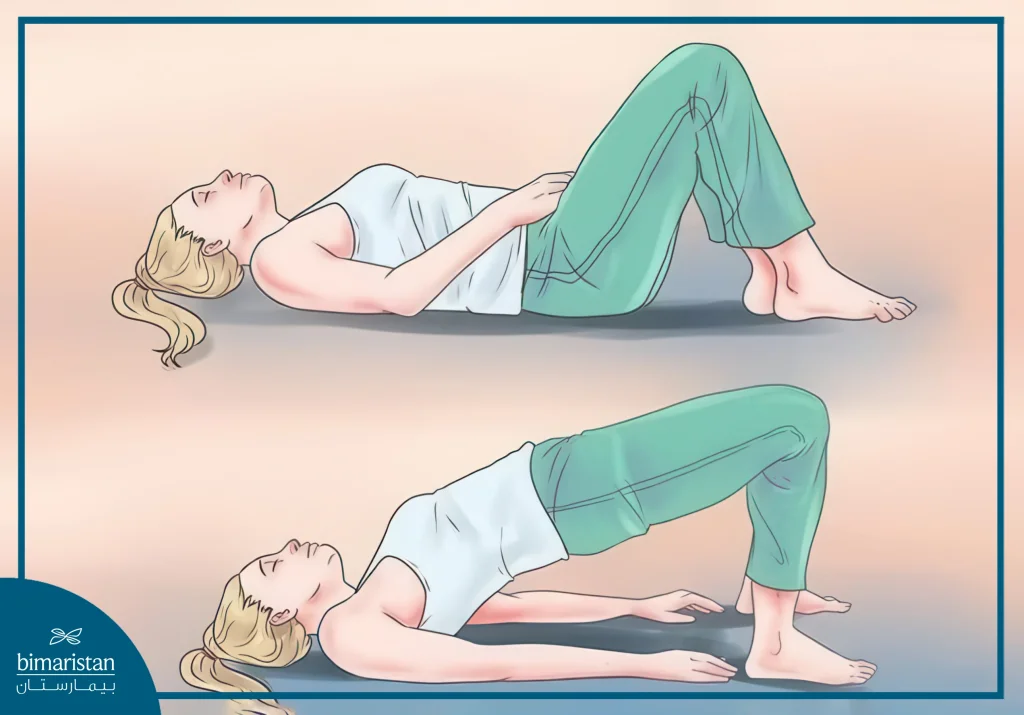
A natural method without surgical or pharmaceutical intervention, which is Kegel exercises for pregnant women. In these exercises, the patient first takes a deep breath and relaxes, then contracts the pelvic muscles as if preventing urine or gas for 3-5 seconds. They then relax completely for 5-10 seconds and repeat the movements 10-15 times, three times a day. Specialized pelvic floor physiotherapy can also be used in conjunction with Kegel exercises.
Lifestyle changes
Pregnant women should avoid lifting heavy weights, strengthen their abdominal and pelvic muscles under the supervision of a specialized trainer, and treat constipation, as it is one of the causes of pelvic floor muscle weakness in pregnancy.
Electrical stimulation therapy (if needed after pregnancy)
It is used as a non-surgical treatment to strengthen the pelvic muscles, particularly in women who experience severe weakness or difficulty with exercise and lifestyle modifications.
Can pelvic floor muscle weakness in pregnancy be prevented?
Yes, women can protect themselves from pelvic floor muscle weakness in pregnancy, as beginning Kegel exercises in the early months helps strengthen these muscles and prepare them for the growing weight of the fetus. Maintaining a healthy weight during pregnancy is also essential to reduce added pressure on the pelvic floor. It is advisable to consult a physical therapist if any symptoms appear, to prevent complications and support a healthy pregnancy and delivery.
Pelvic floor muscle weakness in pregnancy often leads to challenges such as urinary incontinence and organ prolapse, but early prevention and treatment can significantly improve outcomes. At Bimarestan Medical Center, our expert team provides specialized care using advanced technologies to support your comfort and recovery. Because your health matters, we are committed to delivering exceptional care every step of the way.
Sources:
- American College of Obstetricians and Gynecologists (ACOG). (2021). Pelvic floor disorders.
- National Institute of Child Health and Human Development (NICHD). (2020). Pelvic floor muscle training during pregnancy and delivery.