

Headaches are among the most widespread health complaints worldwide, affecting nearly 50% of adults each year. Symptoms can vary from mild, manageable discomfort to intense episodes that disrupt daily life. Many individuals struggle to recognize the difference between migraine and regular headache because some symptoms overlap. Understanding this difference is essential for selecting the appropriate treatment and preventing the condition from worsening.
What is a regular headache?
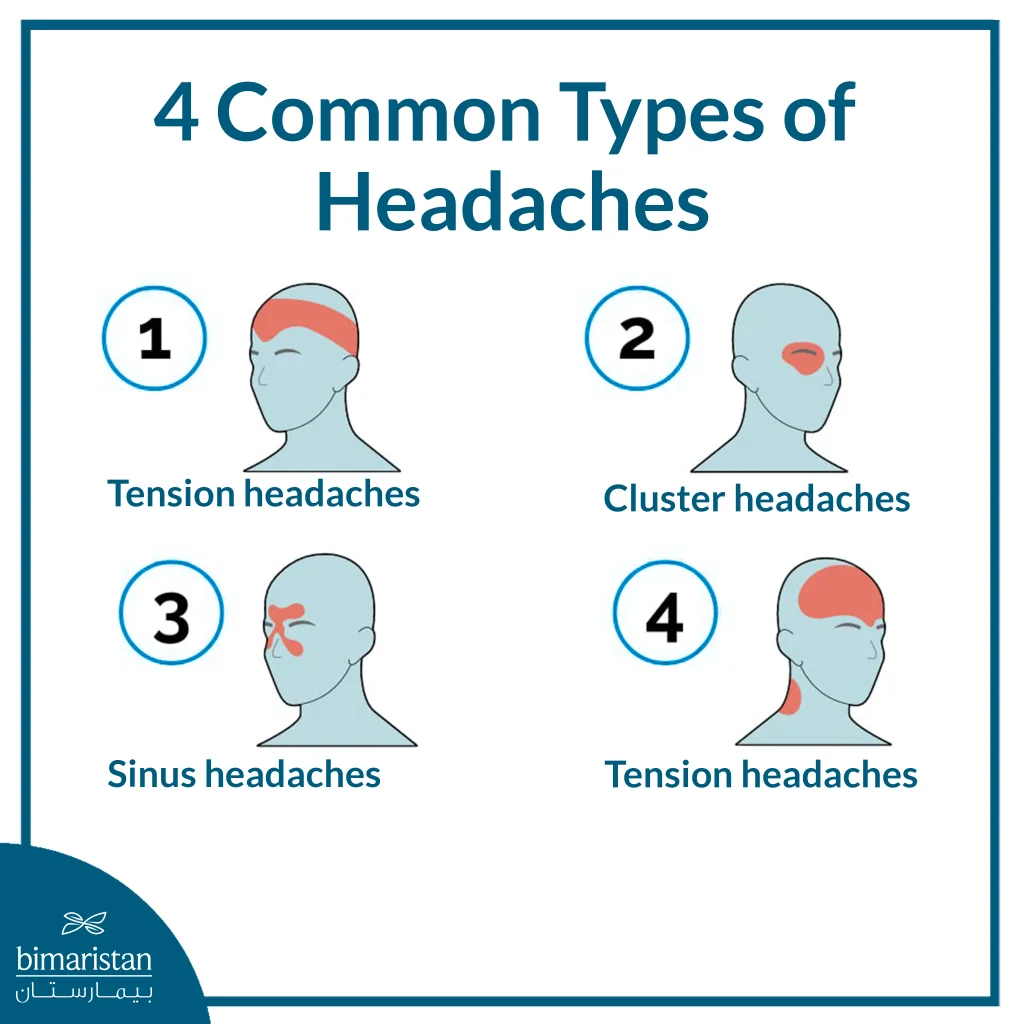
A regular headache is the most common type, often caused by muscle tightening in the head and neck, or by daily factors such as stress, fatigue, and lack of sleep. A regular headache typically causes mild to moderate pain that feels like pressure or heaviness around the forehead or sides of the head. This pain is constant and does not throb or pulse. One distinguishing feature of this type of headache is that it does not prevent a person from continuing their daily activities. It often responds quickly to simple pain relievers or a short period of rest.
What is a migraine?
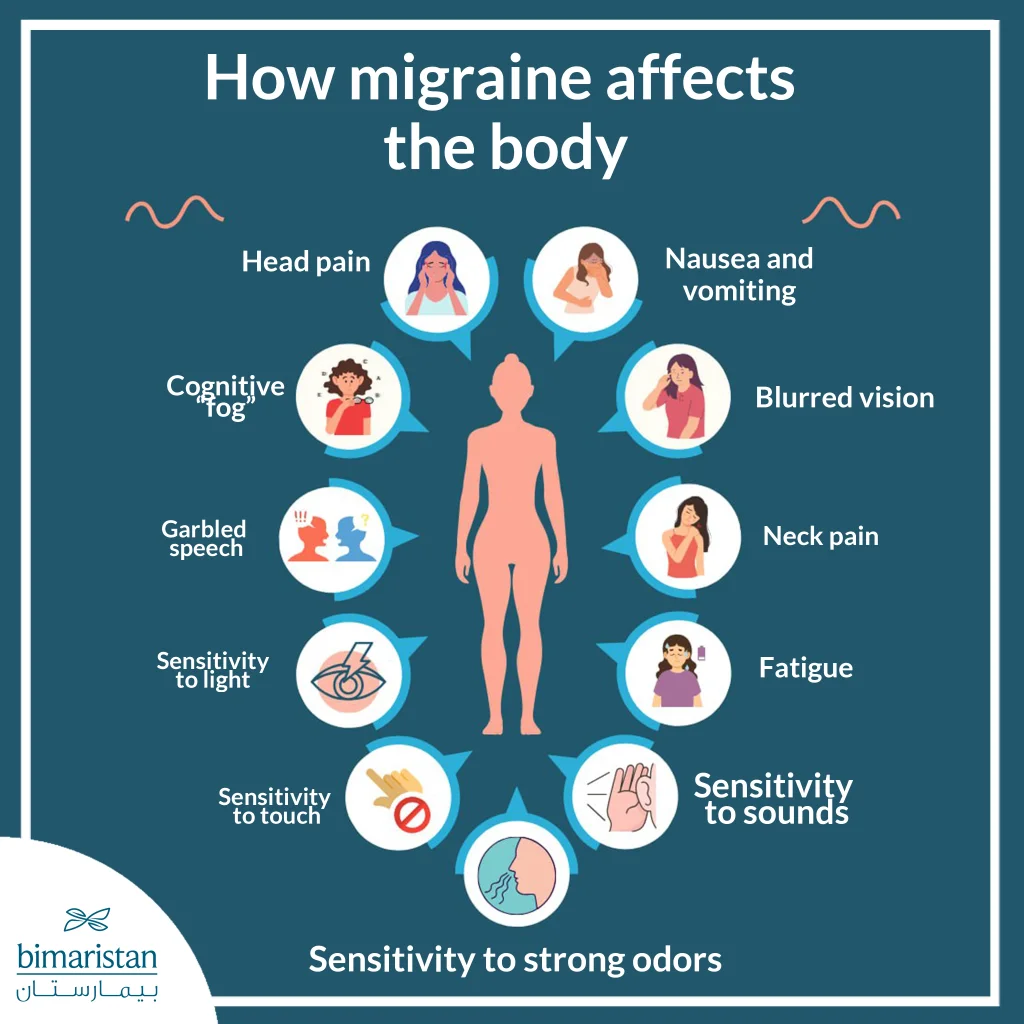
Migraine is a neurological disorder that is less common than regular headaches and is characterized by moderate to severe, often pulsating, pain on one side of the head. A migraine attack is usually accompanied by heightened sensitivity to light, sound, or odors, and other symptoms such as nausea and blurred vision may also occur.
A migraine occurs when there is a transient imbalance in the activity of the brain, blood vessels, and the trigeminal nerve, leading to a cascade of reactions that cause pain. A migraine attack usually lasts for hours or even days and significantly affects an individual’s ability to work and perform daily activities.
The difference between migraine and regular headache
| Comparative factor | Regular headaches | Migraine |
|---|---|---|
| The nature of the pain | Constant pressure or tension | Pulsating or throbbing pain |
| pain intensity | Light to medium | Moderate to severe and may interfere with activity |
| Pain location | Often on both sides of the head or forehead | Often on one side of the head and may alternate |
| Duration | 30 minutes to a few hours | From 4 hours up to 72 hours |
| Motivating factors | Stress, fatigue, lack of sleep | Strong light, sounds, odors, foods, and hormonal changes |
| Accompanying symptoms | Rarely, there are additional symptoms | Nausea, vomiting, sensitivity to light and sound, and visual confusion |
| Ability to follow the activity | Usually unaffected | Distinctly affected, and the patient may need complete rest |
| Response to treatment | Improves quickly with simple painkillers and rest | May need migraine-specific medications (Triptans and others) |
| What precedes a headache | None | In some patients, visual or sensory disturbances may appear before the seizure |
How to accurately diagnose the type of headache?
Diagnosing the type and cause of a headache goes through a number of stages, in order to determine the appropriate treatment method depending on the cause and type of headache.
Taking a detailed medical history
Diagnosis begins by asking precise questions about the nature, time of onset, duration, and factors that cause or aggravate the headache. This analysis helps determine whether the headache is pulsating (as in migraine) or compressive (as in regular headaches), and assesses the presence of nausea or sensitivity to light or sound.
Examine the accompanying symptoms and pattern of pain episodes
The doctor examines signs and symptoms associated with headaches, such as blurred vision, limb numbness, or dizziness, which may indicate a migraine or another more complex type of headache, and assesses the number and frequency of attacks and their impact on daily activity to determine the exact pattern of headaches.
Performing a clinical neurological examination
The neurological examination includes assessment of movement, muscle strength, sensory reflexes, and balance, with the aim of confirming nervous system integrity and ruling out signs that warrant further testing.
Use medical imaging when needed
If the headache is severe, sudden, or accompanied by unusual neurological symptoms, your doctor may use CT or MRI imaging to help rule out cerebral hemorrhage, tumors, infections, or any serious secondary cause of the headache.
Distinguishing between primary and secondary headaches
Differentiating between primary headaches, such as migraines and regular headaches, and secondary headaches that result from other diseases, such as high blood pressure, sinus infections, or nerve issues, is essential for determining appropriate treatment and avoiding delays in detecting serious causes.
Treatment for regular headaches
The treatment of regular headaches is straightforward and often relies on simple pharmacological treatments, home remedies, and lifestyle changes to prevent recurrence.
Simple pharmacological treatments
Conventional painkillers, such as paracetamol and non-steroidal anti-inflammatory drugs (NSAIDs), are the primary options for relieving regular headaches. These medications effectively reduce pain intensity within a short time. The choice of painkiller depends on the patient’s specific condition and their tolerance to various pharmaceutical substances. It is important to avoid overusing painkillers, as this can lead to rebound headaches associated with their misuse. Additionally, if the headache is related to muscle spasms in the neck or shoulder, a doctor may recommend muscle relaxants.
Home remedies for pain relief
Regular headaches can be relieved at home by simple means such as applying warm or cold compresses to the head or neck, or taking a short time to rest in a quiet environment, light massage of the neck and temples helps relieve muscle tension, drinking enough water is important if the headache is related to dehydration, and deep breathing exercises help reduce tension and promote a sense of well-being.
Lifestyle changes that help with recurrence prevention
Some daily changes can help reduce the frequency of regular headaches, such as improving sleep quality and establishing consistent sleep and wake times. It is also recommended to reduce stress through regular exercise or relaxation techniques, regulating meal times, avoiding prolonged hunger, and maintaining proper sitting posture at work to reduce tension in the neck and shoulders.
Migraine Treatment
Migraines are a little more complicated to treat than regular headaches, due to their significant triggers and disturbing symptoms.
Medications for migraine attacks
The treatment of migraine attacks relies on specific medications that alleviate pain and slow the progression of the attack. The most notable of these are triptans, which help regulate the vasodilation associated with migraines. For mild cases, conventional analgesics may provide relief. However, for moderate to severe attacks, patients often require stronger and faster-acting medications. Additionally, anti-nausea drugs may be prescribed if there are accompanying digestive symptoms, as these can improve drug absorption and reduce discomfort. The choice of treatment depends on the doctor’s assessment and the severity of the attack.
Preventive migraine treatment
Preventive treatment is used in patients with frequent or severe attacks and aims to reduce the number and severity of attacks over time. This treatment includes drugs such as beta-blockers, tricyclic antidepressants, and certain antiepileptic drugs, as well as newer biologic drugs that target the CGRP pathway implicated in the onset of migraine attacks. The choice of preventive treatment depends on each patient’s medical history and prior treatment response.
Avoid common triggers
Behavioral prevention is an essential part of migraine treatment. Avoiding triggers can significantly reduce the recurrence of attacks; the most important triggers include Lack of sleep, stress, prolonged fasting, intense bright light, pungent odors, and certain foods, such as chocolate, aged cheeses, and caffeinated beverages. Keeping a headache diary helps patients identify their triggers and avoid them in the future.
Can a regular headache turn into a migraine?
Certain factors, such as chronic stress, lack of sleep, dehydration, and the misuse of painkillers, can increase the sensitivity of the nervous system. This heightened sensitivity makes individuals who have a genetic predisposition or a family history of migraines more susceptible to migraine attacks. In some cases, patients may become confused because regular, recurring headaches can become more frequent and may resemble migraines. Therefore, it is essential to seek medical evaluation to determine the specific type of headache and to select an appropriate treatment.
In conclusion, understanding the difference between migraine and regular headache helps patients identify the exact type of pain and distinguish between a simple case and one that needs specialist evaluation. An accurate diagnosis can enhance quality of life and lower the frequency of attacks. Selecting the appropriate medical center ensures that the treatment plan is based on careful, precise assessment. Bimaristan Medical Center offers expert guidance to provide the best possible care for various headache conditions.
Sources: