


Spinal cancer is a complex medical condition that requires careful assessment and thoughtful therapeutic intervention due to its direct impact on the bones, nerves, and spinal cord. This disease often causes severe pain, movement disorders, and, in some advanced cases, may lead to serious neurological complications that affect the patient’s quality of life significantly. Therefore, early diagnosis and an appropriate treatment plan are key to improving clinical outcomes and minimizing long-term complications.
In recent years, the medical field has witnessed a remarkable development in adjuvant therapies, and stem cells spinal cancer treatment has played an important role in these developments. This type of therapy aims to aid tissue repair, stimulate bone healing, and minimize damage from surgery, radiation, and chemotherapy. Although stem cells are not a cure for cancer per se, they have become a promising medical option for improving functional recovery, reducing pain, and enhancing the quality of life for patients.
What is spinal cancer?
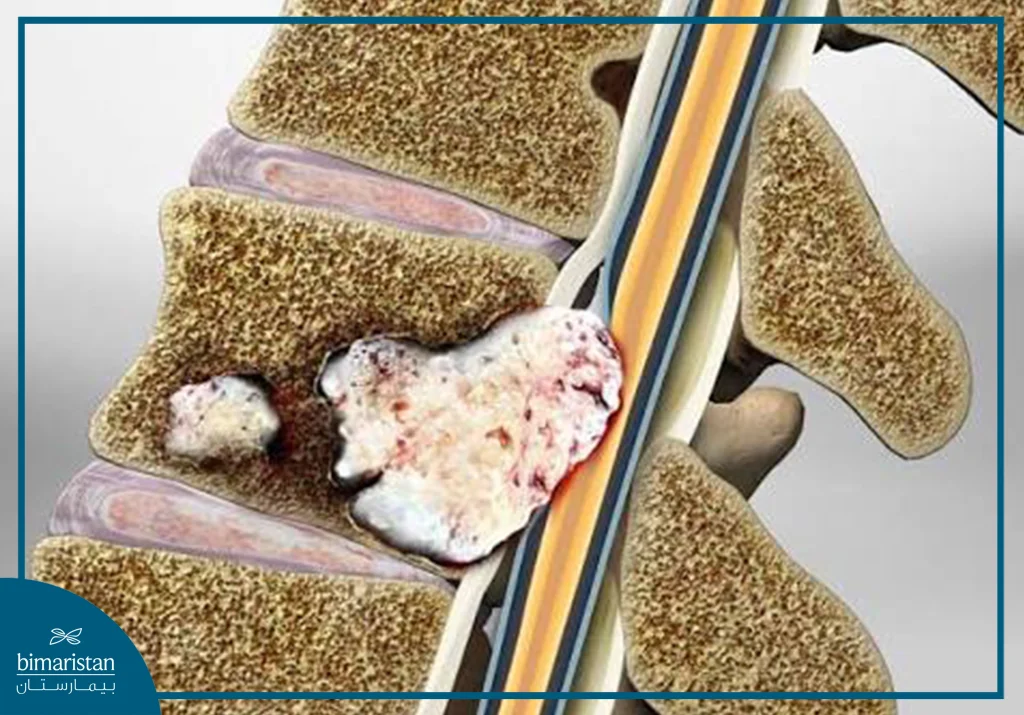
Spinal cancer is a rare type of cancer that affects the bones or tissues surrounding the spinal cord, causing bone damage, pressure on nerves, and constant pain, this cancer may hinder joint mobility and affect the patient’s ability to perform daily activities, modern treatments such as stem cells spinal cancer treatment are part of promising medical options to improve the healing process and minimize cancer-related complications.
Spinal cancer is distinguished from other types of cancer by the fact that it may cause atypical symptoms, such as muscle weakness, numbness, and difficulty controlling the limbs, while stem cells spinal cancer treatment is an adjuvant option in some cases, it mainly contributes to repairing damaged tissues and stimulating the growth of lost nerve and bone tissue, thus promoting the overall healing process and has two main types:
- Primary cancer: Primary cancer occurs when the tumor originates within the spine itself, which means that the cancer cells begin to multiply within the bone or surrounding soft tissues. This type is rare compared to secondary cancer, but in some cases, it can be aggressive and quickly affect the structure of the spine. In this case, stem cells spinal cancer treatment is particularly helpful as the damaged tissue is rebuilt, helping to reduce pain and promoting the spine’s ability to stabilize and heal.
- Secondary cancer: Cancer cells from the lung, breast, prostate, or kidney have traveled to the spine. This type is the most common and one of the most common causes of spinal cancer. Secondary cancer destroys bone and surrounding tissue, increasing the likelihood of spinal cord issues.
Causes of spinal cancer
Spinal cancer is caused by several factors and causes that affect the growth of bone cells or surrounding tissues, the most important of which are:
- Chronic bone disorders, Such as osteoporosis or congenital abnormalities, may make the spine more susceptible to abnormal cell growth.
- Gene mutations: Changes in the genes responsible for cell growth can lead to abnormal growth and tumor formation.
- Secondary cancers: Cancer cells from the lung, breast, prostate, or kidney have metastasized to the spine.
- Exposure to radiation: Treatment for previous cancers or exposure to high levels of radiation increases the risk of bone tumors.
- Chronic immune diseases: Certain immune disorders may increase the risk of cancer cells growing in the spine.
- Chronic inflammation: Persistent inflammation in the surrounding bones or joints may create an environment for tumors to grow.
- Advanced age: The likelihood of infection increases with age due to the accumulation of mutations and continued exposure to risk factors.
- Family heredity: Having a family history of bone tumors or certain cancers increases the likelihood of developing them.
- Blood diseases and tumors, Such as multiple myeloma, can affect the vertebrae of the spine.
Can spinal cancer be treated with stem cells?
Stem cells spinal cancer treatment is beginning to prove effective as an adjuvant treatment, especially in cases of cancer that causes damage to the bone or nerve tissue surrounding the spinal cord. Stem cell therapy is not a substitute for traditional treatments such as surgery or chemotherapy, but is used as a complement to improve treatment outcomes. When stem cells are used to treat spinal cancer, the primary goal is to repair damaged tissue caused by the tumor or by cancer treatment (such as chemotherapy or radiation).
Stem cells stimulate the growth of lost or damaged bone and nerve cells, which helps reduce pain and improve spinal stability. When stem cells are injected into tumor areas or damaged tissues, they regenerate the destroyed tissues and promote the healing of bone and nerve tissue, which contributes to improving patient mobility and reducing tumor-related symptoms. This type of treatment also helps stimulate the body’s natural healing process and reduces the complications that may occur due to conventional treatment.
How to treat spinal cancer with stem cells
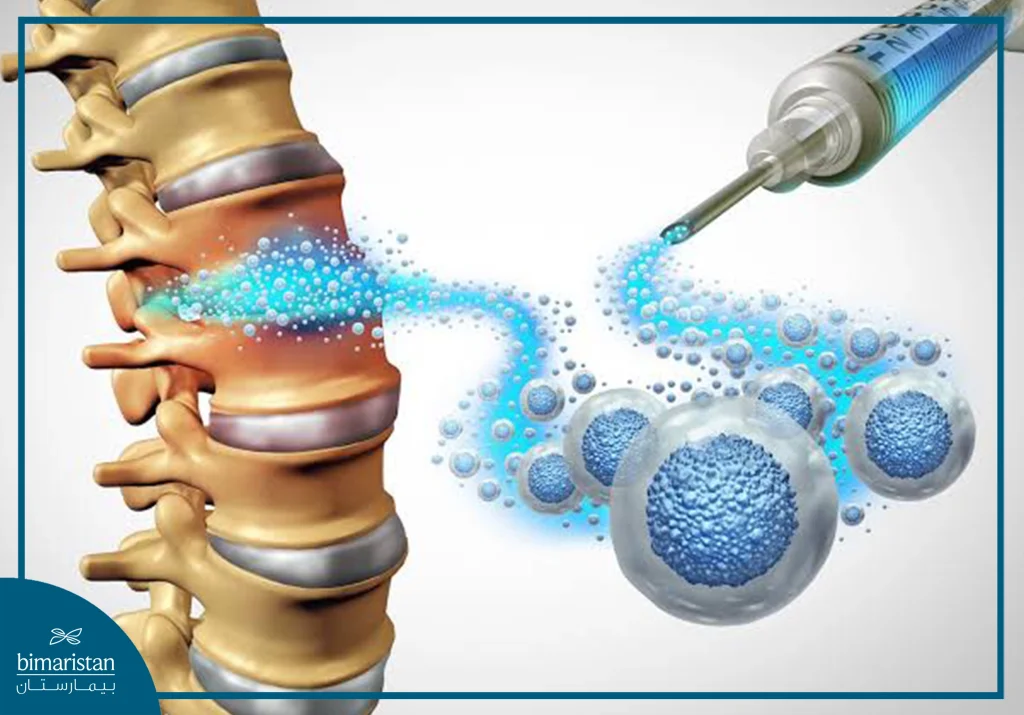
Stem cells spinal cancer treatment is carried out through several specific medical steps aimed at stimulating the regeneration of damaged tissues and promoting healing after conventional treatment, the treatment involves collecting stem cells from the patient’s body, processing them and then injecting them into the affected sites with the aim of improving bone remodeling and repairing damaged nerve tissue, the most important steps of stem cell therapy:
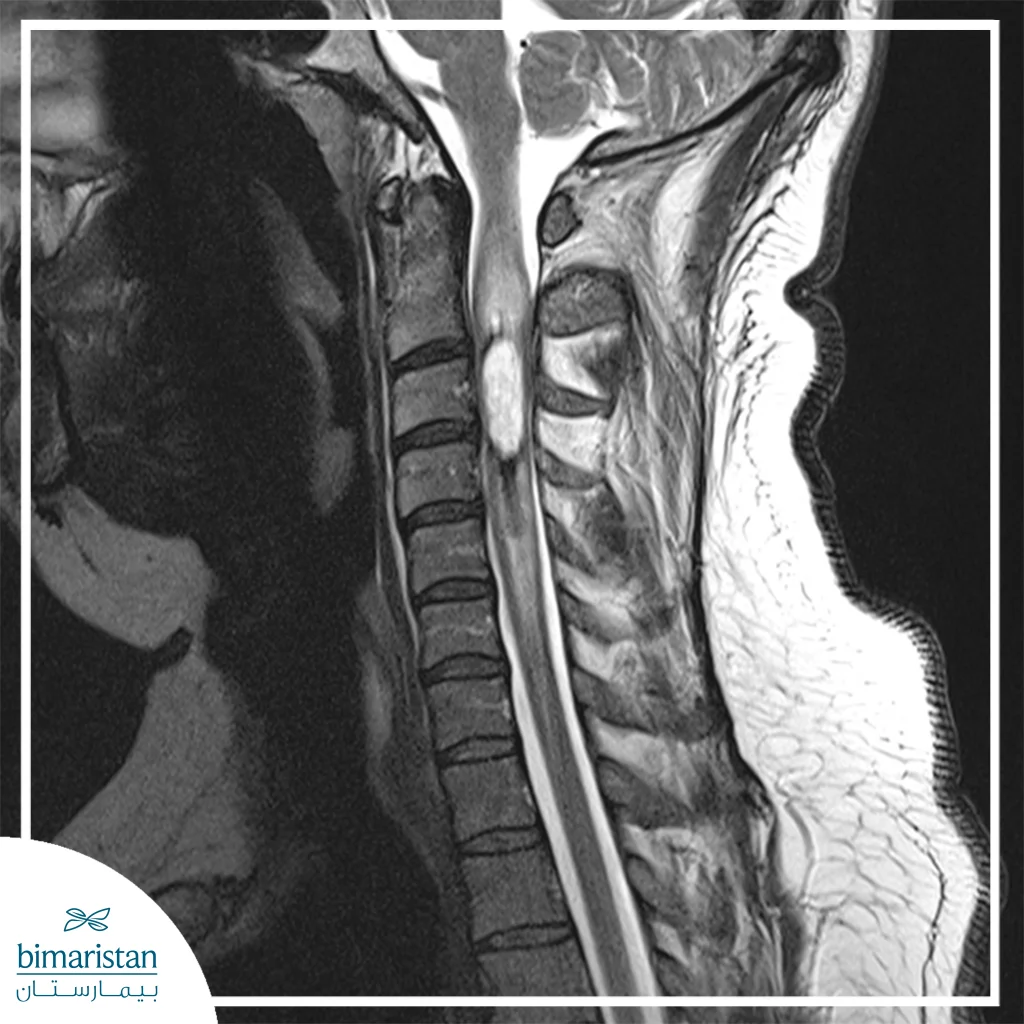
- Evaluation of the patient’s medical condition: A thorough evaluation of the patient’s condition using tests such as an X-ray or MRI helps determine the location of the tumor and how it affects the surrounding bones or nerves.
- Stem cell collection: Stem cells are collected from the patient’s body, usually from bone marrow or fatty tissue, in some cases, stem cells are extracted from the blood. The cells are then purified in a laboratory.
- Stem cell preparation: After stem cells are collected, they are processed in a special laboratory environment to ensure their effective response in treatment. Certain supportive substances may be added that improve the stem cells’ ability to differentiate into bone or nerve cells.
- Injecting stem cells into the damaged area: Once the stem cells are prepared, they are injected directly into the affected site within the spine or around the spinal cord, the goal is for the stem cells to begin rebuilding the damaged tissue.
- Monitoring results and healing: After the stem cell injection, the patient is periodically monitored using X-rays or MRIs to ensure that the stem cells are doing their job of stimulating growth.
- Post-treatment physical therapy: At a later stage of treatment, the patient is advised to undergo physical therapy to restore the strength of the muscles surrounding the spine and improve joint mobility.
Benefits of stem cells spinal cancer treatment
Treating spinal cancer with stem cells offers several medical benefits that help patients improve recovery and alleviate cancer-related symptoms:
- Stimulate the growth of bone and cartilage tissue: Stem cells help rebuild damaged tissue in the vertebrae, stabilizing the spine and reducing its deterioration.
- Reduce pain caused by the tumor or treatment: Treatment can reduce pressure on the nerves and relieve chronic pain associated with spinal cancer.
- Improve joint mobility and spinal function: The treatment restores the strength of the muscles surrounding the vertebrae and improves the patient’s ability to move normally.
- Promote recovery after surgery or radiation therapy: Stem cell therapy helps speed up the healing process and minimize complications resulting from surgical or radiation interventions.
- Support damaged nerve tissue: Stem cells stimulate the growth of damaged nerves, improving limb control and reducing numbness or impaired movement.
- Improved quality of daily life: By reducing pain and improving mobility, treatment allows the patient to perform daily activities better and reduce dependence on pain medications.
- Minimize complications associated with conventional treatments: Stem cell therapy helps protect healthy tissues during chemotherapy or radiation, minimizing side effects.
- Reduce the need for additional surgeries: As the condition of the bone and tissue improves, there may be less reliance on extensive surgeries in the future.
Advantages of spinal cancer treatment in Turkey
Turkey has a strong medical reputation in stem cells spinal cancer treatment, as it offers many advantages that make it a favorite destination for patients, the most important advantages:
- Specialized medical expertise: Turkey’s medical sector includes highly experienced doctors in stem cells spinal cancer treatment ensuring accurate and effective treatment.
- Modern and advanced technologies: Turkish hospitals use the latest medical devices and advanced technologies in stem cell therapy, which helps in achieving better results and minimizing risks.
- Affordable cost of treatment: Turkey offers advanced treatments at affordable prices compared to European or American countries, making it a popular choice for many patients.
- Comprehensive patient care: Turkey provides integrated medical services that include diagnosis, treatment, and post-treatment follow-up, which enhances the success of treatment and contributes to the psychological well-being of patients.
- Healing in a supportive environment: Medical tourism in Turkey is an added advantage, as patients enjoy a relaxing and healing environment, reducing stress and optimizing recovery.
In conclusion, stem cells spinal cancer treatment is one of the most prominent medical innovations that have transformed how to deal with tumors that affect the spine, this treatment is considered a supportive option that works to stimulate the growth of damaged tissues, whether bone or nerve, which contributes to stabilizing the spine and reducing the complications that may arise after surgery or radiation therapy, and stem cell therapy helps reduce pain and gradually increase the ability to move, which positively affects the patient’s quality of life.
In addition, Turkey offers an advanced medical environment, with high-quality medical services and modern stem cell treatment techniques, making it an ideal destination for patients. Treatment centers in Turkey offer treatment options with comprehensive care and continuous medical follow-up, which contributes to achieving the best results at reasonable costs compared to other countries, so stem cell spine cancer treatment in Turkey is an excellent option for patients looking for effective treatment and rehabilitation after cancer treatment.
Sources:
- Safari, M., & Khoshnevisan, A. (2014). An overview of the role of cancer stem cells in spine tumors with a special focus on chordoma. World Journal of Stem Cells, 6(1), 53-64.
- Hospital for Special Surgery. (2022, March 2). Stem cell discovery could revolutionize spine and cancer care. HSS News.
- StemCells21. (n.d.). Spine stem cell treatment. StemCells21.