Many women aspire to have healthy, shiny, and problem-free hair; it is often described as the crown of beauty and a symbol of femininity, playing a vital role in enhancing overall appearance and boosting self-confidence. Hair care for women is more than a cosmetic practice; it is a daily investment that reflects a healthy body and balanced lifestyle, requiring knowledge of hair’s nature, the factors that influence it, and a consistent routine tailored to each hair type and condition.
Every day, hair faces challenges such as pollution, harmful UV rays, humidity, heat from styling tools, and chemicals in dyes or unsuitable products, all of which can cause breakage, dryness, brittleness, and loss of shine. By following a simple, scientifically guided routine, women can protect their hair from damage, encourage growth, and restore vitality, regardless of hair type or lifestyle.
Why is hair care for women essential?
Healthy hair doesn’t happen by chance; it’s the result of a regular routine that combines external care with internal nourishment. Women’s hair care aims to:
- Strengthen follicles and prevent shedding
- Maintain the natural moisture of the hair
- Improve appearance and increase self-confidence
- Minimize brittleness and damage from heat and chemical products
Hair is affected by many factors, including:
- Internal factors: Nutrition, hormones, stress, and sleep.
- Environmental factors: Pollution, humidity, chlorine, and sunlight.
- Thermal factors: hair straightener, hair dryer, curling tools.
- Chemical agents: Dyes, harsh styling products.
That’s why hair care for women is not a luxury but a daily necessity to keep hair healthy from root to tip.
Hair types and the characteristics of each type
One of the key secrets to a successful hair care routine for women is understanding your specific hair type to choose the right products. Hair can be classified in various ways, and knowing your hair type is essential for selecting the most suitable products for your needs.
In terms of the nature of sebaceous secretions
In terms of the nature of sebaceous secretions, there are several types:
- Oily hair: The scalp produces a lot of oils, so it looks shiny and heavy quickly after washing. It needs a gentle shampoo that balances sebum production without over-drying, and should be washed more frequently than dry hair.
- Dry hair: Lacking natural oils, it is coarse, brittle, and dull. It requires intensive moisturizing with conditioners, hydrating masks, and natural oils as part of a woman’s hair care routine.
- Normal hair: Balanced between dry and oily, doesn’t shine greasily or look dull, and needs a regular basic routine to keep it healthy.
- Mixed hair: Oily at the roots and dry at the ends; needs double care, gentle cleansing at the roots while concentrating moisture at the ends.
In terms of texture
In terms of texture, there are many types, including:
- Straight hair: Often looks greasy quickly because oils are easily transferred from the scalp to the top of the hair.
- Wavy hair: Located between straight and curly, it needs balanced care; neither over-cleaning nor neglecting to moisturize.
- Very curly or coiled hair: The most fragile, it needs large amounts of moisture and very gentle care to avoid breakage.
- Curly hair: Tends to be dry and requires constant moisturizing to maintain its shape and prevent excessive frizz as part of hair care for women.
In terms of hair porosity
In terms of hair porosity, there are many types, including:
- High porosity: Hair absorbs moisture quickly but also loses it quickly, looking dry and tired, and would benefit from oils that “lock” moisture inside the hair.
- Low porosity: Resists moisture absorption; products collect on its surface and need formulas that can gradually penetrate the hair.
Knowing your hair type and porosity is the first step in implementing a scientific care routine that helps you choose the right shampoos, conditioners, masks, and oils.
Women’s Daily Hair Care Routine
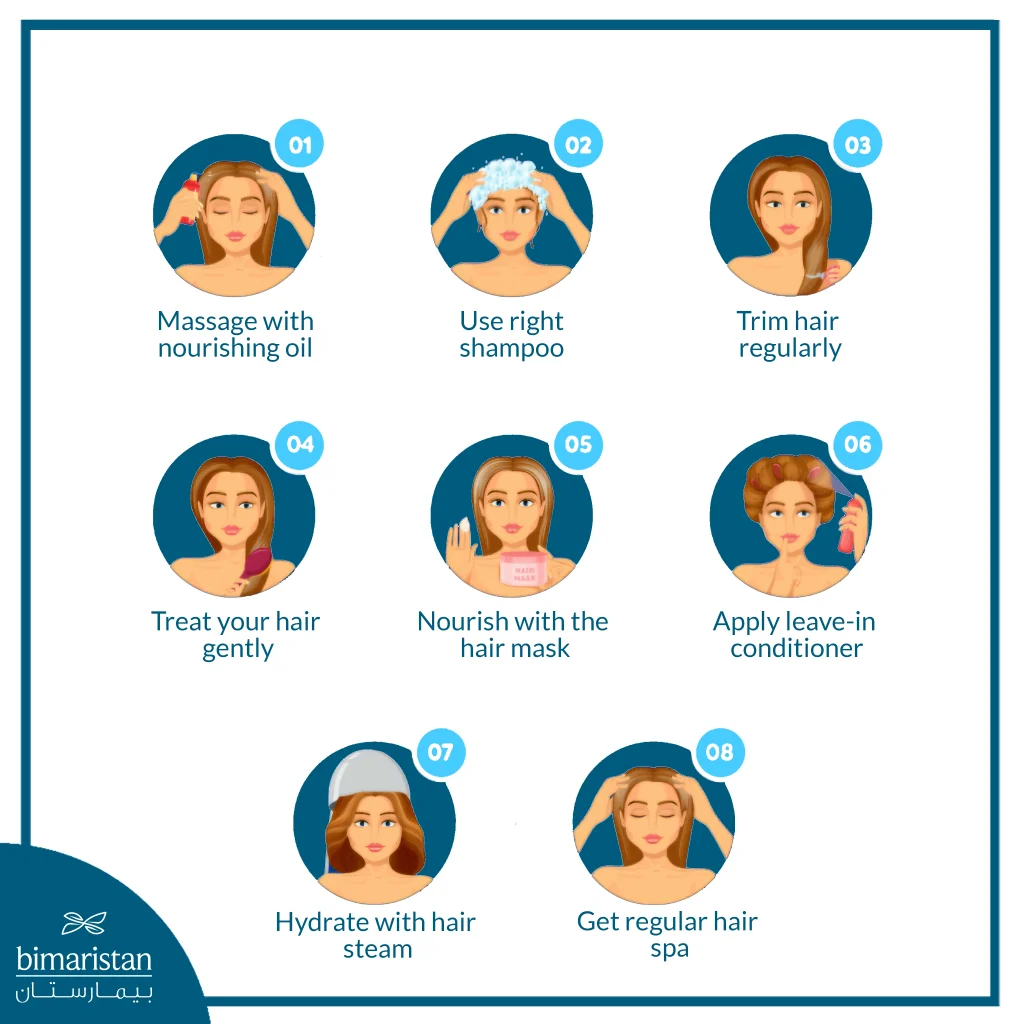
A hair care routine for women includes the following steps:
Washing and cleaning hair
The goal of washing is to remove excess oils, product residue, and dead skin cells without completely stripping the hair of its natural oils. For most hair types, washing two to three times a week is recommended, with frequency adjusted based on the scalp’s oiliness. In some cases (very oily and straight hair), you may need to wash more frequently. In contrast, dry or very frizzy hair can be washed for more extended periods, preferably using lukewarm rather than hot water to avoid further dryness.
The shampoo is primarily applied to the scalp with a gentle massage; for the ends, let the shampoo lather flow onto them. It can be used to:
- Deep cleansing shampoo once in a while to remove buildup
- A gentle shampoo suitable for your hair type for the rest of the washes
Use of conditioner
Using conditioner is an essential step in hair care for women, as it helps moisturize the hair, facilitates combing, reduces frizz, and prevents breakage. Apply the conditioner from the mid-lengths to the ends, avoiding the scalp, especially if you have oily or fine hair. For dry or curly hair, you can apply it along the entire length. Leave the conditioner in for a few minutes before rinsing it out thoroughly.
- Rinse-off conditioner for use after each wash
- Leave-in conditioner for extra moisture and frizz control
- Once-weekly deep conditioner or mask for damaged and dry hair
Deep moisturizing and masks
Dry or high porosity hair benefits from the “moisturize then seal” routine that is the foundation of hair care for women:
- Apply a moisturizing product such as a light cream or lotion
- Use a light oil or serum to seal the moisture inside the hair
- Moisturizing or nourishing masks can be used once a week or as needed
Detangling
It is preferable to use a wide-tooth comb or a specialized detangling brush, since wet hair is more prone to breakage. Therefore:
- In straight or wavy hair: It’s best to comb it when it’s slightly damp, not completely wet.
- For curly or thick hair: detangle in the shower after applying conditioner or a mask, before rinsing, to ease slip.
A detangling spray or serum can help reduce tension and breakage, making it an essential part of healthy hair care for women.
Drying
After washing, gently squeeze hair with a towel or wrap it in a cotton towel and press lightly, rather than rubbing vigorously, to avoid split ends and tangling. Allowing hair to air-dry whenever possible reduces heat damage and preserves natural moisture.
Styling and protection
Styling products such as mousse, gel, styling cream, fixing spray, shine serum, or volumizing spray may be used depending on the desired look. When using heat tools (dryer, straightener, curling iron):
- Use a heat protection product before styling
- Choose low to medium temperatures and minimize weekly use
PRP plasma injections
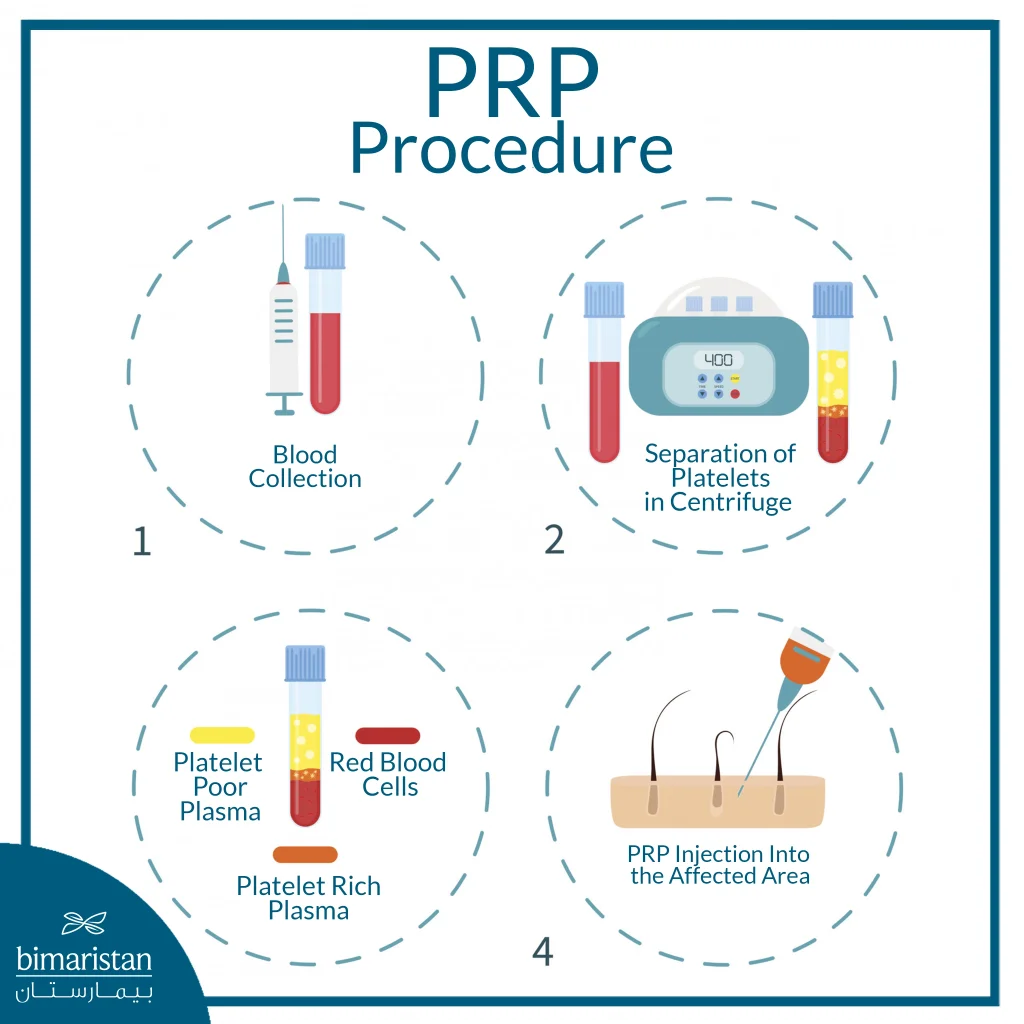
Hair care isn’t just about choosing the right shampoo and conditioner; it’s about following an integrated routine that combines proper nutrition, natural masks, and oils that support scalp health. With the introduction of new medical technologies into the beauty world, Platelet-Rich Plasma (PRP) injections have become one of the most sought-after solutions for women and men alike, utilizing platelet-rich plasma to stimulate the follicles and strengthen hair roots from within. This technique is safe and natural, showing noticeable results in reducing hair loss and increasing density, making it an ideal option for anyone looking to revitalize their hair in an effective and advanced way.
Nutrition and its role in hair health
Proper nutrition is a fundamental part of hair care for women, as hair reflects the overall health of the body:
- Protein: Keratin, a type of protein, is the main structural component of hair. Protein deficiency weakens the hair shaft, making it dry and prone to breakage. Consuming protein-rich foods such as eggs, fish, and legumes, or using keratin-based products, helps strengthen hair and restore elasticity within a hair care routine for women.
- Iron: Iron nourishes hair follicles by transporting oxygen to them. Deficiency leads to shedding and poor growth, especially in women after childbirth or during menstruation. Red meat is the richest source of iron compared to vegetables, while spinach, lentils, and liver are supportive options that enhance hair density and health when included in the diet.
- Vitamins A and C: Vitamin A aids in producing natural oils that moisturize hair, while Vitamin C contributes to collagen formation, strengthening the hair shaft and maintaining elasticity. Citrus fruits, carrots, and bell peppers support shine and protect against dryness.
- Omega-3: Omega-3 fatty acids hydrate the scalp and support hair growth by improving circulation. They also reduce inflammation and balance oil secretion. Salmon, walnuts, and flaxseeds are effective additions to internal hair care for women.
- Lifestyle: Adequate sleep and stress reduction promote natural hair growth. Chronic stress elevates cortisol levels, weakening follicles. A balanced lifestyle with sufficient rest and healthy nutrition is essential for the success of any woman’s hair care routine.
- Water: Internal hydration is the foundation of hair elasticity and shine. Dehydration makes hair brittle and dull, while drinking sufficient water daily supports scalp hydration and reduces dryness and split ends.
Natural home remedies
Home remedies support the women’s hair care program:
- Natural oils: Argan oil to reduce split ends and add shine; coconut oil for deep hydration.
- Natural masks: Avocado and honey mask for dry hair; aloe vera gel to soothe the scalp and stimulate growth.
Tips for colored or damaged hair
Colored hair requires precise and continuous hair care for women:
- Avoid daily washing to preserve color and moisture
- Limit heat styling and frequent dyeing
- Use conditioners and deep moisturizers designed for treated hair
- Consider advanced treatments such as mesotherapy or platelet-rich plasma to strengthen follicles
Daily tips to maintain your hair care results for women
- Trim hair ends every 6–8 weeks to remove split ends
- Protect hair during sleep by tying it loosely or using a silk pillowcase to reduce friction
- Shield hair from the sun with a hat or UV-protective spray
- Avoid tight hairstyles that weaken follicles and cause shedding
Common hair care mistakes
Frequent mistakes that weaken the results of hair care for women include:
- Excessive washing
- Tight hair tying
- Neglecting scalp care
- Brushing wet hair aggressively
- Choosing unsuitable products for the hair type
- Overusing heat styling without protection
When do you need to see a doctor?
If you stick to your women’s hair care routine regularly and develop issues such as:
- Excessive hair loss
- Severe itching or chronic dandruff
- Noticeable thinning or bald patches
It is recommended to consult a dermatologist or trichologist to evaluate the condition and establish an appropriate treatment plan.
Hair care for women is not a temporary task but a lifestyle based on understanding hair’s nature, choosing suitable products, and maintaining a balanced routine of cleansing, hydration, and protection. Healthy hair results from a combination of daily habits, proper nutrition, and consistent care, not from a single product or session. By following these scientifically guided steps inspired by dermatology and hair care experts, women can achieve hair that is shinier, stronger, and more resilient, reflecting beauty and confidence.
Sources:
- Centers for Disease Control and Prevention. (2024, February 20). Hair and scalp hygiene. U.S. Department of Health & Human Services.
- Bhatia, N., & Thappa, D. M. (2004). Selected disorders of hair and scalp: Part I. Indian Journal of Dermatology, Venereology and Leprology, 70(6), 368-379 .