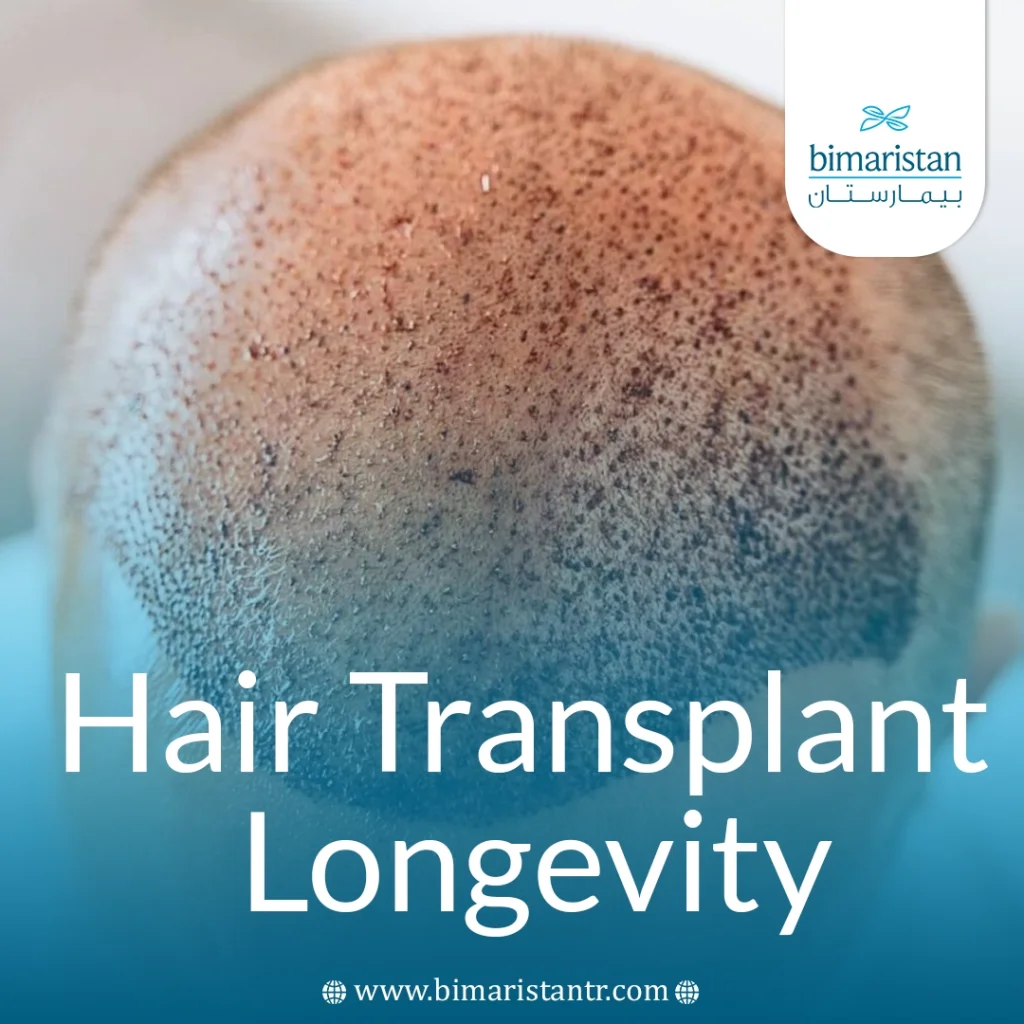
Hair transplant is a medical procedure designed to restore hair in areas affected by baldness or thinning, often due to genetics or aging. It remains one of the most effective ways to enhance appearance and boost self-confidence, offering patients the chance to regain natural-looking, dense hair.
However, a common concern before undergoing the procedure is: how long does hair transplant longevity truly hold up? The longevity of hair transplants depends on multiple factors, including scalp health, donor hair quality, age, genetic background, and post-operative follicle care, all of which play a critical role in ensuring long-term durability and lasting outcomes.
What is hair transplant?
A dermatologist or plastic surgeon removes hair from a part of the head that has hair and transplants it into a bald area. Each patch of hair contains one to several hairs (micrografts and mini-grafts). Sometimes, larger patches of skin containing multiple hair clusters are removed. The procedure does not require hospitalization, but it is painful, so hair transplant in Turkey is usually done in a medical center under local anesthesia.
Methods used in hair transplant
Hair transplant techniques vary depending on the patient’s condition and the type of hair loss they are experiencing. However, choosing the right method is crucial to the success of the procedure and to ensuring natural, permanent hair growth. It is crucial for the specialist doctor to perform a comprehensive scalp examination to determine the optimal technique for each case. Currently, three main methods are used in hair transplant: FUT, FUE, and DHI
Follicular Unit Transplant (FUT)
FUT (Follicular Unit Transplant) is one of the oldest hair transplant techniques, used since the 1990s. This method involves removing a strip of skin from the back of the head that contains hair follicles, separating the follicles, and transplanting them to the bald area. Although this method allows the procedure to be performed quickly and at low cost, it requires a surgical incision and suturing in the area where the strip was taken, which may result in permanent scars. It is performed under local anesthesia, and the session takes 4 to 8 hours.
Follicular Unit Extraction (FUE)
The process begins with shaving and sterilizing the scalp, identifying bald areas, and extracting hair follicles one by one from the donor area using precise instruments. The grafts are collected in sterile cups and sorted according to the number of roots, then the front hairline is accurately drawn, and small channels are opened in the recipient area, taking into account the direction of hair growth to ensure natural results.
FUE is the least damaging to the scalp, causing no pain, bleeding, or scarring. In most cases, one session covers up to 85% of the scalp, and some patients may need a second session. The patient can return to daily activities the next day, wearing a regular hat without bandages.
Direct Hair Implant (DHI)
It is a further development of the FUE method, as a special tool called a Choi Implanter is used to extract and transplant hair follicles directly, eliminating the need to open channels in advance. What distinguishes this method is that it does not require shaving, making it ideal for women or those who wish to maintain their current hairstyle. This type of transplant is performed under local anesthesia, and the follicles are implanted immediately after extraction, which improves the chances of a successful transplant and the quality of the results. This technique is precise, highly efficient, and produces a very natural appearance.
Are the results of a hair transplant permanent?
Yes, the results of a hair transplant are as permanent as the natural hair from the donor area used for the transplant. Once the transplanted follicles have entered the recovery period and the scalp has healed, they will continue to grow, ensuring their permanence after a successful procedure. However, several factors can affect hair transplant longevity, including:
- Age and genetic factors: Younger patients or those with genotypes associated with thick hair often have a faster, more effective growth process after transplant.
- Scalp condition: Inflammation or irritation of the scalp, as in certain skin conditions such as alopecia, may delay or impair the growth of transplanted hair, negatively affecting hair transplant longevity.
- Adhering to post-transplant instructions: Avoid sun exposure, avoid scratching the scalp, wash your hair correctly, and use minoxidil spray to support the follicles and promote growth.
- The expertise of the doctor and the skill of the medical team: Despite technological advances, transplant outcomes remain highly dependent on the surgeon. It is essential to choose a specialized doctor who understands the mechanisms of hair loss and has extensive experience in hair transplant for natural results.
- The quality of the original hair and the density of the donor area: The denser and stronger the donor area is, the better the chances of success. If the donor area is weak or suffers from hair loss, this may negatively affect the final results and hair transplant longevity.
When do the results of a hair transplant start to show?
The following table shows the time period for each stage after a hair transplant:
| Time period | Details |
|---|---|
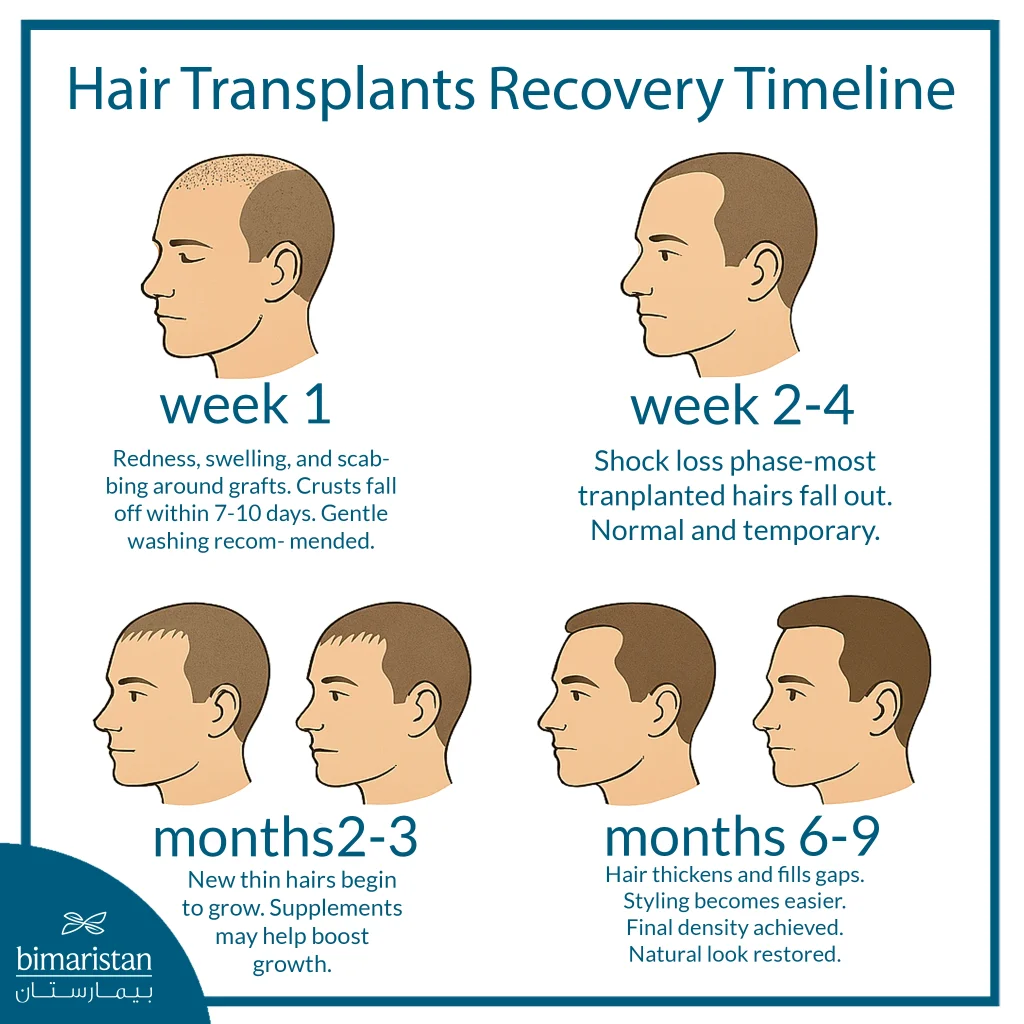
| First week | The scalp may be swollen, red, and painful during the first week, and scabs form around the transplanted follicles, which often fall off within 7 to 10 days. Gently wash the hair after 48 hours, and the swelling and redness will begin to subside by the end of the week. |
| Week 2-4 | Known as the “shock shedding phase”, most of the transplanted hair falls off during this period. This is a natural phase caused by the follicles entering a resting phase. |
| Month 2-3 | New hair begins to grow from the transplanted follicles, usually thin and colorless at first, then becomes thicker and stronger over time as blood flow begins to nourish the follicles, preparing them for growth, and the doctor recommends taking supplements to support growth. |
| Month 6-9 | Hair becomes thicker, fills the gaps more distinctly, and styling options expand. It’s important to maintain your hair care routine for improved and quicker results, while the hairline gradually begins to take shape. |
| Month 12-18 | Most people reach the final density and achieve a natural final look. |
Does the patient need additional sessions after a hair transplant?
The patient may need additional sessions after a hair transplant, particularly to improve density or address large bald areas. These extra sessions can help enhance the density of the transplanted hair, making it look more natural. Techniques such as platelet-rich plasma (PRP) therapy and mesotherapy are often used to stimulate hair growth and improve the health of transplanted follicles. These treatments promote better scalp blood circulation and nourish the follicles, ultimately increasing the chances of success, extending hair transplant longevity, and improving final results. Cases that may require additional sessions to enhance hair transplant longevity include:
- Large balding area: When the balding area is large, the first session may not be enough to cover the entire area. In this case, the number of sessions is determined by the area size and the desired hair density.
- Advanced age: As people age, their hair may become weaker and more prone to falling off. Thus, additional sessions may be necessary to enhance hair density and longevity.
- Persistent baldness: In some cases, baldness may continue to progress after the first procedure. Therefore, follow-up sessions may be recommended to monitor this progression and maintain a natural, symmetrical appearance.
The difference between a hair transplant and native hair
Native hair can gradually fall off over time, particularly in areas affected by hormones like DHT. This hair loss can affect both the density and overall appearance of the hair. In contrast, transplanted hair is typically extracted from the back or sides of the scalp, which are regions that are resistant to the DHT hormone associated with hair loss. As a result, transplanted hair retains its resistance to DHT even after relocation, reducing the likelihood of shedding over time.
The significance of medications in ensuring hair transplant longevity
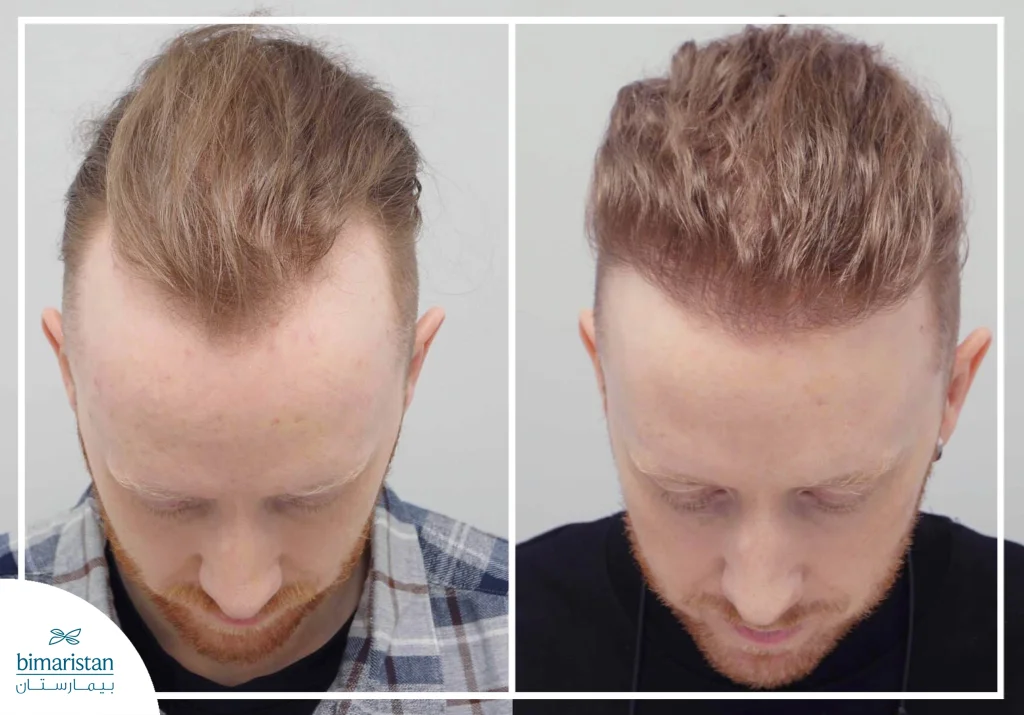
Many medications keep hair transplants alive and ensure hair transplant longevity, the most important of which are:
- Minoxidil: Over-the-counter minoxidil is available as a liquid, foam, and shampoo. To be most effective, the product is applied to the scalp once daily for women and twice daily for men. Products containing minoxidil help stimulate transplanted hair follicles and increase blood flow to the scalp, thereby promoting the growth and maintenance of transplanted hair. Regular use of minoxidil after transplant helps minimize future hair loss and enhances hair transplant longevity, while maintaining the natural results of the procedure.
- Finasteride: A medication that often requires a prescription and is available in tablet form, taken daily. It reduces the impact of the hormone DHT, which is responsible for hair loss, helping protect both native and transplanted hair from future shedding. Continued use of finasteride as directed by a physician supports hair transplant density and promotes natural hair growth, thereby enhancing hair transplant longevity and maintaining results for a longer period.
Tips to enhance hair transplant longevity
To enhance hair transplant longevity, you must adhere to several helpful instructions and procedures, including:
- Drink enough water
- Eat a high-protein diet
- Protect the scalp from the sun
- Avoid thermal styling tools
- Choose the appropriate shampoo for your specific hair type
- Avoid smoking, which reduces blood flow to the scalp
- Avoid constant stress, which can negatively affect hair growth
- Follow all the doctor’s instructions and do regular medical follow-ups
- Take supplements that support hair health, such as vitamin D, iron, zinc, and biotin
In general, hair transplantation offers long-lasting results in most cases, but hair transplant longevity depends on individual factors such as genetics, age, hair quality, scalp condition, and adherence to post-operative care. Therefore, consulting a specialized doctor before undergoing the procedure is essential to ensure optimal hair transplant longevity and maintain results over time.
Sources:
- U.S. National Library of Medicine. (2025, August 2). Hair transplantation. In StatPearls. StatPearls Publishing.
- U.S. National Library of Medicine. (2025, February 5). Hair transplant. MedlinePlus.