Erectile dysfunction is one of the important indicators of a man’s physical and psychological health, as it reflects a delicate interaction between the nervous, hormonal, and vascular systems. Its importance lies in its direct impact on the quality of life and the marital relationship, in addition to being sometimes an early warning of hidden disorders that need a comprehensive medical evaluation. Hence, there is a need to deal with the condition with an integrated medical perspective that balances the organic and psychological aspects to ensure effective and sustainable treatment.
What is erectile dysfunction?
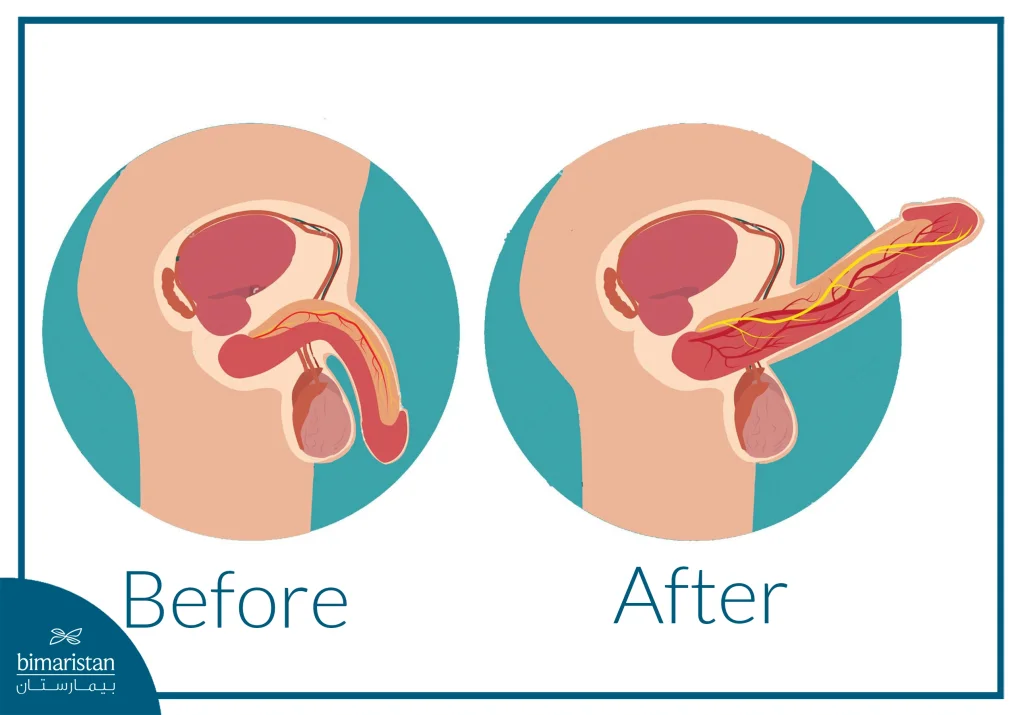
Erectile dysfunction (ED) is a medical condition that refers to a man’s inability to achieve or maintain an erection sufficient for satisfactory sexual activity. This condition is not just a temporary difficulty, but a recurring issue that affects sexual performance and varies in severity between individuals. Erectile dysfunction is not a disease in itself, but is often a symptom of a range of health or psychological conditions, and reflects a complex balance between neurological, hormonal, vascular, and psychological factors.
Although erectile dysfunction is more common with age, it can affect men at any stage of life and is an important indicator of men’s overall health and their ability to maintain a quality sexual and emotional life.
Causes of erectile dysfunction
- Physical Causes
- Cardiovascular diseases: Poor blood circulation reduces blood flow to the penis.
- Diabetes: Damage to nerves and blood vessels reduces the ability to achieve an erection.
- Neurological diseases: multiple sclerosis, spinal cord injuries, and nerve strokes.
- Hormonal disorders: low testosterone, thyroid dysfunction, or hyperprolactinemia.
- Vascular diseases: Arteriosclerosis impedes blood flow to the penis and is the most common cause.
- Medications: Some high blood pressure medications, antidepressants, heart medications, and some prostate cancer medications.
- Psychological causes
- Fear of sexual failure
- Marital relationship difficulties
- Psychological stress, anxiety, and depression
- Lifestyle
- Smoking and alcohol
- Unhealthy diet
- Obesity and lack of physical activity
Diagnosis of erectile dysfunction
- Medical and sexual history
- History of chronic illnesses, medications, duration and severity of erectile dysfunction
- Clinical examination
- Assessment of reproductive organs, vital signs, body mass index, and blood pressure
- Lab tests
- Hormones: Testosterone, thyroid, and prolactin.
- Sugar and fat: to detect diabetes and high cholesterol.
- Kidney and liver function tests: to check the effect of medications and chronic diseases.
- Penis Tests
- Doppler echo waves: to assess blood flow within the penis.
- Nocturnal erection test: distinguishes between psychological and physical causes.
- Stimulatory tests: Evaluation of the response to ejaculation and erection under laboratory conditions.
Erectile dysfunction treatment
Treatment depends on the underlying cause and severity of the condition, and includes:
Drug treatment for erectile dysfunction
Drug treatment for erectile dysfunction includes the following:
Phosphodiesterase 5 inhibitors
Phosphodiesterase 5 inhibitor medications increase nitric oxide levels within the penile tissue, leading to smooth muscle relaxation and vasodilation, thereby improving blood flow and erections. These medications are recommended to be taken 30 to 60 minutes before intercourse, depending on the type of medication used, while some, such as Tadalafil, can be taken daily in low doses to maintain sustained effectiveness.
Studies show that the response rate to these medications is 70 to 80% in relatively healthy men. Side effects include headache, dizziness, facial flushing, gastrointestinal disturbances, and sometimes minor vision changes. Despite their high efficacy, they should not be used in conjunction with nitroglycerin medications or in patients with serious heart disease due to the possibility of a severe drop in blood pressure.
Hormone therapy for erectile dysfunction
Hormone therapy is one of the important treatment options in cases of erectile dysfunction caused by testosterone deficiency and is used only after confirming the presence of hormonal deficiency proven by laboratory tests, this treatment aims to restore the natural hormonal balance in the body and improve sexual desire and erectile function by compensating for the deficiency in the male hormone (testosterone), which plays a key role in regulating sexual desire and stimulating nitric oxide production within the cavernous bodies of the penis.
There are several forms of testosterone administration depending on the patient’s condition and preference, including periodic intramuscular injections that deliver relatively constant levels of the hormone, topical gels that are applied daily to the skin and absorbed gradually, skin patches that deliver continuous doses throughout the day, and oral capsules or subcutaneous implants that provide a slow and long-lasting release of the hormone.
Hormone therapy requires careful medical supervision because uncontrolled use may lead to side effects such as benign prostatic hyperplasia (BPH) or increased risk of irritation of underlying tumors, as well as an increase in hemoglobin level and blood density, which increases the risk of thrombosis. It may also affect liver and thyroid function in some cases, so it is recommended to perform regular checkups to monitor hormone levels and organ function during the treatment period to ensure safety and optimal effectiveness.
Other drugs
- Albuterol/Potostatin: These medications work topically to dilate the blood vessels in the penis, which improves blood flow and helps achieve an erection.
- Injections into the corpus cavernosum of the penis: Alprostadil, a direct smooth muscle-stimulating drug, causes vasodilation and increased blood flow within the corpus cavernosum.
- Urethral suppositories: Used as an alternative to injections in some cases, alprostadil is placed inside the urethra to be absorbed locally and help achieve erections in a less invasive manner.
Psychological and behavioral therapy for erectile dysfunction
Behavioral psychotherapy includes:
- Relaxation exercises and meditation techniques: Relieve psychological stress and improve sexual performance.
- Cognitive-behavioral therapy: Useful for treating anxiety and depression associated with ED.
- Sex therapy and marital therapy: Improving communication, resolving marital issues, and addressing fear of sexual failure.
Technical and mechanical treatments for erectile dysfunction
We mention types of treatments:
- Erection collars: Help maintain an erection after using a pump.
- Pelvic floor exercises: Strengthens the muscles supporting the penis and increases the strength of erections.
- Vacuum devices: A pump that draws blood into the penis and maintains it with a rubber ring.
Surgical treatment for erectile dysfunction
It includes surgical treatment:
- Vascular surgery: Correcting blocked arteries in rare cases.
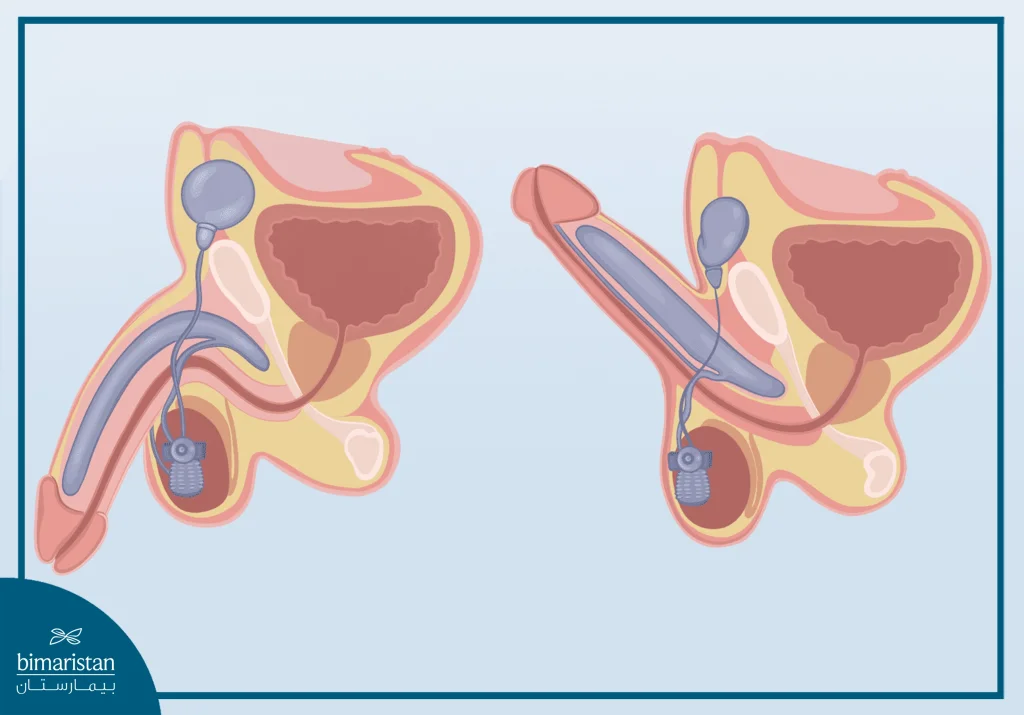
- Penile implantation: An option for cases that are resistant to other treatments and involves implanting an inflatable or flexible penis.
Erectile dysfunction prevention and lifestyle management
There are some tips that can reduce the risk of erectile dysfunction, such as:
- Abstain from smoking and alcohol
- Managing Stress and Improving Relationship Quality
- Maintain a healthy weight and exercise regularly
- Control chronic diseases such as diabetes and high blood pressure
Complications of erectile dysfunction
There are some complications that may be associated with erectile dysfunction:
- Psychological effect
- Depression and anxiety: Constant anxiety and fear of sexual failure can develop into chronic psychological disorders.
- Psychological and emotional stress: may lead to problems with concentration and attention, and increase overall psychological stress.
- Decreased self-confidence: Repeated failure to achieve an erection leads to feelings of frustration and a loss of confidence in one’s sexual ability.
- Impact on marital relationship
- Long-term marital problems: Conflict or constant tension may arise within the relationship due to sexual frustration.
- Deterioration of intimacy: Persistent erectile dysfunction may lead to frustration for the husband or wife, which reduces sexual communication.
- Physical impact
- An indicator of other diseases: Erectile dysfunction may be an early sign of heart disease, high blood pressure, or diabetes.
- Circulatory problems: Erectile dysfunction is often linked to insufficient blood flow, which may indicate vascular problems or arteriosclerosis.
- Social impact
- Social isolation: A man may feel shy or embarrassed, leading to withdrawal from social life.
- Reduced quality of life: The combination of psychological, emotional, and physical effects greatly reduces feelings of satisfaction with life.
- Impact on reproduction
- Difficulty conceiving: Persistent erectile dysfunction can reduce the chances of fertilization if not treated appropriately.
Confronting erectile dysfunction starts with recognizing its existence and treating it as a treatable health condition, not as a social stigma or personal weakness. Scientific advances have provided various treatment options that enable most patients to regain their normal sex life and improve their psychological and emotional balance. Understanding the issue and seeking early medical advice is the first step towards recovery and restoring self-confidence and quality of life.
Sources:
- HS. (2023, July 28). Erectile dysfunction (impotence).
- Amsterdam UMC. (2025, January 9). Erectile dysfunction and treatment options
- Leslie, S. W., & Sooriyamoorthy, T. (2025). Erectile Dysfunction. In StatPearls. StatPearls