A considerable number of individuals with spinal cord injuries experience significant changes in their sexual and reproductive lives. Research indicates that erection, ejaculation, and arousal in both males and females are markedly affected following injury. In fact, studies show that more than 80% of patients suffer from difficulties related to sexual performance or fertility. These problems extend beyond the physical dimension, impacting psychological health and the emotional aspects of relationships. Thus, sexual and fertility problems after spinal cord injury emerge as a major priority in medical and social rehabilitation for these patients.
What are spinal cord injuries?
Spinal cord injuries involve partial or complete damage to the spinal cord, the central neural structure that runs within the vertebral column and transmits signals between the brain and the rest of the body. Such injuries lead to loss or impairment of movement and sensation in affected regions and may be accompanied by disturbances in bladder and bowel control. They also directly affect sexual function and reproductive capacity, potentially resulting in infertility.
The severity of sexual and fertility problems after spinal cord injury and their impact on daily life vary according to the level and extent of damage. These injuries are complex medical conditions requiring close monitoring and multidisciplinary management to improve patients’ quality of life.
Impact of spinal cord injury on sexual function
Spinal cord injuries directly impair sexual function in both men and women due to the disruption of neural pathways between the brain and the reproductive organs. The nature of these changes depends on the level and severity of injury and may be temporary or permanent, affecting sexual desire, arousal, erection, ejaculation, and the ability to conceive.
Sexual changes in men
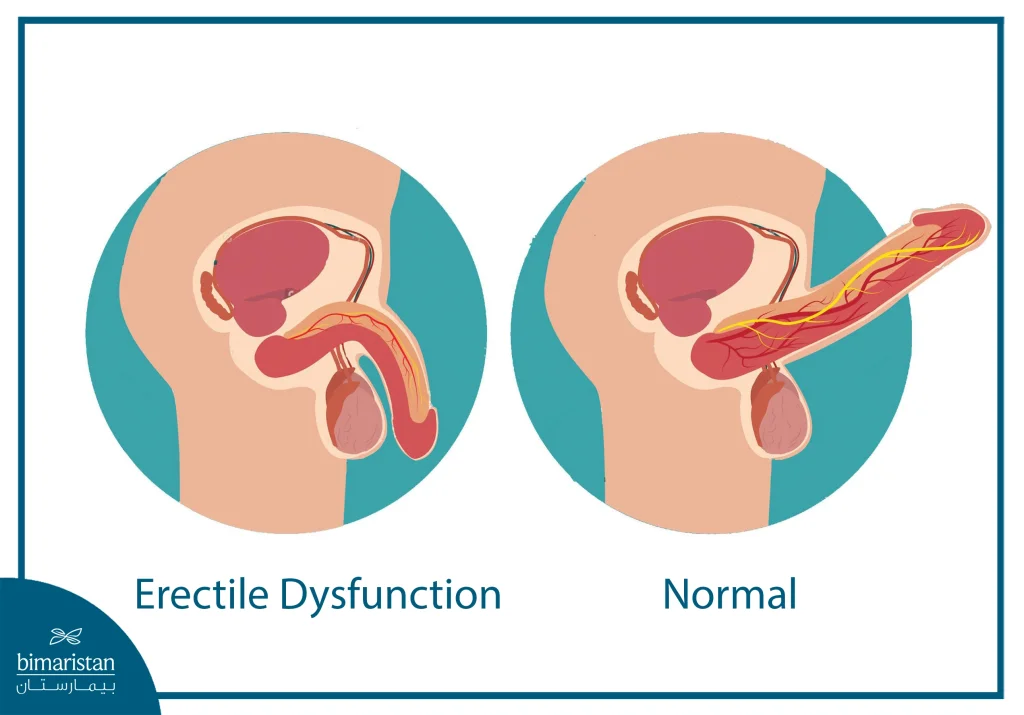
Spinal cord injuries frequently cause erectile and ejaculatory dysfunction. Erection can be classified into two main types:
- Reflex erection: Occurs in response to direct genital stimulation and depends on spinal cord reflexes. It often remains intact in injuries above the second to fourth thoracic vertebrae.
- Psychogenic erection: Relies on mental or sensory stimulation and requires intact neural pathways between the brain and spinal cord. It is significantly impaired in higher‑level injuries and may be weak or inconsistent.
Ejaculatory problems
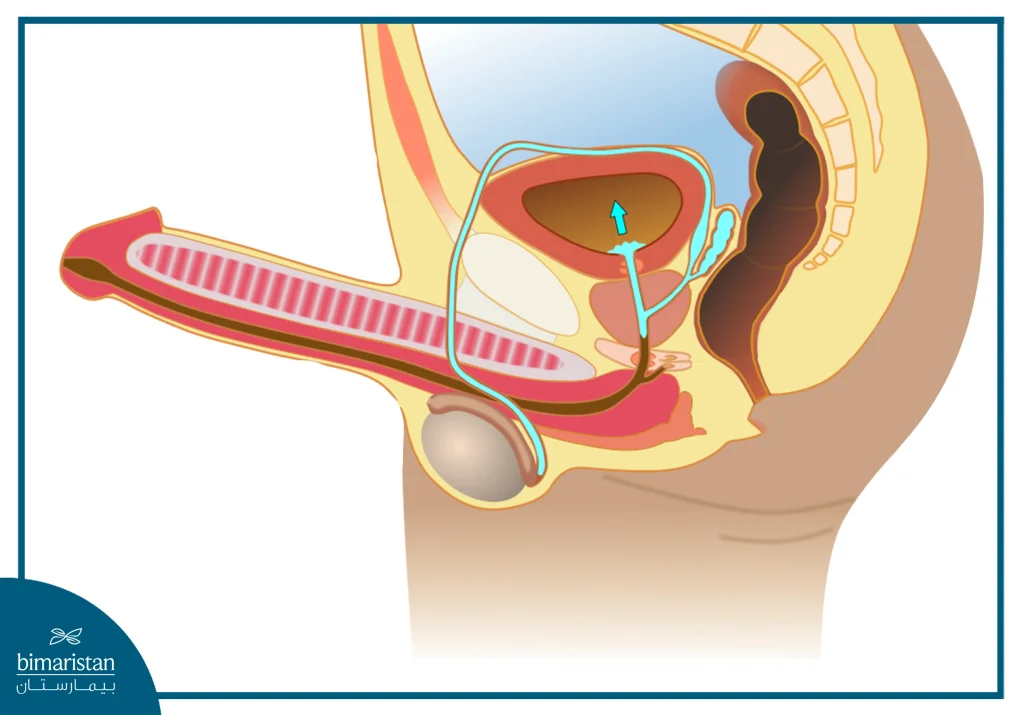
- Some patients may experience retrograde ejaculation, where semen enters the bladder instead of being expelled through the penis
- Ejaculation may be weak or impossible in most patients with spinal cord injuries, especially if the injury is above the twelfth thoracic vertebra (T12)
- Impaired ejaculation sometimes reduces the chances of natural conception and may require specialized medical interventions such as sperm retrieval using electroejaculation techniques or catheters
Sexual changes in women
Women with spinal cord injuries may experience a range of sexual changes due to disrupted neural signaling and altered pelvic sensation:
- Decreased sexual desire resulting from sensory changes or chronic pain
- Altered vaginal lubrication leading to dryness and dyspareunia, often requiring lubricants or topical therapies
- Difficulty in sexual arousal due to reduced pelvic sensation, which may hinder the achievement of full sexual satisfaction
- Some women may retain the ability to conceive, but close medical monitoring is essential since risks such as miscarriage, preterm labor, or complications during vaginal delivery are increased
- Psychological and emotional impact: Injuries affect self‑confidence and marital relationships, with anxiety or depression potentially worsening sexual problems.
- Overlap with other conditions: Chronic bladder or bowel dysfunction may complicate sexual activity or cause persistent pain.
- Hormonal changes: Spinal cord injuries can disrupt sex hormone levels in both men and women, affecting libido and reproductive capacity.
Impact of spinal cord injury on fertility
Spinal cord injuries significantly influence reproductive capacity in both men and women by affecting the neurological and hormonal mechanisms responsible for reproduction. The level and severity of injury, along with the time elapsed since onset, affect the degree of impairment. Therefore, fertility assessment and treatment planning are essential for all patients.
Impact on male fertility
Spinal cord injuries may cause multiple fertility‑related problems, including:
- Direct neurological effects on the gonads may impair sperm production or quality
- Reduced motility and sperm count due to altered scrotal temperature regulation or recurrent prostatitis
Ejaculatory dysfunction:
- Incomplete or retrograde ejaculation markedly reduces the chances of natural conception
- In some cases, sperm retrieval through electroejaculation or catheter‑based techniques is required for assisted reproduction
Hormonal disturbances:
- Pituitary hormone secretion may be disrupted, impairing spermatogenesis
- Reduced testosterone levels affect libido, erectile function, and sperm quality
Other complications:
- Chronic pain and psychological distress may diminish sexual desire and activity
- Chronic bladder dysfunction and recurrent urinary tract infections may indirectly impair fertility
Impact on female fertility
Fertility in women with spinal cord injuries often remains possible, but additional challenges and risks include:
- Increased risk of miscarriage or preterm birth due to impaired pelvic muscle control and circulatory changes
- Difficulty with vaginal delivery in some cases, requiring specialized obstetric planning for safe pregnancy and childbirth
- Potential hormonal disturbances affecting menstrual regularity or ovulatory quality necessitate ongoing endocrine evaluation
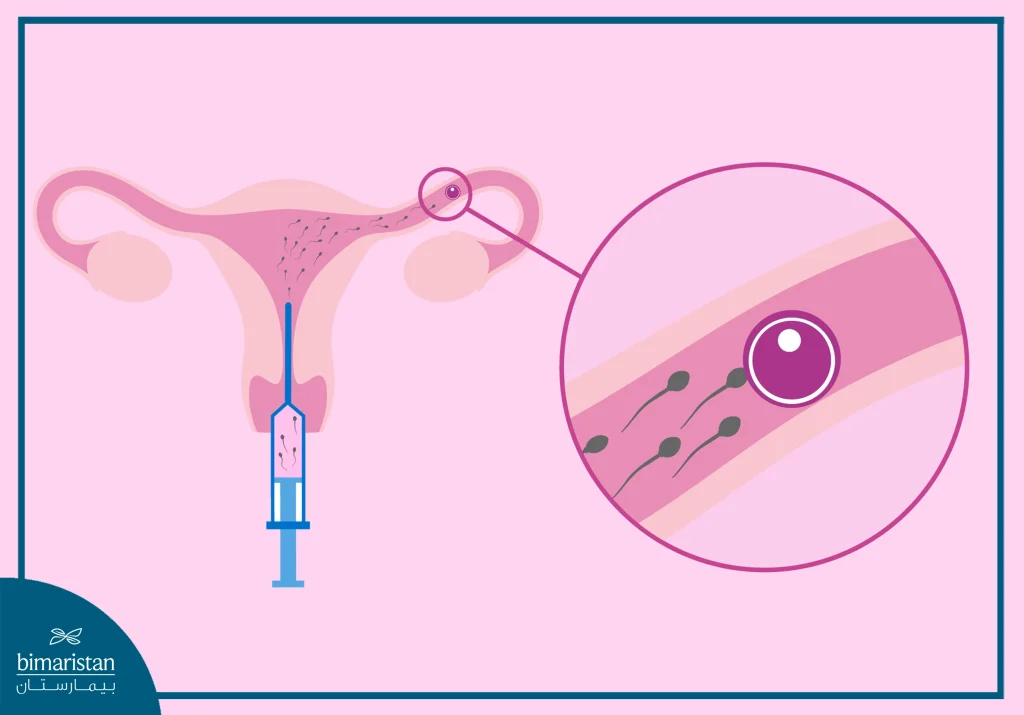
- Assisted reproductive techniques such as artificial insemination or ovulation induction with hormonal stimulation may be required to optimize chances of a successful pregnancy
Medical diagnosis of sexual and fertility problems after spinal cord injury
The diagnosis of sexual and fertility problems after spinal cord injury is a fundamental step in establishing an accurate and effective treatment plan. The diagnostic process for sexual and fertility problems after spinal cord injury includes:
- Comprehensive medical history: Inquiry into previous or current fertility issues and any prior therapeutic interventions.
- Detailed information gathering: Documentation of the level and severity of the injury, as well as the nature of the traumatic event that caused the spinal cord damage.
- Assessment of sexual changes post‑injury: Recording alterations such as erectile dysfunction, ejaculatory difficulties, reduced sexual desire, and changes in sexual arousal in women.
Clinical evaluation
- Assessment of pelvic muscle function that influences bladder control and sexual activity
- Assessment of erection and sexual capacity, with observation of both reflexogenic and psychogenic erections
- Evaluation of sexual sensation in men and women, particularly in the pelvic and thigh regions
- Examination of the bladder and urinary tract, as problems in these areas can affect sexual performance and fertility
Hormonal testing
- Monitoring female sex hormones to evaluate ovulation and regulate the menstrual cycle.
- Measurement of pituitary hormones that control the production of sex hormones
- Assessment of testosterone levels in men to determine the impact on libido and sperm quality
Fertility evaluation
- Men: Semen analysis to assess sperm count, motility, and morphology, with additional tests as needed.
- Women: Monitoring ovulation and reproductive function using laboratory tests or ultrasound to determine pregnancy potential and establish an appropriate treatment plan.
Treatment options and management of sexual and fertility problems after spinal cord injury
Treatment options for sexual and fertility problems after spinal cord injury are divided into:
Treatment options for sexual and fertility problems after spinal cord injury in men
- Pharmacological therapy: Use of PDE5 inhibitors such as sildenafil (Viagra) or tadalafil to stimulate erection and enhance sexual capacity.
- Penile implants: Vacuum pumps and mechanical aids to achieve an erection when pharmacological response is insufficient.
- Neurostimulation and electroejaculation: Applied to induce erection and ejaculation, particularly in cases of incomplete or retrograde ejaculation.
- Assisted reproductive procedures: Including sperm retrieval via electroejaculation or intrauterine insemination techniques, such as intracytoplasmic sperm injection (ICSI), for patients with severe sexual and fertility problems after spinal cord injury.
Treatment options for sexual and fertility problems after spinal cord injuries in women
- Topical therapies: Moisturizing creams and lubricants to facilitate intercourse and reduce pain caused by vaginal dryness or impaired arousal.
- Psychosexual therapy: Behavioral counseling and sexual therapy techniques to enhance libido and improve sexual response.
- Close pregnancy monitoring: Careful medical follow‑up to ensure maternal and fetal safety, with individualized delivery planning to minimize risks during pregnancy and childbirth.
Psychological and Social Support
- Sexual counseling and behavioral therapy to reduce anxiety and improve self‑confidence
- Support groups and marital counseling to share experiences and provide practical guidance
- Health education regarding physical and sexual changes after spinal cord injury, emphasizing the importance of early therapeutic intervention
Prevention of Sexual and Fertility Problems After Spinal Cord Injury
Preventive measures include:
- Effective management of chronic pain to improve sexual function and quality of life
- Early treatment of urinary and bladder complications to reduce their impact on fertility and sexual health
- Maintaining a healthy lifestyle:
- Appropriate exercise for unaffected muscles
- Psychological support to reduce depression and anxiety related to injury
- Balanced nutrition and maintaining an ideal body weight to minimize health complications
Managing sexual and fertility problems after spinal cord injury requires a comprehensive approach that integrates medical interventions, psychological support, and specialized rehabilitation. With proper care, many patients can enhance their sexual quality of life and maintain reproductive opportunities, reducing feelings of isolation and anxiety. Bimaristan Medical Center offers advanced expertise in this field, providing holistic sexual and rehabilitative services for patients seeking to rebuild their intimate lives. Ultimately, early and individualized support can help achieve a healthy balance between physical and emotional needs after injury.
Sources:
- Earle, S., O’Dell, L., Davies, A., & Rixon, A. (2020). Views and experiences of sex, sexuality and relationships following spinal cord injury: A systematic review and narrative synthesis. Sexuality and Disability, 38(4), 567–595.
- Scivoletto, G., Petrella, R., & Di Capua, M. (2022). Male sexual dysfunction and infertility in spinal cord injury patients: State-of-the-art and future perspectives. Journal of Personalized Medicine, 12(6), 873.
- Patki, P., Hamid, R., Shah, J., & Craggs, M. (2007). Fertility following spinal cord injury: A systematic review. Spinal Cord, 45(2), 187–195.
- Sipski, M. L., & Alexander, C. J. (1993). Self-awareness of the male sexual response after spinal cord injury. Archives of Physical Medicine and Rehabilitation, 74(10), 1025–1029
- Sipski, M. L., Alexander, C. J., & Findley, T. W. (1993). Sexual activities, desire, and satisfaction in males pre- and post-spinal cord injury. Archives of Sexual Behavior, 22(3), 217–228