
Surviving prostate cancer is a milestone in a patient’s journey from active treatment to remission and long-term surveillance. Thanks to significant advances in diagnosis and treatment methods in recent decades, survival rates have increased significantly, even in advanced stages of the disease. However, surviving prostate cancer remains a complex experience that goes beyond the physical aspects to include psychological, social, and life dimensions that require integrated support from the medical team, family, and community.
The concept of surviving prostate cancer
The concept of survival in oncology refers to the state in which the patient lives after the completion of treatment, whether surgical, radiation, hormonal, or pharmacological, and is free of clinical signs of the disease, but remains under surveillance for the possibility of relapse or late complications. Surviving prostate cancer involves three interrelated stages:
- Early survival: Begins immediately after the end of treatment and is characterized by the phase of adjusting to physical and psychological changes.
- Intermediate survival: Spans the first few years of follow-up and includes assessment of relapse risk and recovery of physical function.
- Long-term survival: Where the patient lives a stable life after more than five years with no evidence of recurrence of the disease, with a focus on maintaining overall health and preventing chronic complications.
Post-treatment medical care
Post-treatment care is the cornerstone of survivorship, aimed at early detection of possible tumor recurrence, monitoring treatment complications, and promoting overall health. Post-treatment care includes:
- Laboratory follow-up
- Liver and kidney function tests: if using medications that affect metabolism or excretion.
- Hormonal tests: to assess testosterone levels, especially in patients who have undergone long-term hormone therapy.
- Prostate-specific antigen (PSA) test: Performed every 3–6 months during the first two years after treatment and then once a year. Any persistently high PSA level may indicate a recurrence of tumor activity.
- Radiographic follow-up
- Magnetic resonance imaging (MRI): Used to evaluate local recurrence in the prostate or pelvic area.
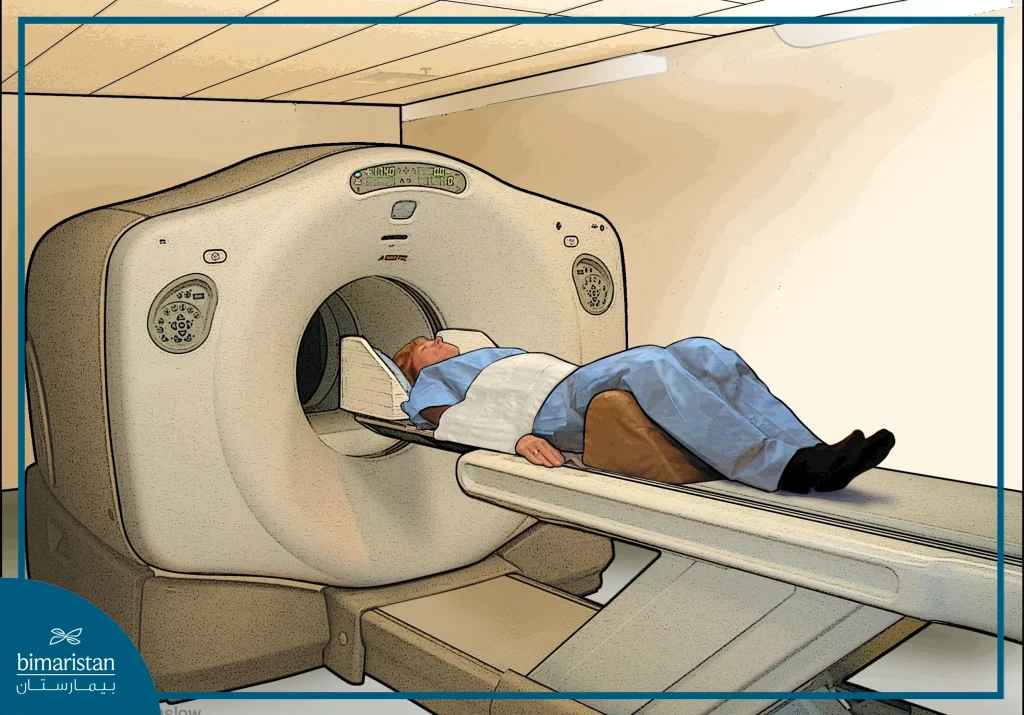
- Positron emission tomography (PET) is one of the most accurate modern methods for detecting microscopic relapse before it appears clinically.
- Computed tomography or bone scan: to detect bone metastases, which are the most common site of spread for prostate cancer.
- Clinical follow-up
- During routine visits, the doctor assesses urinary and sexual symptoms, monitors side effects of previous treatment, and performs a clinical rectal examination when needed.
Managing long-term side effects
Despite the effectiveness of modern treatments, some side effects may persist for years after recovery and while surviving prostate cancer, including:
- Impotence: Caused by damage to the cavernous nerves surrounding the prostate during surgery or radiation. Treatment options include
- intracavernosal injections
- Psychological support and behavioral therapy to improve confidence and performance
- Erectile dysfunction devices in intractable cases
- Phosphodiesterase-5 inhibitors (such as sildenafil and tadalafil)
- Urinary incontinence: May result from weakness of the urinary sphincter after prostatectomy. Treatment may include
- Physical therapy under the supervision of a specialist
- Pelvic floor muscle strengthening exercises (Kegel exercises)
- Use of suction devices or surgical penile implants when needed
- Generalized fatigue and mood disorders: Common in cancer survivors due to hormonal changes and stress, and can be alleviated by
- Specialized psychological support
- Regular aerobic exercise
- Regulating sleep hours and a balanced diet
- Osteoporosis: Especially in patients who have received long-term hormone therapy. Includes prevention and treatment
- Calcium and Vitamin D supplements
- Bisphosphonate medications or denosumab should be taken under a doctor’s supervision.
Relapse prevention and lifestyle optimization
Studies show that lifestyle behaviors directly affect relapse rates and quality of life after surviving prostate cancer. Top preventive recommendations include:
- Diet
- Eating fish rich in omega-3
- Reduce animal fats and processed foods
- Eat plenty of leafy green vegetables and tomatoes rich in lycopene
- Physical Activity
- Resistance training to maintain muscle mass, especially after hormone therapy
- Engage in moderate exercise (such as brisk walking or swimming) for 150 minutes per week
- Healthy weight
- Obesity is a risk factor for disease recurrence as it is linked to increased estrogen levels and chronic inflammation.
- Avoid smoking and alcohol
- It reduces the risk of secondary tumors and improves immune system function.
Psychological aspects are a hidden challenge for survivors. Many suffer from constant anxiety about the recurrence of the disease, gender dysphoria, or a sense of loss of masculinity. Support required includes:
- Individual or group psychotherapy: With the help of clinical psychologists.
- Survivor support groups: Allow for the exchange of experiences and the sharing of real-life emotions and experiences.
- Family support, especially from the wife or children, plays a major role in raising morale and encouraging the patient to continue with follow-up and self-care.
- Managing recurrence anxiety: Many survivors live in a constant state of anxiety about the possibility of tumor recurrence, which has a negative impact on sleep and social relationships. Psycho-behavioral support and patient education about relapse rates and prevention methods are important ways to reduce this fear and improve long-term psychological adjustment.
Physical and sexual rehabilitation after treatment after surviving prostate cancer
Full recovery from prostate cancer requires a multidisciplinary approach to rehabilitation, including:
- Physiotherapy: To improve urinary control and restore pelvic muscle strength.
- Sex therapy: Combines medication and behavioral training to improve performance.
- Adjuvant hormone therapy: In some cases, to compensate for hormonal deficiency after suppression of androgens.
- Nutritional counseling: To support energy and strengthen the immune system.
Long-term coexistence and quality of life
After surviving prostate cancer, you need a comprehensive plan that addresses all aspects of your physical, psychological, and social health. Best practices include:
- Participate in educational programs: To increase awareness of ways to live and improve the quality of life after treatment.
- Commit to regular checkups for life: To monitor for any signs of tumor recurrence and early intervention when needed.
- Maintain communication with your medical team: To manage any chronic symptoms and get ongoing support.
- Adopt an active and healthy lifestyle: Exercise and eat a balanced diet to stay fit and boost immunity.
Recent research on prostate cancer treatments
Oncology is rapidly advancing the understanding of prostate cancer biology and molecular mechanisms, opening up new perspectives in prostate cancer survivorship care. Recent research highlights include:
- Gene therapy: Aims to modify genetic mutations associated with tumor development.
- Precision medicine, which relies on analyzing the tumor genome to determine the optimal treatment for each patient.
- Molecular biomarkers: These help predict the risk of relapse and the patient’s response to treatment.
- Targeted immunotherapies: These rely on stimulating the immune system to recognize and precisely attack tumor cells.
Surviving prostate cancer is not the end of the battle, but rather the beginning of a new phase of awareness, perseverance, and continuous care. The chances of survival are high thanks to rapid medical advances, but the quality of this life depends on the patient’s commitment to follow up on his condition, adopt a healthy lifestyle, and utilize the medical and psychological support available. The true journey of survival is not measured by the number of years, but by the survivor’s ability to regain physical, emotional, and social balance and return to a life full of hope and activity.
Sources:
- Cancer Research UK. (2025, June 11). Survival for prostate cancer
- American Cancer Society. (n.d.). Survival rates for prostate cancer.