
Obesity is one of the most serious public health issues of modern times, associated with an increased risk of heart disease, diabetes, high blood pressure, and sleep apnea. Although lifestyle modification through diet and exercise is the first step in treating obesity, these interventions alone are often not the best obesity treatment in severe cases. Advanced medical options, such as drug therapies or metabolic surgery, are designed to help patients lose weight effectively and minimize long-term complications.
What is excessive obesity?
Excessive obesity is a health condition characterized by an excessive accumulation of body fat that can have negative effects on organ function and increase the risk of a number of chronic diseases. Excessive obesity is usually diagnosed when the body mass index (BMI) is 40 or higher. Contributing factors include genetics, poor dietary habits, lack of physical activity, and hormonal changes. In the case of obesity, the body is subjected to significant stresses that affect its overall health, increasing the likelihood of developing chronic, life-threatening medical conditions.
The effect of obesity on the cardiovascular system
Obesity is a major contributor to a significantly increased risk of cardiovascular disease. When the body accumulates excessive fat, blood pressure is adversely affected, leading to hypertension that increases the burden on the heart and blood vessels. This excess pressure on the heart can lead to an enlarged heart and weakened heart muscle, increasing the risk of angina, heart attacks, atherosclerosis, and strokes. In addition, obesity increases levels of LDL cholesterol and triglycerides, which are factors that contribute to the formation of fatty plaques within the arteries, obstructing blood flow to the heart and brain and increasing the risk of atherosclerosis.
The effect of obesity on the respiratory system
The effect of obesity on the respiratory system is not only limited to difficulty breathing, but also includes serious issues such as sleep apnea. This respiratory disorder is a condition in which breathing is temporarily interrupted during sleep, leading to a reduction in the level of oxygen in the blood. This, in turn, affects sleep quality and increases daytime fatigue and tiredness.
Over time, apnea can lead to serious health issues such as high blood pressure, heart disease, and strokes. Obesity also increases the load on the lungs, causing difficulty breathing during physical activity or even at rest. In addition, fat accumulation around the abdominal area is associated with poor breathing and deteriorating lung function, as excess weight affects the movement of the diaphragm and its ability to expand and contract normally.
The impact of obesity on mental health
Obesity has a profound impact on mental health, with many people experiencing feelings of anxiety and depression due to the impact of obesity on their appearance and body image. This psychological impact can be due to social stereotypes that associate obesity with unattractiveness or failure to maintain weight, leading to a decline in self-confidence. Furthermore, obesity can lead to social isolation, as some people avoid social activities or interaction with others for fear of being judged because of their weight. These people are often prone to being ostracized or discriminated against in work environments or in society in general. This psychological stress may increase the risk of depression, anxiety, and other psychological disorders.
The best obesity treatment in mild cases
There are many treatments available for mild obesity, and the best obesity treatment in mild cases is lifestyle changes, including regular exercise and eating healthy and balanced meals. We will talk in a little more detail about these aspects to achieve the best treatment for mild obesity.
Dieting for mild obesity
The therapeutic diet in cases of obesity is based on achieving a deliberate energy deficit, so that the calories entering the body are less than the calories consumed on a daily basis. Medical recommendations indicate that cutting calories by 500-600 calories per day will help you lose weight gradually and safely, at a rate of about half a kilogram to a kilogram per week.
Keeping track of your calorie intake on a daily basis through food logs or dedicated apps can help promote awareness of eating habits and stabilize weight loss in the long run. It is also advisable to focus on regularity in meals and avoid extreme fluctuations in calorie intake between days, as this improves metabolism and makes it easier to control weight.
What should we eat to lose weight?
A healthy diet should consist of:
- Fresh vegetables and fruits: Rich in fiber, they help you feel fuller for longer.
- Whole grains, Such as oats and bulgur, support blood sugar stabilization.
- Low-fat proteins, Such as fish, poultry, and legumes, help maintain muscle mass.
- Healthy fats, Such as olive oil and nuts in moderate amounts, promote satiety and support body functions.
- Water and unsweetened liquids: Essential for maintaining hydration and reducing empty calorie intake.
To achieve effective weight loss results, it’s best to eat small, balanced meals throughout the day rather than relying on one large meal. Careful portion control, eating slowly, and avoiding eating in front of screens are all habits that help improve calorie control. Consistency and discipline are the keys to achieving healthy and sustainable weight loss.
Exercise to treat obesity
Physical exercise is a great obesity treatment, as it helps increase energy expenditure and stimulates the body to burn stored fat. Moderate-intensity physical activity, such as brisk walking or cycling, for at least 150 minutes per week, or more intense activity for 75 minutes per week, is usually recommended by international medical recommendations. This level of activity not only supports weight loss but also improves cardiovascular fitness and respiratory capacity, reducing the risk of obesity-related chronic diseases.
In addition to burning calories, exercise promotes mental health, helps control appetite, and improves sleep quality, making it a key component of any obesity treatment program. Incorporating strength training twice a week maintains muscle mass during weight loss and increases basal metabolic rate. Consistency in exercise, choosing activities that are enjoyable and appropriate for the individual, is the key to achieving long-term results.
The best obesity treatment in moderate cases
If the patient does not respond to the diet or cannot apply it effectively, the best obesity treatment is as follows:
Behavioral therapy for obesity
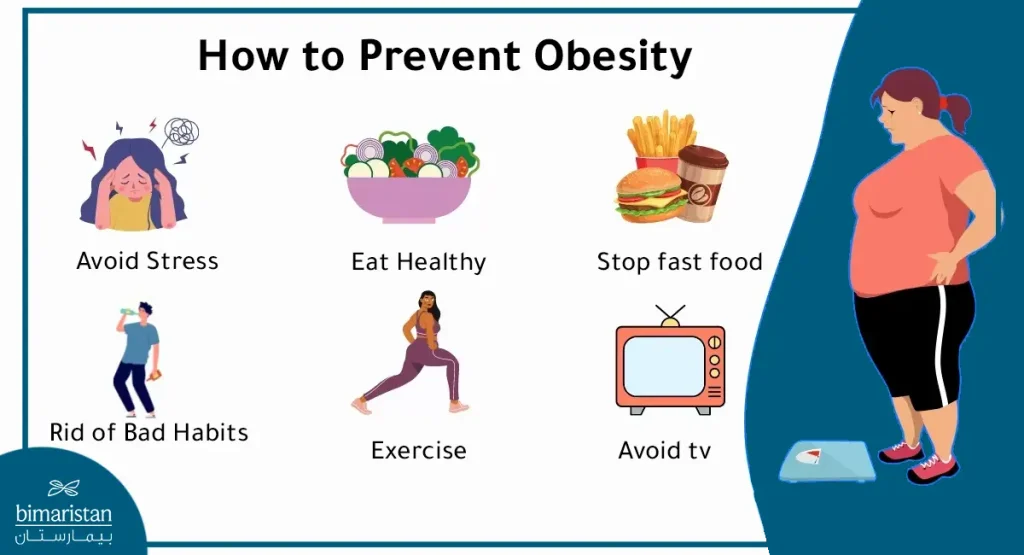
It includes several recommendations to help the average obese patient apply the diet effectively to lose weight. Namely:
- Set realistic weight loss goals: If you are obese, losing just 3% of your original body weight can significantly reduce your risk of obesity-related complications
- Eat more slowly and pay attention to what you eat and when you eat it: For example, don’t be distracted by watching TV while eating
- Avoid situations where you know you may be tempted to overeat
- Involve your family and friends in your weight-loss efforts: They can help motivate you
- Monitor your weight loss progress: For example, weigh yourself regularly and write down your weight in your diary
Getting psychological and scientific support from a professional may also help you change the way you think about food and eating. Techniques such as cognitive behavioral therapy (CBT) can be helpful.
Treating obesity with medication
Obesity medications are one of the options if the patient does not benefit from the above-mentioned methods. Some of the most important obesity medications include the following:
Orlistat
When diet and exercise don’t yield sufficient results as obesity treatments, certain medications may be recommended as an adjunctive treatment option. One of the most common treatments is orlistat, which works by inhibiting the digestive enzymes responsible for fat absorption, causing a portion of the fat to be excreted with feces and reducing the total calorie intake.
Studies show that using orlistat in appropriate doses, combined with a low-calorie, low-fat diet, can help you lose an additional 5-10% of your total weight within a year.
Despite its effectiveness, the drug may cause some side effects such as bloating, diarrhea, or greasy stools, especially when consuming high-fat meals. Patients are advised to monitor their diet and take fat-soluble vitamin supplements (A, D, E, and K) to compensate for any potential deficiencies. Orlistat is a relatively safe option for those who cannot or wish to avoid surgery, provided it is used under medical supervision.
Liraglutide – Semaglutide
GLP-1 mimetics such as liraglutide and semaglutide are the latest pharmaceutical treatments that have shown promising results as an obesity treatment. These medications work by mimicking a natural hormone that regulates appetite and stomach movement, helping to reduce hunger and increase satiety.
Benefits
- Significant weight loss, up to more than 10-15% of total weight in some patients
- Improved control of blood sugar levels, which benefits type 2 diabetics
- Reduce the risk of obesity-related cardiovascular disease
- Supports diet adherence by reducing food cravings
Side effects
- Symptoms such as nausea, vomiting, diarrhea, or constipation, especially at the beginning of treatment
- Possible headache or mild dizziness
- In some rare cases, it may be associated with an increased risk of pancreatitis
These medications are an effective option for people who have not achieved adequate results with diet and exercise, but they need careful medical supervision to evaluate the benefits against potential symptoms.

When do we resort to surgery as an obesity treatment?
Surgery is a last resort in the treatment of obesity when traditional methods such as diet and exercise have failed to produce effective results. Surgery is recommended if your body mass index (BMI) is over 40, or between 35 and 40 with obesity-related health issues such as type 2 diabetes, high blood pressure, or sleep apnea. Surgery is an option for people who have been unable to lose weight sustainably despite multiple attempts, or who face significant health risks that may affect or threaten their quality of life.
There are many ways to lose weight surgically. Some of the most prominent bariatric surgeries in Turkey are:
- Gastric balloon
- Single anastomosis with sleeve gastrectomy
- Laparoscopic gastric banding
- Gastric bypass surgery
Advantages of obesity treatment in Turkey
Turkey is a leading destination for obesity treatment, offering a range of advantages that make it a preferred choice for many patients seeking effective and safe solutions. Over recent years, Turkey has become a major destination for international patients thanks to its high-quality medical services and competitive prices. Here are some of the main advantages of treatment in Turkey:
- Advanced medical technologies: Turkey is characterized by the use of the latest technologies in bariatric surgery, such as robotic surgery, which ensures greater accuracy and minimizes risks and complications. There are also medical centers equipped with the latest equipment to provide the highest quality treatment.
- Competitive prices: Turkey offers the cost of obesity treatment at affordable prices compared to many European and American countries, while maintaining a high level of quality and services. These prices make treatment in Turkey an attractive option for citizens from all over the world.
- Highly experienced specialized doctors: Turkey has a group of doctors and surgeons who specialize in bariatric surgery and are highly experienced in performing advanced procedures such as sleeve gastrectomy and gastric bypass. These doctors have international training and use the latest treatment methods.
- Comprehensive and integrated medical services: Medical centers in Turkey provide comprehensive services from initial consultations, through medical and surgical treatment, to post-operative follow-up. This also includes psychological care and support in lifestyle modification after surgery.
- A safe and regulated medical environment: Turkey adheres to international quality standards in healthcare delivery, as the country’s hospitals and medical centers follow the highest safety and sterilization standards, ensuring a safe and risk-free medical environment.
- Medical tourism: In addition to medical treatment, Turkey also offers medical tourism services. Patients can enjoy luxurious accommodation in hotels near medical centers, making the treatment experience more comfortable. Many centers also provide translation and transportation services, making it easier for international patients to communicate easily.
In conclusion, obesity is a major health challenge faced by many people around the world. Treating obesity requires a comprehensive approach that includes lifestyle modification, medical treatment, and sometimes surgery.
Turkey offers an ideal environment for obesity treatment thanks to its advanced technology, excellent medical staff, and competitive prices. Through treatment in Turkey, patients can benefit from the best treatments and modern medical techniques in a safe environment. It is important to make the decision carefully and to know all the available options to reach the best obesity treatment.
Sources:
- NHS. (n.d.). Obesity treatment. National Health Service.
- National Institute of Diabetes and Digestive and Kidney Diseases. (n.d.). Treatment of overweight and obesity in adults. National Institutes of Health.
- MedicalNMedical News Today. (2018, August 22). What are the health risks of obesity? Medical News Today.
- ewsToday