The use of cauterization techniques such as lasers in the treatment of bladder disorders is increasingly applied in women. Research indicates that symptoms improve in up to 70% of cases that fail to respond to conventional therapies. In these situations, specialists turn to bladder cauterization for women as an advanced, non‑surgical option to restore bladder function.
This procedure offers a precise and safe approach to managing problems like excessive urination or urgency while reducing the risk of long‑term complications. Studies suggest that nearly 60% of women may experience a urinary tract infection at some point in their lives. As a result, cauterization is being adopted more widely as an effective treatment for bleeding, bladder ulcers, or poor urinary control. Bladder cauterization for women involves the use of heat or laser energy to eliminate damaged tissue within the bladder, aiming to restore function and enhance quality of life.
What is bladder cauterization for women?
Bladder cauterization for women is a medical procedure used to treat various bladder issues and aims to remove or destroy infected tissue within the bladder using heat or laser energy. The purpose of this procedure is to minimize uncomfortable symptoms such as bleeding, ulcers, or incontinence and improve the bladder’s ability to perform its normal function. Bladder cauterization in women can be performed in several methods, each of which has its own advantages:
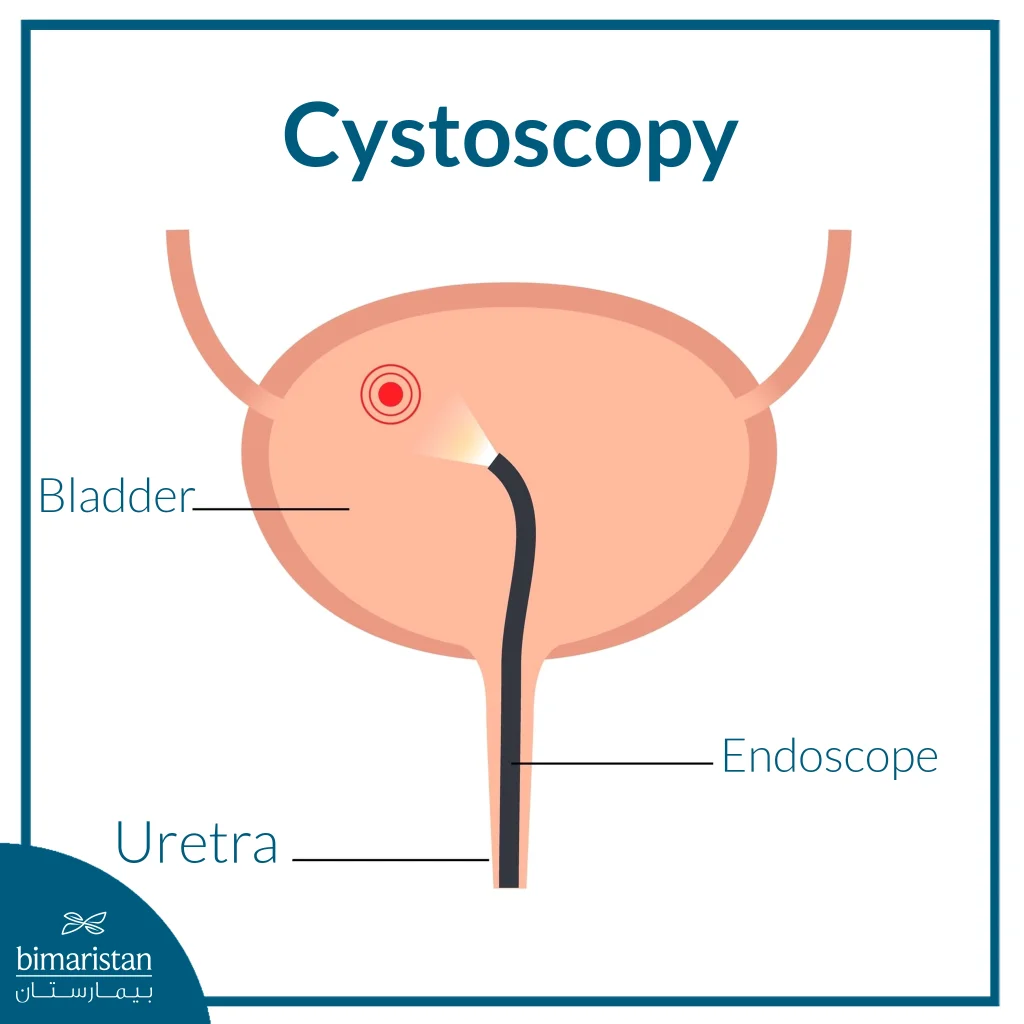
- Endoscopy: In this method, the doctor inserts a thin instrument called an endoscope into the urethra to visualize the bladder. The endoscope allows the doctor to see directly into the bladder and precisely apply cautery to the affected tissue without the need for any open surgery, minimizing pain and speeding recovery.
- Laser: The laser uses focused light energy to destroy the affected tissue inside the bladder with very high precision. This method minimizes bleeding during the operation and preserves the healthy tissue surrounding the affected area.
- Thermal destruction: This procedure uses heat to coagulate or remove the affected tissue. It is sometimes used in certain cases, depending on the nature of the tissue and its location within the bladder.
Indications for bladder cauterization for women
Bladder cauterization for women is an advanced medical procedure performed when there is a need to treat bladder issues that do not respond to conventional treatments or that threaten the integrity of bladder tissue and function. Conditions that may warrant this procedure include:
- Chronic bladder bleeding or ulcers caused by recurrent infections
- Sometimes, recurrent bladder bleeding occurs due to chronic infections or irritation of the bladder lining, and painful ulcers may form. In these cases, bladder cauterization for women helps reduce bleeding, remove infected tissue, and protect healthy tissue, thereby reducing pain and limiting the recurrence of infections.
- Benign bladder tumors or low-grade tumors
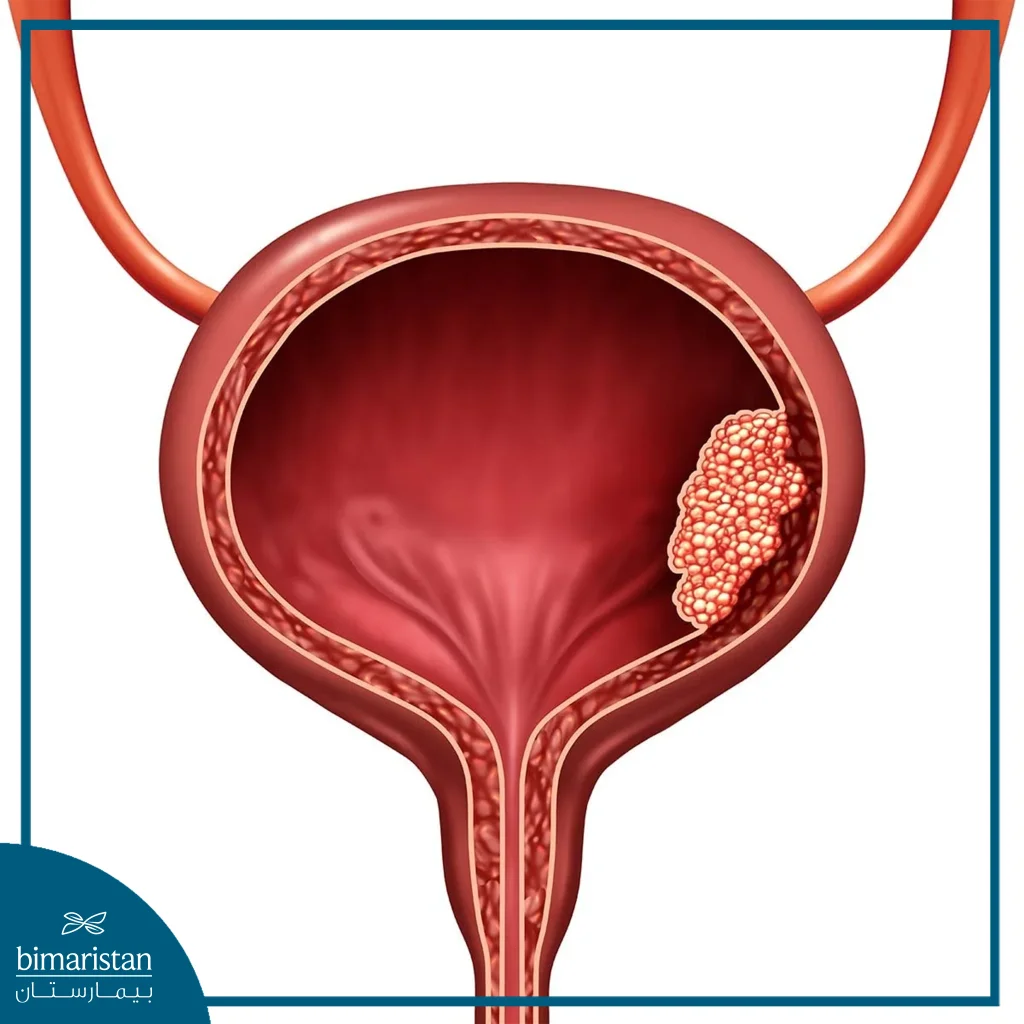
- When small or benign tumors are present inside the bladder, cauterization can be used to remove them precisely without the need for open surgery, which reduces complications, speeds up recovery, and preserves normal bladder function.
- Urinary incontinence resulting from a weak bladder wall or problems controlling urination:
- Weak bladder muscles or problems with neurological control of urination(neurogenic bladder) can lead to urinary incontinence. In these cases, bladder cauterization in women helps strengthen damaged bladder tissue, improve urinary control, and reduce the frequency of sudden urinary leakage, thus improving the patient’s quality of life.
- Failure to respond to conventional drug therapies
- When medications and conservative treatments fail to control bladder symptoms such as bleeding, chronic infections, or urinary incontinence, bladder cauterization in women becomes an effective and safe treatment option that provides a direct solution to the problem and reduces the need for major surgical interventions.
- Additional action targets
- Improving overall bladder function and restoring urinary control
- Reducing complications of chronic infections, such as ulcer formation or recurrent infections
- Preventing the progression of benign or low-grade tumors that could develop into more serious problems if left untreated
- Improving the effectiveness of other drug therapies by eliminating infected or obstructive tissue from the bladder
Steps to bladder cauterization for women
Bladder cauterization for women is performed in a precise and organized manner to ensure maximum safety and effectiveness of treatment, and includes the following steps:
- Full medical evaluation
- Before starting the procedure, the doctor conducts a comprehensive assessment that includes:
- Laboratory tests, such as urine and blood tests, are used to detect infections or blood-clotting problems.
- Simple X-rays or ultrasound to determine the size of the bladder, the location of affected tissue, and the extent of damage.
- Before starting the procedure, the doctor conducts a comprehensive assessment that includes:
- Anesthesia
- The procedure is usually performed under general or local anesthesia, depending on the patient’s condition and the complexity of the operation. Anesthesia ensures the patient’s comfort and prevents any pain during the cauterization process.
- Scope entry
- The endoscope is inserted through the urethra into the bladder, allowing the doctor to directly visualize its interior. This method avoids the need for open surgery, reduces pain, and speeds up recovery.
- Cauterization:
- After identifying the affected tissue, the doctor uses a laser or heat to precisely destroy it. This step aims to remove ulcers or benign tumors, stop bleeding, and improve bladder function.
- Follow-up:
- After the cauterization procedure is complete, medical follow-up includes:
- Monitor for potential bleeding or any abnormal symptoms.
- Ensure the patient is able to empty her bladder normally.
- Evaluate treatment effectiveness and confirm symptom improvement.
- After the cauterization procedure is complete, medical follow-up includes:
Careful follow-up minimizes any potential complications and stabilizes the patient’s health condition.
Benefits of bladder cauterization for women
Bladder cauterization for women offers a wide range of medical benefits that help improve bladder health and quality of daily life for women, including:
- An effective treatment for chronic bladder bleeding and ulcers
- The procedure works by removing or destroying infected tissue in the bladder, reducing recurrent bleeding, treating ulcers resulting from chronic inflammation, and helping protect healthy tissue.
- Improve urination control and reduce incontinence symptoms
- By strengthening the bladder wall and treating damaged tissue, bladder cauterization in women helps improve urinary control and reduce sudden urinary leakage, thus enhancing the patient’s psychological and physical comfort.
- Non-surgical procedure reduces recovery time compared to conventional surgery
- Since the procedure is often performed using an endoscope or a laser, it does not require large surgical incisions, which reduces pain, speeds recovery, and lowers the risk of complications compared to open surgery.
- Repeat treatment if necessary
- Bladder cauterization for women can be repeated if symptoms persist or if new problems arise, making it a flexible and effective long-term treatment option.
Possible complications after bladder cauterization for women
Although bladder cauterization for women is a safe and effective procedure, temporary complications may arise in rare cases. These complications include:
- Pain or burning during urination: After the procedure, the patient may experience pain or a burning sensation during urination, but this is usually temporary. This discomfort generally subsides within a few days, provided that you follow your doctor’s instructions.
- Blood in the urine: It is normal to notice a small amount of blood in the urine after the procedure due to the cauterization effect on the affected tissues. This symptom usually resolves within a few days without further intervention.
- Cystitis: If hygiene instructions are not followed after the procedure, the patient may experience temporary cystitis. By following the doctor’s instructions on hydration, hygiene, and monitoring symptoms, this infection can be prevented.
With careful medical care and regular follow-up, these complications are very rare and disappear quickly with no long-term impact on bladder health or function.
The cost of bladder cauterization for women in Turkey
Turkey is considered one of the leading destinations for treating urological diseases, combining high medical expertise with competitive prices. Its major hospitals are equipped with the latest technology and provide comprehensive services for international patients, from diagnosis to post‑treatment follow‑up. Bimaristan in Turkey specializes in organizing bladder cauterization for women, placing a strong emphasis on patient comfort and treatment quality. The experts at Bimaristan provide the highest level of care, offering ongoing support and assistance with transportation and accommodation. This makes Turkey and Bimaristan an excellent choice for those seeking safe and effective treatment at an affordable cost. Below is a table comparing bladder cauterization prices for women in Turkey with those in other countries:
| Country/Center | Approximate cost | Quality and Service Feedback |
|---|---|---|
| Turkey | $5,000 – $16,000 | Experienced surgeons, equipped hospitals, and support for international patients at a relatively low cost compared to Western countries. |
| Germany/Western Europe | 31,000 € – 54,000 € | Excellent level of care, advanced technologies, and careful follow-up, but the price is very high. |
| United States of America | $18,000 – $38,500 | High quality, advanced technology, potential for expensive complications, and very high private hospital prices. |
| Canada | ~$12,000 | Good quality and organized health system, higher cost than in Turkey but lower than in America and Germany. |
| Spain | ~$14,000 | Good quality of care and average cost between Turkey and Germany/America. |
Bladder cauterization for women is an advanced and safe treatment option for those with chronic or recurrent bladder problems. Through precise techniques offered by specialized centers, symptoms can be significantly reduced and long‑lasting relief achieved. Bimaristan Medical Center provides expert medical care and advanced equipment for accurate, efficient bladder cauterization, making it a reliable choice for women seeking effective, safe treatment.
Sources:
- Dällenbach, P., & Albrich, S. (2020). Vaginal laser for overactive bladder syndrome. International Urogynecology Journal.
- van Breda, V. J., et al. (2019). One-Year Results with Selective Bladder Denervation in Women with Refractory Overactive Bladder. The Journal of Urology.
- Ghoniem, G., et al. (2025). Transvaginal Detrusor Nerve Radiofrequency Ablation for Overactive Bladder. American Urogynecologic Society.
- Eisner, B. H., et al. (2023). Selective Bladder Denervation via Radiofrequency Ablation Versus Intravesical Onabotulinum Toxin A for Refractory Overactive Bladder: Short-Term RCT Results. Journal of Urology.
- van Breda, V. J., et al. (2018). Selective bladder denervation via radiofrequency in women with refractory overactive bladder: six-month results. The Journal of Urology.