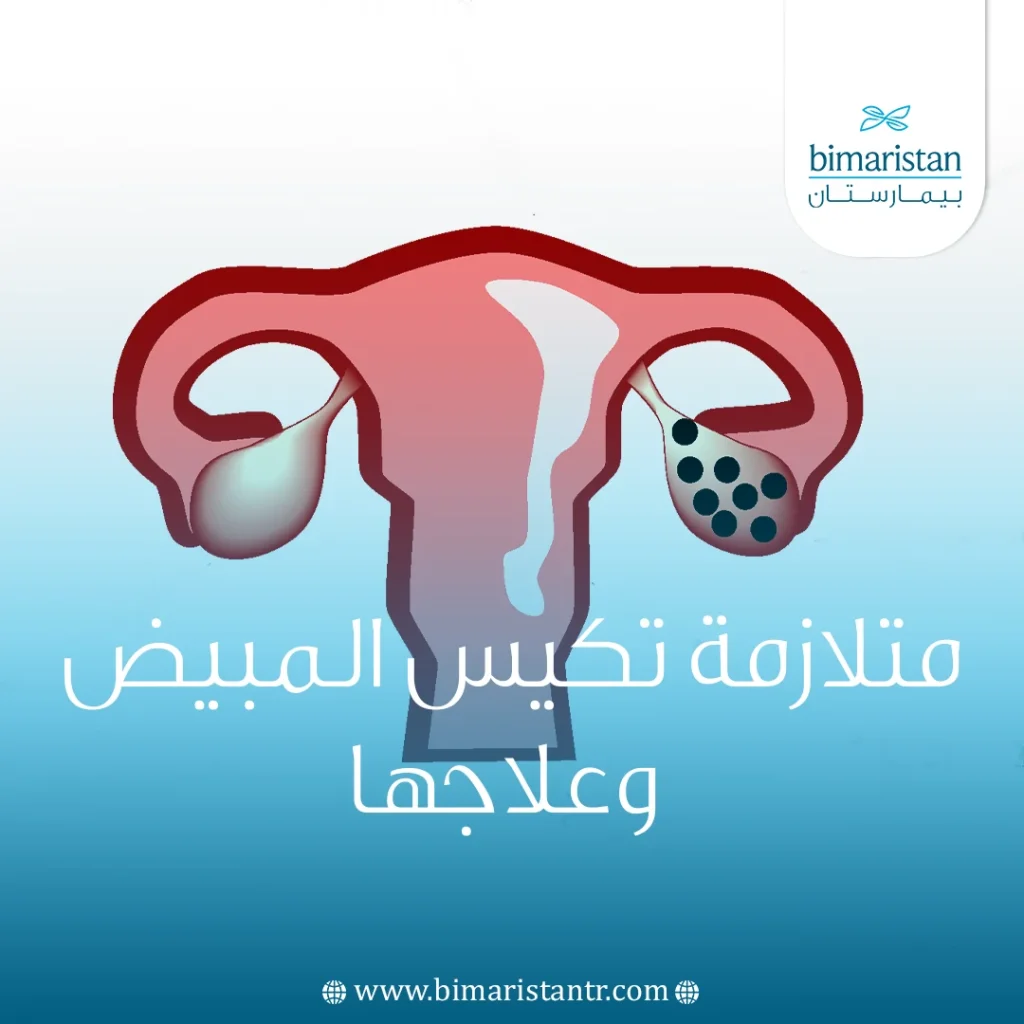
Polycystic ovary syndrome (PCOS) is caused by a hormonal imbalance that usually begins in puberty, and the treatments available for this syndrome have significantly varied in Turkey.
What is PCOS?
Polycystic ovary syndrome, also known as polycystic ovary syndrome, is a syndrome characterized by hormonal changes and changes in a woman’s menstrual cycle. It often involves the growth of several small cysts or fluid-filled sacs on the ovaries. These cysts are not harmful, but they usually cause the hormonal changes seen.
Since the term polycystic ovary syndrome is the name given to this polycystic ovary syndrome, doctors have used this term exaggeratedly, as a woman can have cystic ovaries without experiencing the symptoms seen in the syndrome and vice versa.
It should also be noted that each case of PCOS is treated differently, and some things cannot be considered in one case and cannot be generalized to others.
Women with PCOS may also suffer from menstrual irregularities, increased levels of androgen (male hormone), excessive hair growth, acne, and obesity.
In addition to many of the medical conditions associated with PCOS, which will be discussed in this article, PCOS is the most common cause of infertility in women because the ovaries in this syndrome may be unable or fail to ovulate, as this condition interferes with the ability to conceive naturally and give birth.
Women who can become pregnant with PCOS have a higher rate of miscarriage, gestational diabetes, high blood pressure due to pregnancy, preeclampsia and premature birth, and an increased risk of developing endometrial cancer at an early age.
Causes and risk factors for PCOS
Research is ongoing to uncover the cause of PCOS, but so far, the cause has not been identified.
It is believed that PCOS has a genetic cause. People who have a mother or sister with PCOS are more likely to develop PCOS than people whose relatives do not suffer from this condition. This family connection is often the main risk factor.
Pituitary gland problems are also suspected, as excessive androgen secretion from the ovary stimulates the luteinizing hormone (LH), which is secreted from the pituitary gland. Any problem that increases the secretion of LH will lead to the symptoms of PCOS.
Obesity, poor health, and lack of movement can also increase the risk of PCOS.
Sugar is the body’s primary source of energy, and it is regulated by insulin secreted by the pancreas. A patient with insulin resistance cannot use insulin efficiently, so the pancreas secretes more insulin to meet the body’s need for glucose.
Excess insulin is thought to affect a woman’s ability to ovulate because it affects androgen production. Research has shown that women with PCOS have an inflammatory condition that stimulates the ovaries to produce androgens, which helps cause the symptoms of PCOS.
Symptoms of polycystic ovary syndrome (PCOS)
In addition to the presence of cysts on the ovaries, symptoms of polycystic ovary syndrome (PCOS) include:
- Irregular menstrual periods
- Abnormal uterine bleeding
- Excessive androgen levels
- Sleep apnea
- High blood pressure
- Infertility
- Acne, oily skin, and dandruff
- High cholesterol and triglycerides or dark patches on the skin
- Male pattern baldness
- Insulin resistance
- Type 2 diabetes
- Pelvic pain
- Depression and anxiety
- Fatigue and stress
- Difficulty controlling weight, including weight gain or difficulty losing weight
- Excessive facial and body hair growth, known as hirsutism
- Low libido
- Liver diseases such as non-alcoholic fatty hepatitis
- There is also an increased risk of endometrial cancer, gestational diabetes, pregnancy-induced high blood pressure, heart attacks, and miscarriage
How is PCOS diagnosed in Turkey?
Most cases of PCOS can be diagnosed through a comprehensive assessment of your medical history and symptoms, as well as a physical examination.
A blood test may be needed to measure various hormone levels; in some cases, an ovarian ultrasound may help diagnose.
If you have any questions about diagnosis and its methods in Turkey, do not hesitate to contact us. Bimaristan Center is your family in Turkey.
Treatment of PCOS
There is no cure for PCOS, but treatment aims to manage and relieve the patient’s symptoms.
Treatment for PCOS depends on whether the patient wants to become pregnant or only aims to reduce the risk of secondary medical conditions, such as heart disease and diabetes.
There are several recommended treatment options in Turkey, including:
- Birth control pills: They can help regulate hormonal imbalances and menstruation.
- Diabetes medications: They help control diabetes, if necessary.
- Fertility medications: If pregnancy is desired, these include clomiphene (Clomid), a combination of clomiphene and metformin, or gonadotropin medications, such as follicle-stimulating hormone (FSH) and luteinizing hormone (LH) medications. In some cases, letrozole (Femara) may be recommended.
- Fertility treatments: These include in vitro fertilization (IVF) or artificial insemination.
- Spironolactone (Aldactone) or eflornithine (Vaniqa) can reduce excessive hair growth. Finasteride (Propecia) may also be recommended, but women of childbearing age should not take it
- Anyone taking spironolactone should use birth control because of the risk of birth defects if taken during pregnancy. Breastfeeding is not recommended while taking this medication.
- Other options for managing hair growth include laser hair removal, hormonal treatments, or using vitamins and minerals.
In addition, there are surgical options, which include:
- Ovarian drilling: Small holes in the ovaries can reduce the levels of androgen production.
- Surgical removal of one or both ovaries.
- Hysterectomy: This involves removing all or part of the uterus.
- Cyst aspiration: The fluid is removed from the cyst.
Home remedies
As mentioned above, there is no cure for PCOS, but some home and lifestyle interventions can make a difference and relieve some symptoms.
These include:
- Eating a healthy, balanced diet that includes plenty of fruits and vegetables
- Participating in regular physical activity
- Maintaining a healthy weight reduces androgen levels and reduces the risk of conditions such as diabetes and heart disease
- Quitting smoking, as smoking increases androgen levels and the risk of heart disease
PCOS and pregnancy
There may be an increased risk of miscarriage, gestational diabetes, preeclampsia, and premature birth; these complications are more common in twin or triplet births.
As implantation and fertilization are difficult in polycystic ovaries, IVF may be needed.
How can I improve my chances of getting pregnant if I have PCOS?
There are some specific fertility issues that you should discuss with your doctor, but there are some general healthcare guidelines that may improve your chances of getting pregnant:
- Folic acid (400 mcg. daily supplement, along with a diet rich in folic acid, including leafy greens, dried beans, liver, and citrus fruits)
- Limit caffeine (drink less than two caffeinated drinks per day)
- Eat a healthy, balanced diet
- Exercise and maintain a healthy weight. Maintain a regular exercise routine, 20 to 30 minutes daily, 4 to 5 times per week
The causes of PCOS are not clear, but early diagnosis can help relieve symptoms and reduce the risk of complications. Anyone who develops symptoms of PCOS should see a doctor.
Resources: