
A kidney transplant is a surgical procedure designed to replace a damaged or failing kidney with a healthy one from a donor. It stands as a leading treatment option for chronic or end-stage kidney failure. The donor kidney may come from a living person, often a relative or friend, or from a deceased donor. A kidney transplant offers patients the chance to live free from ongoing dialysis. The process involves thorough medical screening to confirm eligibility, followed by lifelong monitoring to ensure the transplanted kidney functions properly and to prevent immune rejection.
What is a kidney transplant?
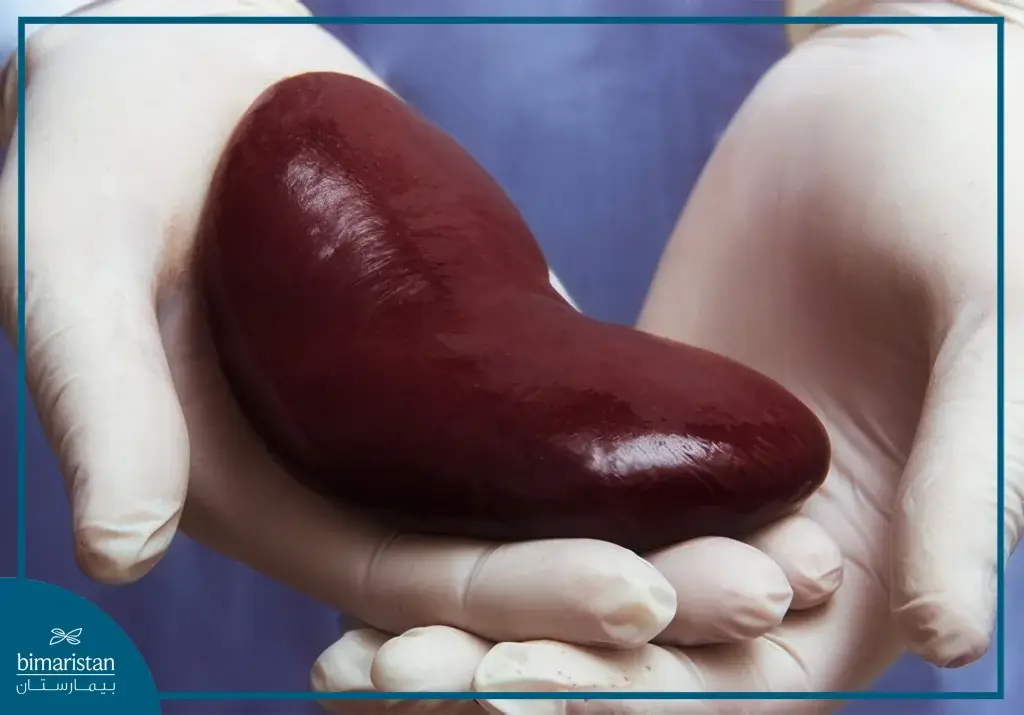
Kidney transplant is a surgical procedure in which a healthy kidney is transferred from a donor to a patient with kidney failure. The donor kidney, whether from a living person or a brain-dead donor, is surgically placed into the recipient’s body. During the procedure, the kidney’s blood vessels are connected to the patient’s vessels, allowing it to begin functioning once blood flow is established. Typically, only one kidney is transplanted, though in rare cases, two kidneys from a deceased donor may be required.
A kidney transplant demands thorough evaluation of the patient’s health to confirm suitability, followed by a post-operative treatment plan to protect the new kidney and prevent rejection. It’s also essential to differentiate between preventive kidney transplantation, performed before severe kidney damage occurs, and proactive transplantation, done before dialysis begins to avoid progression to end-stage renal failure.
Why is a kidney transplant necessary?
When kidney function drops to a certain level, an end-stage renal failure patient needs either dialysis or a transplant to keep them alive.
Chronic kidney failure
Chronic kidney failure can be caused by several major causes:
- Diabetes: Which significantly affects the blood vessels in the kidneys.
- High blood pressure: Which can cause damage to the blood vessels in the kidneys.
- Glomerulonephritis: Affects kidney function.
- Polycystic kidney disease: Causes the formation of cysts in the kidneys that affect their functioning.
Symptoms of kidney failure and their impact on daily life:
Symptoms of kidney failure include:
- General fatigue
- Difficulty breathing
- Fluid retention
- High blood pressure
- Nausea and loss of appetite
These symptoms greatly affect a person’s quality of life, making treatment for kidney failure an urgent necessity.
A comparison between dialysis and kidney transplantation:
- Dialysis: It is a temporary treatment option in chronic kidney failure, but it does not provide the same quality of life as a kidney transplant. Dialysis requires regular sessions of filtration to remove toxins from the blood.
- Kidney transplant: Transplantation is the best option for maintaining quality of life, as transplanted kidneys can perform the normal functions of the kidneys, leading to a significantly improved quality of life. However, a kidney transplant can be more expensive compared to dialysis.
Kidney donation conditions in Turkey and preparation before the operation
There are several conditions that a donor must meet in order to donate, including:
- Age: The donor must be of legal age and considered capable of making the decision to donate. The minimum age may vary between hospitals, but it usually requires the donor to be of the age of majority (typically between 18 and 65 years old).
- Good health: The donor must be in good health and free from known chronic diseases such as diabetes, hypertension, heart disease, serious infectious diseases, kidney disease, and other conditions that affect kidney health.
- Absolute consent: The donor must be able to give their absolute and informed consent for kidney donation. The donor is provided with comprehensive information about the procedure, potential risks, and expected outcomes, and their full consent is obtained before the procedure is initiated.
Several tests assess the conditions and preparations required before a kidney transplant, including:
Blood group matching test
Your blood type and the donor’s blood type are determined to ensure compatibility. Having a match increases the chances of a successful transplant and reduces the risk of rejection.
Tissue matching test
In this test, samples of the donor’s blood and your blood are taken to assess tissue compatibility. This test helps determine the likelihood that your immune system will accept the transplanted kidney. Kidneys donated by family members are more histologically compatible than unrelated donors.
Surgical procedures: Transplant site and vascularization, follow-up of the transplanted kidney
Kidney transplant procedures:
- Anesthesia: The procedure is done under general anesthesia and takes 2 to 4 hours.
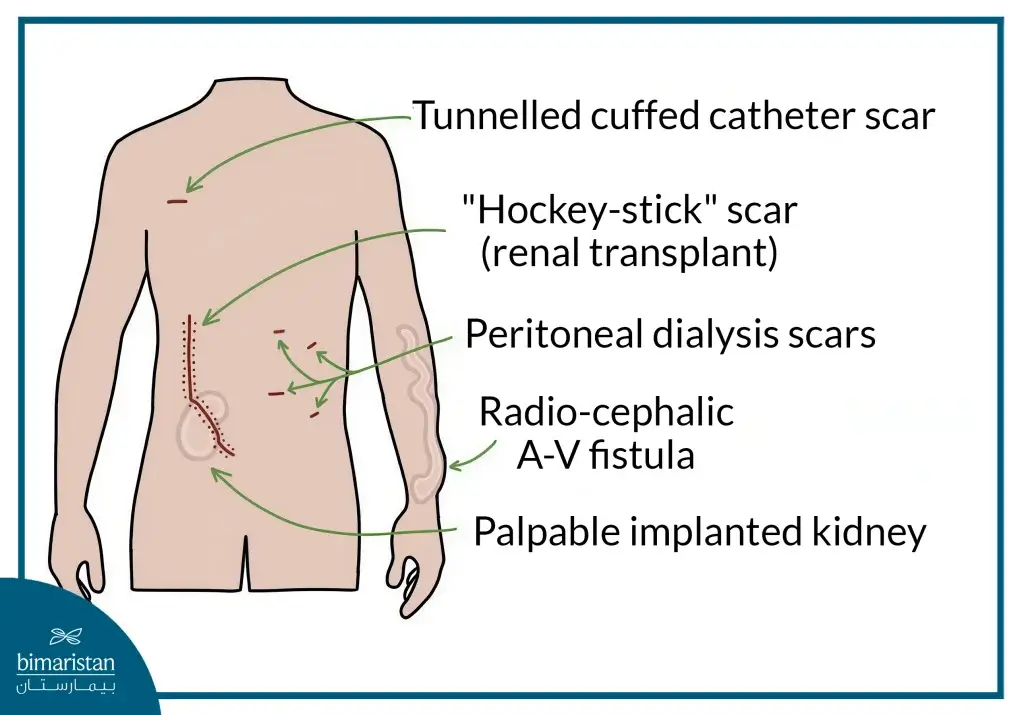
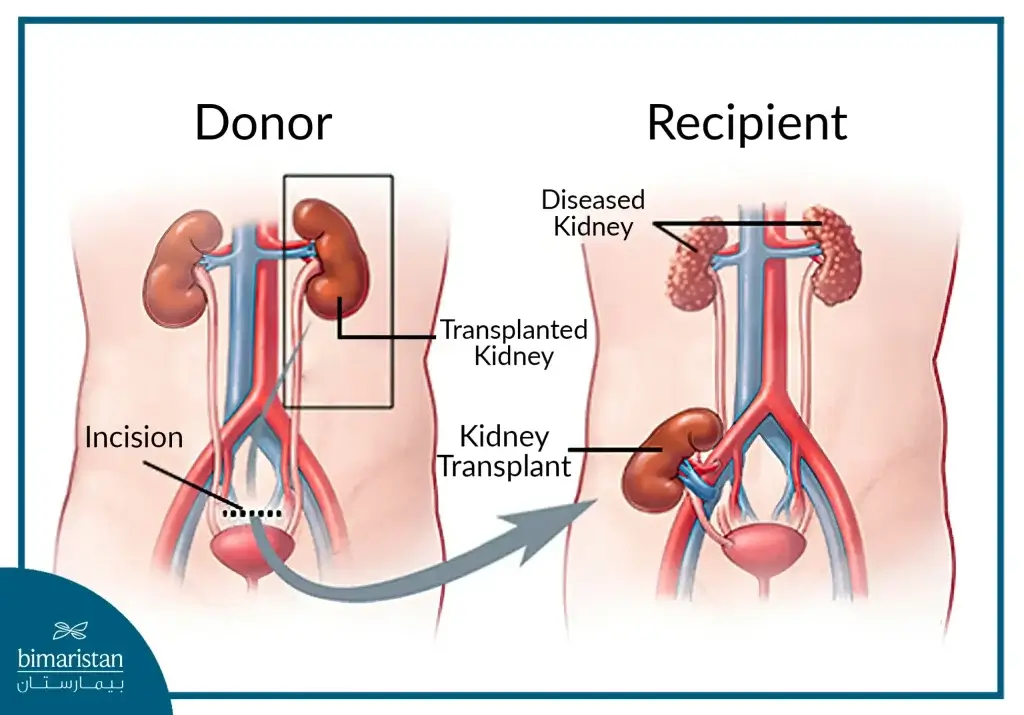
- Transplant site: A kidney transplant is a heterotopic procedure, where the kidney is transplanted in the front part of the lower abdomen (pelvis) instead of the original kidney site.
- Examination of the donor kidney: The new kidney is examined to identify the renal artery and vein, then washed with a protective solution to check for leaks.
- Repair of leaks: If leaks are detected, they are repaired while preserving the length of the ureter and removing the surrounding fat.
- Placement of the kidney: The kidney is placed outside the peritoneum in the iliac fossa, often on the right side.
- Examination of the iliac vessels: The iliac vessels are examined, and specific lymphatic vessels are ligated.
- Vascular anastomosis: The donor’s renal vein is anastomosed to the recipient’s external iliac vein, and the donor’s renal artery to the iliac artery (either internal or external).
- Ureteral anastomosis: The ureter is connected to the bladder through a ureterocystostomy.
- Removing the original kidney: Original kidneys are usually only removed if they are causing health issues such as
- Uncontrolled high blood pressure
- Recurrent infections
- Significant enlargement
- Vascular anastomosis: The artery that supplies blood to the kidney and the vein that drains blood from the kidney are connected to the patient’s blood vessels.
- Monitoring the transplanted kidney: The transplanted kidney is carefully monitored in the early hours to ensure that blood is flowing properly and that the kidney is functioning normally.
- Recovery period: The recovery period in the hospital usually lasts from 3 to 7 days.
Potential challenges such as rejection or complications
One potential challenge after a kidney transplant is the rejection of the transplanted organ. This can happen if the immune system identifies the kidney as a foreign body. Symptoms of rejection may include fever and swelling in the area of the surgery. Additionally, there are risks of complications such as infection or bleeding. To address these challenges, close monitoring by the medical team and consistent use of immunosuppressive medications are necessary to reduce the likelihood of rejection and ensure the success of the transplant procedure.
Kidney Transplant in Pictures
Care after a kidney transplant
The importance of immunosuppressive drugs to prevent rejection:
After a kidney transplant, immunosuppressant medications (anti-rejection medications) are required on a permanent basis. These medications prevent the immune system from recognizing the transplanted kidney as a foreign body and rejecting it. Without these medications, the immune system may attack the new kidney, leading to transplant failure. It is important to strictly follow the doctor’s instructions regarding immunosuppressive medications, although they might cause some side effects.
Nutritional and exercise tips to promote the health of a transplanted kidney:
- Hydration: It’s important to stay well hydrated. It is recommended to drink approximately 2 liters of water per day and limit caffeine intake, as excessive caffeine consumption can contribute to dehydration.
- Avoid raw or undercooked foods: Refrain from consuming raw or undercooked foods, such as meat or raw eggs, to minimize the risk of infection.
- Increase protein: Protein helps build muscle and replace weight lost after surgery. Consult your doctor or a registered nutritionist to determine the amount of protein you need.
- Avoid certain medications: Anti-inflammatory medications (NSAIDs) such as ibuprofen and naproxen should be avoided as they can cause kidney issues.
- Exercise: It is advisable to avoid heavy lifting or physically demanding activities for 8 weeks after surgery. Discuss with your doctor the appropriate sports activities to engage in after surgery.
Periodic medical follow-ups and check-ups:
It is important to follow up with your medical team regularly after your transplant. Follow-up includes:
- Regular blood tests are used to assess the function of the transplanted kidney and monitor the side effects of medications.
- Review levels of immunosuppressant medications to ensure the body is receiving the correct dosage.
- Follow up with other tests as needed, such as checking blood pressure and weighing, to make sure the kidneys are functioning properly.
Kidney transplant risks and complications
Types of rejection: Acute and chronic
- Acute rejection: Occurs immediately after the operation and takes days or weeks to develop, and is more common with deceased donor kidneys.
- Chronic rejection: Occurs gradually over months or years as a result of the immune system attacking the transplanted kidney.
Possible complications after a kidney transplant
- Infection: Common after transplant, especially in the bladder or urinary tract.
- High blood pressure: High blood pressure may increase the risk of kidney damage.
- Problems with blood vessels: May require surgical intervention in some cases.
How to deal with and prevent these risks
- Infection prevention: Adhere to treatment and follow antibiotic guidelines.
- Monitor blood pressure: Monitor blood pressure and use medications when needed.
- Medical follow-up: Visit your doctor regularly to monitor kidney function and adjust your immunosuppressive medications as needed.
Kidney Transplant Cost in Turkey
The cost of a kidney transplant in Turkey ranges between $ 17,000 and $ 20,000 USD, which is significantly lower than those in Europe and America, making kidney transplantation in Turkey the most reasonable option. Turkey combines medical expertise, modern technology, and competitive prices, making it a favorable destination for kidney transplants.
Comparison of kidney transplant prices in Turkey and other countries
| State | Average cost |
| Turkey | 17,000-20,000 USD |
| United States | 200,000-400,000 USD |
| Germany | 60,000-150,000 USD |
| Britain | 85,000-150,000 USD |
| Canada | 75,000-130,000 USD |
My experience with a kidney transplant in Turkey
Eileen Krynicki says, twenty years after her kidney transplant:
“I didn’t expect such success and vigor after my kidney transplant, I had the operation twenty years ago, and now I’m in the best shape of my life.
But I followed the doctor’s instructions to the letter, I took all the medications he told me to take, and that’s what I advise all those who are going to have a kidney transplant.”
It wasn’t an easy journey to find a living donor to give her a kidney, but her sister gave up part of her body to spare her younger sister the agony of dialysis.
Kidney transplant success rate and how long the patient lives
Kidneys from living donors typically last longer. Most kidney loss results from rejection; however, bacterial infections, circulatory issues, cancer, and recurrence of the original kidney disease can also contribute to kidney loss.
Table showing the age of the transplanted kidney and the patient’s age after donation:
| Donor type | One year | Three years | Five years | Ten years | |
| Living donor | Potential age of the transplanted kidney | 95% | 88% | 80% | 57% |
| Age of the potential patient | 98% | 95% | 90% | 64% | |
| Deceased donor | Potential age of the transplanted kidney | 90% | 79% | 67% | 41% |
| Age of the potential patient | 95% | 88% | 81% | 61% |
The table shows the low risk of death with a kidney transplant, which emphasizes the importance of the procedure and encourages it
Sources: