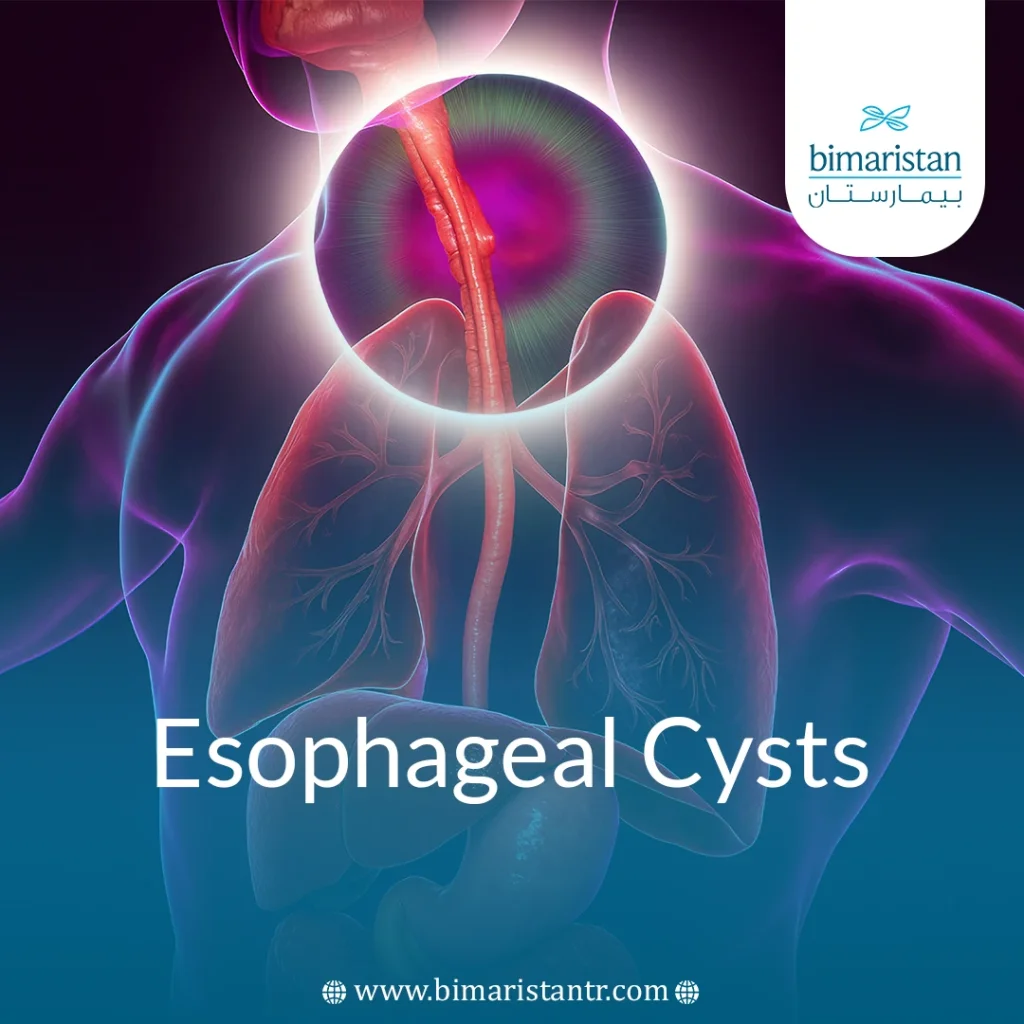

Esophageal cysts are uncommon, non-syndromic congenital anomalies defined by tubular or spherical cystic formations encased in two layers of smooth muscle, lined with either squamous or intestinal epithelium, and situated adjacent to or in continuity with the esophagus. These cysts predominantly occur in the lower esophageal segment and may or may not communicate with the esophageal lumen.
Most cases become symptomatic, with symptoms such as dysphagia, dry cough, retrosternal pain, or growth failure. Less frequent manifestations include cardiac arrhythmias, thoracic spine discomfort, and fever secondary to mediastinitis.
What are esophageal cysts?
Esophageal cysts are rare congenital anomalies of the gastrointestinal tract, defined by tubular or spherical cystic lesions encased in two layers of smooth muscle, lined with squamous or intestinal epithelium, and positioned either adjacent to or in continuity with the esophagus. These cysts are typically found in the lower esophageal region and may or may not be connected to the esophageal lumen.
Most cases become symptomatic and can present with symptoms such as difficulty swallowing (dysphagia), a dry cough, chest discomfort, or growth retardation. In pediatric patients, congenital esophageal cysts may be associated with congenital heart defects, including atrial or ventricular septal defects and valvular malformations. Additionally, esophageal cysts may coexist with mediastinal cysts, especially when they apply combined pressure on the esophagus or trachea. This situation necessitates a comprehensive preoperative imaging assessment.
Types of esophageal cysts: Congenital and acquired
Esophageal cysts are mainly divided into two types:
- Congenital type: A child is born with it, and it is usually detected in early childhood by doctors.
- Acquired type: Appears in life and may be the result of chronic infections or previous infections that the patient has experienced.
These types differ in symptoms and treatment, with congenital cysts being more likely to cause early symptoms than acquired ones.
Difference between esophageal cysts in children and adults
- Children: Esophageal cysts are typically diagnosed in early childhood and present with symptoms such as difficulty swallowing, a dry cough, chest pain, or failure to thrive. These cysts may be associated with other congenital abnormalities, requiring careful evaluation and comprehensive treatment.
- Adults: Esophageal cysts in this condition are often incidental and are discovered during imaging examinations for other causes, such as the chest or abdomen. Symptoms appear gradually and include intermittent difficulty swallowing, heartburn, or a feeling of fullness behind the sternum. The cyst may increase in size over time, potentially causing pressure on surrounding organs or complications, such as esophagitis. These cases require careful evaluation to determine the need for surgical intervention and reconstruction options if necessary.
Causes of esophageal cysts
Esophageal cysts are a rare congenital malformation that develops during fetal development:
- Genetic mutations: Genetic mutations are the leading cause of esophageal cysts, as these mutations can be inherited, as they are passed from parents to children, or may occur randomly during cell division (mitotic disorders). These mutations may be the result of environmental factors or exposure to certain viruses.
- Congenital abnormalities of the anterior digestive tube: Esophageal cysts are caused by abnormalities in the anterior digestive tube during fetal development, which may be associated with other abnormalities in neighboring organs such as the lungs or spine.
- Environmental factors: Some studies suggest that exposure to chemicals or radiation may play a role in the development of esophageal cysts. However, research is still ongoing to understand the exact extent of the impact of these factors.
- Abnormalities associated with other organs: In some cases, esophageal cysts may be associated with abnormalities in other organs, such as the diaphragm or heart. These abnormalities affect the development of the esophagus, leading to cyst formation.
- Neuromuscular disorders: Some studies have suggested that disorders in the nerves or muscles that control the movement of the esophagus may contribute to the formation of these cysts, but this hypothesis is still under research.
Symptoms of esophageal cysts
Symptoms of esophageal cysts vary depending on the age, size, and location of the cyst, and some cases may be asymptomatic and discovered accidentally during imaging tests. Symptoms include:
- Difficulty swallowing: One of the most common symptoms, this is caused by the cyst pressing on the esophagus, making it difficult and painful to swallow food.
- Chest pain or pain behind the sternum: Patients may feel pain or pressure behind the sternum, often increasing when eating or drinking.
- Chronic coughing or difficulty breathing: Occurs when the cyst presses on the trachea or lungs, and may occur more frequently in children.
- Vomiting or digestive disorders: The cyst may cause a partial blockage in the esophagus that leads to vomiting or difficulty passing food and liquids.
- Fever or secondary infection: In some rare cases, these cysts may lead to inflammation or infection, resulting in high fever and other systemic symptoms.
Methods for diagnosing esophageal cysts
Esophageal cysts are diagnosed through a series of general medical tests that aim to determine the location and size of the cyst and its relationship to its surrounding organs. These tests help distinguish esophageal cysts from other abnormalities and guide the appropriate treatment plan.
X-ray
X-rays are used to detect the presence of esophageal cysts, especially when they are accompanied by an enlarged esophagus or changes in the shape of the esophagus. X-rays may also show partial or complete blockage of the esophagus.
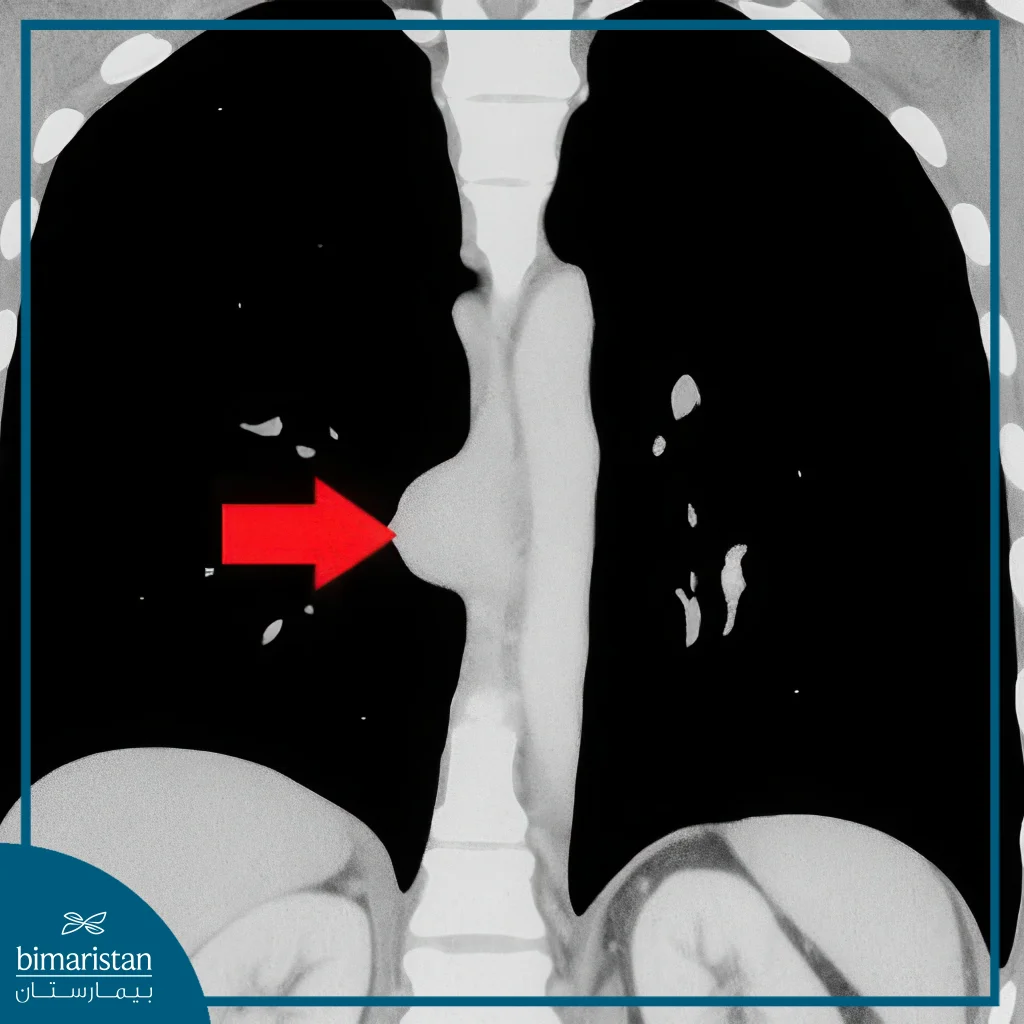
Computerized Tomography (CT Scan)
Computed tomography (CT) is a crucial tool for determining the location, size, and relationship of the cyst to surrounding organs. It helps in assessing how the cyst is affecting the surrounding tissues and guides surgeons while planning the surgery.
Magnetic Resonance Imaging (MRI)
Magnetic resonance imaging (MRI) is used to provide detailed images of esophageal cysts, helping to assess the structure of the cyst, determine whether it contains fluid or solid tissue, and determine the relationship between the cyst and surrounding nerves or blood vessels.
Endoscopy
Endoscopy is a crucial tool for diagnosing esophageal cysts. It enables visual examination of the cyst within the esophagus, allowing assessment of its size and location, as well as determining whether it is causing partial or complete obstruction
Ultrasound imaging
Ultrasound imaging is used to determine the presence of esophageal cysts, especially in cases where the cysts are close to the surface of the body. It is a non-invasive option and is useful for initial screening.
Esophageal cysts: Surgical treatment options and esophageal reconstruction
Esophageal surgery is the main treatment option for esophageal cysts, especially in cases that cause bothersome symptoms or health complications. The surgical techniques used vary depending on the size of the cyst, its location, and other factors related to the patient’s condition.
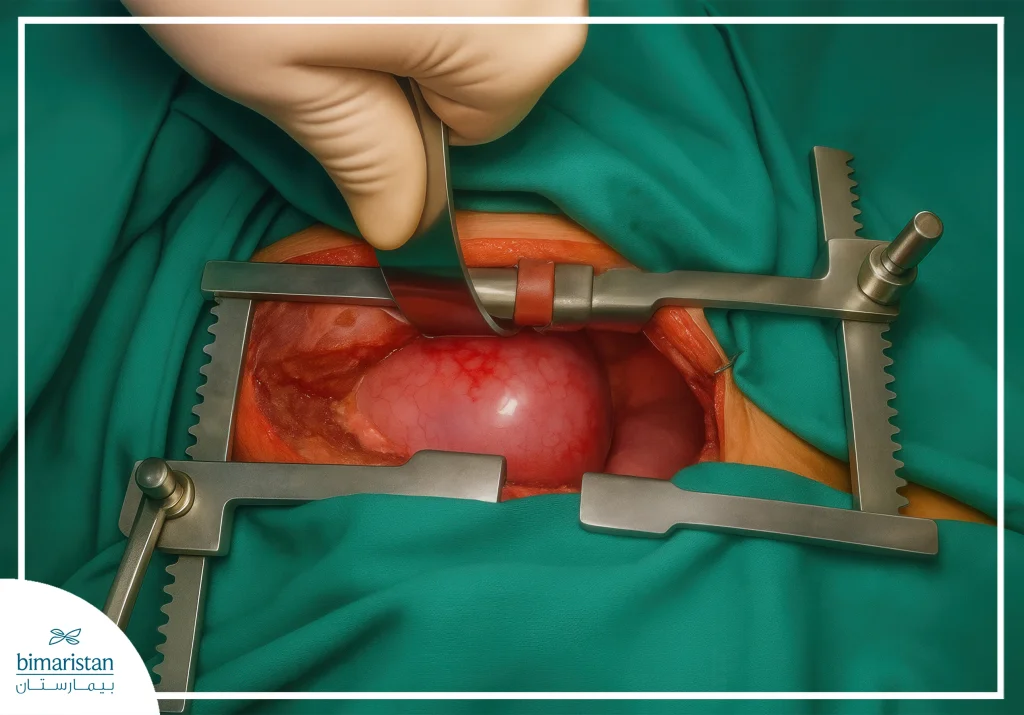
Conventional surgical excision
Conventional surgical excision is the preferred treatment for large or complex esophageal cysts. This procedure involves the following steps:
- General anesthesia: The patient is completely anesthetized to ensure their comfort during the procedure.
- Surgical incision: An incision is made in the chest or abdomen to access the esophagus.
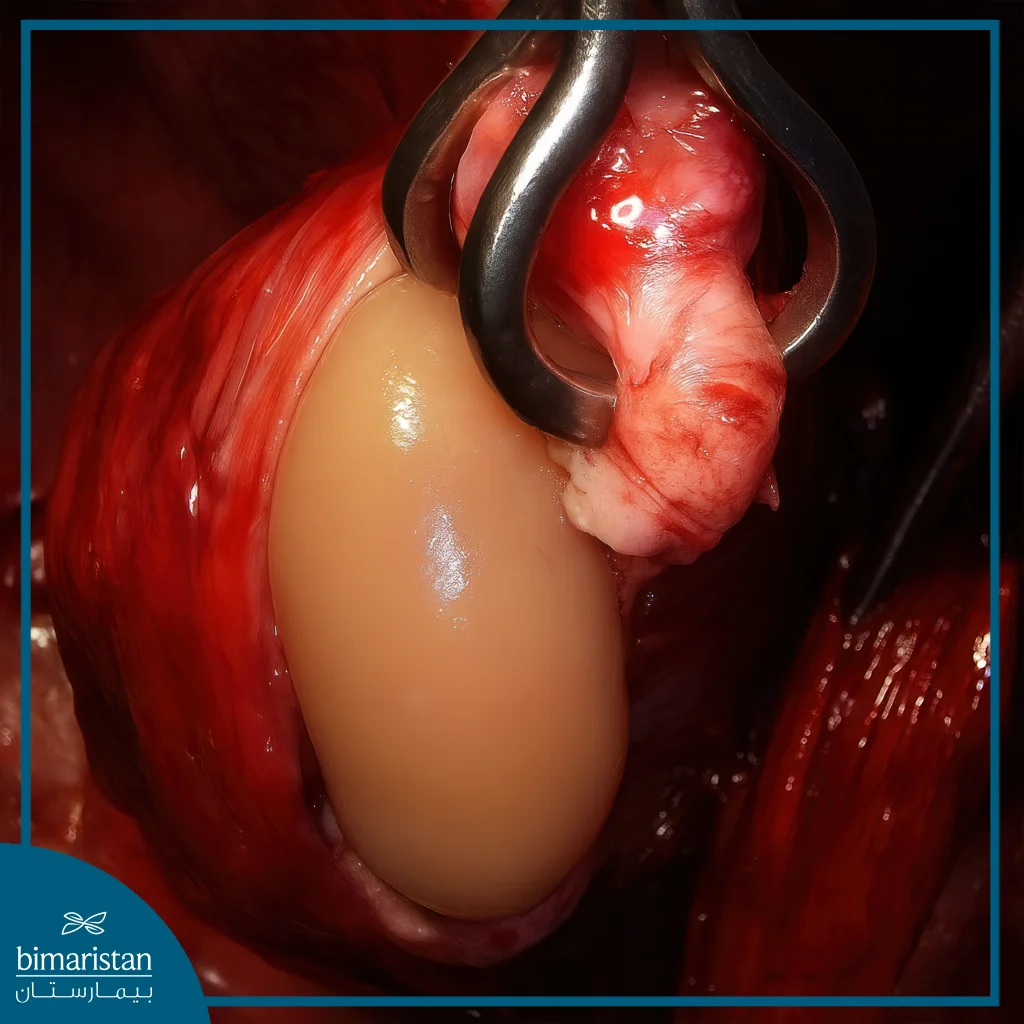
- Excision of the cyst: The cyst is carefully located and completely removed.
- Wound closure: After excision, the wound is closed using appropriate sutures.
- Post-operative follow-up: The patient is being closely monitored to address any complications and to ensure a complete recovery.
Laparoscopic excision and minimally invasive techniques
With medical advances, laparoscopic excision has become a viable option for treating esophageal cysts, especially in cases where the cysts are small or in easily accessible locations:
- General anesthesia: The patient is completely anesthetized to ensure their comfort during the procedure.
- Small incisions: Small incisions are made in the chest or abdomen.
- Insertion of the laparoscope: An laparoscope is inserted through the incisions to visualize the cyst and pinpoint its exact location.
- Excision of the cyst: The cyst is removed using tiny surgical instruments inserted through incisions.
- Closing the incisions: After excision, the incisions are closed using appropriate sutures.
- Post-operative follow-up: The patient is being closely monitored to address any complications and to ensure a complete recovery.
Esophageal reconstruction techniques after excision
In some cases, part of the esophagus may need to be reconstructed after cyst removal, especially if the cyst is large or in a critical location:
- Using the small or large intestine: A portion of the small or large intestine is used to reconstruct the missing esophagus.
- Using the stomach: In other cases, part of the stomach is used to reconstruct the esophagus.
- Other techniques: Other techniques may be used depending on the patient’s condition and specific requirements.
Surgical complications after esophageal cyst removal
Although surgery to treat esophageal cysts is often successful, some complications may arise after the procedure, the severity of which depends on the size of the cyst, the method of removal, and the patient’s overall health. Some cases may also indicate the presence of other concomitant diseases or abnormalities that need further evaluation:
- Leaking esophageal content: The suture site may leak after excision, leading to inflammation or infection in the surrounding area. Treatment requires close monitoring and possibly additional intervention to close the leak.
- Infection and fever: Infection and fever can occur at the surgical site or in the chest due to inflammation from the procedure. Complications may include high fever and other systemic symptoms, which are treated with antibiotics and close monitoring
- Narrowing of the esophagus: The healing of the excision site may lead to a partial narrowing of the esophagus, causing difficulty in swallowing, which is sometimes treated with gradual dilation or corrective surgery.
- Internal bleeding: Bleeding from blood vessels adjacent to the esophagus may occur during or after surgery and requires immediate intervention, especially if it is severe.
- Breathing complications: Thoracic surgery can lead to respiratory complications, especially when pressure is applied to the lungs or surrounding organs, which may include shortness of breath or pneumonia. In such cases, the patient requires careful monitoring and proper treatment.
- Formation of abscesses or fluid: In some cases, abscesses or fluid accumulations may form at the excision site, sometimes requiring medical or surgical drainage.
- Associated diseases or abnormalities: Esophageal cysts can be associated with other diseases or abnormalities, including diaphragmatic issues, congenital heart defects, and dysfunction of nearby organs such as the lungs. These conditions can complicate surgical procedures, necessitating careful evaluation both before and after the operation.
Follow-up after surgery
After esophageal cyst removal, the follow-up phase is essential to ensure complete recovery and prevent postoperative complications. The medical team begins by closely observing the patient during the initial days following surgery, monitoring vital signs, and checking for any signs of leakage or infection. Swallowing function is gradually evaluated, with the patient progressing from liquids to soft foods before resuming a regular diet. Periodic imaging, such as X-rays or CT scans, is advised to detect fluid accumulation, abscess formation, or esophageal narrowing. The physician also assesses for respiratory symptoms or fever that may indicate complications, adjusting treatment based on imaging findings and clinical evaluation.
Esophageal cysts: Advantages of treatment in Turkey
Turkey stands among the top global destinations for the treatment of esophageal cysts, owing to its exceptional blend of advanced surgical expertise and cutting-edge medical technologies. This distinction is supported by several key advantages:
- Expertise in esophageal cyst management: Turkey’s healthcare sector features highly skilled surgeons with extensive experience in the excision of esophageal cysts and post-excision reconstruction. Their proficiency spans both complex cases and care for pediatric and adult patients
- Advanced technologies and minimally invasive techniques: Turkish hospitals utilize state-of-the-art laparoscopic and minimally invasive surgical tools, which help reduce postoperative pain, shorten hospitalization, and accelerate recovery compared to conventional methods.
- Comprehensive postoperative follow-up: Facilities in Turkey offer structured follow-up programs that include regular imaging, esophageal function assessments, and lab testing to ensure complete recovery and minimize risks associated with esophageal cysts.
- Modern infrastructure and emergency readiness: Hospitals are equipped with advanced imaging systems and intensive care units, enabling rapid response to any intraoperative or postoperative complications related to esophageal cyst treatment.
- Cost-effective care with global standards: Despite delivering high-quality medical services, Turkey provides treatment for esophageal cysts at significantly lower costs than in Europe or the United States, without compromising safety or clinical excellence.
- International patient support and accessibility: Turkish hospitals provide dedicated services for international patients, including transportation, accommodation, and medical translation, ensuring seamless access to esophageal cyst treatment without logistical barriers.
Esophageal cysts represent a rare clinical challenge that demands precise diagnosis and a comprehensive treatment strategy. Management begins with identifying the cyst’s type, location, and size using advanced imaging modalities such as X-rays, CT scans, and MRI, supplemented by endoscopy when indicated. The next step involves selecting the most suitable surgical approach, whether conventional excision, laparoscopic excision, or minimally invasive techniques, with the potential need for esophageal reconstruction in complex cases. Treatment planning must account for possible complications, including esophageal leakage, infection, stricture, bleeding, respiratory difficulties, and abscess formation, alongside diligent postoperative monitoring to ensure recovery and restoration of esophageal function.
In this context, Turkey offers a highly integrated medical environment, combining surgical expertise, cutting-edge technology, structured follow-up, and modern infrastructure, making it a preferred destination for patients seeking effective, low-complication treatment and a faster recovery from rare and intricate esophageal cysts.
Sources:
- Chan, M., & Zavala, S. R. (2023, July 4). Esophageal cyst. In StatPearls. StatPearls Publishing.
- Kuhlman, J. E., Fishman, E. K., Wang, K. P., & McLoud, T. C. (1985, September). Esophageal duplication cyst: CT and transesophageal needle aspiration. AJR. American Journal of Roentgenology, 145(3), 607-610.