Seizures are sudden, abnormal behaviors caused by irregular electrical activity in the brain, and frequent seizures indicate epilepsy. Fortunately, epilepsy treatment in Turkey is now available and offers promising outcomes.
What is a seizure, and what is epilepsy?
Seizures are abnormal behaviors caused by irregular electrical activity in the brain, often linked to epilepsy. However, not everyone who experiences seizures has epilepsy, which refers to a group of disorders marked by recurrent seizures.
Non-epileptic seizures (known as pseudoseizures) do not involve abnormal brain electrical activity and may stem from psychological stress or trauma. These episodes resemble true seizures, complicating diagnosis. A normal EEG and poor response to epilepsy medications suggest a non-epileptic origin. Psychotherapy and psychiatric medications are effective treatments for these cases.
Excited seizures are isolated events triggered by factors like shock, hypoglycemia, hyponatremia, high fever, or substance use. Febrile seizures may occur in infancy but typically resolve by age six. After thorough evaluation, patients with a single seizure may not require ongoing treatment.
Seizure disorder is a broad term describing any condition where seizures are present. It is often used interchangeably with epilepsy. Fortunately, epilepsy treatment in Turkey offers advanced diagnostic tools and personalized care for various seizure types.
Who is affected by epilepsy?
Epilepsy is a relatively common condition, affecting up to 1.2% of the population. In the United States alone, about 3.4 million people have epilepsy, and about 9% of Americans will have at least one seizure in their lifetime.
What causes epilepsy?
Epilepsy is caused by abnormal electrical activity that originates in the brain. Brain cells communicate with each other by sending electrical signals in an organized pattern. In cases of epilepsy, these electrical signals become abnormal, creating an “electrical storm” that triggers seizures. These storms may be within a specific part of the brain or generalized to the rest of the brain, depending on the type of epilepsy.
Types of epilepsy
People with epilepsy may experience more than one type of seizure. This is because seizures are only symptoms. Therefore, your neurologist must diagnose the type of epilepsy you have, not just the type of seizure you are having.
How is epilepsy treated in Turkey/Istanbul?
The majority of epileptic seizures are managed effectively through drug therapy. Dietary approaches may also complement medication in some cases.
For 70% of individuals with epilepsy, medications help control seizures. However, these drugs do not cure epilepsy, and most patients require long-term use.
Accurate diagnosis of the epilepsy type, not just the seizure type, since similar seizures can occur across different epilepsy forms, is essential for selecting the most effective treatment. Medication choice also depends on patient-specific factors, including tolerable side effects, coexisting medical conditions, and preferred delivery methods. Epilepsy treatment in Turkey incorporates these personalized considerations to optimize outcomes.
Guidance on epilepsy medications
It may take several months before the best medication and dosage are determined for you. During this time, you will be carefully monitored with frequent blood tests to measure your response to the medication.
It’s essential to follow-up appointments with your doctor to minimize your risk of serious side effects and prevent complications.
In some cases where medications and diet do not work, surgery (vagus nerve stimulation) may be used. The type of treatment prescribed depends on several factors, including the frequency and severity of the attacks, as well as the person’s age, general health, and medical history.
An accurate diagnosis of the type of epilepsy is also critical for choosing the best treatment.
What is epilepsy surgery?
Medications can control seizures in most people with epilepsy, but they don’t work for everyone. About 30% of people who take medications cannot tolerate the side effects. In some cases, brain surgery may be an option.
Brain surgery can control seizures and improve your quality of life. The surgery has three main goals:
- Removing the area of the brain that is causing the seizures (removing it from the brain).
- Disrupting the neural pathways by which impulses pass through the brain.
- Implanting a device to treat epilepsy.
Who is a candidate for epilepsy surgery?
Surgery is only an option if:
- Your doctor can clearly identify the area of the brain where seizures begin, called the seizure focus.
- The area to be removed does not control a critical function such as language, sensation, or movement.
If you meet these criteria, surgery works best when:
- Your seizures are disabling.
- The medication isn’t controlling your seizures.
- The side effects of medications can be severe and affect your quality of life.
People with other serious medical issues, such as cancer or heart disease, are not usually considered for this treatment.
What are the options?
The type of surgery you’ll undergo depends on the type of seizures you’re having and the area where the seizures started.
Lobectomy:
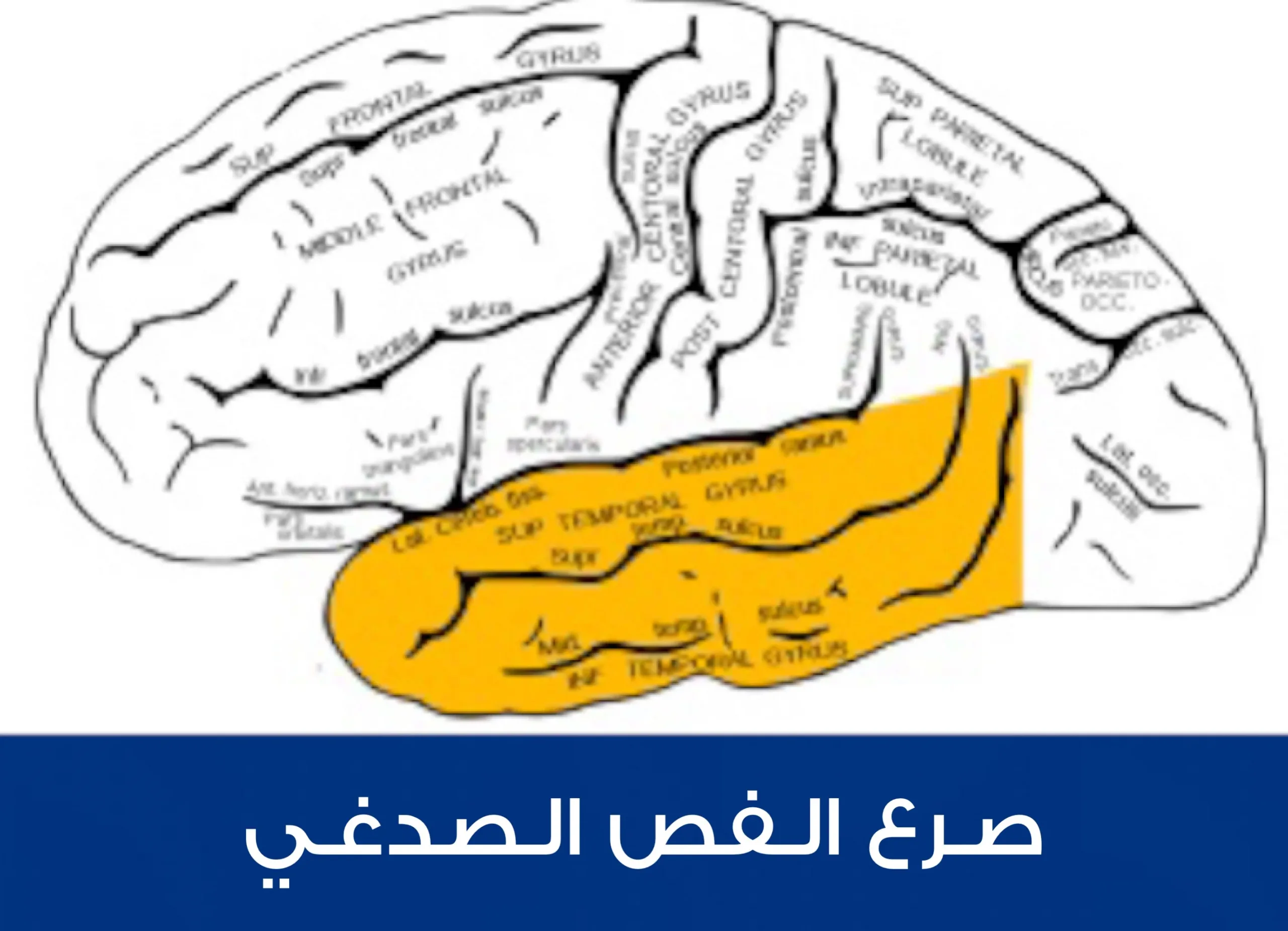
The largest part of your brain, the cerebrum, is divided into four sections called lobes: Frontal, parietal, occipital, and temporal lobes. Temporal lobe epilepsy, where the seizure focus is within the temporal lobe, is the most common type among adolescents and adults. In a temporal lobectomy, brain tissue from this area is removed to eliminate the seizure focus. Extratemporal resection involves removing brain tissue from areas outside the temporal lobe.
Removal of the lesion:
This surgery removes brain lesions, areas of injury or defects such as a tumor or malformed blood vessels, that cause seizures. The seizures usually stop once the lesion is removed.
Bisection of the corpus callosum:
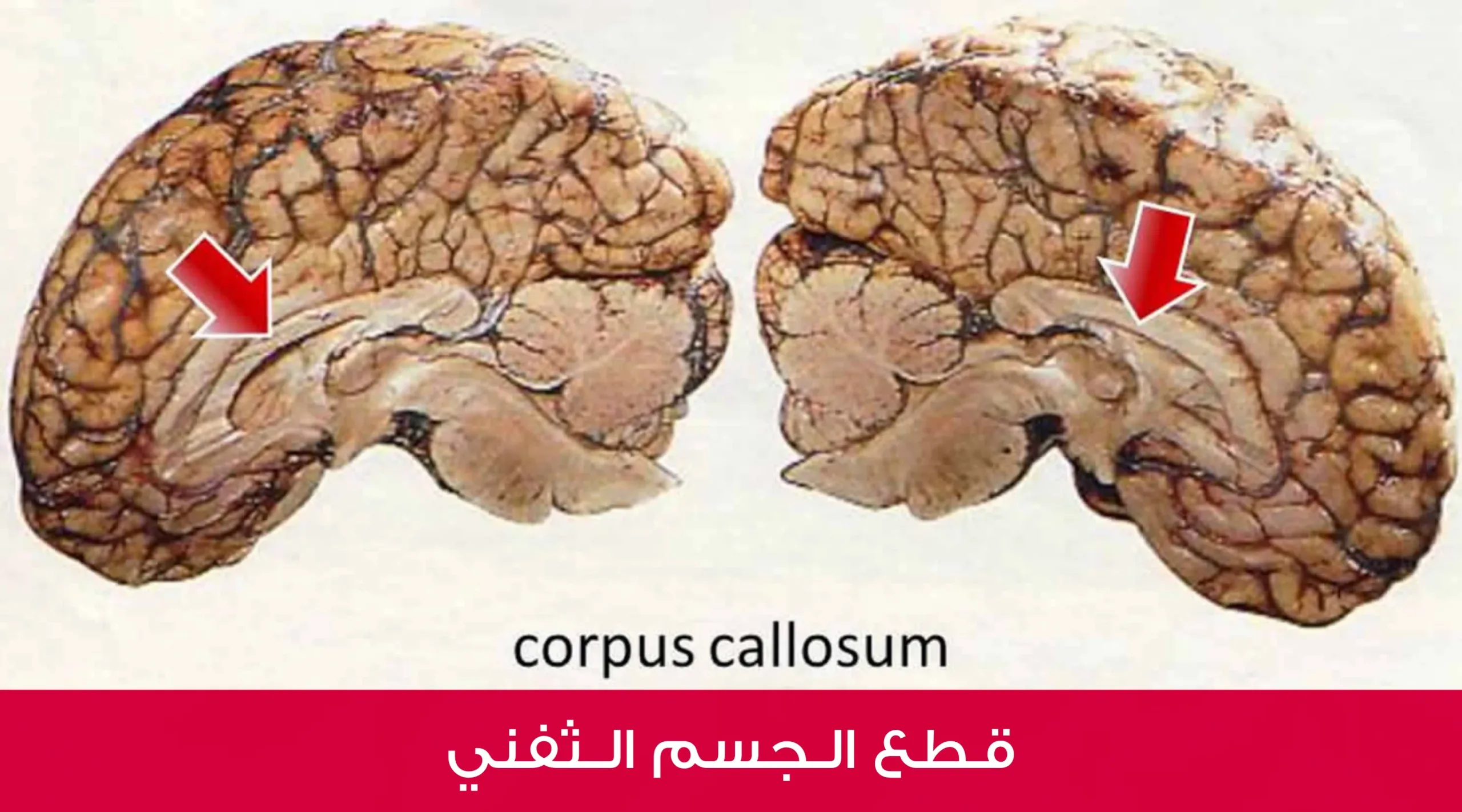
The corpus callosum is a group of nerve fibers connecting the two hemispheres of the brain. In this procedure, sometimes called split-brain surgery, your doctor cuts the corpus callosum. This stops the connection between the two hemispheres and prevents seizures from spreading from one side of your brain to the other. It works best for people with severe and uncontrollable forms of epilepsy and for those with severe seizures that can lead to violent falls and serious injury.
Functional hemispherectomy:
In a hemispherectomy, the doctor removes half of the brain. In a functional hemispherectomy, the doctor leaves the hemisphere in place but separates it from the rest of your brain. Only a limited area of brain tissue is removed. This surgery is mainly done for children younger than 13 years old who have a cerebral hemisphere that isn’t functioning the way it should.
Multiple Sternotomy (MST):
This procedure can help control seizures that start in areas of your brain that can’t be safely removed. The surgeon makes a series of superficial cuts (called incisions) in brain tissue. These cuts disrupt the flow of seizures, but don’t disturb normal brain activity. This leaves your abilities intact.
Vagus nerve stimulation (VNS):
A device placed under your skin sends an electronic jolt to the vagus nerve, which controls the activity between your brain and major internal organs. This reduces seizure activity in some people with partial seizures.
Responsive Neurostimulation System (RNS):
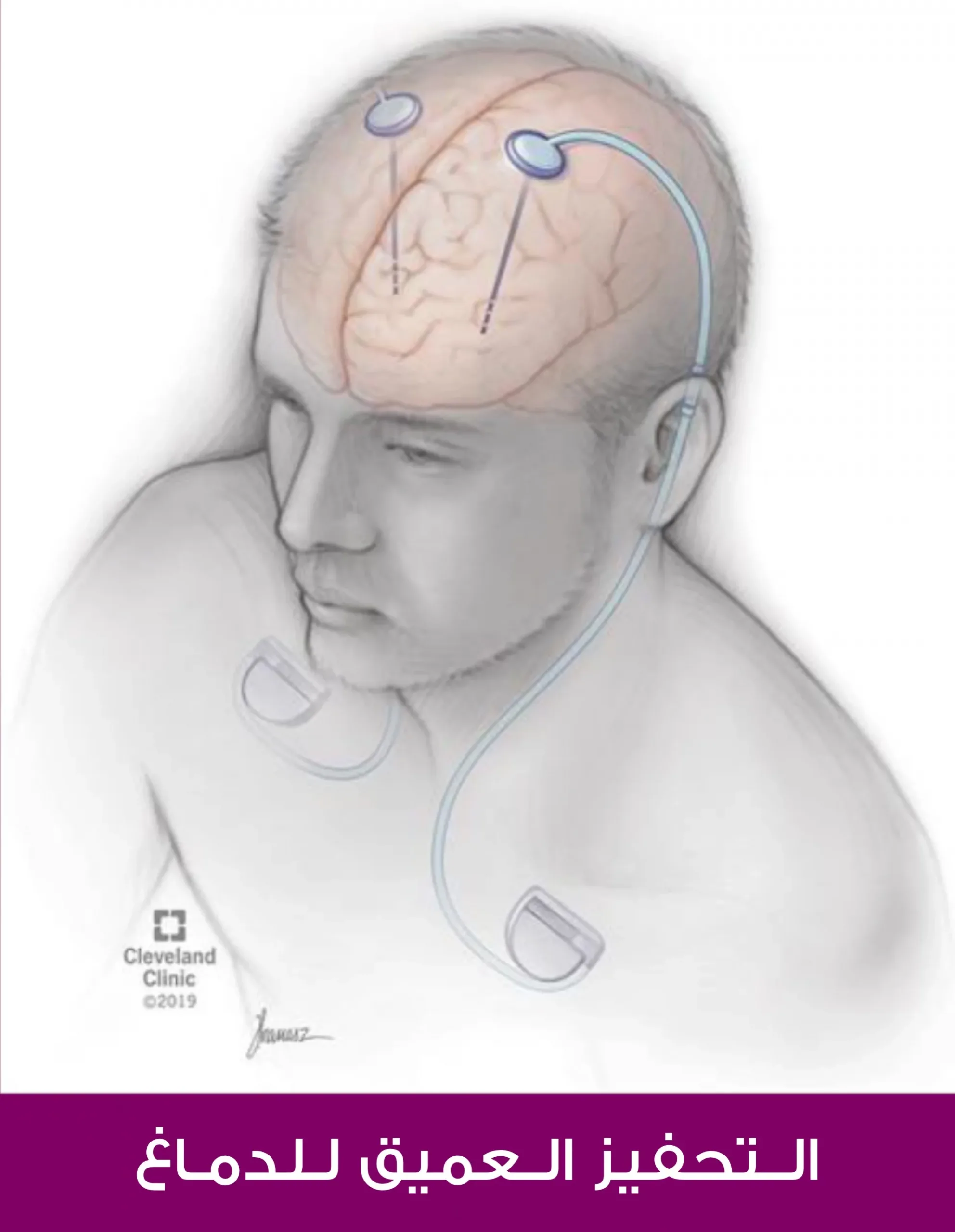
Doctors implant a small neurostimulator under the scalp, just below the skull. They connect it to one or two wires, known as electrodes, which are positioned either in the part of the brain where seizures originate or on the brain’s surface. This device detects abnormal electrical activity in the targeted area and sends an electrical current to interrupt the process that triggers a seizure.
Deep brain stimulation:
Doctors place electrodes in a specific area of the brain. They directly stimulate the brain to help stop the spread of seizures in adults who have not responded to medications and are not candidates for other surgeries.
How does surgery for epilepsy treatment in Turkey work?
It depends on the type of surgery. Some people never have seizures after surgery. Others still have seizures, but often to a lesser extent. You’ll need to continue taking anti-seizure medications for a year or more afterward. Once your doctor knows your seizures are under control, you may be able to reduce or even stop your medications.
Are there risks?
Before having surgery to treat epilepsy, your doctor will discuss the pros and cons with you. Some of the risks are:
- Infection and bleeding, as well as the possibility of an allergic reaction to anesthesia (these are common in any operation)
- Make existing issues worse or create a new issue in the way your brain works. You may lose vision, speech, memory, or movement
- Return of seizures
Repeat operation
If you experience a seizure immediately after surgery, your doctor may recommend a second procedure (reoperation). This does not mean the initial surgery failed. It usually indicates that not all the brain tissue causing the seizures was removed during the first operation.
Coping with Epilepsy
Educational, social, and psychological therapy are all part of a comprehensive treatment plan for epilepsy. The most important step you can take is to seek help as soon as you feel less able to cope. Epilepsy is best managed by a team of clinicians who can provide medical, psychological, social, and educational support. If you’re having trouble with school, work, finances, relationships, or daily activities, it’s important to discuss it with a member of your epilepsy team.
Acting promptly will help you understand and manage the various effects of epilepsy. Learning to cope with your stress will also support a positive physical, emotional, and spiritual outlook on life.
Vagus nerve stimulation
What is Vagus Nerve Stimulation (VNS)?
Vagus nerve stimulation is one way to treat epilepsy in Turkey. The doctor places a small device similar to a pacemaker in your body to stimulate the vagus nerve that runs from your brain to your trunk. This device serves many organs, including your throat, lungs, heart, and digestive system.
Vagus Nerve Stimulation Method
Your doctor puts you to sleep under general anesthesia. They insert a device, the size of a silver dollar, under the skin at the top of your chest. Then, they run a wire under your skin from the stimulator to an electrode attached to the vagus nerve, which they can access through a small cut in your neck.
Once inserted, the stimulator is programmed to send electrical impulses at regular intervals, depending on your condition. Your doctor can adjust the settings and slowly increase the current.
Your doctor will also give you a hand-held magnet. When you bring it close to the stimulus, it generates a current of electricity to stop a seizure immediately or make it less severe.
VNS is an add-on therapy, which means you use it in addition to another type of treatment. You’ll continue to take seizure medications. But you may be able to lower the dose over time.
How does VNS work?
Doctors don’t know exactly how it works. They do know that the vagus nerve is an essential route to the brain. They believe that stimulating this nerve sends electrical energy to a large area of your brain. This, in turn, disrupts the abnormal brain activity that causes seizures. Another theory is that stimulating the nerve causes your brain to send out special chemicals that reduce seizure activity.
Why is the vagus nerve stimulated?
Medications called anticonvulsants or anticonvulsant drugs work for most people, but some can’t cope with the side effects.
Surgery to remove the part of the brain that’s causing the seizures is another option. But not everyone should have this surgery.
Maybe your seizures are happening all over your brain, or the medications you’re taking can’t control them. That’s when VNS may be a good option.
Risks of vagus nerve stimulation
VNS can lead to complications, including:
- Injury to the nerve or nearby blood vessels, including the carotid artery and jugular vein
- Infection
- Bleeding
- Allergic reaction to anesthesia
VNS side effects
Side effects usually occur only when the nerve is stimulated. They are generally mild and tend to go away over time. The most common ones include the following:
- Hoarseness
- Cough
- Throat pain
- Tingling in the neck
- Difficulty swallowing
- Headache
- Shortness of breath
- Sleep Problems
Vagus nerve stimulation results
VNS is not a cure. It’s rare for seizures to go away completely, and most people still need to take epilepsy medications after the procedure. But many people with VNS have noticed that their seizures are less severe and occur 20% to 50% less often. You may also need less time to recover from a seizure.
People who have had VNS may also notice an improvement in their mood and quality of life. But it may take months, a year, or more of VNS before you see a significant difference.
Study 1, Study 2, Study 3.