


Neck disc symptoms are one of the most common neurological complaints, with statistics indicating that about 30% of adults experience some form of neck pain during their lifetime. Symptoms may start with mild pain in the back of the neck and gradually spread to the shoulder or arm, and ignoring these early signs may lead to a worsening of the condition and weakness or numbness in the limbs over time, requiring careful medical evaluation to determine the cause of the pain and treat it early.
What is a neck disc?
Cervical disc herniation is a condition caused by a slipped or eroded disc located between the vertebrae of the spine in the neck area, which leads to pressure on the nerves exiting the spinal cord. This condition occurs for a number of reasons, most notably:
- Accidents
- Aging
- Sudden movements
- Wrong Neck Posture
- Prolonged sitting in front of screens
These are the most common causes of neck discs, but they are not the only ones, and this condition causes a number of annoying symptoms that hinder the patient’s daily life.
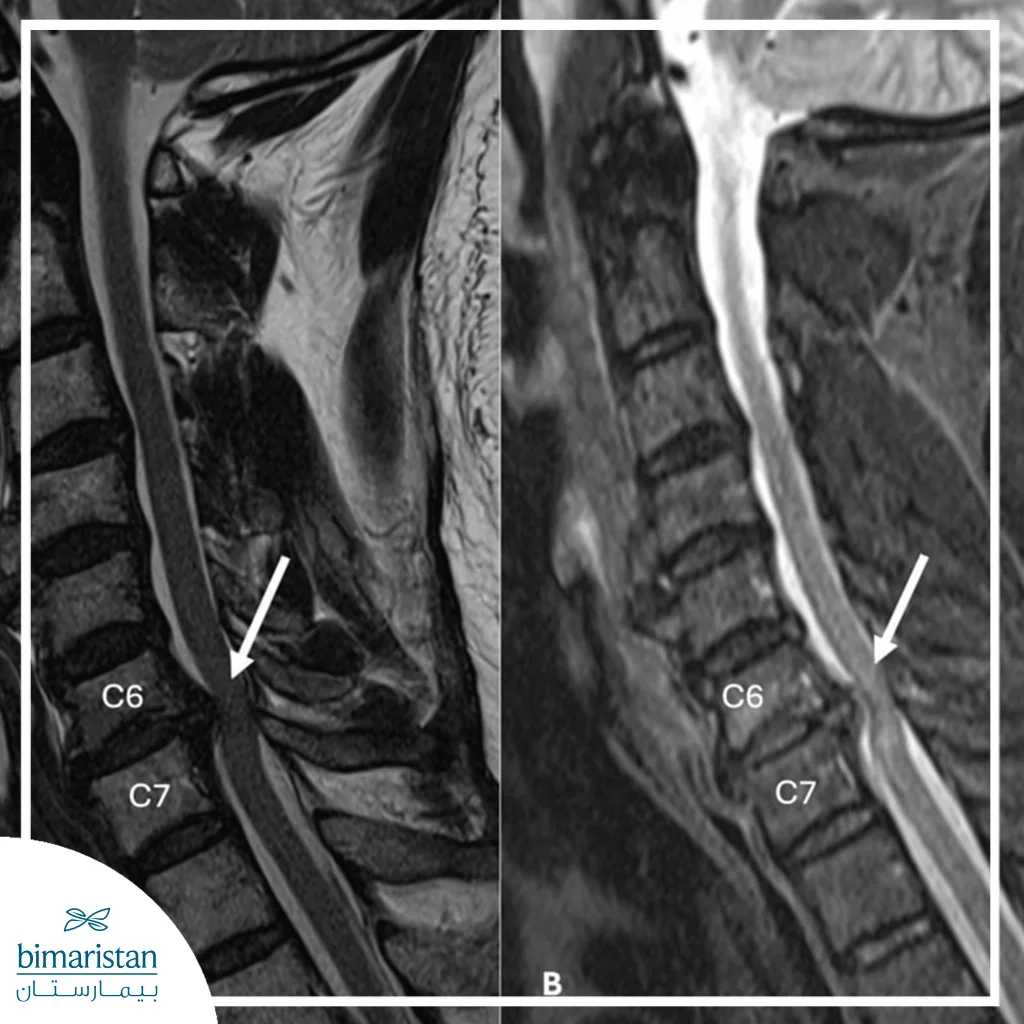
What are the most common neck disc symptoms?
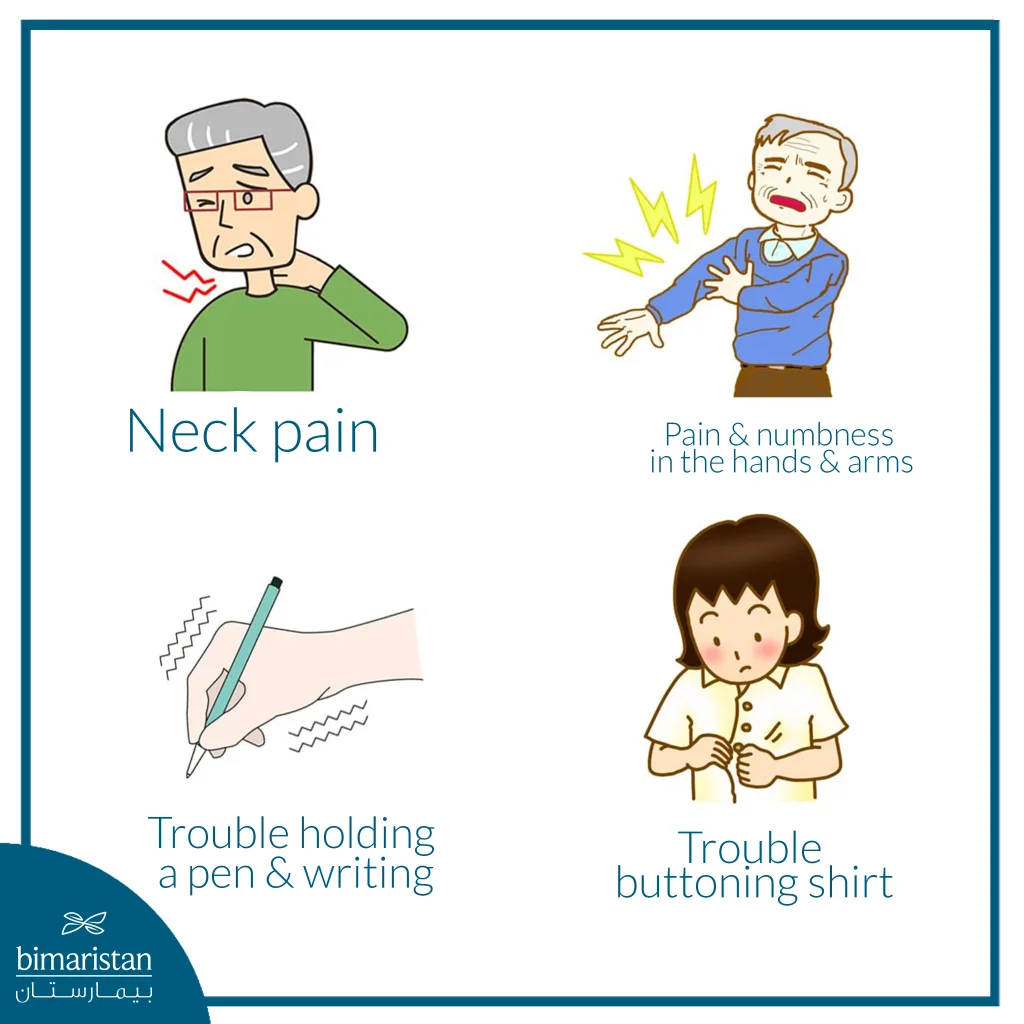
neck disc symptoms range from mild to moderate to severe, as the severity of the symptoms depends on the extent of the herniation and where the cartilage is pressing on the nerves. In the early stages of symptoms, it may be limited to localized pain in the neck, but as the condition worsens, the symptoms begin to spread to other places, the most prominent of which are:
- Numbness or tingling: Tingling or loss of sensation in the arms or fingers as a result of pressure on one of the cervical nerves innervating this area.
- Neck and shoulder pain: This is the most common sign, often increasing with movement or staying in one position for too long.
- Muscle weakness: Nerve irritation makes it difficult to lift objects or control your arm and hand normally.
- Headaches: Especially in the back of the head due to tense neck muscles and inflammation of the affected nerves.
These symptoms may appear on one side of the body only, or they may appear on both sides, and their severity varies from patient to patient, so it is important to consult a doctor as soon as you notice any numbness or increased weakness in a limb.
Advanced neck disc symptoms
Herniated neck disc symptoms become more severe in advanced stages, as they become more pronounced due to the increased pressure on the spinal cord and nerve roots, and this stage directly affects the patient’s movement and sensations, requiring emergency medical intervention. The most important of these symptoms:
- Balance and gait disorders: The nerve signals to the legs are affected, making movement less steady or uncoordinated from the brain.
- Reduced sensation in the limbs: The patient gradually loses the ability to recognize touch or heat in the arms and hands.
- Difficulty moving the neck or neck stiffness: The patient is visibly stiff and unable to turn easily.
- Severe muscle weakness: This can be to the point where it’s difficult to grasp objects or raise your arms.
These signs are a warning that there is too much pressure on the nerves or spinal cord, and this requires urgent evaluation by a specialized doctor to treat the neck disc in order to avoid permanent nerve damage.
When should I see a doctor?
It is advisable to see a doctor when any neck disc symptoms do not improve within a few days, or worsen over time, especially those symptoms that affect the patient’s daily life and hinder him from performing his tasks, and the most important of these neck disc symptoms include:
- Sharp, persistent pain that doesn’t go away even at rest
- Increased numbness or weakness in the arms or legs
- Difficulty controlling movement, walking, or body balance
- Problems with bladder or bowel control, a rare but serious sign
The appearance of any of these signs indicates severe pressure on the nerves and spinal cord, and therefore requires urgent medical consultation.
Neck Disc Diagnosis
The doctor begins by conducting a comprehensive clinical evaluation of the patient, in the context of neck disc diagnosis, where the doctor in this case tries to determine the source of pain accurately, while excluding other similar causes, and this diagnosis depends on the combination of a careful medical examination and modern medical imaging tests, and the most important of these tests include:
- Clinical and neurological examination: The doctor assesses neck movement, muscle strength, and reflexes, as well as testing sensation in the arms and hands to determine the location of the nerve compression.
- Magnetic resonance imaging (MRI): This is the most accurate test for diagnosing a neck disc, as it clearly shows the slipped disc, its size, and the pressure it is exerting on the nerves or spinal cord.
- CT scan: Used when an MRI is not available or when a more precise evaluation of the bones and vertebrae is needed.
- Additional tests such as electromyography (EMG): Helps measure nerve and muscle activity to pinpoint the exact location of nerve damage.
Combining these methods can sometimes be beneficial, as it enables the doctor to develop a proper treatment plan that relieves symptoms and prevents future neurological complications.
Factors that increase the onset of neck disc symptoms
Neck discs are affected by a number of factors that weaken the cervical cartilage and increase the likelihood of slipping or erosion over time, and understanding these factors helps to prevent and minimize the recurrence of symptoms. The most prominent factors that increase the symptoms of neck discs:
- Aging: Over the years, the discs between the vertebrae lose their elasticity and ability to absorb shock, making them more prone to rupture or slip.
- Long sitting and poor posture: Sitting in front of screens or driving a car for long periods of time causes repetitive strain on the cervical vertebrae.
- Repetitive stress or sudden movements: Lifting weights the wrong way or playing certain sports violently can lead to cartilage injury.
- Poor muscle tone: Weak neck and shoulder muscles make the vertebrae less stable and more prone to injury.
- Genetic factors and smoking: Both contribute to accelerated cartilage wear and reduced blood flow.
Knowing these causes can help you take simple preventative steps such as improving your posture and regular exercise to keep your cervical spine healthy and reduce the likelihood of developing a neck disc.
Complications of neglecting neck disc symptoms
Neglecting the symptoms of neck discs and not treating them in time may lead to the development of the condition and the occurrence of neurological complications that are difficult to reverse later, as the constant pressure on the nerves or spinal cord causes a gradual imbalance in the nerve signals between the brain and the limbs, and the most important complications of neck disc neglect are:
- Permanent nerve damage: Chronic stress can lead to loss of sensation or permanent weakness in the arms and hands.
- Loss of balance or difficulty walking: The result of damage to the nerve pathways responsible for motor coordination.
- Reduced ability to perform daily activities, Such as writing, grasping tools, or lifting simple objects.
- Chronic neck and shoulder pain: It becomes persistent even at rest and may extend to the head or upper back.
Neck Disc Treatment
With the development of medicine, the treatment of neck discs has become possible, as there are many operations that can be performed to get rid of neck discs almost completely, and the most important treatments include:
In conclusion, recognizing neck disc symptoms in their early stages helps to avoid serious neurological complications and improve quality of life. At Bimarestan Medical Center in Turkey, diagnosis and treatment are provided with the latest globally approved technologies under the supervision of elite neurologists and spine surgeons, to ensure safe and effective restoration of mobility and comfort.
Sources: