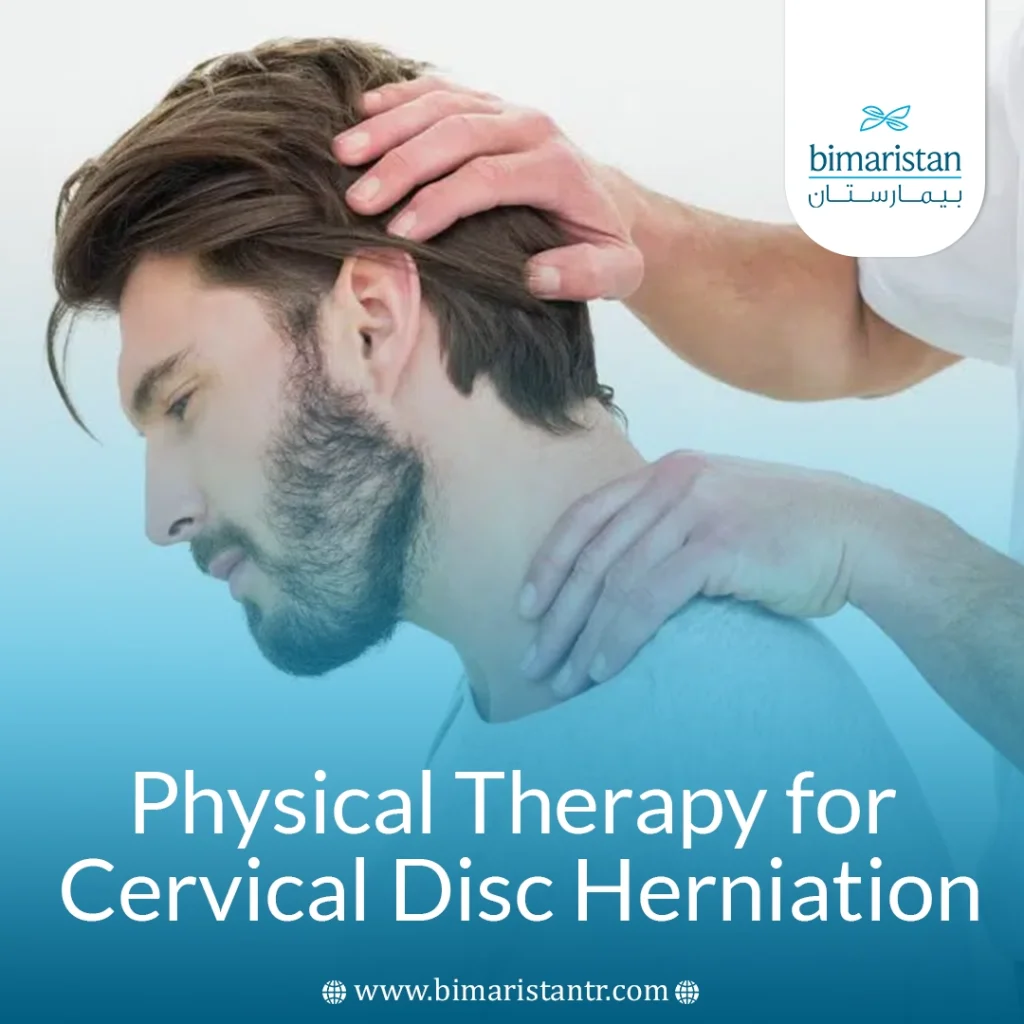
Neck disc is one of the most common causes of neck and shoulder pain, as statistics indicate that more than 30% of adults will suffer from its symptoms at some point in their lives. Physical therapy for neck discs depends on non-surgical techniques aimed at strengthening the muscles and improving the flexibility of the cervical vertebrae to reduce pressure on the nerves. With the development of modern treatment methods, it is possible to achieve significant improvement and significantly reduce the need for surgical intervention.
What is a neck disc, and how does it happen?
A neck disc is a condition caused by a slipped or ruptured disc between the vertebrae of the spine in the neck area, where these discs act as an elastic cushion that absorbs shocks and keeps the vertebrae moving smoothly, but when the outer shell of the disc wears or ruptures, part of the inner material protrudes and presses on the neighboring nerves, resulting in pain, numbness, or muscle weakness.
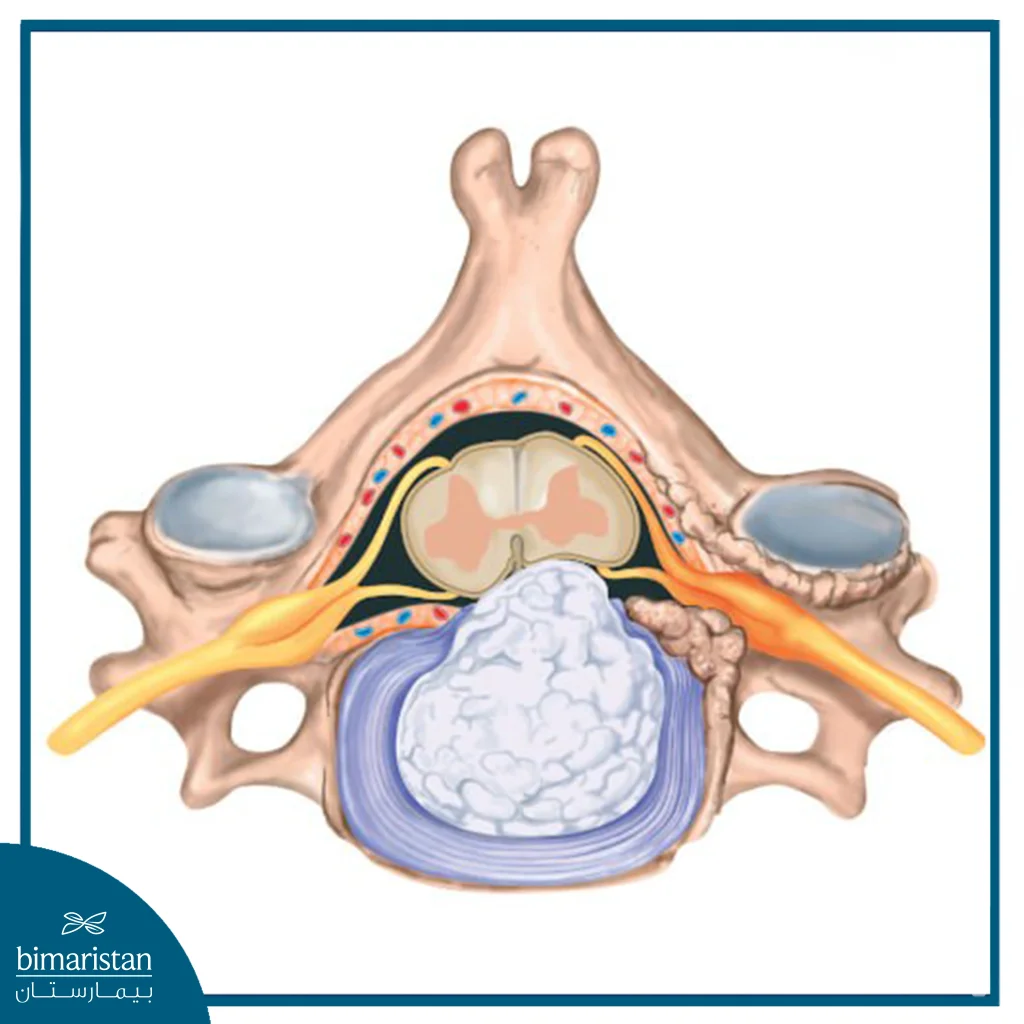
Common Causes of Neck Discs
The causes of neck discs are many and vary from person to person, most notably:
- Aging: This causes the discs to gradually lose their elasticity and dry out, making them more prone to rupture or slip.
- Sitting with the wrong posture: Bowing your head too much while using your phone or computer is a common cause.
- Repeated physical exertion: Carrying heavy weights or performing repetitive, sudden movements can lead to disc herniation.
- Sedentary lifestyle: Being sedentary and not doing exercises that strengthen the neck and back muscles increases the risk of injury.
- Previous injuries or accidents: Such as car accidents or falls, which may cause direct damage to the vertebrae or discs.
- Weak neck and shoulder muscles: This makes the vertebrae less stable and increases pressure on the cervical discs.
- Genetic factors: Some people have a genetic predisposition to poor disc structure.
Neck Disc Symptoms
The symptoms of a neck disc range from mild to moderate, which the patient can live with, to severe symptoms that disrupt the patient’s life and make him unable to rely on himself, the most important of which are:
- Neck pain: Starts gradually and may radiate to the shoulder or arm depending on the location of the slip.
- Back or cervical headaches: Caused by tight neck muscles and pain radiating toward the head.
- Stiff neck: Difficulty moving the head to the sides or back due to muscle spasm.
- Mild dizziness in some cases: The result of tense muscles surrounding the vertebrae and their effect on blood flow.
- A tingling or burning sensation: Sometimes extends along the upper limb, especially when you bend over or cough.
- Numbness or tingling: The patient feels it in the arm or fingers as a result of the disk pressing on the cervical nerves.
- Muscle weakness: Especially in the arm or hand, making it difficult to perform fine movements or lift objects.
A cervical disc patient does not have to suffer from all the symptoms, and can suffer from only one or two of them, but in any case, they are annoying and require medical intervention to resolve them.
How does physical therapy for neck discs help speed up recovery and relieve pain?
Physical therapy for neck discs helps relieve pressure on the affected nerves and stimulate natural healing without the need for surgery, as the physiotherapist works to improve the flexibility of the vertebrae and strengthen the muscles supporting the neck, which reduces inflammation and gradually relieves pain, and other treatment methods such as heat, electrical stimulation, and cervical traction are used to relieve muscle spasm and improve blood flow to the affected area, and adherence to regular physical therapy sessions contributes to restoring normal neck movement, improving body position, and reducing the likelihood of recurrent slippage in the future.
The most important techniques used in physical therapy for neck discs
These physical therapy for neck discs techniques are varied and include :
- Therapeutic exercises: Aimed at strengthening the neck and shoulder muscles, improving the balance between the anterior and posterior neck muscles to relieve pressure on the vertebrae.
- Heat and cold therapy: Applying heat helps relax muscles and improve blood flow, while cold therapy relieves inflammation and acute pain.
- Cervical traction: Used to relieve pressure on the nerves and vertebrae by gently stretching the neck using specialized equipment or manually by the therapist.
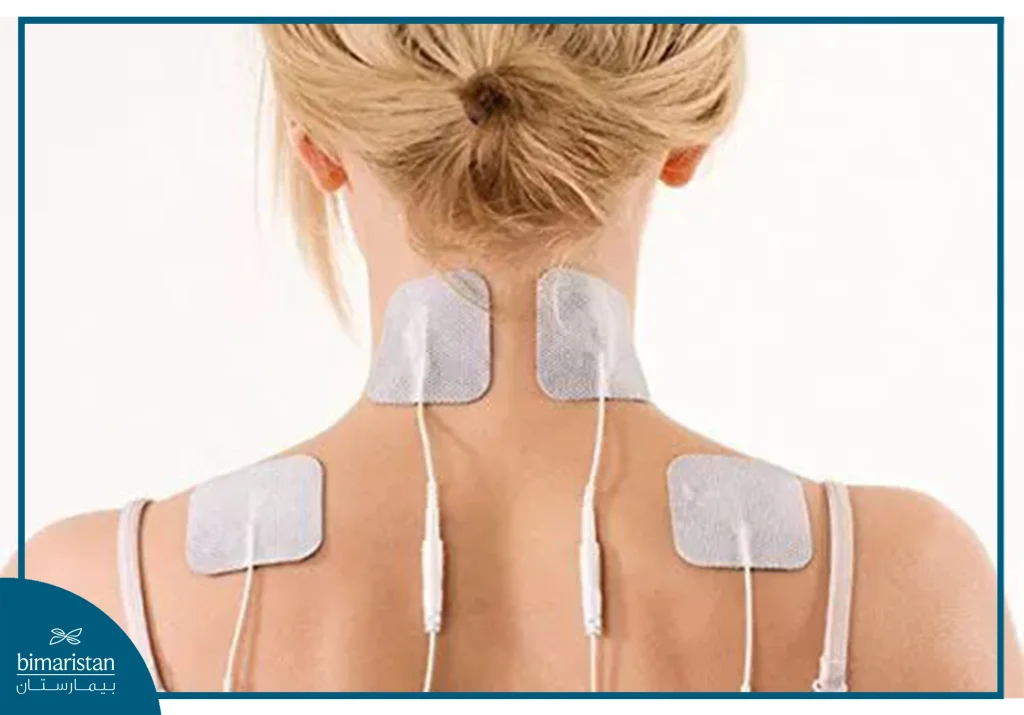
- Transcutaneous electrical nerve stimulation (TENS): Used to reduce pain sensation by sending mild electrical impulses to the affected area.
- Ultrasound: Helps speed up the healing process by promoting blood circulation and reducing inflammation within deep tissues.
- Manual therapy: Involves moving joints and massaging tight muscles to improve flexibility and reduce muscle spasm.
- Posture correction: The patient is taught proper posture while sitting, sleeping, and working to minimize stress on the neck and prevent future relapses.
- Low-Level Laser Therapy (LLLT): May be used to help relieve pain and improve patient comfort. Your physical therapist will determine whether it is appropriate based on your individual condition.
- Dry Needling: Used to treat muscle tightness and painful trigger points that may accompany a cervical disc herniation, helping reduce pain and improve neck mobility.
- Kinesio Taping: May be applied to support the neck muscles, improve posture, and reduce strain on the affected area as part of a comprehensive rehabilitation program.
Choosing the right techniques and combining them can greatly help relieve the symptoms of dyskinesia and improve the quality of life.
Physical therapy program after diagnosis
After the diagnosis of the disc, the doctor will start a physical therapy program for the patient’s neck disc, which is done in 5 basic stages that include:
- Initial case evaluation: The specialist begins by gathering the patient’s clinical history, performing a thorough clinical examination to determine the severity and location of the herniation, and reviewing radiographs or MRIs to assess the pressure of the disc on the nerves.
- Develop a personalized treatment plan: An individualized plan is tailored to the degree of pain, the patient’s lifestyle, and range of motion, and typically includes a combination of strengthening exercises, manual therapy, electrical stimulation, or cervical traction.
- Implementation of therapy sessions: Sessions are conducted two to three times a week, with the therapist monitoring the patient’s response and gradually adjusting the program according to improvement.
- Home education and preventive exercises: The patient is provided with simple home exercises to keep the neck flexible and strengthen the muscles, with advice on correct posture while working and sleeping.
- Duration of treatment and follow-up: Most physical therapy programs last from 4 to 8 weeks, and may last longer in chronic cases, where progress is evaluated weekly to ensure that pain is improved and normal movement is restored.
Adhering to the doctor’s instructions and medical advice will greatly help speed up the healing process and prevent relapse in the future.
When is physical therapy for neck discs not enough?
Physical therapy for neck discs may not be sufficient in some advanced cases that are associated with severe compression of the nerves and spinal cord, and when the patient is unable to perform daily activities despite adhering to physical therapy, then the need for surgical intervention or other treatments appears and the cases that require surgical evaluation include:
- Increasing weakness in the arm or hand, or loss of the ability to grasp objects
- Severe, persistent pain that does not improve despite physical therapy sessions and pain medications
- Significant neurological disorders, such as loss of sensation, difficulty with movement, or balance
- Severe compression on radiographs that threatens nerve or spinal cord function
In such cases, the patient should see a neurosurgeon to evaluate the possibility of a minimally invasive or endoscopic surgical intervention, the goal of which is to decompress and restore nerve function.
Preventing neck disc recurrence after physical therapy
After the patient has completed physical therapy for neck discs and regained normal neck movement, he must follow a number of tips to avoid relapse and re-injury, and these tips are:
- Maintain proper neck posture: Keep the head in line with the spine while sitting or standing, and avoid excessive bending while using a phone or computer.
- Avoid prolonged sitting: Take a short break every 30-45 minutes to move the neck and stretch the muscles during office work.
- Regular exercise: Exercises to strengthen the neck and shoulder muscles help support the vertebrae and prevent re-slippage.
- Choose the right pillow for sleeping: The pillow should maintain a natural curvature of the neck without raising or lowering the head too much.
- Avoid heavy lifting or sudden movements: These put excessive pressure on the cervical vertebrae and can lead to a relapse.
- Adhere to the preventive treatment program: Follow up regular sessions with a physical therapist even after full recovery to maintain vertebral flexibility and muscle strength.
In conclusion, physical therapy for neck discs is an effective and safe option to control pain and restore normal movement, and the success of the treatment depends on an accurate diagnosis and commitment to regular sessions under the supervision of experienced specialists. At Bimaristan Medical Center in Turkey, the latest physiotherapy programs are offered under the supervision of elite neurologists and physiotherapists to ensure the best results for patients from different countries.
Sources:
- Wu, S.-K., Chen, H.-Y., You, J.-Y., Bau, J.-G., Lin, Y.-C., & Kuo, L.-C. (2022). Outcomes of active cervical therapeutic exercise on dynamic intervertebral foramen changes in neck pain patients with disc herniation.
- Li, X., & Wang, M. (2019). The effect of exercise on cervical radiculopathy: a systematic review and meta-analysis.