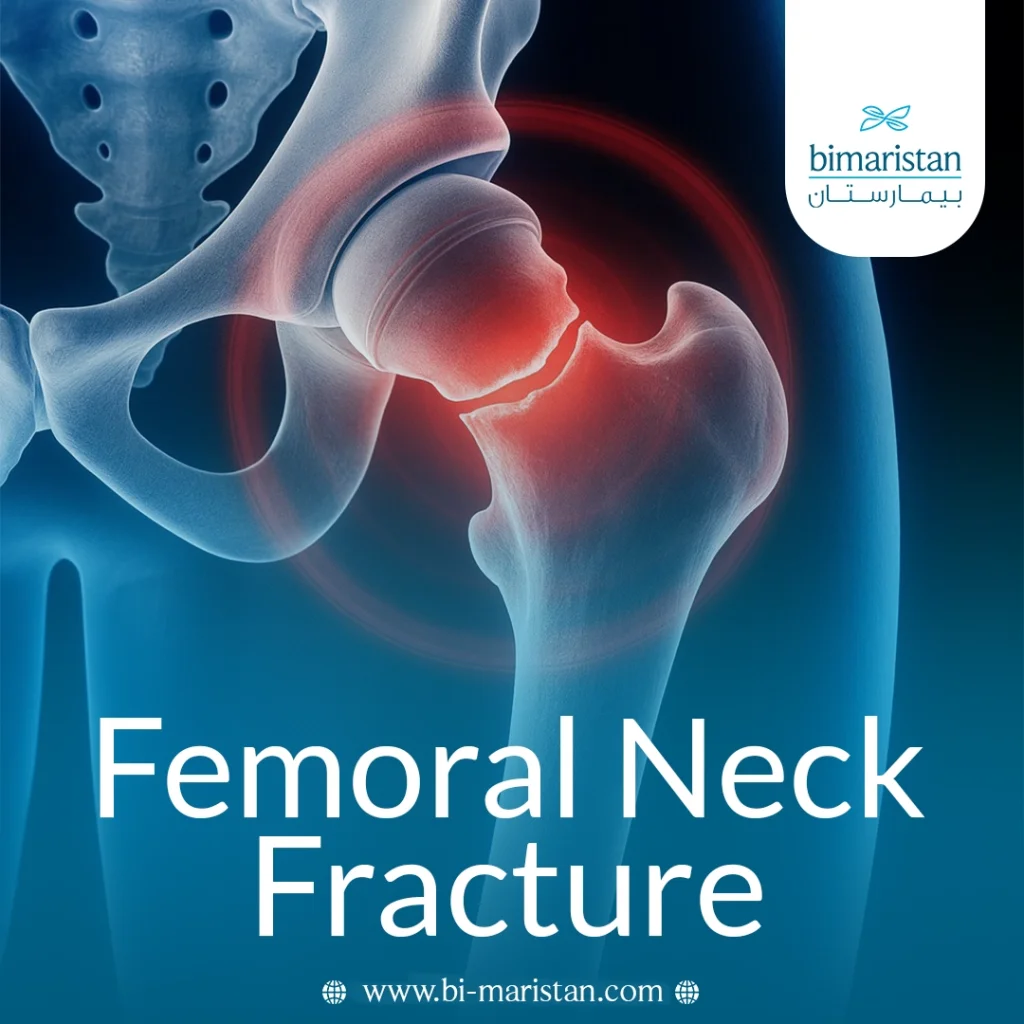



Femoral neck fracture is one of the most common and serious injuries in the elderly, representing a leading cause of mobility loss and increased disability rates. Global statistics confirm that hundreds of thousands of hip fractures are reported annually, with a notable rise in incidence among people over 65. This prevalence is largely linked to factors such as osteoporosis, impaired balance, and reduced muscle mass, which make this age group more prone to falls and traumatic injuries, even from minor accidents.
Medical evidence shows that a femoral neck fracture requires urgent therapeutic intervention due to its association with severe complications, including blood clots, infections, and a decline in physical fitness caused by immobility. Surgical management followed by structured rehabilitation remains the cornerstone for restoring functional ability and preventing further deterioration in health. For this reason, a femoral neck fracture is considered a medical emergency that demands precise care and comprehensive therapeutic planning.
What is a femoral neck fracture?
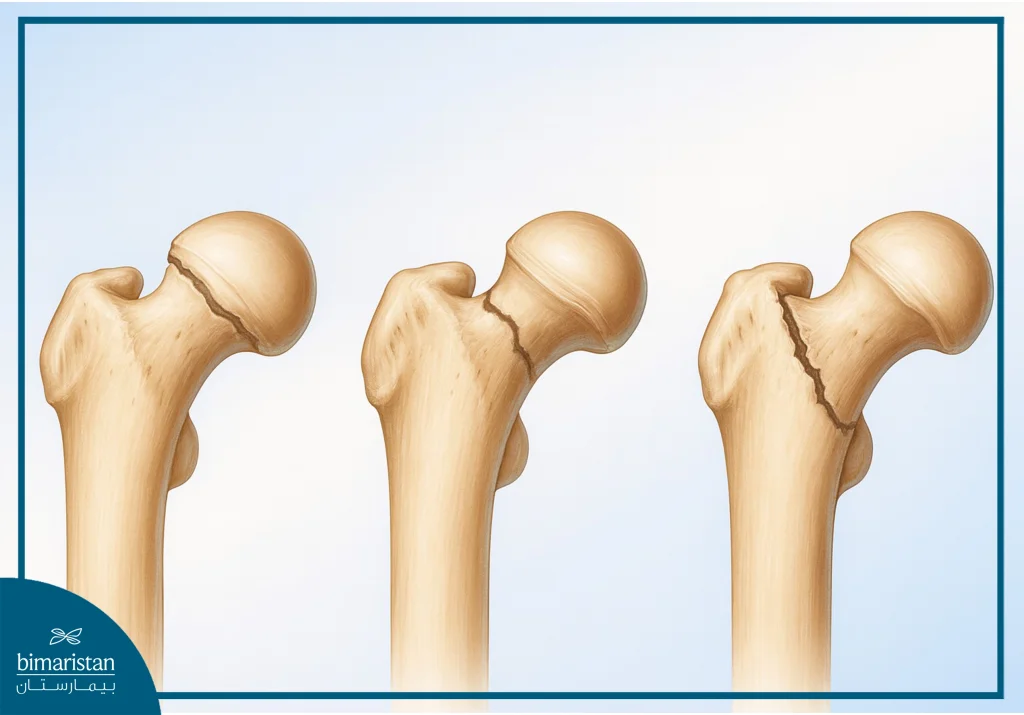
The femoral neck fracture occurs in the upper part of the femur near the hip joint and is considered a very critical injury, especially in the elderly. This fracture occurs in the area between the femoral head and the femoral shaft, which may affect blood flow to the femoral head and increase the risk of complications such as delayed healing or bone death. The severity of the fracture depends on its location and the direction of the fracture line. It is usually divided into non-displaced fractures, displaced fractures, and sub-head fractures, each with distinct effects on joint stability and the patient’s motor function.
These injuries are particularly common in people with osteoporosis or low bone density, which makes bones more fragile and easy to break, even with a minor fall or blow. A femoral neck fracture requires urgent medical evaluation with X-rays or MRI to determine the type of fracture and the appropriate treatment plan, which is often surgical, to stabilize the bone and restore mobility safely and effectively.
Types of femoral neck fractures
Femoral neck fractures vary in terms of location, direction, and the degree of displacement. These factors directly influence hip stability and the likelihood of healing. Identifying the specific type of fracture is crucial for selecting the appropriate treatment and minimizing potential complications. The most significant types of femoral neck fractures include:
Non-displaced fractures
This type of fracture is considered less severe than displaced fractures and is often treated with internal fixation or minor surgery. These fractures account for about 25-30% of femoral neck fractures in the elderly.
Displaced fractures
It is characterized by displacement of both fracture ends from their normal positions, which increases the risk of disrupting blood flow to the femoral head and delaying healing, often requiring a half-joint replacement or total hip replacement, and accounts for about 50-55% of hip fractures.
Subcapital femoral fracture
Located just beneath the femoral head, this type of fracture poses the greatest risk to blood flow, significantly increasing the chances of necrosis or bone failure. It often necessitates microsurgical fixation or joint replacement and accounts for approximately 35% of all fractures.
Transcervical fractures
It extends through the middle of the femoral neck and may lead to poor stability or delayed healing. Treatment options depend on the patient’s condition and may involve internal fixation or joint replacement. Statistics show that this type of fracture accounts for approximately 20% of all fractures.
Causes of femoral neck fracture
Fractures of the femoral neck result from a combination of mechanical and biological factors that affect bone strength and body stability. The significance of these factors increases with age or the presence of chronic diseases. Accurately identifying these causes is crucial for preventing injuries and minimizing risks before they occur. The most important and common causes include:
- Osteoporosis: Osteoporosis is the most common cause of femoral neck fractures in the elderly, as bone density decreases and bones become very weak, making them prone to fractures even with a simple fall or light pressure.
- Falls and traumatic injuries: Sudden falls, especially in the elderly or people with poor balance, are a direct cause of femoral neck fracture. Traffic accidents and sports injuries also increase the risk of fracture.
- Muscle weakness and loss of balance: Declining muscle strength with age or after chronic illness reduces the body’s ability to protect the hip during falls, increasing the likelihood of fractures.
- Chronic diseases: Diabetes, thyroid disorders, and cardiovascular disease can affect bone quality and balance.
- Improper nutrition: A lack of calcium and vitamin D reduces bone strength and increases the risk of fractures with even minor trauma.
- Influence of medications: Some medications, such as long-term steroids or chemotherapy drugs, lead to weaker bones or an increased likelihood of fracture.
- Genetic and age factors: Advanced age, postmenopausal female gender, and a family history of osteoporosis increase the risk of a femoral neck fracture.
Symptoms of a femoral neck fracture
The symptoms of femoral neck fracture vary according to the type and severity of the fracture, but they often appear suddenly and require urgent medical evaluation to avoid complications. Early recognition of these symptoms helps in providing appropriate treatment and reducing the risk of long-term complications, the most important of which are:
- Complete or partial inability to walk or stand: The patient often loses the ability to walk or stand due to the severity of the pain and loss of joint stability and needs urgent medical support or intervention.
- Swelling and bruising around the hip joint: Apparent swelling and bruising can occur as a result of internal bleeding or concomitant trauma, especially in displaced or compound fractures.
- Abnormal shortening or rotation of the affected leg: In displaced fractures, the leg may appear shorter or twisted compared to the other leg, indicating that both ends of the bone have been displaced.
- Difficulty moving the knee or foot: The patient experiences pain when attempting to bend the knee or move the foot, suggesting hip instability.
- Swelling in the tissues surrounding the thigh: This includes the hip, buttocks, and sometimes the upper thigh, with a sensation of warmth or stiffness.
- Associated neurological symptoms: Numbness or tingling in the foot or toes may occur due to fractures or swelling pressing on nearby nerves.
- Common symptoms in older people: Dizziness, fatigue, loss of balance that can lead to falls, and fear of movement due to severe pain.
- Changes in gait when trying to stand: In cases of partial or non-displaced fractures, the patient may walk slowly or twist the healthy leg to avoid pain.
Diagnosis of a femoral neck fracture
Early and accurate diagnosis of a femoral neck fracture is critical to determine the type of fracture and the appropriate treatment plan, and to minimize complications associated with delayed surgical intervention. Diagnosis begins with a clinical examination of the patient to assess pain, mobility, and the shape of the affected leg. It is completed using medical imaging techniques to determine the exact location and severity of the fracture. These procedures help choose the optimal treatment and minimize the risk of long-term complications, such as clots or loss of mobility.
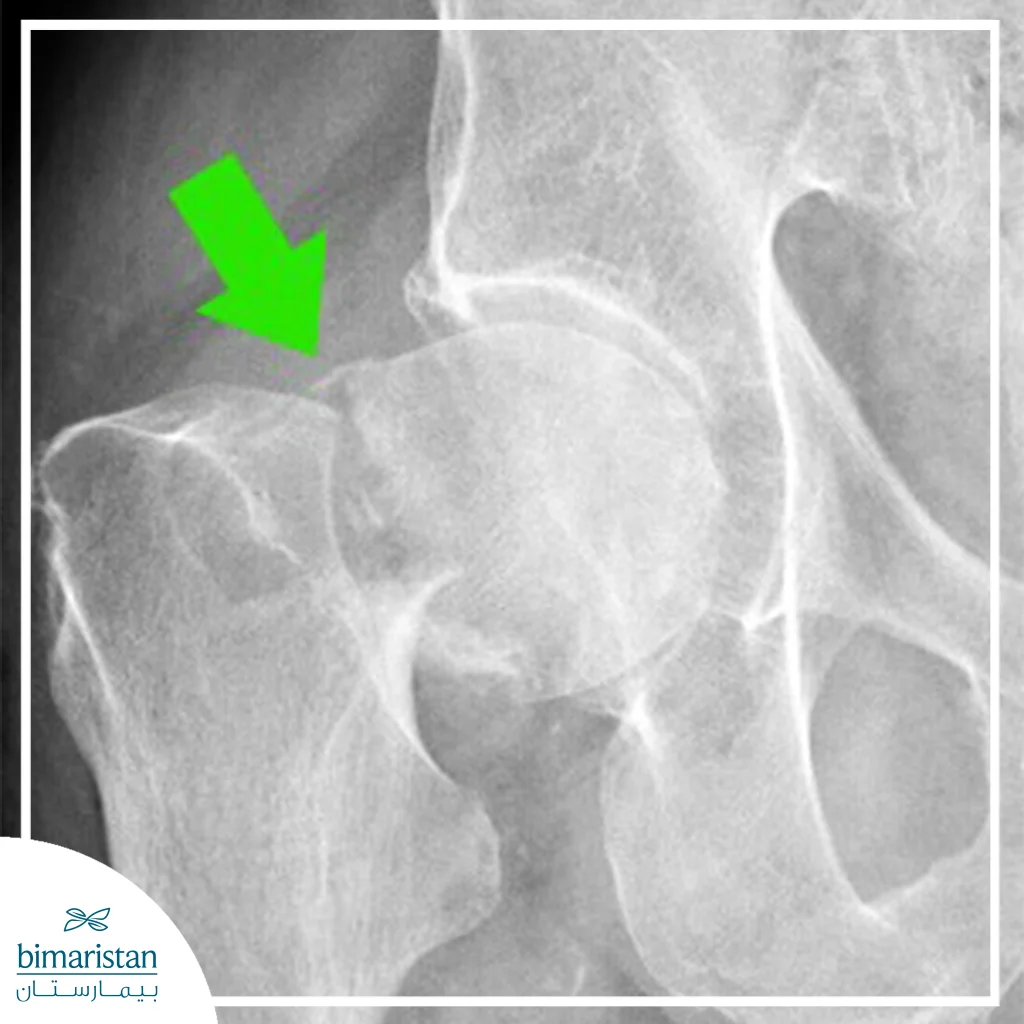
X-rays
X-rays are the primary step in visualizing the fracture, determining its exact location and orientation, and assessing the extent of bone-end displacement. It is often sufficient to diagnose most fractures, especially non-displaced fractures, which helps the surgeon plan surgical or non-surgical treatment and determine the appropriate method of stabilization or replacement.
Clinical examination
This includes assessing the severity of pain, the ability to move the hip and leg, the shape of the affected leg, and the presence of visible swelling or bruising. The clinical examination helps determine the severity of the injury, assess the need for immediate surgical intervention, and help detect any concomitant injuries that may affect the treatment plan and stabilization procedures.
Magnetic Resonance Imaging (MRI)
MRI is used to detect hidden fractures or stress fractures that may not be clearly visible on conventional scans. It provides accurate images of the bone and surrounding tissues, helping assess the integrity of blood vessels near the femoral head and ensuring optimal surgical intervention while minimizing the risk of osteonecrosis.
Computed Tomography (CT)
Computed tomography is very important in complex or displaced fractures, as it provides a three-dimensional image of the bone and helps determine the degree of displacement and the extent of the fracture line. It also helps select the optimal surgical method for stabilization or joint replacement. It provides the medical team with accurate information about the anatomical situation before the operation, ensuring the best possible results.
Femoral neck fracture treatment
The treatment of a femoral neck fracture depends on the type of fracture, the degree of displacement, the patient’s age, and overall health. The main goal is to stabilize the bone and restore motor function quickly while minimizing the risk of complications, such as clots, infections, and muscle loss. Treatment is primarily surgical, with conservative treatment reserved for very limited cases, such as patients who cannot undergo surgery due to severe chronic illnesses. The following are among the most important treatment methods:
Internal fixation
Internal fixation is used in non-displaced fractures or partial fractures where the ends of the fracture remain close to their normal position. Screws or metal plates are inserted to stabilize the bone and promote proper fracture healing. This option preserves the natural hip joint and minimizes the need for hip replacement. This method is often used in relatively young or elderly patients with a minimally displaced fracture and is applied in about 25-30% of femoral neck fracture cases.
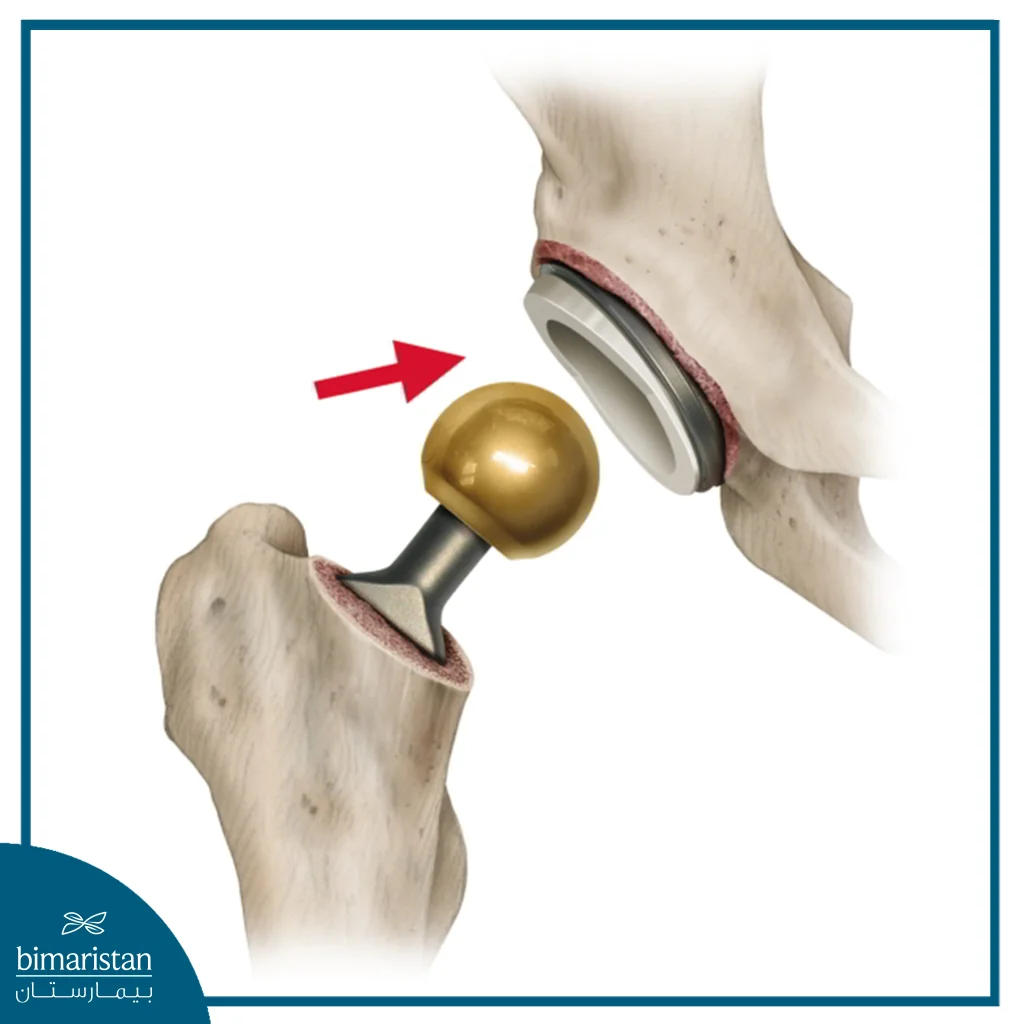
Half-hip replacement
This procedure is used for displaced fractures or those that threaten blood flow to the femoral head, where an untreated fracture can lead to bone necrosis and delayed healing. It involves replacing the femoral head with an artificial femoral head while leaving the natural acetabular articular surface intact. This option is suitable for elderly patients with displaced fractures or severe osteoporosis. It minimizes the risk of complications associated with non-union and is applied in about 50-55% of displaced cases.
Total Hip Replacement
Total hip replacement is used in complex or chronic fractures, especially if the hip joint is already severely damaged or osteoporotic. It involves replacing the femoral head and acetabulum with artificial components to ensure full functional recovery and minimize pain. It is the best option for elderly patients with joint damage or complex fractures that are not suitable for internal fixation, accounting for about 15-20% of all femoral neck fractures.
Recovery and care after femoral neck fracture treatment
The recovery period following the treatment of a femoral neck fracture involves several stages, beginning with rest and gradually progressing to the restoration of movement. It includes careful follow-up to prevent complications. Adhering to medical guidelines and engaging in physical rehabilitation can speed up recovery and reduce the risk of re-injury. Here are some of the most important tips:
- Motor rehabilitation program: Includes exercises to strengthen the muscles around the hip and improve balance, helping the patient regain the ability to walk and perform daily activities safely.
- Home instructions after discharge: These include using crutches or walkers, moving cautiously around the house, avoiding activities that may cause falls, and securing the environment to minimize risks.
- Promote bone health: Eat a diet rich in calcium and vitamin D, and follow up on any anti-osteoporosis medications as recommended by your doctor to ensure bone strength and prevent future fractures.
- Minimize the risk of falls: Modify the home environment, remove obstacles, provide good lighting, review vision, and monitor medications that may cause dizziness or poor balance.
- Long-term medical follow-up: It involves regular visits to assess fracture healing, check joint condition, and monitor for complications such as arthritis or failed bone healing.
- Pain management and rest: Use prescribed painkillers and maintain adequate rest with proper sleeping positions to avoid pressure on the injured hip and promote a speedy recovery.
Advantages of femoral neck fracture treatment in Turkey
Turkey is a prominent destination for the treatment of femoral neck fractures due to its combination of high surgical expertise and modern technology. Medical centers in Turkey offer comprehensive programs that include accurate diagnosis, surgery, and rehabilitation, ensuring excellent outcomes for patients from around the world. Some of the key features of these programs include:
- Advanced surgical expertise: Turkey offers specialized hip surgeons and modern equipment, increasing the chances of successful operations and minimizing post-operative complications.
- Modern surgical techniques: The use of laparoscopic surgery and modern internal fixation techniques allows for minimally invasive procedures, minimizing pain and speeding up recovery.
- Integrated rehabilitation programs: These include physical therapy sessions, gait training, and muscle-strengthening exercises, which enhance post-operative function and reduce the risk of repeat fractures.
- Affordable compared to other countries: Turkey offers high-quality medical services at lower prices compared to the US and Europe, with comprehensive packages that include surgery, accommodation, and rehabilitation.
- Easy access and international support: Turkish hospitals offer services for international patients, including transportation, accommodation, and comprehensive medical support, ensuring a comfortable, safe treatment experience.
In conclusion, femoral neck fracture is a serious condition that predominantly affects the elderly, leading to significant impairment in mobility and daily independence. The causes and types of these fractures range from osteoporosis and falls to muscle weakness and chronic diseases, which makes early diagnosis and precise medical evaluation essential for selecting the appropriate treatment. Options include internal fixation or partial or total hip replacement, depending on fracture type and displacement severity, with strong emphasis on structured rehabilitation programs.
The recovery phase, home care, and continuous medical follow‑up are crucial in regaining mobility and reducing the risk of re‑injury. Treatment in advanced medical centers, such as those in Turkey, offers an optimal choice thanks to their surgical expertise, modern technologies, and comprehensive rehabilitation services.
Sources:
- U.S. National Library of Medicine. (n.d.). Patient instructions: Broken bone – aftercare.
- Lutnick, E., Kang, J., & Freccero, D. M. (2020). Surgical treatment of femoral neck fractures: A brief review. Geriatrics (Basel), 5 (2), 22.
- Kazley, J., & Bagchi, K. (2023, May 8). Femoral Neck Fractures. In StatPearls . StatPearls Publishing.