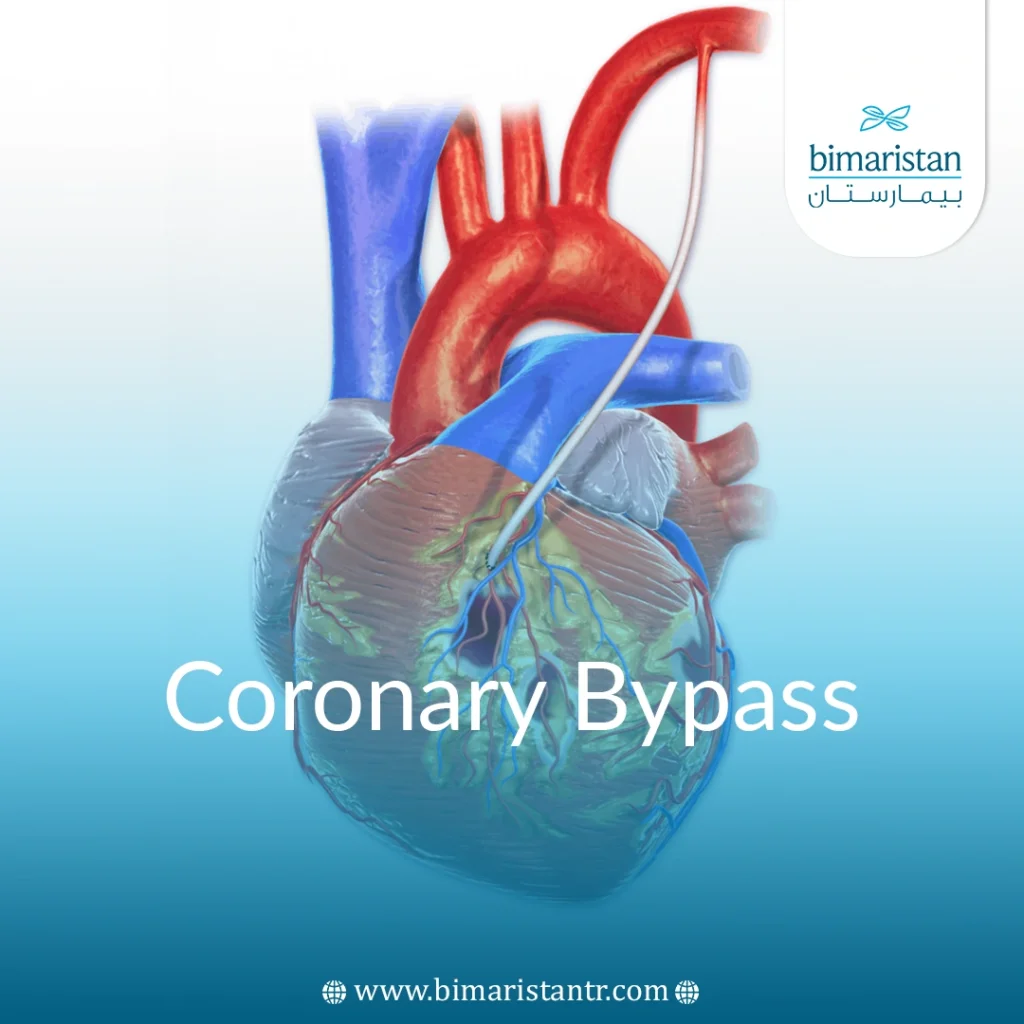

Coronary artery disease (CAD) is one of the most common and serious heart conditions. When blockages lead to myocardial ischemia, angina, or a heart attack, and when medications or catheterization fail, coronary bypass surgery is an effective option for restoring blood flow and improving heart function and quality of life.
Coronary bypass surgery is performed on more than 800,000 patients annually worldwide, according to the International Heart Association, and studies show that more than 90% of patients experience a significant improvement in symptoms within the first few months after surgery, making it one of the most successful cardiac surgeries.
What is coronary bypass surgery?
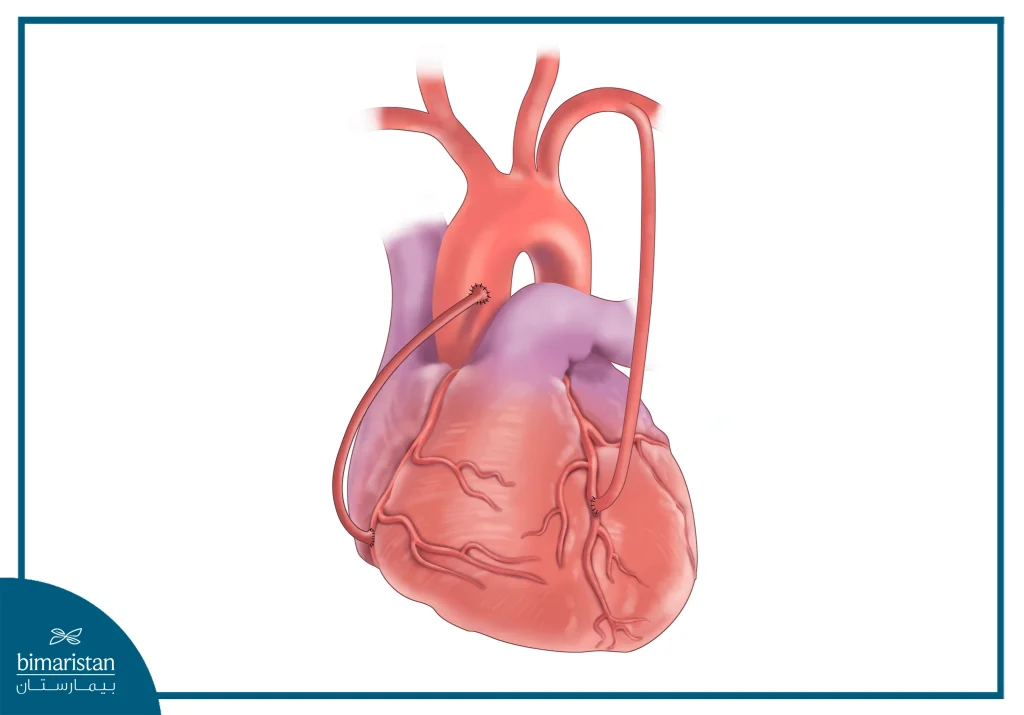
Coronary bypass surgery, also known as open-heart surgery, is a surgical procedure that aims to improve blood flow to the heart muscle. The procedure involves taking a healthy blood vessel from another part of the body, such as the leg, chest, or arm, and using it to create a new pathway that bypasses the blocked or narrowed segment of the coronary artery. In this way, oxygen-rich blood is delivered to the heart normally.
Coronary bypass surgery does not treat the underlying cause of the blockage, such as atherosclerosis, but it relieves uncomfortable symptoms such as chest pain (angina) and shortness of breath, reduces the risk of heart attack, and may also reduce the risk of death from heart disease. The operation may be performed to bypass one or two blocked arteries, while in other cases, three or four bypasses are needed to ensure adequate blood flow to the heart muscle.
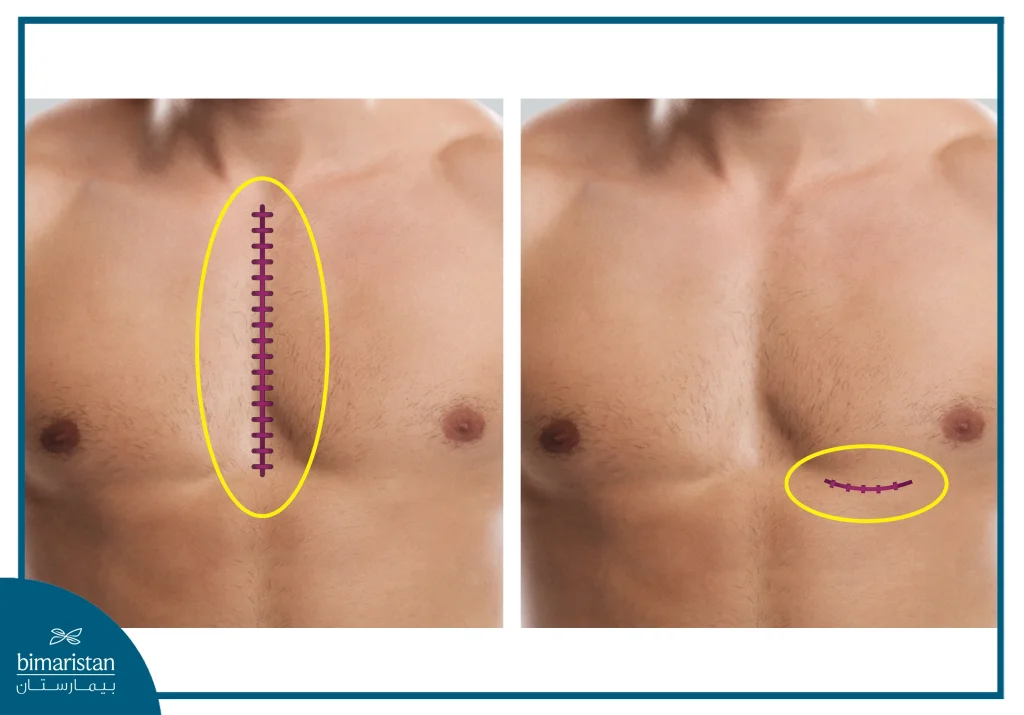
Traditionally, the procedure is performed through an incision in the center of the chest, the most common approach; however, less invasive alternatives are available in some cases. Although the recovery period may take two to three months, surgical results often restore cardiac function and improve
the patient’s quality of life.
When does a patient need coronary bypass surgery?
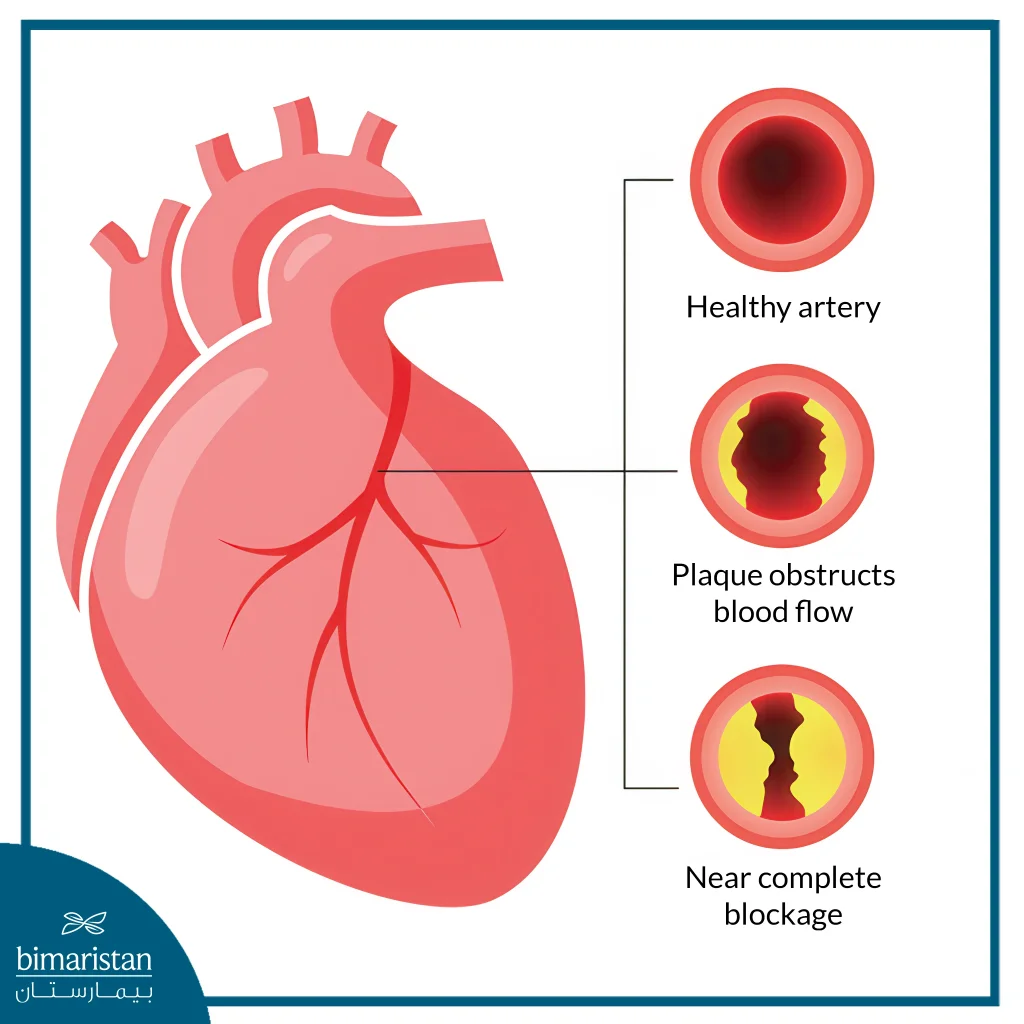
Your doctor may recommend coronary bypass surgery for advanced coronary artery disease, which is the blockage or narrowing of the arteries that supply oxygen-rich blood to the heart due to fatty deposits. At this stage, medications may be insufficient to control symptoms, and catheterization or stenting may not be appropriate or effective, especially when there are multiple blockages or a high risk of a heart attack. In such cases, surgery is the best option to restore blood flow to the heart and improve symptoms. Some of the most common conditions that require surgery include
- A blockage or severe narrowing of the left main coronary artery, which is responsible for supplying blood to much of the heart muscle
- Severe stenosis of several coronary arteries with poor left ventricular function
- Diabetic patients with multiple, complex blockages
- A heart attack that the catheterization was unable to effectively treat
- Recurrence of blockage after stenting
This surgery may be performed as a treatment plan after careful clinical evaluation and testing, or as an emergency to save the patient’s life in the event of unstable angina or a massive heart attack.
Preparing for coronary bypass surgery
Coronary bypass surgery is a major operation, so patients need careful preparation to ensure their safety during the procedure and improve their chances of recovery after surgery. The medical team will explain the preparation steps to the patient and answer all their questions to ensure they are fully prepared. The preparation usually includes a review of health history and a thorough clinical examination, along with a series of tests that help assess the severity of the arterial blockage and the most appropriate treatment plan, the most important of which are:
- Cardiac echocardiography
- Blood and urine tests
- Electrocardiogram
- Voltage Test or Nuclear Voltage Test
- Catheter or CT angiography
In terms of preoperative preparation, the patient is asked to adhere to a number of instructions, such as:
- Normally, stop eating and drinking eight hours before surgery
- Inform the medical team of any allergies to medications or substances such as iodine or latex
- Stop smoking as soon as possible to improve the chances of a successful operation and speed up recovery
- Shower the night before and the day of the procedure with a special antibacterial soap to minimize the risk of infection
- Review your medications with your doctor, as some blood thinners and aspirin may need to be discontinued prior to the procedure, while others may be continued as recommended by your doctor
In addition, the patient is asked to sign a consent form after the procedure details and potential risks are explained. It is also advisable to arrange post-operative matters, such as securing someone to accompany them when they are discharged from the hospital and help them during the recovery period at home, especially in the first weeks, as good preparation is not limited to medical aspects only, but also includes psychological support and understanding what to expect during the recovery period.
How to perform coronary bypass surgery
Coronary bypass surgery is considered major heart surgery and is performed in the hospital under general anesthesia, where the patient is completely asleep throughout the procedure. It usually takes between 3 and 6 hours, depending on the number of arteries that need to be bypassed, and can be performed in several ways, depending on the patient’s condition and the medical center’s equipment, including traditional surgery using a heart-lung machine, off-pump surgery on a beating heart, as well as a minimally invasive approach through small incisions.
Traditional surgery
Traditional surgery is the most common way to perform CABG. The surgeon makes an incision in the center of the chest and opens the sternum to access the heart, then temporarily stops the heart with special medications and connects the patient to an artificial heart-lung machine that pumps blood and oxygen to the body during the procedure.
Next, a healthy blood vessel is removed from the chest, leg, or arm to be used as a bypass. This vessel is sewn to bypass the blocked portion of the coronary artery, allowing blood to flow through a new pathway. The patient may need one or more bypasses (double, triple, or quadruple) depending on the number of arteries affected. Upon completion, the heart is restarted, often spontaneously or with simple electric shocks, the sternum is closed with permanent metal wires, and the incisions are closed with sutures.
Off-pump surgery
In off-pump coronary artery bypass surgery, the procedure is performed while the heart is still beating, without the use of a heart-lung machine. A small area of the heart is stabilized with special instruments so that the surgeon can precisely sew the bypass, while the rest of the heart continues to function. This method is an option for some patients who may face a higher risk with a heart-lung machine, such as the elderly or those with chronic kidney or lung disease. Although the technique is difficult for the surgeon, it minimizes some of the complications associated with the device.
Minimally invasive surgery
This surgery is performed through small incisions between the ribs instead of the entire chest, and uses a laparoscope or surgical robot to access the heart and sew the bypass. Often performed without stopping the heart or using hybrid techniques that combine bypass and stent implantation, it has the advantage of being less painful and faster recovery, but it is not suitable for all cases and is often used in limited cases, such as blockage of a single artery.
Why is traditional surgery the most common option?
Despite the emergence of new techniques such as off-pump surgery or minimally invasive surgery, traditional surgery using an artificial heart-lung machine is still the most common method globally, due to several reasons, most notably that it gives the surgeon a clearer view and greater control during the procedure, allowing him to deal with more than one blockage in one session. Its results are long-lasting and supported by extensive studies demonstrating its effectiveness in improving blood flow and significantly reducing symptoms. For these reasons, it remains the gold standard for treating coronary artery blockages in most medical centers worldwide.
Types of vessels used in CABG surgery
The choice of vessel type for CABG surgery is a key determinant of long-term procedural success, and the decision depends on vessel availability and quality, as well as the patient’s health status. The most common options are:
- Internal mammary artery: It is considered the standard choice because of its excellent results and its long life expectancy, which can exceed 20 years. Studies have shown that this artery has a significantly higher survival rate than veins, making it the preferred conduit for bypassing the anterior descending coronary artery.
- Saphenous vein from the leg: It is widely used because it is easy to obtain, and multiple pieces can be taken to cover multiple blockages. However, studies have shown that it has a higher rate of long-term stenosis than the arteries, and its efficiency may decrease after 10 years compared to the internal mammary or radial artery.
- Radial artery from the arm: Recent research has shown that the radial artery yields better medium- and long-term survival rates than the saphenous vein. It is typically used as a second option when the internal mammary artery is insufficient to perform all required bypasses.
Overall, studies show that arterial vessels are more durable than venous vessels, so arterial use is recommended whenever possible, while the saphenous vein remains a viable option for multiple blockages or when no viable arteries are available.
Advantages of Coronary Bypass Surgery
Coronary bypass surgery is one of the most successful and reliable cardiac procedures, as it has been widely used since the 1960s and its techniques are constantly evolving, and studies have proven that it is an effective option for restoring blood flow to the heart and reducing symptoms associated with clogged arteries. Some of its most notable features:
- Minimize serious complications: Surgery reduces the risk of heart attack or death associated with coronary artery disease.
- A long track record of success: Thanks to decades of experience and surgical sophistication, the procedure has become a reliable way to save lives and improve quality of life.
- The best option for multiple blockages: More effective than catheterization or stenting when more than one artery is blocked or when the coronary artery is blocked in critical locations.
- Long-term results: Compared to catheterization, there is usually less need for re-intervention or repeat procedures after surgery, giving patients better long-term stability.
- Improved quality of life: Disturbing symptoms such as chest pain and shortness of breath often disappear or decrease, and the patient regains the ability to go about their daily activities normally.
Overall, the benefits of surgery extend beyond symptom relief to include protection against future complications and the achievement of long-term clinical outcomes.
Risks and potential complications of coronary bypass surgery
Since coronary artery bypass surgery is a major heart operation, it may be associated with some complications, the severity of which varies from patient to patient depending on their health condition and the circumstances of the operation, and although the vast majority of patients recover without serious issues, it is still important to be aware of these complications before undergoing the surgery. Potential complications include:
- Arrhythmia: It may appear after the procedure, but usually disappears within a few days.
- Bleeding: May occur during or after surgery, and in some rare cases may require additional surgery or a blood transfusion.
- Heart attack or stroke: This is a serious but rare complication that can occur during or shortly after the procedure.
- Infection: Either in the chest wound or at the site of the blood vessel, and can be treated with antibiotics or other means as needed.
- Kidney problems: Kidney function may be temporarily affected, especially in those with preexisting kidney disease, and in a few cases, kidney failure may occur and require dialysis.
- Confusion or memory impairment: Some patients experience transient difficulty concentrating or remembering (postoperative cognitive disorder), which often improves gradually over months.
The likelihood of these complications increases in certain situations, such as an emergency operation, the presence of comorbidities such as severe heart failure, diabetes, chronic lung disease, or blockages in other arteries in the body. Despite these risks, the benefits of surgery usually outweigh the risks, and doctors only recommend it when the chances of improving the patient’s life and reducing the risk of death are much higher than the likelihood of complications.
After Coronary Bypass Surgery
After CABG surgery, the patient goes through two main phases of recovery: the first in the hospital immediately after the procedure, followed by a recovery period at home, followed by a long-term commitment to a healthy lifestyle.
Recovering in the hospital after surgery
After CABG surgery, the patient is usually transferred to the intensive care unit (ICU) for close monitoring for the first two days, where devices are attached to monitor heart rate, blood pressure, and oxygen levels. A breathing tube may be placed in the first few hours and removed once breathing has stabilized. Tubes to drain fluids from the chest and a urinary catheter to monitor kidney function are also placed.
The patient is given medications to relieve pain and prevent clots or an irregular pulse, and is encouraged to start early movement, such as sitting and then walking, with the help of nurses and physical therapists. After stabilization, the patient is transferred to a regular ward for further observation, with a total hospital stay of 5-7 days in most cases.
Recovery at home
It usually takes 6 to 12 weeks for the patient to gradually return to normal activities. During this period, you may experience fatigue, loss of appetite, or minor pain in the chest, shoulders, or at the site of the vessels, which is normal and will go away with time. To ensure proper healing, follow the medical team’s instructions regarding wound care and dressing changes, and continue with prescribed medications such as blood thinners, blood pressure medications, and cholesterol medications. It is also recommended to move gradually, such as daily walking and gradually increasing physical activity, and certain things should be avoided during the recovery period, such as:
- Driving for at least 4 weeks.
- Carrying or lifting heavy weights for 3 months.
Tips for recovering and optimizing heart health
Successful CABG surgery does not mean that the risk of heart disease is completely eliminated, as there is still the possibility of recurrence of blockages if lifestyle changes are not adhered to. Therefore, it is recommended to:
- Eat a healthy diet rich in vegetables, fruits, and whole grains, while minimizing saturated fats, salt, and sugars
- Participate in a cardiac rehabilitation program that combines monitored exercises, nutritional advice and psychological support
- Regular physical activity with your doctor’s approval, averaging 30 minutes most days of the week
- Getting enough quality sleep and managing stress in healthy ways
- Maintain a healthy weight and control blood pressure and cholesterol
- Completely stop smoking and stay away from alcohol
Coronary bypass surgery cost in Turkey
The cost of CABG surgery in Turkey varies with the patient’s condition, the number of arteries to be bypassed, and the surgical technique used, but it typically ranges from $12,000 to $18,000. Despite this disparity, Turkey remains a medical destination that combines high quality with competitive costs relative to European and American countries.
Coronary bypass surgery is an effective treatment to restore blood flow to the heart and reduce the risk of heart attacks and serious complications, and although recovery may take several weeks, most patients gradually return to normal life with medication and a healthy lifestyle. Thanks to the development of modern surgical techniques, this procedure has become a safe and reliable option for many patients around the world.
Sources: