
Heart palpitations at rest causes concern for many individuals, as they can appear suddenly without exertion or an obvious trigger. In such cases, the person may sense a heartbeat that feels unusually rapid or forceful, often accompanied by discomfort. Heart palpitations at rest causes range from harmless, short-term factors to more serious conditions requiring medical evaluation, making early recognition essential for protecting heart health.
What are heart palpitations at rest?
Heart palpitations are defined as the unpleasant sensation of increased awareness of your heartbeat, whether it feels fast, strong, intermittent, or as an irregular fluttering sensation. Some may describe it as the heart beating hard inside the chest, and the sensation may spread to the throat or neck. Palpitations can occur at any time, even during rest or normal daily activities. Although this phenomenon is often mild and transient, it can sometimes indicate a heart rhythm disorder that warrants medical attention.
Heart palpitations at rest causes
Heart palpitations at rest causes can be simple and transient or related to a medical condition that requires medical attention. Here are the most common ones:
Physiological and simple factors
- Stress and anxiety: Emotional outbursts, such as anxiety or panic attacks, are one of the most common causes of resting heart palpitations.
- Stimulants: Excessive caffeine, nicotine, or energy drinks.
- Hormonal changes: Such as pregnancy, menstruation, or menopause.
- Lack of sleep and stress: An imbalance of physical and nervous rest may lead to a rapid resting heartbeat.
- Alcohol and drugs: Such as cocaine and amphetamines that directly excite the nervous system.
Pathological reasons
- Thyroid disorders: Hyperthyroidism is one of the leading causes of heart palpitations at rest, as it raises the metabolic rate and increases the heart rate.
- Anemia: Lack of oxygen causes the heart to work harder even without physical activity.
- Arrhythmias: Atrial fibrillation or supraventricular tachycardia are conditions that can cause sudden palpitations at rest.
- Heart valve issues or heart muscle weakness: Leads to poor blood pumping and noticeable palpitations.
- Medications: Some asthma, thyroid, or decongestant medications can cause resting heart palpitations in some patients.
When are resting heart palpitations dangerous?
In most cases, heart palpitations at rest are transient, lasting only a few seconds, and do not require medical intervention. Still, if the patient has pre-existing heart disease, or if the palpitations become more frequent and severe, it is advisable to see a doctor for tests such as an ECG or a continuous monitoring device.
Seeking immediate medical attention is essential if palpitations are accompanied by warning signs such as:
- Chest pain or pressure
- Severe shortness of breath
- Fainting or loss of consciousness
- Severe dizziness or lightheadedness
It’s important to distinguish between heart palpitations at rest causes that are as simple as stress or caffeine, and conditions associated with heart rhythm disorders or structural heart disease, which can be life-threatening if not properly diagnosed and treated.
Diagnosis and medical tests for heart palpitations at rest
To diagnose heart palpitations at rest causes, a doctor usually begins by taking a detailed medical history that includes the pattern and duration of palpitations, accompanying symptoms, and factors that may increase or decrease palpitations. Your doctor will listen to your heart and lungs with a stethoscope and may check your thyroid gland or look for signs of other diseases associated with palpitations.
Because palpitations may not occur during a visit to the doctor, the patient is sometimes asked to accurately describe the sensation or mimic the rhythm of their pulse with their hands. Afterward, the doctor may perform a series of tests, most notably:
- Electrocardiogram (ECG): A quick test that records the electrical activity of the heart and detects arrhythmias.
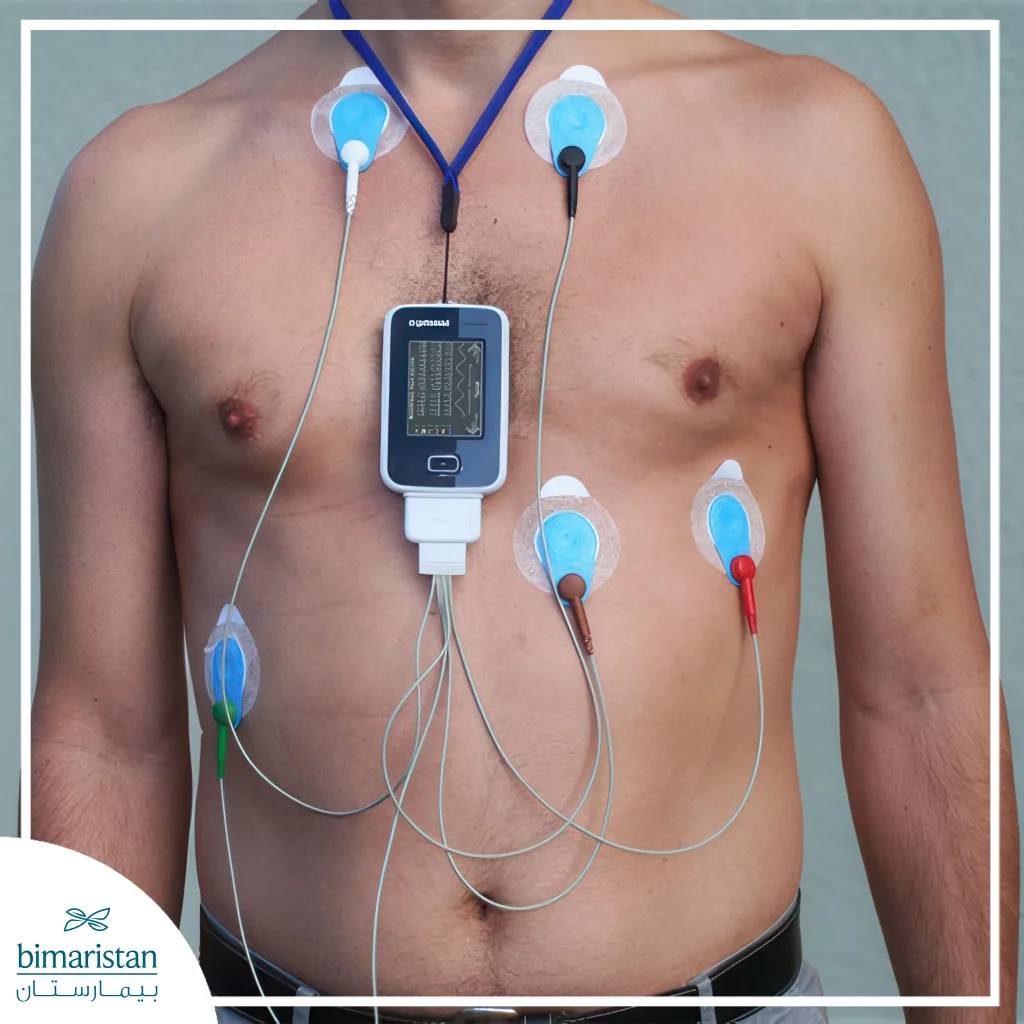
- Holter device: A portable device worn by the patient for a day or more to monitor the heartbeat around the clock.
- Event Recorder: Used for periods of up to 30 days, the patient turns it on when they feel palpitations.
- Echocardiogram: An ultrasound image that shows the movement of the heart muscle, valves, and blood flow within the heart.
- Blood tests: To check for anemia, thyroid disorders, or mineral deficiencies.
- Stress Test: To assess the heart’s response during monitored physical activity.
In some advanced cases, the patient may be referred to an electrophysiologist for more detailed studies or cardiac catheterization if needed.
How to deal with heart palpitations at rest
The treatment plan for resting heart palpitations depends on the nature of the underlying cause. In many cases, the patient does not require any pharmaceutical intervention, but rather a modification of their daily habits. In other instances associated with arrhythmias or chronic heart disease, specialized treatment may be necessary.
Lifestyle changes
- Minimize caffeine consumption and stay away from smoking and alcohol
- Practicing relaxation techniques such as yoga, meditation, or breathing exercises
- Adequate sleep and stress relief
- Avoid heavy or spicy foods that may trigger palpitations
Medical treatment
- Medications: Beta blockers or calcium channel blockers to control the heartbeat, and sometimes antiarrhythmic medications in more severe cases.
- Catheter Ablation: A procedure that identifies and precisely treats the focus of an electrical abnormality in the heart.
- Other procedures: Cardioversion or pacemaker/defibrillator implantation in severe cases.
- Surgery: May be used when there are structural issues with the heart or valves.
In all cases, it is advisable to keep regular check-ups with your doctor to monitor the response to treatment and make sure the palpitations are under control.
In conclusion, heart palpitations at rest causes are diverse; they may stem from temporary factors, such as stress or sleep deprivation, or indicate underlying cardiac or hormonal issues that require thorough assessment. While most palpitations aren’t immediately life-threatening, persistent episodes or those paired with symptoms like chest pain or fainting demand prompt medical attention. Identifying heart palpitations at rest causes early support accurate treatment and reduce the risk of serious complications.
Sources:
- NHS. (2022, June 7). Heart palpitations. NHS England and NHS Improvement.
- Johns Hopkins Medicine. (n.d.). Palpitations.