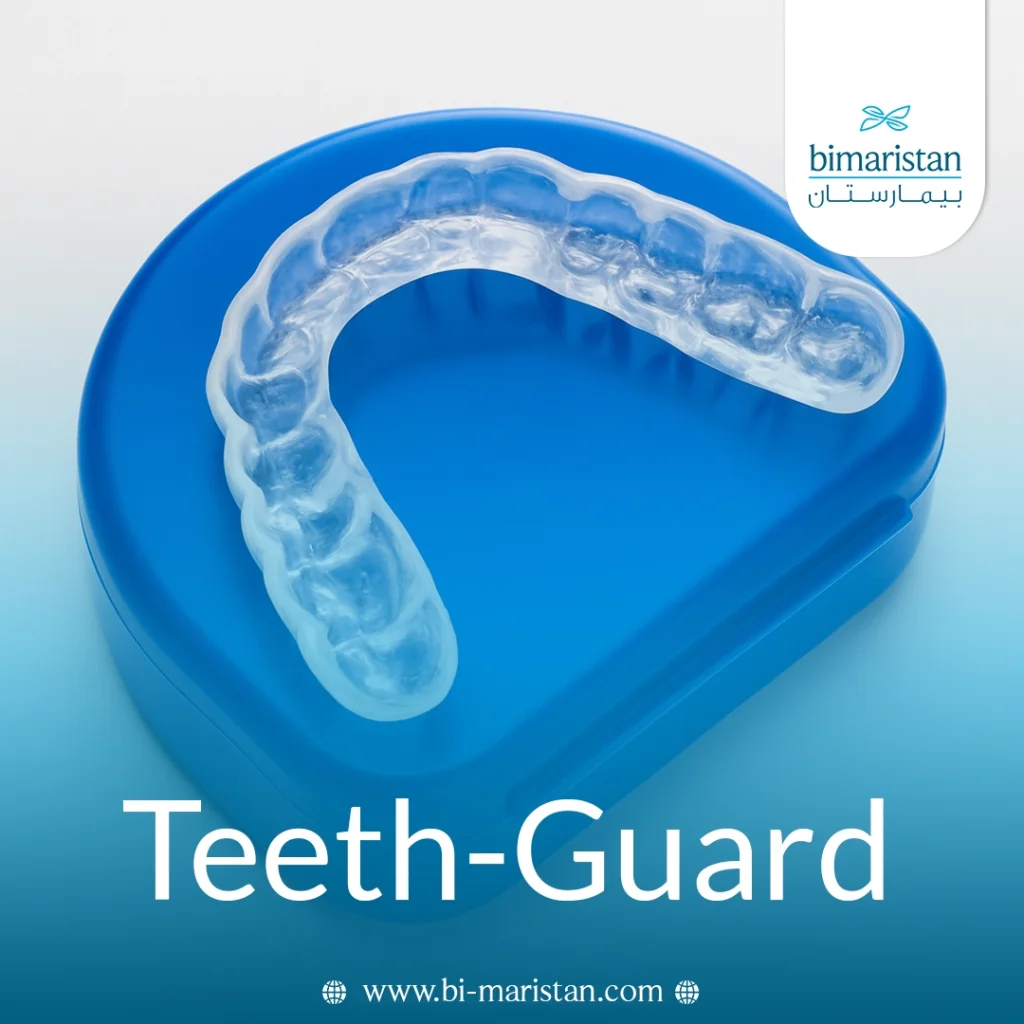
The use of Dental guards is on the rise, with up to 30 percent of adults suffering from bruxism, according to global estimates. Nearly 10 percent are reported to have visible enamel erosion due to nightly grinding. A dental guard minimizes friction damage and protects the temporomandibular joint from excessive pressure. The need for it increases with high levels of stress and the pressures of daily life, which is one of the main causes of the issue.
What is a Dental guard?
Dental guards are tooth-covering devices, recommended by dentists for multiple reasons, that can help treat conditions such as bruxism and sleep apnea. They also protect the mouth from injuries associated with sports activities. A Dental guard can be purchased ready-made in stores or custom-made by a dentist.
What are the uses of a dental guard?
Dentists recommend the use of a dental guard for a variety of reasons:
- Snoring during sleep
- Temporomandibular joint disorders
- Obstructive sleep apnea
- Grinding or clenching your teeth (bruxism)
- Playing contact sports such as soccer, basketball, hockey, American football, or boxing
- Participating in high-risk fall activities, such as gymnastics, biking, or rollerblading
What are the types of dental guards?
There are three main types of dental (mouth) guards, which can be categorized by purpose:
- Dental guards for sports: Protect teeth from sports-related injuries. If you play sports like boxing, wrestling, soccer, basketball, hockey, or American football, a mouthguard significantly reduces the risk of broken or missing teeth.
- Bruxism dental guards: These devices help protect teeth from the effects of grinding and pressure, and may also minimize the effects of TMJ disorders. This type can be worn at any time, day or night, but most people grind or clench their teeth while sleeping, so it is common to wear them at night. Some people refer to these devices as night guards.
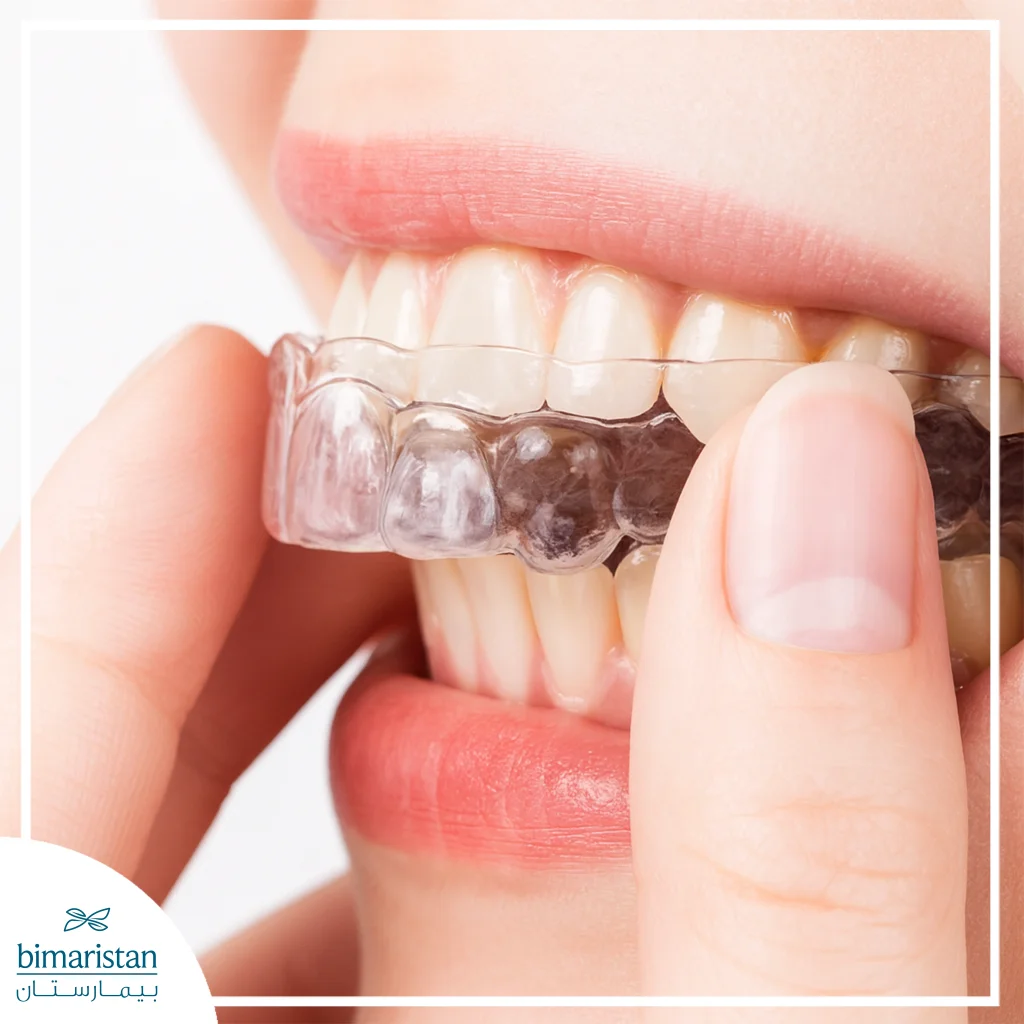
- Snoring and sleep apnea dental guards: People with chronic snoring or obstructive sleep apnea can benefit from a customized dental guard. This type of device moves and repositions the jaw to open the airway during sleep.
In addition, there are two types of dental guards that can be added to the previous ones. The dental guards may be ready-to-buy or custom-made:
- ready to buy: There are two main types of off-the-shelf guards, used straight out of the box or slightly modified at home to fit your teeth, which are cheaper but less effective in protecting against bruxism or sports injuries, and not suitable for treating sleep apnea.
- Custom-made: These are made by a dentist to precisely match the anatomy of the teeth, and because they are designed to fit the teeth, they are more comfortable compared to ready-made ones. They provide effective protection against bruxism and sports trauma, and are also a popular first line of defense for treating sleep apnea. These guards are usually more expensive, but they last longer compared to ready-made ones.
What are the benefits of wearing a dental guard?
Wearing a dental guard during contact sports and athletic activities helps to avoid:
- Broken teeth
- Loss of teeth
- Pulp damage
- Soft tissue injuries to the gums, lips, and inner cheeks
- Wearing a night guard while you sleep can help minimize the risk of damage caused by squeezing or grinding your teeth
Tips for maintaining your dental guard
There are a few guidelines to keep in mind:
- Periodic inspection: Check your mouthguard regularly for any damage, such as cracks, tears, or loose parts.
- Proper storage: When not in use, the mouthguard should always be stored in its case. This protects it from dust, dirt, and damage. Avoid leaving it exposed on surfaces or in your gym bag.
- Keep it dry: After cleaning, the mouthguard should be allowed to air dry completely before storing it. Moisture can cause bacteria to grow, leading to bad odors and possibly health issues.
- Replace when needed: Even with good care, mouthguards have a limited lifespan. Depending on the type and frequency of use, they usually need to be replaced every 6-12 months. Follow the manufacturer’s recommendations for optimal protection.
- Avoid high temperatures: Extreme temperatures can change the shape and quality of the protector. You should avoid exposing it to direct sunlight, hot water, or hot surfaces such as the dashboard of a car. Instead, store it in a cool, dry place.
- Daily cleaning: Like brushing your teeth, your mouthguard should be cleaned daily, after each use. Rinse it with cold water to remove food debris or dirt, then gently clean it with a brush and mild soap. Avoid hot water, as it may change the shape of the guard.
Choosing the right dental guard is an essential step in maintaining dental health and alleviating grinding and pressure on the jaw. Providing a customized fit that is tailored to the patient’s condition helps avoid wear and tear and chronic pain. Those looking for effective solutions should look for safe and reliable options at specialized centers that provide meticulous care. Bimaristan Medical Center is one of the places that provides professional treatment solutions with the latest technology to ensure the best dental prevention results.
Sources: