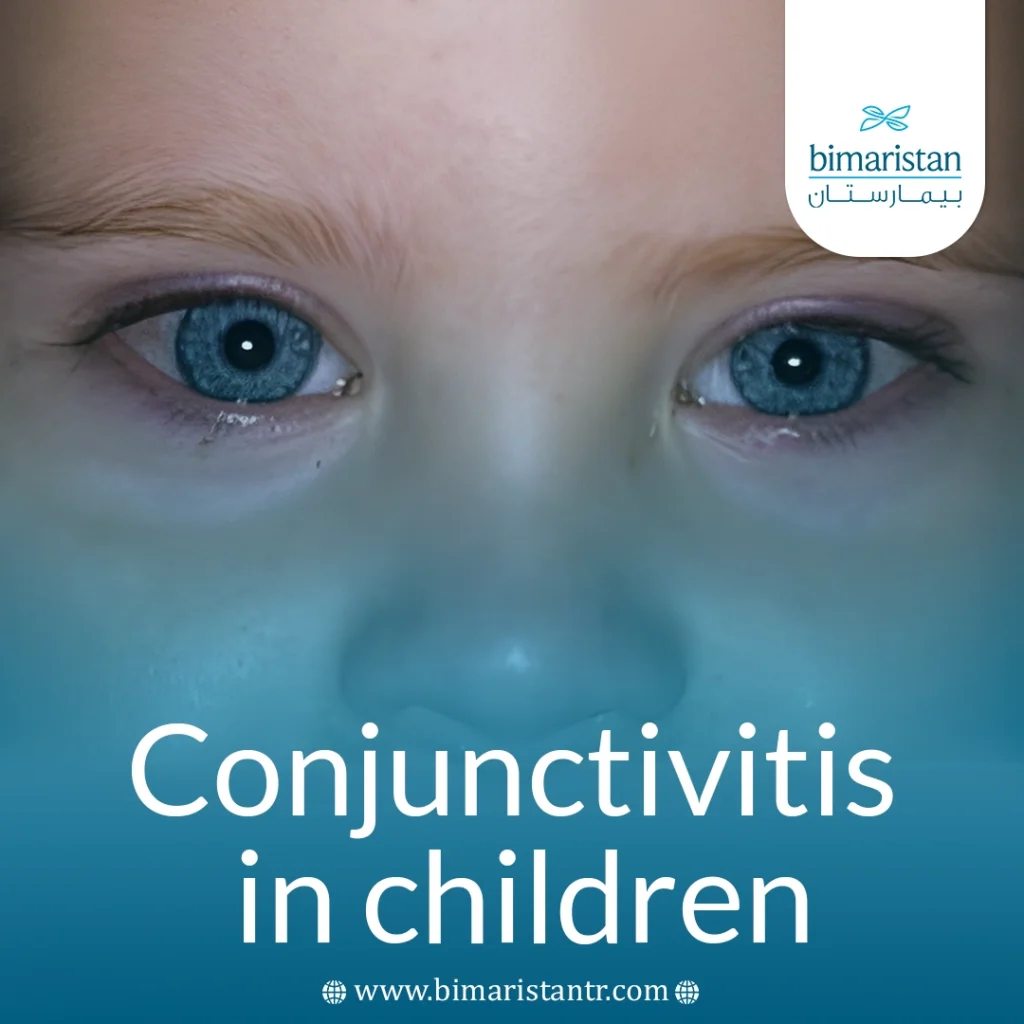
Conjunctivitis in children, also known as pink eye, is among the most common eye diseases in childhood, particularly in those under 5 years old. It is usually caused by viral or bacterial infections, but may also be triggered by seasonal allergies or exposure to dust.
Infectious conjunctivitis is one of the most frequent eye conditions in children, as it spreads easily in schools and nurseries. Early diagnosis and proper care are essential to ensure a quick recovery and to prevent the infection from spreading to others.
What is conjunctivitis in children?
Conjunctivitis: An inflammation of the transparent membrane that covers the white of the eye and the inside of the eyelids, a common condition that causes redness and swelling of the eye. Despite its unpleasant appearance, it is often mild and goes away within a few days with proper treatment. Inflammation can be caused by infection (viral or bacterial) or by allergies to substances such as dust or pollen.
In contagious cases, the infection can be easily transmitted to other family members, whereas the allergic type is more common in children with conditions such as rhinitis or hay fever. While conjunctivitis can be unpleasant, it rarely causes serious vision issues with proper medical care.
Types of conjunctivitis in children
Conjunctivitis in children is categorized into several types depending on the cause, and the most common types include the following:
- Viral conjunctivitis: The most common type in children, it often follows colds or throat and sinus infections. It is caused by the same viruses that cause the common cold and is easily transmitted through eye contact or shared towels. It is characterized by red eyes, increased tearing, and a burning sensation, often affecting both eyes.
- Bacterial conjunctivitis: Caused by multiple types of bacteria, such as Staphylococcus aureus and Haemophilus influenzae, and often causes a sticky yellow or green discharge that makes the eyelids stick in the morning. It may be associated with other ear or sinus infections and is usually treated with topical antibiotics.
- Allergic conjunctivitis: Occurs in children with allergic diseases such as asthma or hay fever. It is caused by environmental triggers such as pollen, animal dander, and house dust. It is characterized by severe itching and profuse tearing with no purulent discharge, and is not contagious.
- Irritant conjunctivitis: Caused by exposure of the eye to irritants such as smoke, air pollution, or chlorine in swimming pools. It causes temporary redness and a stinging sensation that usually goes away after the triggering factor is removed.
The severity of symptoms varies depending on the type of inflammation, but most cases resolve within a few days with proper treatment and eye care.
Symptoms of conjunctivitis in children
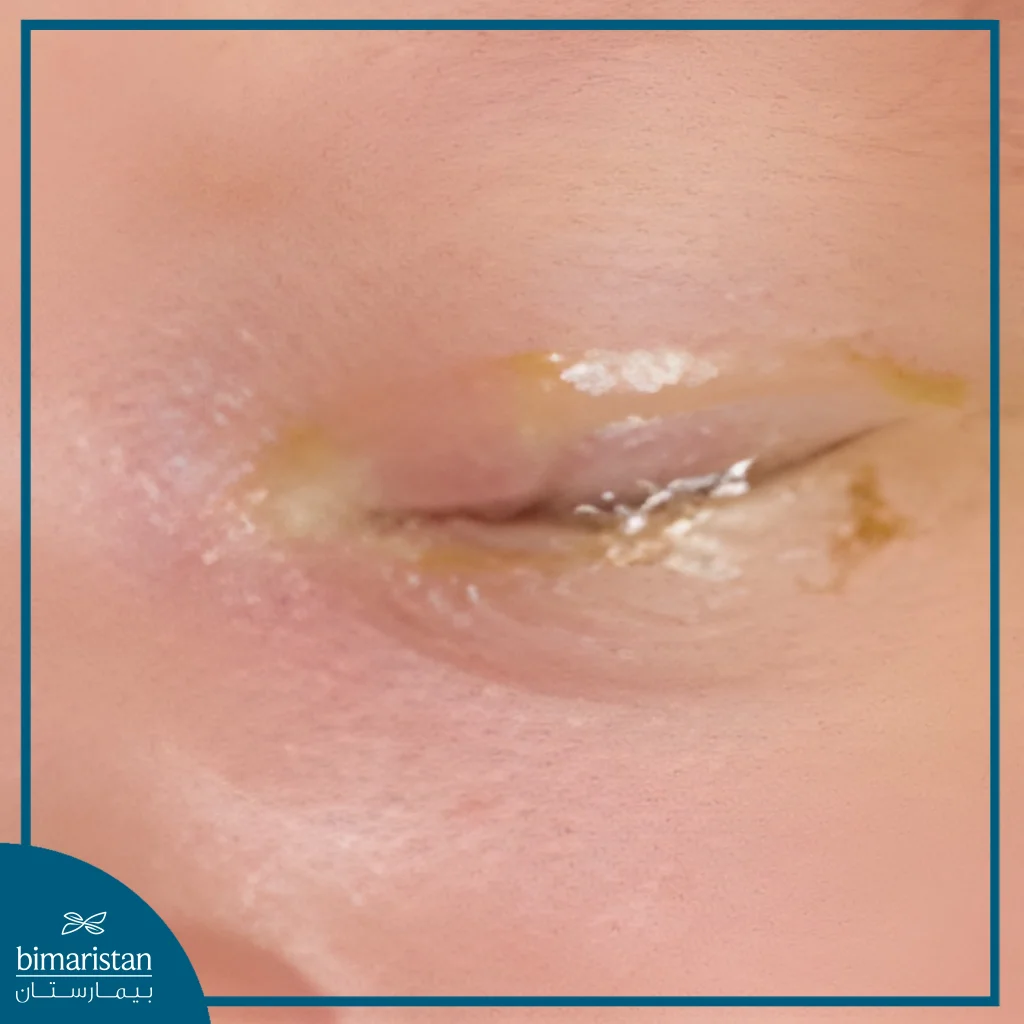
Symptoms of conjunctivitis in children vary depending on the cause, but it often starts with visible redness in the eye and a feeling of discomfort, as if there is sand in the eye. Parents may notice a sticky or watery discharge that accumulates during sleep, leading to eyelid sticking together in the morning. Other common symptoms include:
- Redness or pink discoloration in the white of the eye (may affect one or both eyes)
- Slight swelling of the eyelids makes the eye look puffy
- Sensitivity to bright light and tingling or burning sensations
- Increased tears or greenish-yellow discharge that dries around the eyelids
- Severe itching, especially in allergic cases, where the child is constantly rubbing their eyes
- In some viral cases, the infection may be accompanied by other symptoms such as a runny nose, cough, or earache
Diagnosis of conjunctivitis in children
Conjunctivitis in children is diagnosed by an ophthalmologist or pediatrician during a direct eye examination, as its symptoms can sometimes mimic those of more serious diseases, such as corneal infections or severe allergies. Diagnosis begins by taking a medical history and asking parents about the duration of symptoms and the presence of co-morbidities such as a cold, cough, or allergies. Next, the doctor examines the eye with a slit lamp to check for redness, discharge, and swelling of the conjunctiva or eyelids.
In some cases, especially if the infection is recurrent or does not respond to treatment, the doctor may take a swab of the discharge for laboratory testing to identify the germ causing the infection and choose the most appropriate antibiotic. The doctor can differentiate between viral or allergic infections and bacterial ones based on the appearance of the discharge and the accompanying symptoms. In simple cases, the diagnosis is often clinical and does not require additional tests. Treatment is started immediately to relieve symptoms and prevent the spread of infection among children at home or school.
Conjunctivitis treatment in children
The treatment of conjunctivitis in children varies depending on the cause, as most viral and minor cases heal spontaneously within 1 to 2 weeks without antibiotics. Bacterial or allergic cases, on the other hand, require a simple pharmaceutical intervention determined by the doctor.
- Viral therapy: In viral infections, antibiotics are not used because they do not affect the virus. Home care is usually sufficient, such as cleaning the eye with a clean cotton pad moistened with warm water and using artificial tears (moistening eye drops) to improve irritation. Symptoms typically disappear gradually within 7–10 days.
- Bacterial treatment: If bacteria cause the inflammation, use topical antibiotic drops or ointments prescribed by your doctor, such as erythromycin or tobramycin. These drops help speed healing and reduce the risk of infection. It is advisable to place eye drops in the inner corner of the closed eye, as they will flow into the eye upon opening, especially in children who may not cooperate while applying treatment.
- Allergy Treatment: For allergic conjunctivitis, anti-allergy medications in the form of eye drops or syrup may be prescribed. Your doctor may provide antihistamine or mild corticosteroid drops when necessary. It is also advisable to avoid irritants such as dust, pet dander, and pollen.
- Home care and general support: Several guidelines can be applied, including:
- Gently clean the eye from the inside out with a clean cotton pad moistened with warm water, getting rid of each piece after use to avoid infection
- Avoid rubbing or touching your eyes with dirty hands
- Make sure the child does not use contact lenses until their symptoms have completely resolved
- A simple antipyretic or analgesic (such as paracetamol or ibuprofen) may be given to relieve discomfort when needed
- See a doctor if the redness or discharge lasts more than two weeks or the symptoms worsen over time
Most children make a full recovery in about two weeks when following instructions and good eye hygiene.

Preventing conjunctivitis in children
Conjunctivitis in children is often caused by contagious infections, so prevention primarily focuses on personal hygiene. Children should be taught to wash their hands regularly with warm water and soap, and not to touch or rub their eyes with dirty hands. Do not share towels, pillows, or toiletries with others, and wash pillowcases and cloths regularly with hot water and detergent. It is advisable to clean toys and surfaces that an infected child comes into contact with to prevent the spread of infection within the place.
In cases of allergy, it is best to keep windows closed on pollen days and to clean the house regularly to minimize dust and animal dander. Some types of conjunctivitis in newborns can be prevented by regular screening of mothers during pregnancy to detect and treat sexually transmitted infections early.
When should I see a doctor?
See an ophthalmologist immediately if conjunctivitis in children causes redness that persists for more than a week, or if you notice heavy discharge, severe eyelid swelling, marked sensitivity to light, or significant pain inside the eye. Medical attention should be sought without delay if an infant develops red eyes or purulent discharge, as infections at this age can be serious and require urgent treatment. Even in mild cases, follow‑up care is recommended to ensure the infection is fully resolved and to prevent transmission to family members or classmates.
In conclusion, conjunctivitis in children is a common and bothersome condition, but it is usually non‑serious and responds well to early diagnosis, proper hygiene, and appropriate eye care. Preventive measures such as regular handwashing and avoiding the sharing of personal items are essential to protect your child from reinfection. At Bimaristan Medical Center, we provide access to leading ophthalmologists in Turkey who diagnose and treat pediatric eye diseases using the latest medical technologies.
Sources:
- American Academy of Ophthalmology. (2024). Conjunctivitis in children (pink eye). Retrieved October 31, 2025,
- NHS. (2024). Conjunctivitis in children.
- Centers for Disease Control and Prevention (CDC). (2024). How to prevent pink eye (conjunctivitis).