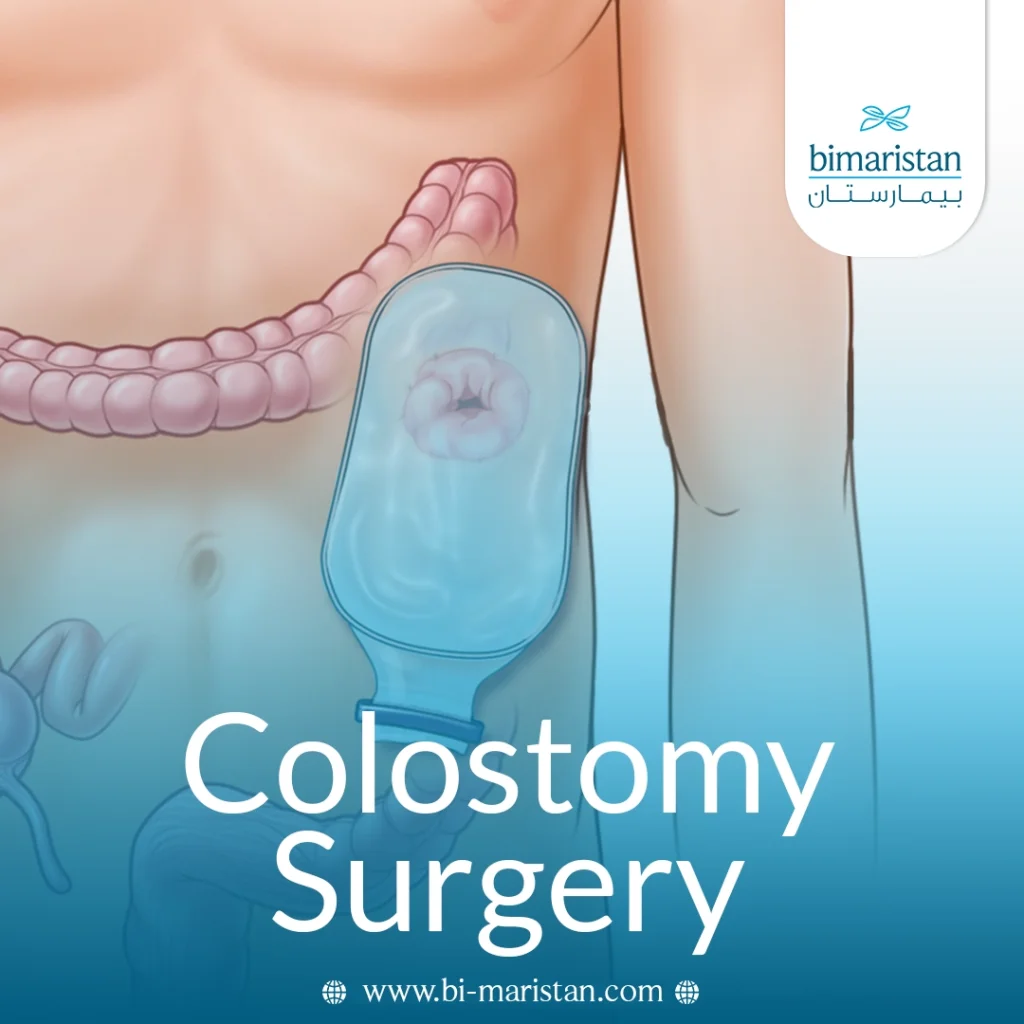

A colostomy is a crucial surgical procedure that can significantly improve a patient’s quality of life, particularly when normal bowel function is impaired. Doctors perform colostomy when the passage of waste through the rectum becomes difficult or impossible, aiming to protect the digestive system and enhance patient comfort.
While it may initially seem complex or concerning, modern medical advances have made colostomy safer and less disruptive to everyday living. In certain cases, alternatives such as ileostomy or intestinal repair surgeries may be considered, depending on the underlying condition.
In Turkey, colostomy is a relatively common intervention within general and gastrointestinal surgery departments. Specialized hospitals employ advanced techniques and place strong emphasis on post‑operative care to ensure rapid recovery and long‑term comfort for patients.
What is a colostomy?
A colostomy is a surgical procedure that changes the way stool leaves the body. During the procedure, the surgeon creates an opening (called a stoma) in the abdominal wall and attaches a section of the colon to it so that stool passes through the opening into an external bag known as a colostomy bag. This procedure is used when stool cannot pass normally through the rectum and is considered a necessary solution in some cases of colon disease or after major bowel surgery. A colostomy may be temporary for a few months to allow the bowel to heal, or permanent in cases where the normal digestive tract cannot be restored.
Each type of colostomy is named after the part of the large intestine (colon) that is used to create the stoma:
- Ascending colostomy: An ascending colostomy is located on the right side of the abdomen and diverts stool from the first part of the colon. The stool in this case is liquid or semi-liquid because the colon has not yet absorbed enough water. This type is rare and is often used temporarily.
- Transverse colostomy: Located in the upper abdomen, the stool passes through almost the middle of the colon. The stool is softer compared to the other types. This type is often used temporarily to allow the colon to rest or recover after surgery.
- Descending colostomy: Located on the left side of the abdomen, it diverts the stool route from the part just above the sigmoid colon. The stool is firmer in this type.
- Sigmoid colostomy: This is the most common type and is located in the lower left abdomen. The surgeon attaches the sigmoid colon to the abdominal wall. The stool is hard and shaped because it passes through most of the colon before exiting the stoma.
Types of colostomy by surgical technique
The methods of performing the procedure vary depending on the condition and the nature of the affected part of the colon:
- Loop colostomy: A loop of the colon is pulled through the abdominal wall, and a single stoma with two openings is created: One for stool and one for mucus. Often temporary, it is used to divert stool away from an area that needs healing.
- Definitive colostomy: In this type, the surgeon cuts one end of the colon through the abdominal wall to form a single stoma, while the other end is closed or removed. It is usually performed after part of the colon has been removed due to cancer or inflammation, and is often permanent.
- Double colostomy: This involves creating two separate stomas: One for feces and one for mucus. It is usually used in emergency situations, such as injuries or bowel perforations, and is often temporary.
| Comparison | Temporary colostomy | Permanent colostomy |
|---|---|---|
| Use | A temporary stoma is usually used to allow part of the intestine to rest and heal | Used when the colon or rectum is severely damaged or has been completely removed. As in cases of advanced cancer or serious injury |
| Duration | After recovery, the stoma can be surgically closed to allow stool to pass normally through the rectum | Stays for life |

What conditions are treated with a colostomy, and why is it performed?
A doctor may recommend a colostomy when the colon or rectum cannot function normally, whether due to illness, injury, or a blockage preventing stool from passing through its usual route. This procedure aims to relieve pressure on the intestines, protect damaged tissue, aid healing, and prevent serious complications. A colostomy can be temporary, to give the intestines a rest until they heal, or permanent in cases where digestive function cannot be restored.
Conditions that may require a temporary colostomy
A temporary colostomy is usually performed to allow the colon to rest or recover after surgery, inflammation, or injury. Common cases include:
- Diverticulitis: When the small pouches within the colon wall become inflamed or rupture.
- Injuries or wounds to the colon: Due to accidents or previous surgeries.
- Blockage of the colon or anus: A narrowing or tumor that blocks the passage of feces.
- Anal fistula: An abnormal connection between the rectum or anus and the skin or another organ.
- Inflammatory bowel disease (IBD): Crohn’s disease or ulcerative colitis that causes damage to the lining of the colon.
- After a partial colectomy: A colostomy is preferable to postpone the reconnection of the bowel until a later operation, after the tissue has healed.

Conditions that may require a permanent colostomy
In some cases, the damage to the colon or rectum is permanent or irreversible, necessitating a lifelong colostomy. Some of the most prominent of these cases include:
- Resection of the rectum or anus: In cases of cancer or severe injuries that prevent reconstruction of the normal route of stool.
- Advanced colon or rectal cancer: When treatment requires partial or complete resection of the colon or rectum.
- Chronic, untreatable fecal incontinence: When medical or surgical treatments fail to control defecation.
Colostomy Procedure Details
A colostomy is a significant surgical procedure that requires careful preparation, both physical and psychological. Prior to the operation, the patient undergoes a comprehensive evaluation with the surgeon and medical team to ensure they are ready and to discuss all post-operative details. The following are the most important steps in the evaluation and preparation process for the procedure:
- Assessment and discussion: The doctor explains the nature of the procedure, the potential risks, and how bowel habits will change after the operation. A post-operative pain management plan and options for psychological support and rehabilitation to help the patient adjust to life after the stoma are also discussed.
- Tests and medical preparation: A blood test will be performed to assess your body’s function, and possibly an electrocardiogram (ECG) to ensure your heart is healthy. You may be asked to stop certain medications or supplements and minimize smoking, caffeine, and alcohol to speed up your recovery.
- Locating the stoma: A member of the care team helps choose the best location for the stoma on the abdomen before the procedure. Body shape, skin folds, old scars, and ease of access while sitting or standing are also taken into consideration. The final location is decided during the surgery immediately following the direct examination of the colon.
- Diet and intestinal preparation: Patients are usually instructed to fast for 6 hours prior to the procedure, with clear liquids allowed up to 2 hours beforehand. The doctor may also suggest bowel preparation or an enema to thoroughly cleanse the intestines, similar to the preparation required for a colonoscopy.
- Prepare for a hospital stay: You can expect to stay in the hospital for three to seven days after surgery, so it is advisable to prepare for this in advance.
During colostomy surgery
The procedure is performed under general anesthesia, ensuring that the patient is completely asleep. It can be conducted in one of two main ways:
- Open colostomy: This method involves making a large incision in the abdomen to manually access the colon. It is typically used in complex or emergency situations and may require a longer recovery period.
- Minimally invasive colostomy: This method employs laparoscopic or robotic surgery, where small incisions are made, allowing for the insertion of fine instruments and a camera to view the inside of the abdomen. This approach is associated with less pain and a faster recovery time; however, it may not be suitable for all patients.
Basic process steps
- The medical team begins by sterilizing the area and monitoring vital signs
- The surgeon creates a small opening (stoma) in the abdominal wall
- Part of the colon is connected to the new stoma, which becomes the new passage for stool
- The stoma is held in place, and an external colostomy bag is attached to it to collect stool
- The wound is closed, and the patient is monitored in the recovery room
After surgery
Following the procedure, the patient is transferred to the recovery ward for monitoring vital signs and ensuring their condition stabilizes. They remain in the hospital for several days until their digestive system gradually begins to recover. During this period:
- Light movement is encouraged to improve circulation and speed recovery
- The diet starts with clear liquids, then soft foods, before returning to the usual regimen
- The patient is trained in stoma care, how to change the colostomy bag, and how to clean the surrounding area
- Painkillers are gradually reduced until they are fully stopped.
Living with a colostomy
Adapting takes some time, but with experience, you can confidently perform most daily activities.
- Bathing and swimming: Patients can shower with or without the bag, but should avoid getting water directly into the stoma. Swimming is also allowed, making sure the bag is closed and dry after exiting.
- Clothing: Wear loose-fitting clothing to avoid pressure on the stoma. Sometimes you may need to adjust a belt or tight clothing below the stoma.
- Intimacy: Possible with some modifications, such as emptying the bag beforehand or covering it. Communication with your partner is important to restore trust and comfort.
- Diet: Eat small, regular meals and chew your food thoroughly. Drink 8-10 glasses of water daily to avoid constipation. You should also avoid gassy foods in the first few weeks.
- Traveling: Traveling after a colostomy is possible, but it takes some planning. Pack extra supplies, such as colostomy bags and cleaning supplies. Make sure to stay hydrated and monitor food intake to avoid gas or loose stools. Also, plan your bathroom locations in advance, especially for long trips or flights.
- Physical activity: Light exercises such as walking and stretching can be practiced. Begin with short distances and gradually increase as you recover.
A colostomy is an important surgical procedure used to protect the intestines or manage medical conditions that prevent the normal passage of stool. Whether temporary or permanent, proper preparation, understanding the type of stoma, and proper post-operative care help with a quick recovery and a confident return to daily activities. Some common conditions that may require a colostomy include colon cancer and ulcerative colitis, along with other conditions such as injuries or bowel obstruction.
With appropriate medical support and adherence to instructions, patients can lead relatively normal lives, participate in sports, travel, and enjoy social and emotional relationships. For expert medical consultation and close post-operative follow-up, you can rely on Bimaristan Medical Center in Istanbul, Turkey, which offers comprehensive services for patients before and after colostomy procedures.
Sources:
- Maria A, Lieske B. Colostomy Care. . In: StatPearls . Treasure Island (FL): StatPearls Publishing
- MedlinePlus. (2024). Hair transplant. U.S. National Library of Medicine
- Engida A, Ayelign T, Mahteme B, Aida T, Abreham B. Types and Indications of Colostomy and Determinants of Outcomes of Patients After Surgery. Ethiop J Health Sci. 2016 Mar;26(2):117-20
- NHS. (2024). Colostomy. National Health Service (UK)