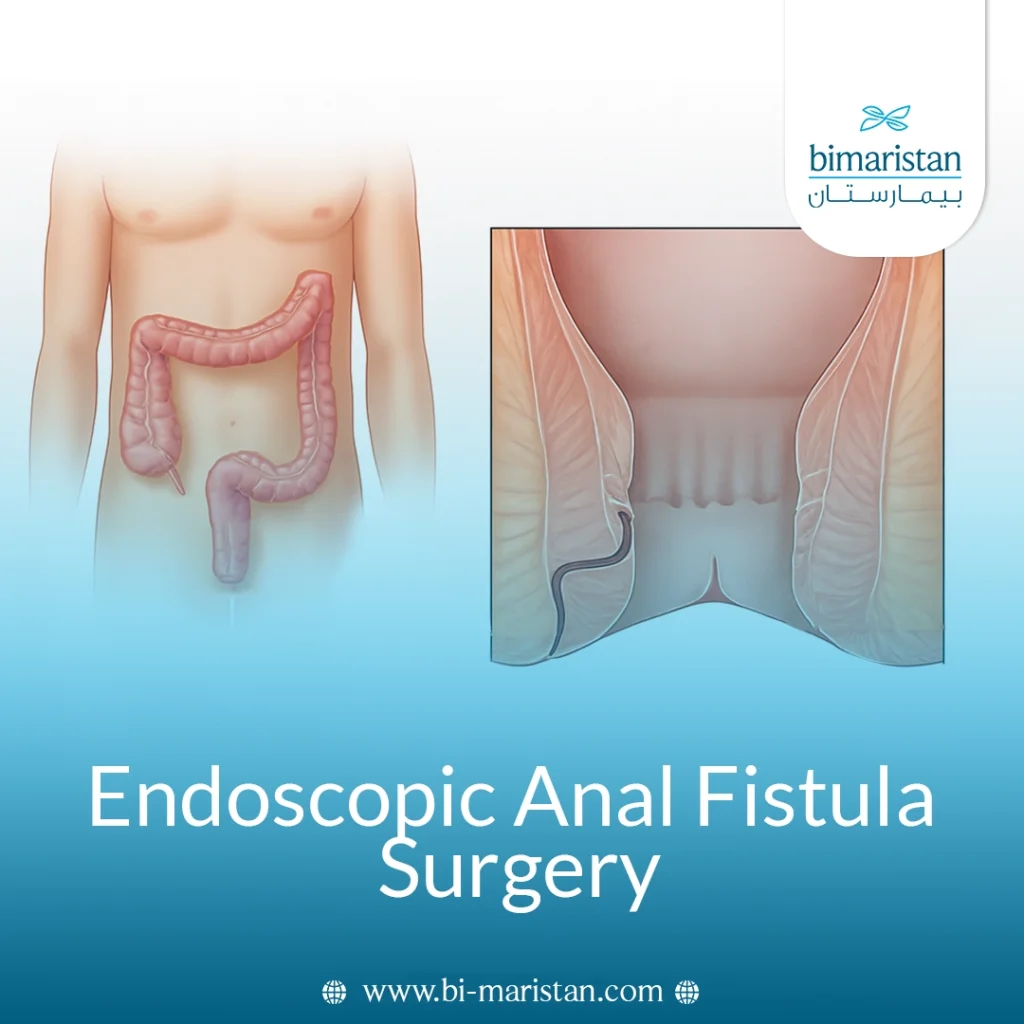

Anal fistula is a common condition affecting the anal and rectal area, usually caused by chronic infections that lead to the formation of an abnormal channel between the anus and the surrounding skin. This condition causes chronic pain, unpleasant discharge, and may affect sitting or daily activities, making treatment necessary to avoid complications.
Thanks to great medical advances, endoscopic anal fistula surgery has become one of the most modern and effective methods of treatment, as this technique provides an accurate view of the fistula from the inside and removes it without the need for a large external wound, which significantly reduces pain and recovery time.
In Turkey, medical and surgical centers have witnessed a remarkable development in this field, as endoscopic anal fistula surgery is performed using the latest surgical devices and techniques by highly experienced, specialized doctors. Turkey is characterized by providing comprehensive medical care at competitive prices compared to European countries, making it a favorite destination for patients from around the world looking for effective and safe treatment of anal fistula with the latest medical methods.
What is an anal fistula?
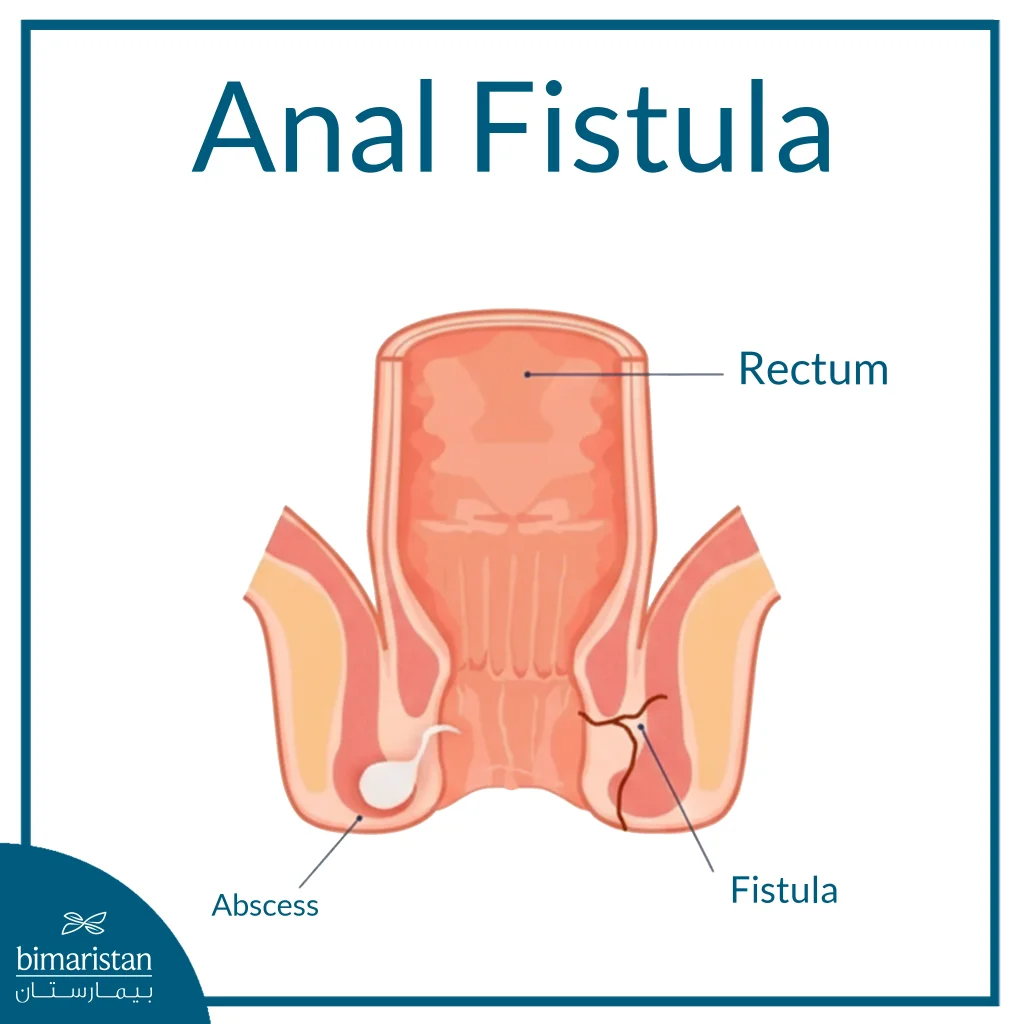
An anal fistula is defined as a narrow channel between an external opening in the skin near the anus and an internal opening in the anal canal. It can appear around the anus or in the buttock area, and usually appears as a red, pus-filled swelling. An anal fistula is usually caused by a chronic infection in the anal area. Anal fistulas are divided into two main types
- Complex anal fistula: It can take many forms; it can be deep, follow a zigzag path between the internal and external opening, or have one internal opening that branches out into several external pathways and openings, making it more difficult and complicated to treat.
- Simple anal fistula: It is relatively shallow and passes slightly through the anal sphincter, making it simple and uncomplicated to treat.
- Bifurcated fistula: Contains more than one channel and is often the result of chronic infections or previous operations.
Common causes of anal fistula
The most common cause of anal fistula is a recurrent anal abscess, where an untreated abscess leaves a continuous channel between the inside and outside, which usually forms over an infected anal gland. Causes of anal fistula include the following:
- Hidradenitis suppurativa: a chronic inflammatory skin disease that causes abscesses in sweat glands, sometimes in the anal area.
- Bacterial infection: This leads to the formation of an abscess that later turns into a fistula.
- Chronic inflammation, Such as Crohn’s disease or ulcerative colitis.
- Previous surgeries or injuries to the anal area
- Radiation therapy for pelvic cancer
- Anal sexually transmitted infections
Symptoms of an anal fistula that require seeing a doctor
Symptoms can vary from person to person, but the most common are:
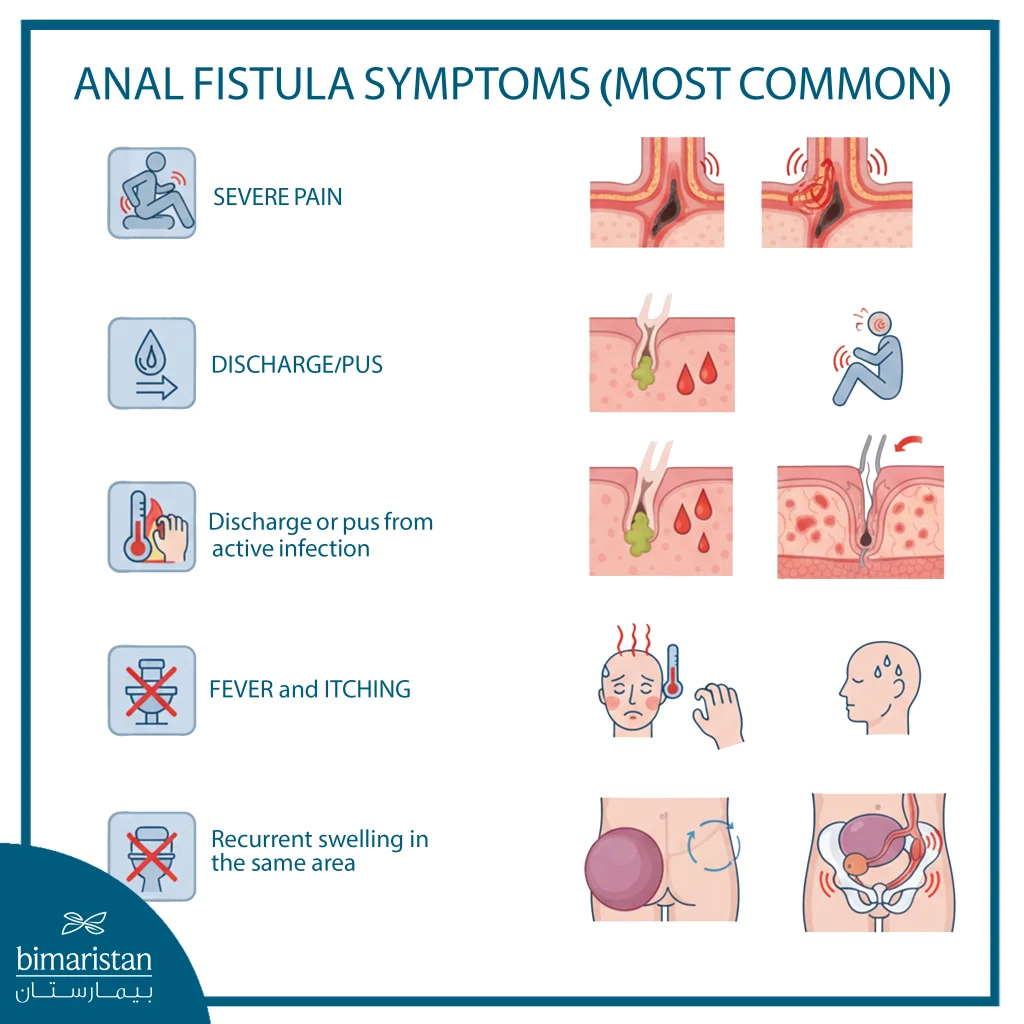
- Recurrent pain around the anus, often severe and throbbing. Increases when you sit or have a bowel movement
- Discharge or pus from a small opening near the anus
- High temperature if there is active inflammation
- Fever and itching or irritation of the skin around the anus
- Recurrent swelling or swelling in the same area
- Difficulty holding stool
- Pain when urinating
When these symptoms appear, it is advisable to see a specialist doctor to accurately diagnose the condition and determine the most appropriate treatment method, which may include endoscopic anal fistula surgery in cases that require precise and less painful intervention.
What is Endoscopic Anal Fistula Surgery?
Endoscopic anal fistula surgery is one of the most advanced methods in the treatment of anal fistula, which relies on the insertion of a small surgical scope equipped with a micro-camera to remove the fistula channel from the inside without the need to open an external wound. This technique aims to clean and close the fistula from the inside with high precision, while preserving the anal sphincter to avoid any complications such as fecal incontinence, making it a safe and effective option compared to traditional surgery.
Difference between traditional and endoscopic surgery
| Comparison | Traditional surgery | Endoscopic anal fistula surgery |
|---|---|---|
| Method of procedure | External opening to completely remove the canal | Using a tiny endoscope through a small opening |
| Pain after surgery | Moderate to severe | Light to medium |
| Recovery time | 3-6 weeks | 1 – 2 weeks |
| External scars | sometimes obvious | Almost nonexistent |
| Sphincter muscles may be affected | In some cases | Very rare |
| Risk of fistula recurrence | average | Very low |
Thanks to these advantages, endoscopic anal fistula surgery has become popular in modern surgical centers in Turkey and the world, as it provides excellent results and a quick recovery for the patient.
How is endoscopic anal fistula surgery performed?
Endoscopic anal fistula surgery is performed under general or regional anesthesia, depending on the patient’s condition and the type of fistula, and the doctor determines the most appropriate option to ensure the patient’s comfort during the procedure.
Endoscopic Anal Fistula Surgery Steps
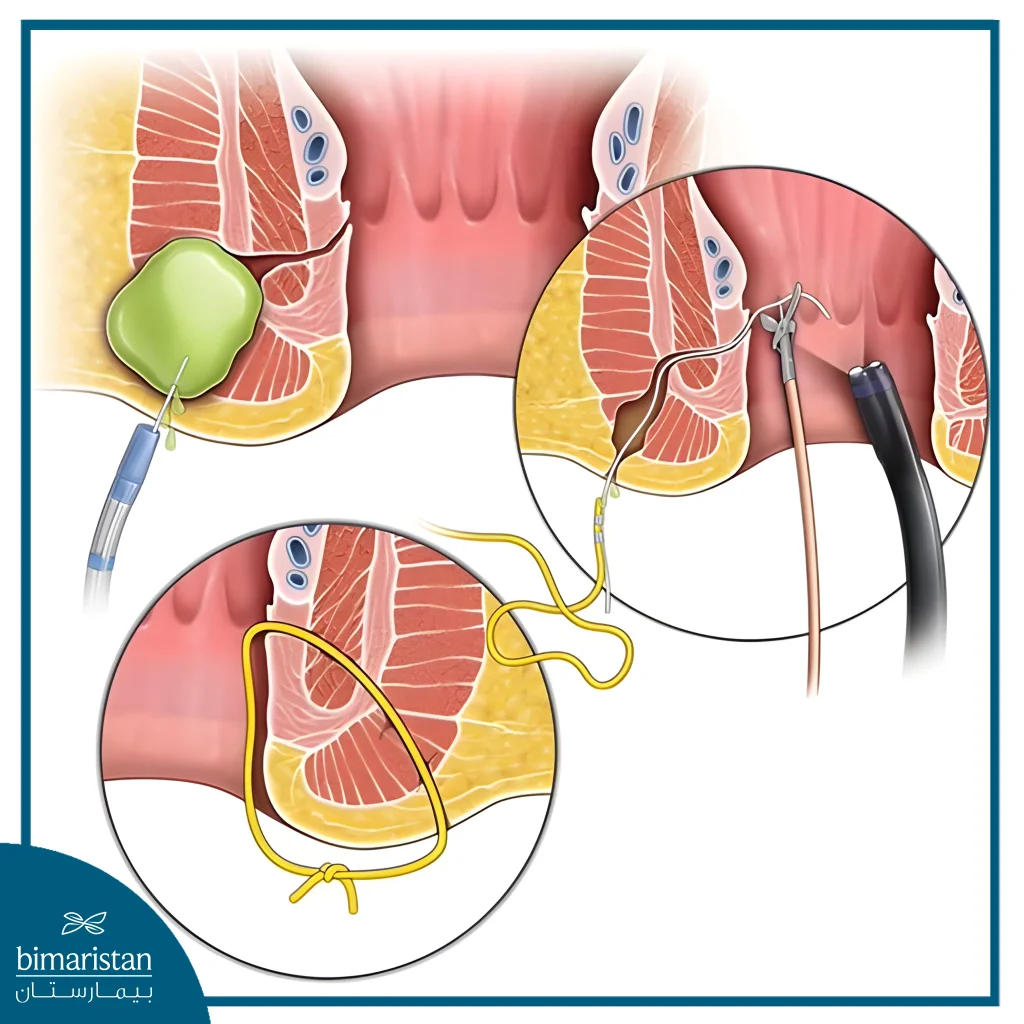
Endoscopic anal fistula surgery involves several delicate stages that ensure the fistula is cleaned and closed safely, while maintaining the integrity of the surrounding muscles. The following explains the steps of endoscopic anal fistula surgery from the beginning until its complete success.
- Fistula routing with endoscopy under direct vision
- Identifying the internal opening of an anal fistula
- Cleaning the inside of the fistula to remove dead cells and secretions
- Closing the internal opening of a fistula within the anal canal with a fine thread or directed heat energy
- Cauterizing the inside of the canal lining to facilitate tissue healing and prevent recurrence of inflammation
- Verify the closure of the pathway by washing it with saline under endoscopic observation
- Post-operative evaluation to make sure there are no secondary pathways or residual infection
Procedure duration and success rate
The procedure usually takes only 30 to 60 minutes, and the patient can often leave the hospital on the same day. The success rate of endoscopic anal fistula surgery ranges from 85% to 95%, depending on the type of fistula and the surgeon’s experience, with a significantly lower recurrence rate compared to traditional surgery.
Advantages of Endoscopic Anal Fistula Surgery
Endoscopic anal fistula surgery has proven to be highly effective in treating anal fistulas while minimizing the complications and pain that often accompany traditional surgery. This technique has a host of benefits that have made it the preferred choice in many modern surgical centers:
- Minimal postoperative pain: Because the endoscope is used through a small incision rather than a large incision, postoperative pain is very mild, reducing the need for painkillers and allowing the patient to rest quickly.
- Faster recovery and an earlier return to normal life: Patients can often return to their daily activities in just one week after endoscopic anal fistula surgery, whereas traditional surgery can take weeks to fully heal.
- Leaves no external scars or scars: The entire procedure is done inside the anal canal, making the aesthetic result even better and leaving no visible scars or marks on the skin.
- Preservation of the anal sphincter: One of the main advantages of this technique is that it preserves the muscles responsible for controlling feces, thus reducing the likelihood of anal incontinence.
- Reduced likelihood of fistula recurrence: Thanks to the precise closure of the internal opening and the complete cleaning of the canal, the likelihood of fistula recurrence is very low compared to traditional methods, especially when performed in specialized centers.
- High accuracy in diagnosis and treatment: The endoscope allows the doctor to see the internal pathway of the fistula with great precision, which helps to remove the entire fistula canal without leaving residue that may lead to a recurrence of the issue in the future.
Who is a good candidate for endoscopic anal fistula surgery?
Not all anal fistulas require the same type of treatment, and the choice of the appropriate method depends on the location and depth of the fistula and the condition of the surrounding muscles. However, endoscopic anal fistula surgery is an ideal option for a wide range of patients who meet the following conditions:
- Patients with simple or medium-depth fistulas: This technique gives the best results in fistulas with a simple or moderate course that does not extend through a large portion of the sphincter.
- Cases that have not responded to medical treatment or conventional drainage: If the inflammation recurs or previous abscesses fail to heal, endoscopic resection is an effective and safe solution without the need for large incisions.
- Patients looking for a quick recovery and less pain: The procedure is suitable for patients who want an effective treatment with minimal pain, with a quick return to work and daily activity in a short period of time.
- People who are concerned about complications of traditional surgery, Such as fecal incontinence or deformity of the anal area after surgery. Endoscopy provides precise treatment that preserves the integrity of the muscles and tissues surrounding the fistula.
- In cases where the doctor determines that the sphincter is still intact, the better the sphincter is, the higher the success rate of endoscopic anal fistula surgery and the fewer complications.
Who may not be suitable for endoscopic anal fistula surgery?
- Patients with unstable chronic diseases, such as active Crohn’s disease or immunocompromised
- People with very complex fistulas or fistulas that bifurcate in more than one direction
- Conditions requiring extensive reconstructive surgery or muscle reconstruction
Recovery period after endoscopic anal fistula surgery
The recovery period after endoscopic anal fistula surgery is much shorter compared to traditional surgery, since the procedure is performed inside the anal canal without the need for large incisions or superficial cuts. Most patients feel much better within a few days and can return to their daily lives very quickly.
Expected recovery time
- Usually, the full recovery period takes only 7 to 14 days, while with traditional surgery it can take 4 to 6 weeks
- Most patients are able to return to work within one week, provided they follow their doctor’s instructions and take good care of the area
- Minor discharge from the fistula opening may continue for the first few days, which is normal and will gradually disappear as the tissue heals
Post-op care
During the recovery period after endoscopic anal fistula surgery, the patient is advised to follow the following guidelines to ensure the best possible outcome:
- Keep the anal area clean by using warm water after each bowel movement and drying it gently
- Taking prescribed antibiotics or painkillers to reduce pain and inflammation
- Avoid prolonged sitting or heavy lifting for the first few days after surgery
- Eat a high-fiber diet to avoid constipation, such as vegetables, fruits, and whole grains
- Drink enough water (at least 2 liters per day) to facilitate bowel movements
- If there is redness, severe pain, or abnormal discharge, see your doctor immediately
The first follow-up is usually scheduled one week after the procedure to assess the healing of the internal wound. In some cases, a second follow-up session is conducted after 3 to 4 weeks to make sure the symptoms have completely disappeared, and there is no remaining channel. The recovery period after endoscopic anal fistula surgery is relatively short and easy compared to traditional methods, with little pain and excellent cosmetic results.
Endoscopic anal fistula surgery is finally an advanced and safe option for many patients suffering from anal fistula, especially for those looking for a medical procedure with less pain and faster results compared to traditional surgery. With advances in medical technology in recent years, this type of treatment has become more widely available, with higher success rates and a lower risk of fistula recurrence.
Despite the effectiveness of the procedure, choosing the right surgeon and an equipped medical center remains an essential step to ensure the best possible outcome. Patients are advised not to postpone treatment to avoid potential complications such as infections or the development of more complicated fistulas. For those looking for reliable care and a safe treatment experience in Turkey, contact Bimaristan Medical Center, which helps patients access the best doctors specializing in colorectal surgery and offers thoughtful consultations to ensure the most appropriate treatment plan is chosen for each case.
Sources:
- Garg P, Singh P. Video-Assisted Anal Fistula Treatment (VAAFT) in Cryptoglandular fistula-in-ano: A systematic review and proportional meta-analysis. Int J Surg. 2017 Oct;46:85-91
- Siddique S, Changazi SH, Bhatti S, Afzal B, Hyidar Z, Rehman A, Ahmad QA, Ayyaz M. Outcomes in High Perianal Fistula Repair Using Video-Assisted Anal Fistula Treatment Compared With Seton Use: A Randomized Controlled Trial. Cureus. 2022 Feb 13;14(2):e22166
- Mohammed Korany, M. A., Ismail Amer, S. M. M. M., Imam, U. S., Shawky, K. A., Abdul-Hassib, A. R., & Abdelhalim Ali, A. M. (2025). Evaluation of effectiveness and safety of video assisted anal fistula treatment. Journal of Neonatal Surgery, 14(32S), 3332-3341