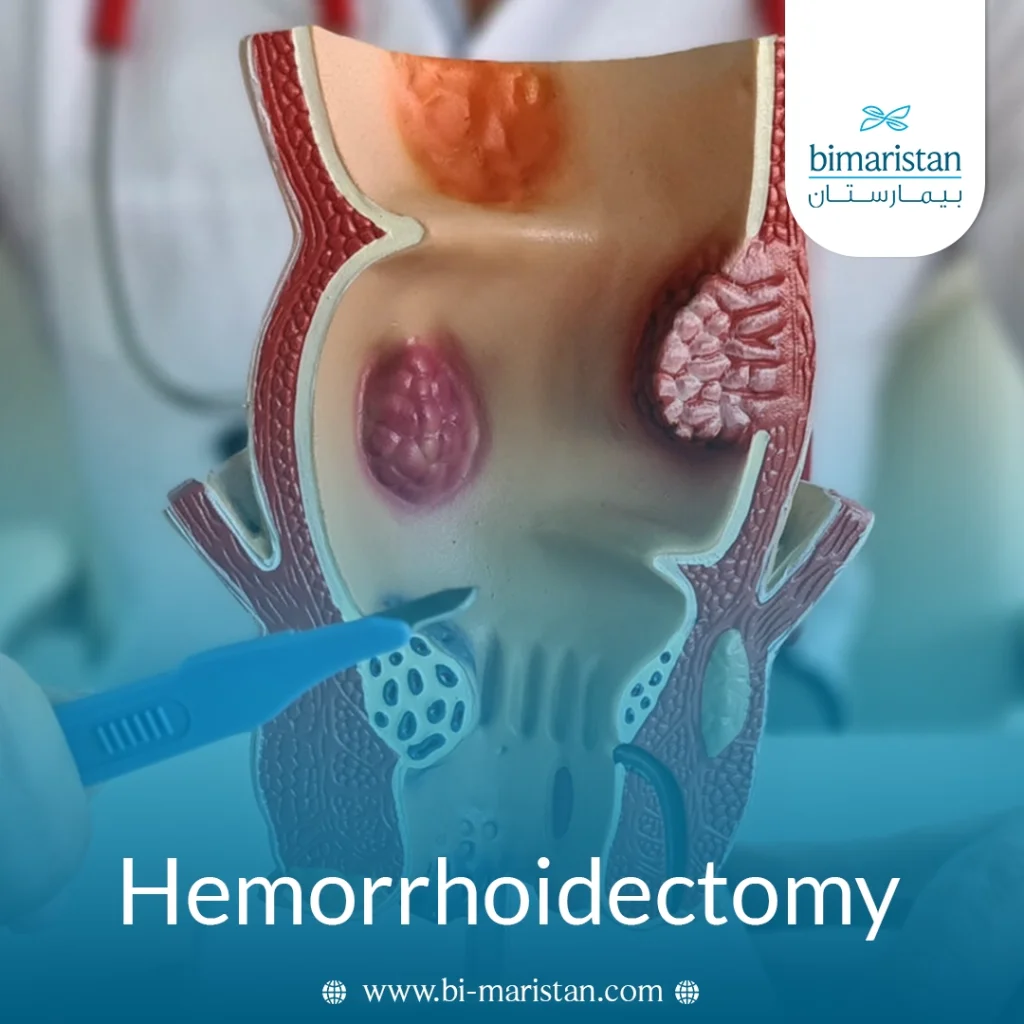

Hemorrhoids are a common health issue for many people, with symptoms ranging from mild discomfort to severe pain and constant bleeding. Although many cases can be managed through lifestyle changes or pharmaceutical treatments, some advanced cases require surgical intervention to ensure complete and effective symptom relief.
Hemorrhoidectomy is an important medical procedure for people for whom conventional methods have not worked, as it aims to remove enlarged tissue, reduce discomfort, and improve quality of life. In this article, we will detail what hemorrhoidectomy is, the types of procedures available, the steps of preparation and the procedure itself, as well as tips for recovery and post-operative care.
What are anal hemorrhoids?
Anal hemorrhoids are swollen and enlarged veins in the rectal and anal area, somewhat similar to varicose veins that can occur in the legs. The condition occurs when these veins are subjected to excessive pressure, causing them to swell, become irritated, and sometimes bleed.
Types of hemorrhoids
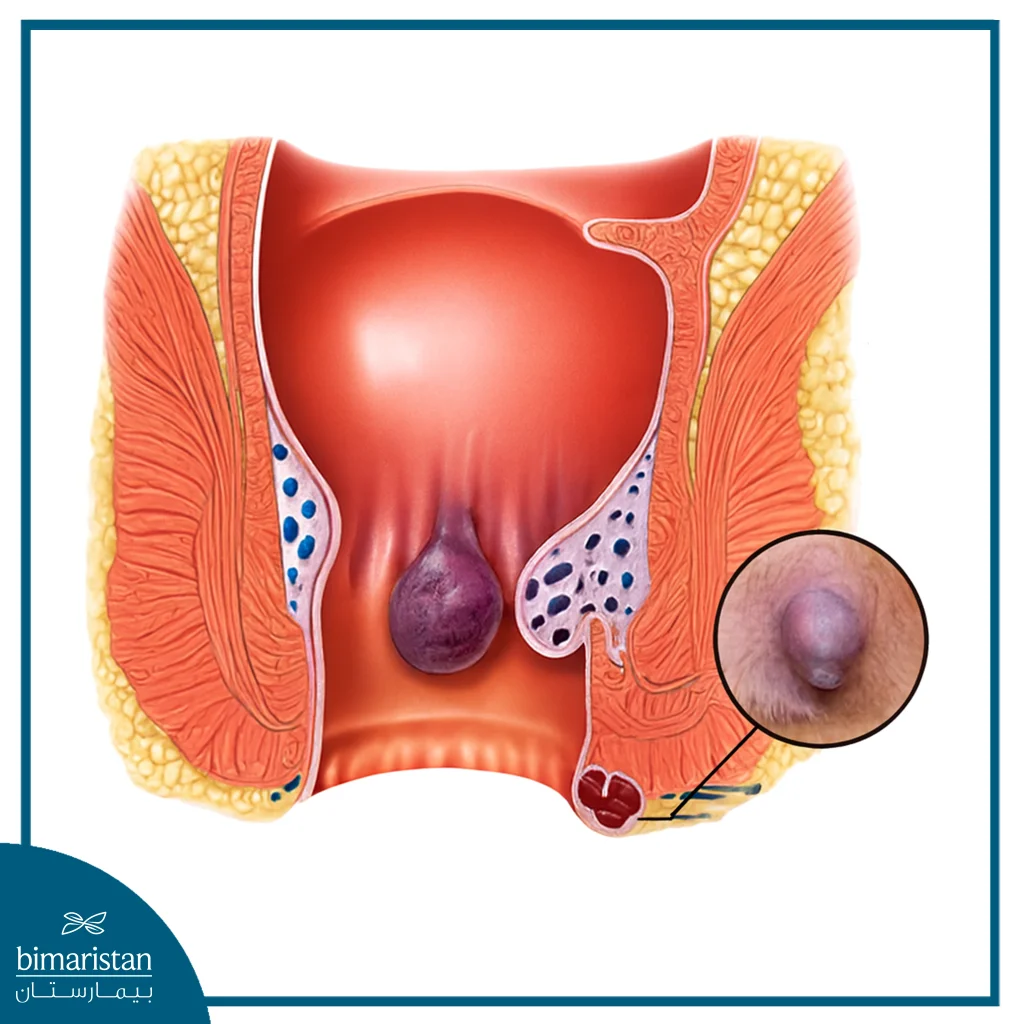
Hemorrhoids can occur inside or outside the rectum. The type depends on where the enlarged vein forms. Types include:
- Internal: Swollen veins form inside the rectum. Internal hemorrhoids may bleed, but they’re usually not painful.
- External: Swollen veins form under the skin around the anus. External hemorrhoids can be itchy, painful, and sometimes bleeding. You can usually see or feel external hemorrhoids.
- Clogged: Internal hemorrhoids can become blocked or protrude out of the anus. These hemorrhoids may bleed or cause pain.
- Thrombosis: A blood clot forms in the external hemorrhoid. These types are usually painful and cause a purple or blue mass to form outside the anus. (This clot only affects the anus and does not travel to other parts of the body.)
Causes of hemorrhoids
Hemorrhoids occur when there is excessive pressure on the veins around the anus. This can be caused by:
- Stress during bowel movements
- Chronic constipation or diarrhea
- Low-fiber diet
- Repeatedly lifting heavy objects
- Sitting on the toilet for long periods of time
- Weakening of the supporting tissues in the anus and rectum, which may occur with age or during pregnancy
What is a hemorrhoidectomy?
Hemorrhoidectomy is a surgical procedure aimed at removing enlarged or advanced hemorrhoids that do not respond to other treatments such as suppositories, ointments, or lifestyle changes. This procedure is performed to relieve pain, bleeding, and itching and to improve the quality of life in patients with chronic or severe hemorrhoids. Hemorrhoidectomy is usually recommended in the following cases:
- Large or prolapsed hemorrhoids that won’t go back to normal
- Hemorrhoids that don’t respond to nonsurgical treatments
- Hemorrhoids that cause frequent or heavy bleeding
Types of Hemorrhoidectomies
There are several methods of hemorrhoidectomy, depending on the size of the hemorrhoid, its location, and the patient’s condition:
- Surgical removal: This is the removal of hemorrhoids with a surgical scalpel. It is most effective in removing large and advanced hemorrhoids.
- Laser hemorrhoidectomy: A laser beam is used to remove enlarged tissue and minimize bleeding. We are less painful and have a quicker recovery than the traditional method.
- Hemorrhoid ligation: A modern technique that involves ligating the arteries feeding hemorrhoids to reduce the blood flow to the hemorrhoids, causing them to shrink. Less painful and suitable for moderate cases, but may not always be effective for very large hemorrhoids.
- Hemorrhoid freezing or radiofrequency: Heat or frequencies are used to reduce the size of hemorrhoids. Less invasive, but may require several sessions to achieve results.
Preparing for hemorrhoidectomy
Before undergoing a hemorrhoidectomy, the patient needs some preparation to ensure the success of the procedure and minimize risks:
- Consultation with a doctor: Discuss symptoms and general health status. Perform laboratory tests and necessary examinations such as blood counts, heart and lung pressures, if necessary.
- Dietary changes: Eat high-fiber foods and drink enough water to facilitate bowel movements before and after the procedure.
- Quit smoking: Smoking slows healing and increases the risk of complications.
- Medications: Your doctor may ask you to stop certain medications, such as aspirin or anticoagulants, before the procedure to minimize bleeding.
- Practical preparations: Sometimes bowel cleansing is done with suppositories or enemas.
- Wear loose clothing to facilitate comfort after the procedure.
Hemorrhoidectomy Steps
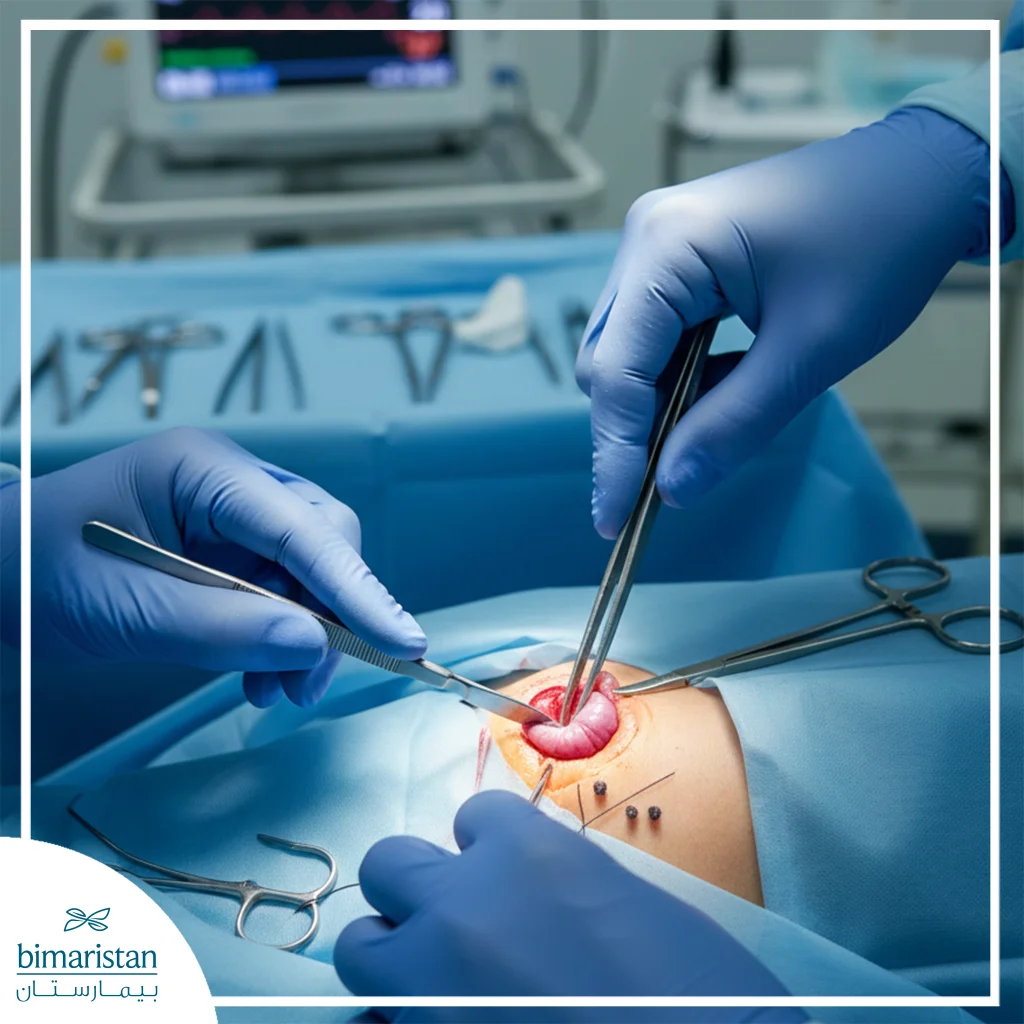
Hemorrhoidectomy usually begins with preparing the patient in the operating room, where they are stabilized and given the appropriate type of anesthesia, which may be local, regional, or general, depending on their health status and the type of procedure required. After that, the medical team cleans and sterilizes the anal area to ensure that the procedure is performed in a safe and contamination-free environment.
Once the procedure begins, the surgeon gently dilates the anus to facilitate access to the enlarged hemorrhoid. He then begins to remove the bulging hemorrhoidal tissue using the appropriate method, whether through traditional surgery, lasers, or modern tools such as surgical staplers or thermal frequencies. Each hemorrhoid is treated with precision to remove the enlarged tissue without affecting the surrounding healthy tissue.
After hemorrhoid removal, the surgeon decides whether it is better to stitch the wound or leave it open to heal naturally, depending on the size of the treated area and the type of technique used. At the conclusion of the procedure, bandages or protective medical materials are applied to help minimize friction and absorb the minor bleeding expected in the first few hours.
After the procedure is completed, the patient is taken to a recovery room where they are monitored to ensure they are stabilized and any possible initial pain or bleeding is dealt with. In most cases, the patient can leave the hospital on the same day with clear instructions on wound care, diet, and medications needed during the recovery period.
Recovery after hemorrhoidectomy
After a hemorrhoidectomy, the body needs a period of recovery and careful monitoring:
- Pain and wound care: It is normal to experience pain or discomfort during the first few days. Prescription pain relievers can be used.
- Diet: Continue to eat high-fiber foods and drink enough water to avoid constipation. Your doctor may recommend fiber supplements or mild laxatives.
- Personal hygiene: Gently wash the area after each bowel movement to avoid infection. Use fragrance-free wipes to minimize irritation.
- Physical activity: Avoid heavy lifting or vigorous exercise during the first few weeks. Light walking helps to improve circulation and speed up healing.
- Possible complications: Minor bleeding is normal, but heavy bleeding or severe pain requires immediate medical attention. Some patients may experience difficulty with bowel movements or minor infections that can be treated with medication.
- Recovery time: Full recovery often takes 2 to 6 weeks, depending on the size of the procedure and the type of hemorrhoid.
Possible risks and complications after hemorrhoidectomy
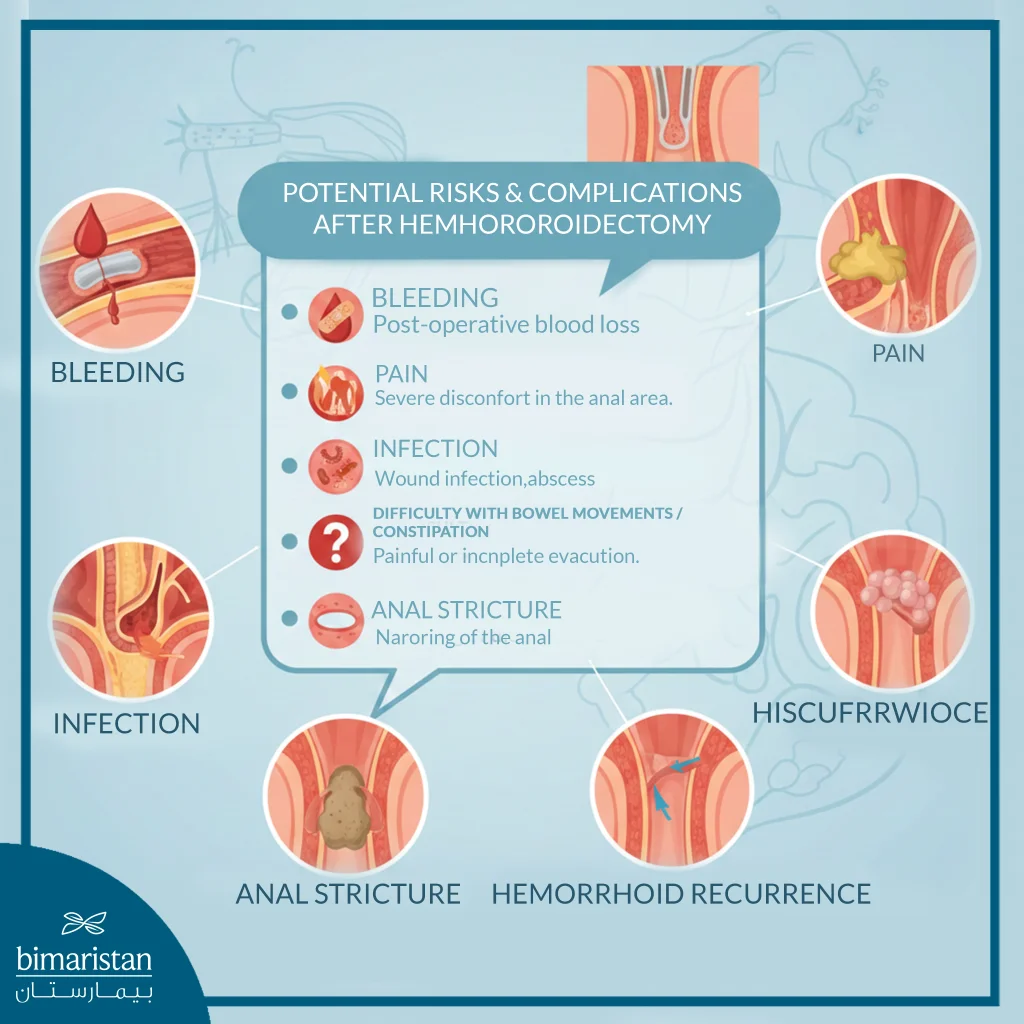
Although hemorrhoidectomy is considered relatively safe, there are some risks that may occur:
- Bleeding: Minor bleeding is common during the first few days after the procedure. Heavy or persistent bleeding requires immediate medical attention.
- Pain: Pain is normal after the procedure, especially when having a bowel movement. It usually subsides gradually within 1-2 weeks after the procedure.
- Infection: Infection at the wound site can occur if hygiene instructions are not followed.
- Difficulty with bowel movements or constipation: Constipation after the procedure may increase pain and delay healing. Eating fiber and drinking water can help relieve it.
- Stenosis of the anus: Rarely, stenosis may occur as a result of scarring at the incision site. It may need medical treatment if it makes it difficult to have a bowel movement.
- Hemorrhoid recurrence: In some cases, hemorrhoids can return after surgery if preventive measures such as diet and lifestyle modifications are not taken.
Precautions after hemorrhoidectomy
To minimize risks and speed up recovery, the following actions are recommended:
- Personal hygiene: Gently wash the area after each bowel movement using warm water. Avoid using scented soaps or harsh dry wipes.
- A healthy diet: Eat high-fiber foods, fruits, and vegetables, and drink 8-10 glasses of water daily. Use mild laxatives if advised by your doctor to avoid constipation.
- Rest and physical activity: Avoid heavy lifting or vigorous exercise during the first few weeks. Light walking helps to improve circulation and speed up healing.
- Avoid straining during bowel movements: Don’t try to force stool to reduce pressure on the anus and wound.
- Follow the doctor: See your doctor at scheduled appointments to monitor your recovery and make sure there are no complications.
Hemorrhoidectomy is an effective option for cases that do not respond to conventional treatment or cause persistent symptoms that affect quality of life. Although the procedure may require a certain recovery period and careful following of medical guidelines, it can help provide long-term relief from pain, bleeding, and discomfort. It is important to consult a specialist before deciding on surgery to ensure that this procedure is the most appropriate for your health condition, as well as adhering to preventive advice after the procedure to avoid hemorrhoid recurrence in the future.
If you are looking for a reliable medical consultation or follow-up by a specialized team, Bimaristan offers integrated services that include diagnosis, treatment, and follow-up under the supervision of highly experienced doctors in the field to ensure the best possible results and a comfortable and safe treatment journey.
Sources:
- National Institute of Diabetes and Digestive and Kidney Diseases. (2016, October). Hemorrhoids. U.S. Department of Health and Human Services
- National Library of Medicine. (2023, November 13). Hemorrhoids | Piles. MedlinePlus
- Fontem RF, Eyvazzadeh D. Internal Hemorrhoid. . In: StatPearls
- Victorian Department of Health. (2023, January 31). Haemorrhoids. Better Health Channel