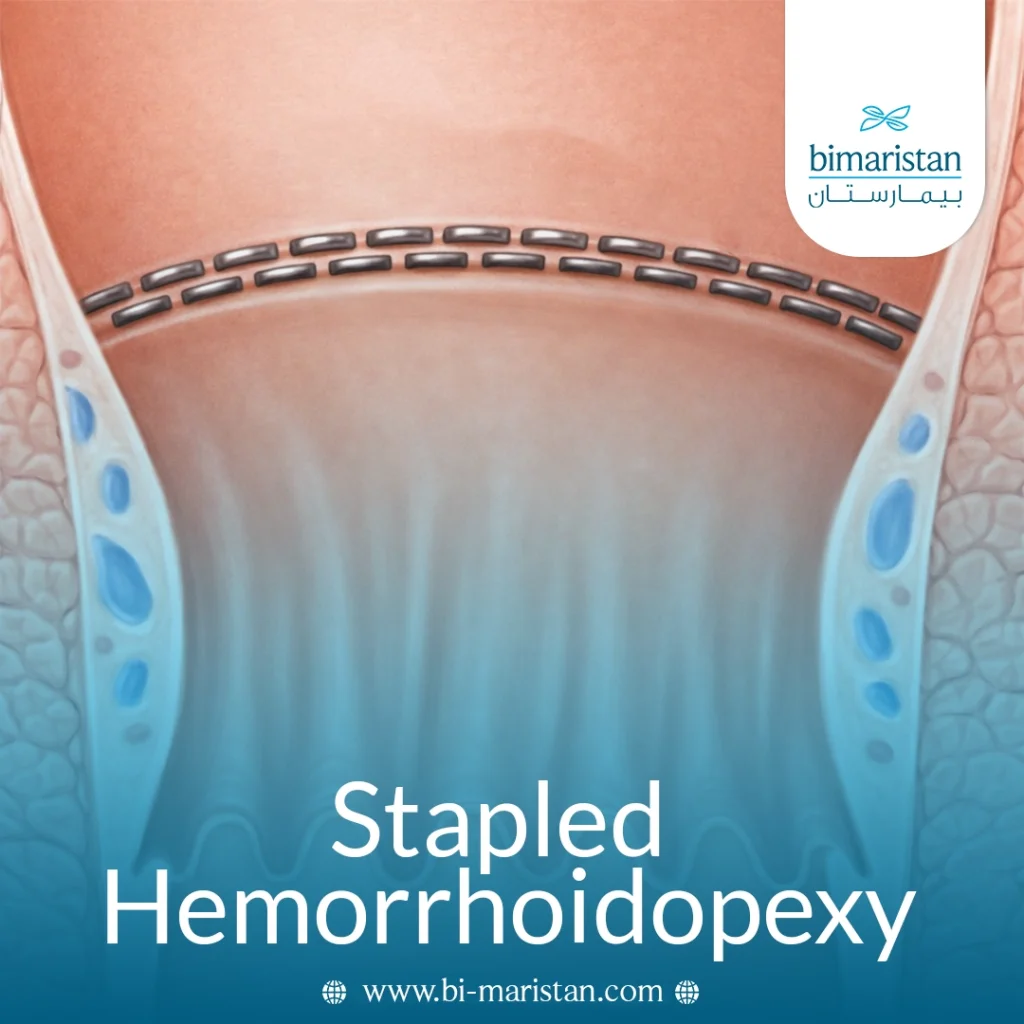

Hemorrhoids are a common condition that can significantly affect quality of life, especially in advanced stages that cause pain, bleeding, and persistent itching. With advances in modern medicine, stapled hemorrhoidopexy has made treatment safer, more effective, and less painful than conventional surgery. Today, Turkey stands out as one of the leading medical destinations for hemorrhoid surgery, offering advanced hospitals, skilled doctors, and modern techniques that deliver excellent outcomes with shorter recovery times. This makes it an ideal option for Arab patients seeking fast, safe treatment with convenient travel.
In this article, we will cover everything you need to know about stapled hemorrhoidopexy in Turkey, including how the procedure is performed, who is a suitable candidate, its main advantages, how it differs from conventional surgery, treatment costs, and the best hospitals. The aim is to provide you with a clear overview that helps you make an informed, confident decision, without concerns or surprises.
What are hemorrhoids?
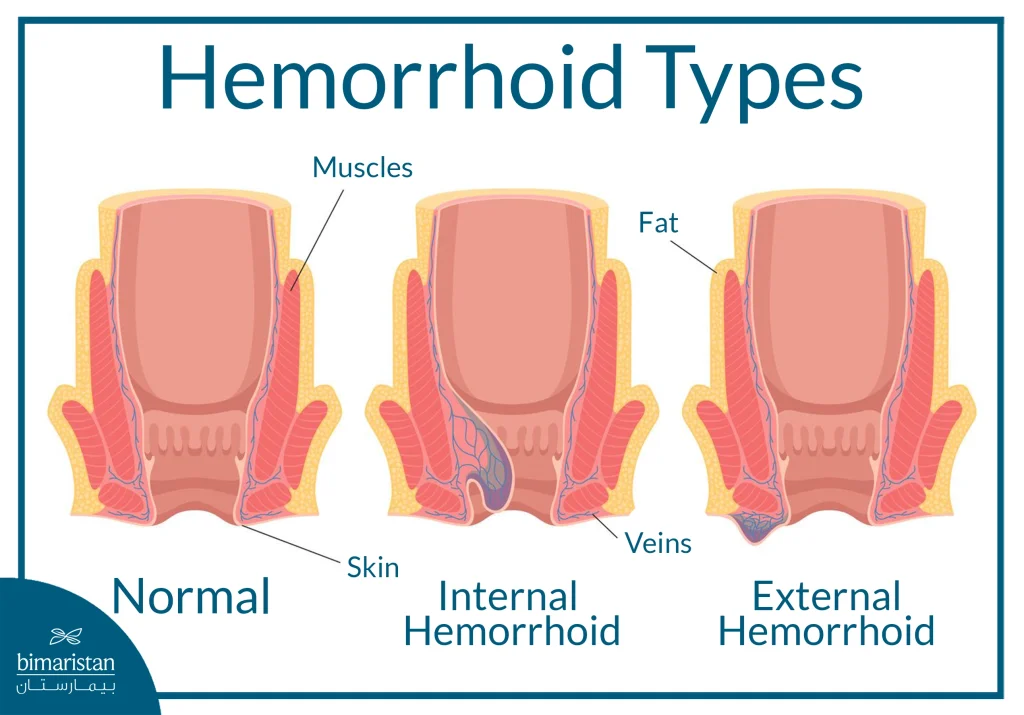
Hemorrhoids are a widespread condition caused by stretched veins in the anus and lower rectum, resembling varicose veins. When they occur inside the rectum, they are called internal hemorrhoids, while those forming under the skin around the anus are known as external hemorrhoids. The incidence in the general population is estimated at 30–35%, meaning one in three people may experience them at some point in their lives. Unfortunately, the disease often progresses due to patient embarrassment and delayed medical consultation, and in some cases, it can even be mistaken for cancer.
Constipation is the leading cause of hemorrhoids. They are classified into internal and external hemorrhoids. Internal hemorrhoids often go unnoticed by patients, whereas external hemorrhoids present with more intense symptoms. These include persistent discomfort and bleeding, which can cause significant concern.
Types of hemorrhoids
There are four types of hemorrhoids:
- External hemorrhoids: Located right at the anus on the surface where stool is passed, they are not always visible but are sometimes seen as lumps on the surface of the anus. External hemorrhoids are not usually a serious medical issue.
- Internal hemorrhoids: Usually found in the rectum, they cannot always be seen because they are too deep to be visible from the anus. Internal hemorrhoids are not usually dangerous and typically resolve on their own.
- Prolapsed hemorrhoids: When internal hemorrhoids swell and extend outside the anus, appearing as red, swollen lumps or bumps.
- Thrombosed hemorrhoids: A thrombosed hemorrhoid contains a blood clot within the hemorrhoidal tissue and may appear as a lump or swelling around the anus. Blood clots can occur in both internal and external hemorrhoids.
Stapled hemorrhoidopexy
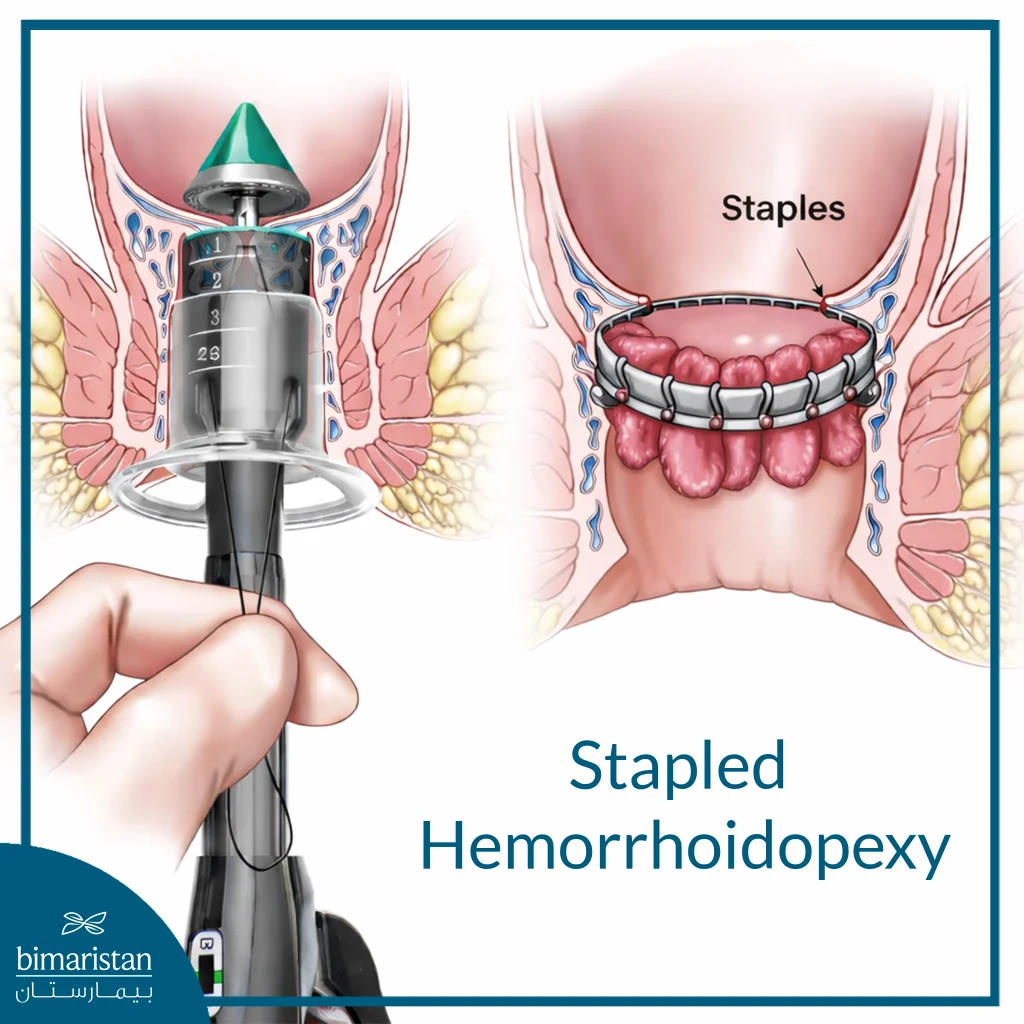
Stapled hemorrhoidopexy is a surgical procedure in which a stapler is used to remove hemorrhoidal tissue. Doctors recommend this procedure for patients with abnormal prolapse or enlargement, or for patients who have shown little improvement with nonsurgical treatment. The hemorrhoidal tissue is lifted into a ring of tissue with sutures, and a stapler is then used to remove the hemorrhoid, thereby cutting off blood flow to the tissue.
Patients who undergo stapled hemorrhoidopexy generally experience less pain compared to conventional hemorrhoid surgery. They may also have reduced bleeding, swelling, and itching around the anus and inside the rectum. Additionally, the procedure may lower the risk of fecal incontinence after surgery. Stapling is used to treat third- and fourth-degree prolapsed hemorrhoids. The surgeon places the hemorrhoid back into the rectum and cuts off its blood supply, causing tissue shrinkage and reabsorption. This procedure is often performed as a one-day hospital procedure and requires general or local anesthesia.
Who are the ideal candidates for stapled hemorrhoidopexy?
Stapled hemorrhoidopexy is an option for patients with advanced internal hemorrhoids, especially in the following cases:
- Patients with third or fourth-degree internal hemorrhoids
- Hemorrhoidal prolapse outside the anus, with difficulty manually repositioning it
- Recurring symptoms such as bleeding, pain, itching, or the sensation of an internal lump
- Not responding to conservative treatments such as medications or rubber banding
- Patients who prefer a treatment that causes less pain and a shorter recovery period
Who is not a suitable candidate for stapled hemorrhoidopexy?
- Patients with external hemorrhoids only
- Untreated anal fissure or anal fistula
- Severe infections or certain diseases of the rectum
Eligibility for stapled hemorrhoidopexy is determined after a thorough clinical examination by a general surgeon or a colorectal surgeon.
Before stapled hemorrhoidopexy
Before undergoing stapled hemorrhoidopexy, the doctor performs an endoscopic examination of the rectum and may ask the patient to undergo tests such as blood clotting, blood sugar levels, and others. The doctor may administer antibiotics before the stapling procedure. The doctor may also provide instructions on eating and drinking before and after surgery, or an enema may be performed to clear the rectum of waste. The patient is then anesthetized and prepared for the procedure.
What are the steps of stapled hemorrhoidopexy?
- The patient is in a face-down position with the knees bent
- A special tool is placed to keep the anus open
- The surgeon will then tighten the skin around the rectum or anal canal and will also staple the rectal wall at the base of the hemorrhoids
- This will stop the blood flow to your hemorrhoids, helping to reduce swelling
- Excess tissue will be removed and sent to a lab for testing
- A small sponge can be placed in the anal canal to help stop the bleeding
The postoperative period may feel very uncomfortable and painful. You can ask your doctor for support to get through this phase until the surgery is fully healed.
Recovery period after stapled hemorrhoidopexy
The recovery period after stapled hemorrhoidopexy is relatively short compared to conventional surgery, and this is one of the most important reasons why patients prefer this procedure. Recovery can be divided into stages as follows:
- The first 24 hours after the procedure: The patient often feels some mild discomfort and moderate pain, which can be managed with simple painkillers. Rest and avoid prolonged sitting.
- First week: The pain gradually subsides. Light daily activities can be resumed. It is also recommended to drink plenty of fluids and eat fiber-rich foods to facilitate bowel movements.
- After two weeks: Most patients return to work and normal activities. There are no external wounds, so healing of the area is relatively quick.
- After a month: Complete healing of the rectum is typically achieved. Internal hemorrhoids usually regress completely, and symptoms are significantly reduced.
Avoid lifting heavy weights during the first two weeks, and follow the doctor’s instructions to minimize complications and improve outcomes.
Advantages of stapled hemorrhoidopexy
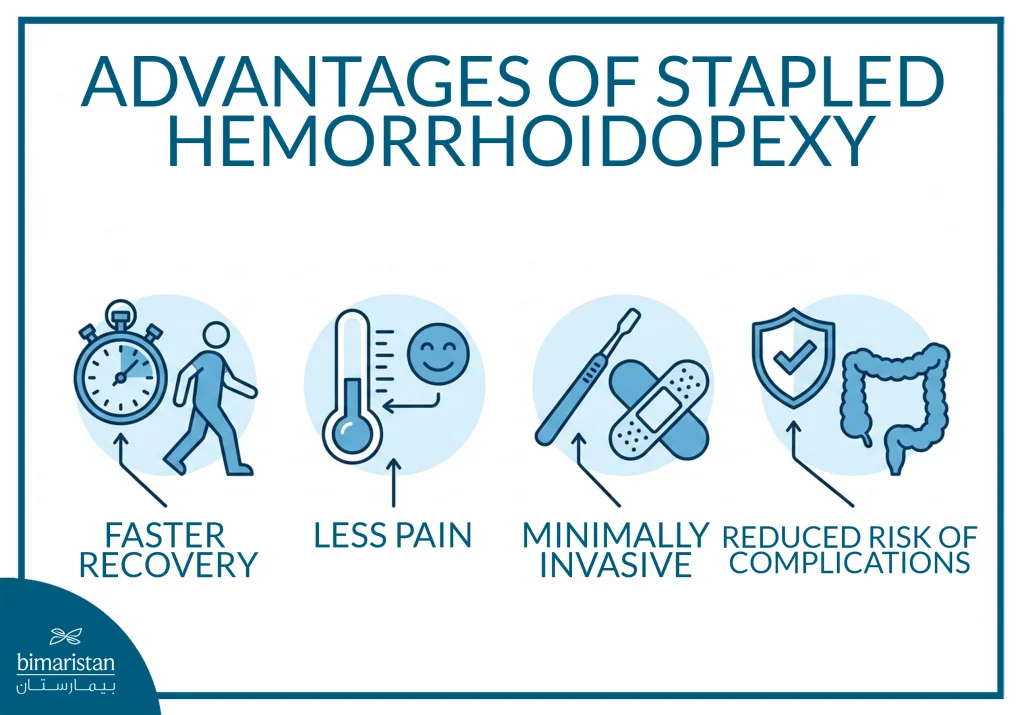
The advantages of stapled hemorrhoidopexy over conventional surgical methods are significant. Here are some of the main benefits:
- Less pain: Patients usually experience less pain during the postoperative period compared to conventional hemorrhoidectomy.
- Faster recovery: The recovery period is generally shorter, allowing patients to return to normal activities sooner.
- Minimal invasion: Stapled hemorrhoidopexy is a less invasive procedure that causes less trauma to surrounding tissue.
- Reduced risk of complications: Minimal incisions reduce the risk of bleeding and infection.
Stapled hemorrhoidopexy complications
Although stapled hemorrhoidopexy is considered safe and modern, there are a few complications that may occur, and it is important to explain them to patients:
- Mild to moderate pain after the procedure: It typically resolves within a few days and can be managed with simple painkillers.
- Minor bleeding: Minor bleeding may occur during the first few days and typically resolves without further medical intervention.
- Frequent need for defecation or anal discomfort: a temporary feeling of needing to defecate or pressure in the area.
- Temporary bowel obstruction: Rare, and usually easily treated by following your doctor’s instructions.
- Hemorrhoidal recurrence or complete lack of response to treatment: Occurs infrequently, and in rare cases may require re-intervention.
The difference between stapled hemorrhoidopexy and conventional surgery
Stapled hemorrhoidopexy differs from conventional surgery (hemorrhoidectomy) in several important aspects that affect the patient experience and recovery time, as shown in the following table:
| Comparison | Stapled hemorrhoidopexy | Conventional surgery |
|---|---|---|
| Method of treatment | Putting hemorrhoids back in place without removal | Complete hemorrhoidectomy |
| Place of intervention | Inside the rectum | Outside and inside the anal canal |
| External wounds | None | Present |
| Pain after surgery | Much less | More pronounced |
| Duration of the operation | Short (20-30 minutes) | Relatively longer |
| Bleeding | less | More likely |
| Recovery period | Short (several days) | Longer (weeks) |
| Return to normal life | Fast | slower |
| Suitable for any genre | Advanced internal hemorrhoids | Internal and external hemorrhoids |
Stapled hemorrhoidopexy is recommended for patients with advanced internal hemorrhoids who seek less painful treatment and faster recovery. In contrast, conventional surgery remains the preferred option for external or complicated hemorrhoids that cannot be treated with stapling. The final decision is always made after a thorough medical evaluation of the patient’s condition.
Compared to conventional surgery, stapled hemorrhoidopexy carries fewer risks and offers a shorter recovery period, making it a favored choice for patients looking for safe and effective hemorrhoid treatment in Turkey. Following the doctor’s post‑procedure instructions carefully, such as maintaining a high‑fiber diet to ease bowel movements and drinking plenty of fluids to prevent constipation, greatly enhances the success of the treatment and minimizes complications.
As a modern and reliable solution, stapled hemorrhoidopexy provides patients with advanced internal hemorrhoids less pain, quicker recovery, and effective long‑term results. Selecting the right treatment depends on a detailed medical assessment to confirm that stapling is the most suitable option. In Turkey, Bimaristan Medical Center offers cutting‑edge stapled hemorrhoidopexy technology, supported by a team of highly experienced specialists and comprehensive medical tourism services to ensure patient comfort before, during, and after the procedure.
Sources:
- Aly EH. Stapled haemorrhoidopexy: is it time to move on? Ann R Coll Surg Engl. 2015 Oct;97(7):490-3
- Keck Medicine of USC. (n.d.). Hemorrhoidectomy. Keck Medicine of USC
- Singer M, Abcarian H. Stapled hemorrhoidopexy: the argument for usage. Clin Colon Rectal Surg. 2004 May;17(2):131-42
- Sobrado CW, Sobrado LF, Obregon CA, Villela HM, Hora JAB. STAPLED HEMORRHOIDOPEXY: RESULTS, LATE COMPLICATIONS, and DEGREE OF SATISFACTION AFTER 16 YEARS OF FOLLOW-UP. Arq Bras Cir Dig. 2022 Sep 16;35:e1689
- Mott, T., Latimer, K., & Edwards, C. (2018). Hemorrhoids: Diagnosis and treatment options. American Family Physician, 97(3), 172-179