
.floating_btn{ display:none !important; } .println-contact-form-button-element{ display:none !important; }
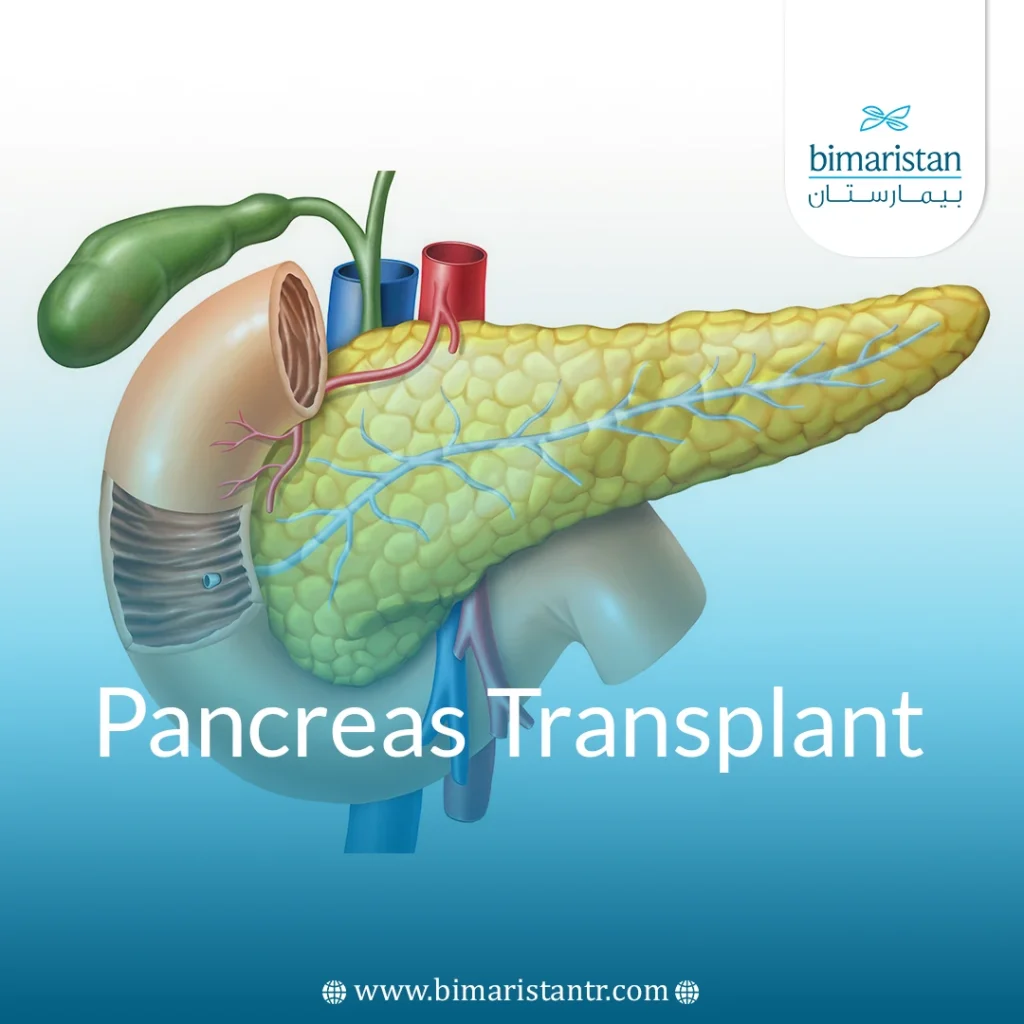
Pancreas transplant is a specialized surgical procedure designed to replace a damaged or non-functioning pancreas with a healthy donor organ, restoring the body’s natural insulin regulation. It serves as a vital treatment for individuals with type 1 diabetes, particularly those facing severe blood sugar instability or complications like kidney failure and diabetic retinopathy. With ongoing medical and surgical advancements, pancreas transplant now boasts high success rates and significantly enhances patient quality of life, especially in leading centers such as Turkey, a top destination for this transformative surgery.
What is a pancreas transplant?
A pancreas transplant is a surgical procedure in which a healthy pancreas from a brain-dead donor is transplanted into a person whose pancreas is no longer functioning normally, often with type 1 diabetes. The procedure aims to restore normal insulin production and regulate blood sugar without the need for insulin injections.
Candidates for a pancreas transplant
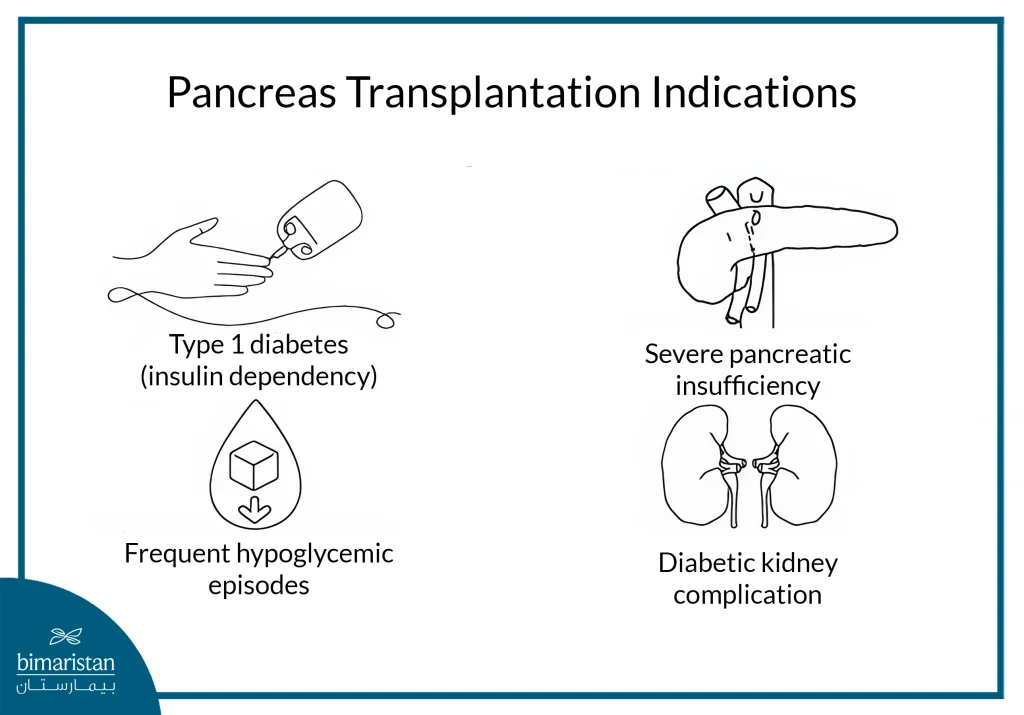
Pancreas transplantation is mainly performed to treat patients with type 1 diabetes, especially those with severe complications such as nephropathy or recurrent episodes of severe low or high blood sugar. In rare cases, a pancreas transplant may be used to treat type 2 diabetes or certain cancers, such as pancreatic or bile duct cancer. This procedure is often performed in conjunction with a kidney transplant for patients whose kidneys have been damaged by diabetes.
The difference between a pancreas transplant and an islet cell transplant
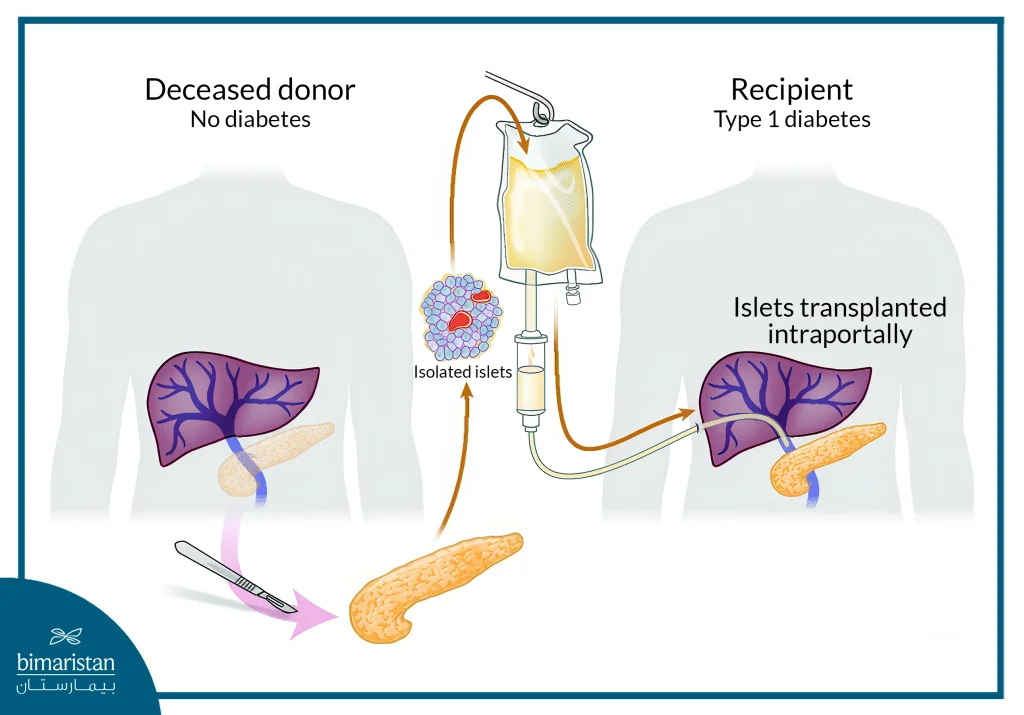
A pancreas transplant involves removing the entire organ from the donor and attaching it to the patient’s body to produce insulin naturally. In contrast, an islet cell transplant is a less invasive procedure where the cells responsible for producing insulin are transferred from the donor’s pancreas to the patient through injection into the liver. The effectiveness is often lower than that of a full pancreas transplant, and patients may require multiple sessions or continue using insulin.
When does a patient need a pancreas transplant?
Conditions that may benefit from a pancreas transplant
- Patients with type 1 diabetes with severe complications such as
- Kidney damage (often with a kidney transplant)
- Neuropathy
- Retinal problems and partial vision loss
- Recurrent episodes of uncontrolled low or high blood sugar
- Some rare cases of type 2 diabetes
- Patients with diabetic renal insufficiency and kidney transplant recipients
When a pancreas transplant is not recommended
- Severe heart disease (heart failure, uncontrolled angina, and advanced coronary artery disease)
- Chronic or severe lung disease
- Advanced vascular disease of the neck or extremities
- Having active cancer or a recent history of cancer
- Active infections such as viral hepatitis
- obesity
- Smoking, alcohol consumption, and drug use
- Inability to adhere to regular medical follow-up and checkups after the operation
Preparations before a pancreas transplant
Comprehensive clinical assessment
Preparation begins with a referral to the transplant center, where the transplant team conducts a comprehensive medical evaluation to ensure the patient’s suitability for surgery. This evaluation includes a review of the patient’s medical history, a complete clinical examination, and a determination of the presence of any diseases that may prevent the transplant procedure.
Laboratory tests
A series of tests, including kidney and liver function, blood sugar levels, and immunological tests such as tissue typing and blood group analysis, are performed to ensure the compatibility of the transplanted organ and minimize the risk of rejection. Blood and skin samples may also be taken to check for infections.
Radiographic examinations
Abdominal imaging (such as an ultrasound or MRI) is performed to evaluate internal organs, and heart tests, such as an electrocardiogram (ECG), cardiac echo, or cardiac catheterization, may be necessary to ensure the patient is ready for surgery.
The patient participates in a psychological evaluation to confirm that he understands the steps and risks associated with the operation. This evaluation also offers social and psychological support to reinforce his commitment to treatment and follow-up care after the procedure. He is encouraged to join awareness programs or support groups related to organ transplantation.
Pancreas Transplant Steps
Obtaining an organ from a donor
The pancreas is obtained from a brain-dead donor, often as part of a multiple abdominal organ resection. The entire pancreas is removed along with part of the duodenum and spleen while preserving the major blood vessels (superior mesenteric artery, splenic artery, and portal vein). The organ is then prepared for transplantation by removing the spleen, shortening the attached portion of the duodenum, and creating a Y-graft from the donor’s common iliac artery to supply the pancreas with a single source of blood.
Surgical procedure and ligation of blood vessels and the pancreatic duct
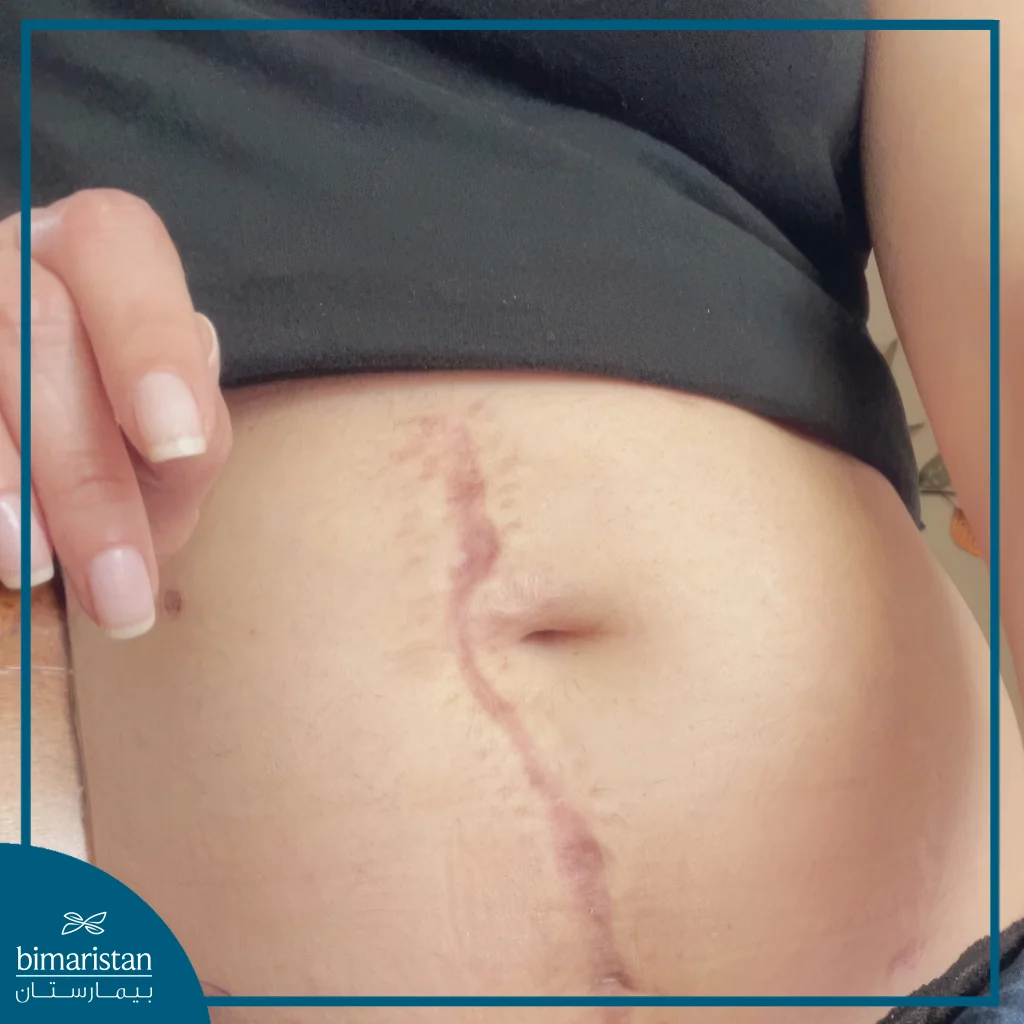
- Anesthesia and incision: Under general anesthesia, a longitudinal abdominal incision is made from below the sternum to below the umbilicus. Sometimes additional incisions are used in the inguinal region.
- Placement of the new organ: The transplanted pancreas is typically positioned in the right iliac fossa of the abdomen for easy access to the surrounding blood vessels.
- Vascular ligation
- The donor’s arteries (Y graft) are connected to the patient’s internal or external iliac artery to ensure blood flow to the organ.
- The transplanted vein is connected to the iliac vein, the inferior vena cava (for systemic drainage), or the portal vein (for portal drainage) to mimic the natural blood flow to the pancreas.
- Pancreatic juice drainage
- The most common method is small bowel anastomosis (a lateral anastomosis between the duodenum attached to the pancreas and the jejunum).
- In some centers, bladder drainage is used, where the duodenum is connected to the bladder to measure amylase in the urine and to monitor graft function. However, this method has become less common due to its complications.
- Pancreas preservation: The patient’s pancreas is left in place to continue secreting digestive juices, while the transplanted pancreas takes over insulin production.
- Closing the incision: After ensuring proper blood flow and no bleeding, the incisions are closed with stitches.
Duration of the procedure
- Pancreas transplant only: 3-5 hours
- Simultaneous transplantation of the pancreas and kidney: 6-8 hours. The kidney is usually implanted in the left iliac fossa, while the pancreas is placed in the right.
Post-operative period and medical care
After the pancreas transplant procedure, the patient is transferred directly to the intensive care unit (ICU) for careful monitoring during the first few days, where the medical team monitors vital signs, the function of the transplanted pancreas, and any early signs of rejection or complications. At this stage, the patient receives:
- Intravenous fluids and nutrients
- Oxygen to support breathing
- Painkillers to minimize discomfort
- Drainage tubes to remove blood or fluid from the surgical area
- Urinary catheter to drain urine and monitor urine production
The new pancreas usually starts producing insulin immediately after surgery, eliminating the need for insulin injections
Preventing transplant rejection
- Lifelong immunosuppression medications
- Preventive treatments against bacteria, viruses, and fungi, due to weakened immunity
After discharge from the hospital
- Regular blood tests to monitor sugar levels and pancreatic function
- Periodic medical imaging to ensure the safety of the transplanted organ
- Regular medical reviews are essential, particularly during the first three months, and the patient may need to remain close to the hospital during this time.
The hospital stay is typically two to three weeks, provided there are no complications. However, a return to the hospital may be necessary if acute rejection occurs and requires intensive treatment.
Possible risks and complications of a pancreas transplant
Pancreas transplant is a complex surgical procedure with high risks and a range of potential complications both during and after the procedure that may affect the success of the transplant and the survival of the transplanted organ. Some of these risks include:
- Immune rejection: An attempt by the immune system to attack the transplanted pancreas, occurring between 5% and 25% of the time, with an increased risk of chronic rejection in single pancreas transplants compared to combined transplants with a kidney.
- Blood clots (thrombosis): These are the most common cause of graft failure and can affect the veins or arteries that supply the pancreas.
- Bleeding: Bleeding may occur during or after surgery in up to 5% of patients.
- Infections: These include bacterial, viral, and fungal infections, often affecting the abdominal wall or urinary tract, with a high risk of CMV infection.
- Acute post-transplant pancreatitis: May result from reperfusion injury or technical issues, and sometimes leads to leakage of pancreatic enzymes or contamination of the abdominal lining.
- Complications of intestinal or bladder anastomosis
- Intestinal leakage (5–8%) is a serious complication that may require graft removal.
- Bladder complications in the event of urinary drainage, such as metabolic acidosis and dehydration.
- Rare vascular complications: Such as mycotic aneurysms due to infection of the vascular anastomosis area.
The occurrence of complications can be affected by various factors, including the duration of organ preservation, the surgical team’s experience, and the patient’s history of cardiovascular disease or previous abdominal surgeries. Timely diagnosis and management of these complications are crucial for ensuring the success of the transplant.
Success rates and future prospects
Global statistics on transplant survival rates
Global data indicate that the one-year survival rate of transplanted pancreases is between 85% and 90%, while the patient’s survival rate during the same period exceeds 95%. In the long term, 5-year survival rates are approximately 70-75%, depending on the patient’s condition and the surgical center’s expertise.
Improvement in quality of life and blood sugar control
Studies show that most patients who receive a pancreas transplant achieve complete insulin independence and maintain normal or near-normal blood sugar levels, significantly reducing episodes of severe hypoglycemia or hyperglycemia and slowing the progression of chronic diabetic complications such as nephropathy, retinopathy, or neuropathy. It also has a positive impact on quality of life and daily activities.
Pancreas transplant in Turkey
- Advanced medical centers: Turkey has a number of specialized transplant centers equipped with the latest medical technologies and advanced intensive care units that operate under international standards for surgery and organ transplantation.
- Medical staff and surgical expertise: The pancreas transplant sector in Turkey comprises experienced medical teams, including surgeons, anesthesiologists, nephrologists, and diabetologists, as well as qualified nursing teams to support patients before and after the operation.
- Turkey provides pancreas transplant services at a significantly lower cost compared to many European countries and the United States. The total expense for the procedure ranges from $70,000 to $100,000, which includes necessary tests, analyses, and hospitalization, all while ensuring a high standard of medical care.
Pancreas transplant is an advanced therapeutic option for patients with type 1 diabetes who experience severe complications or fail to control blood sugar through conventional treatments. While it is a major surgical procedure that carries risks and demands strict follow-up and lifelong immunosuppressive therapy, it offers a genuine chance to restore natural insulin production, enhance quality of life, and reduce long-term diabetes-related complications. With ongoing advancements in surgical techniques and the growing expertise of specialized medical teams, success rates continue to rise, making pancreas transplant a renewed source of hope for many patients, particularly in leading medical centers such as those found in Turkey.
Sources:
- NHS Blood and Transplant. (n.d.). Pancreas . Retrieved August 10, 2025,
- National Center for Biotechnology Information. (n.d.). Pancreas transplantation. In StatPearls. Retrieved August 10, 2025,