

Microscopic discectomy is an advanced surgical option used to treat herniated discs in the spine, and studies indicate that the success rate of this procedure ranges from about 70.5% to 90% in patients who undergo the procedure in an appropriate setting. Moreover, a comprehensive review showed that the overall complication rate in some studies was about 10.8% to 13.3%, so this technique is a relatively safe option with good results in the majority of patients who have undergone it.
What does a herniated disc mean?
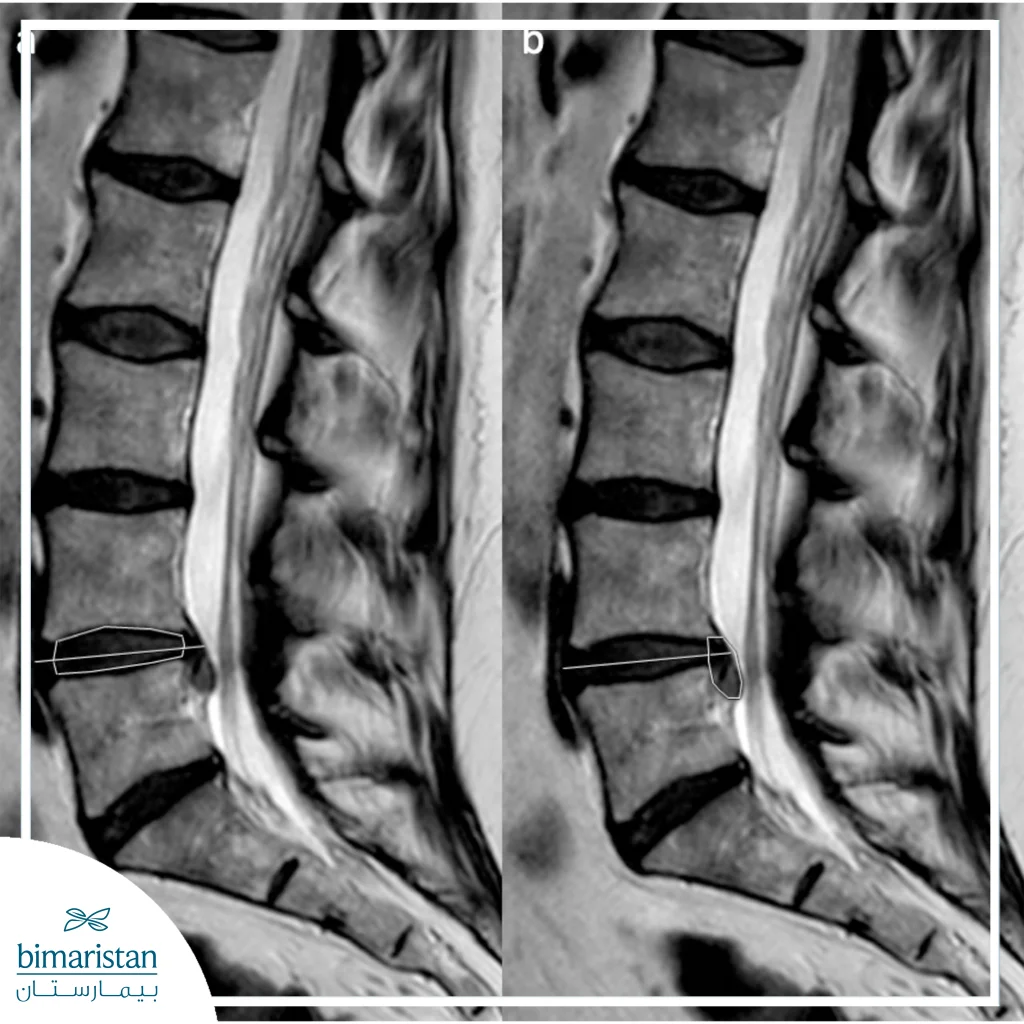
A herniated disc is a condition that occurs when part of the gelatinous nucleus located between the vertebrae of the spine, due to a rupture or weakness in the fibrous ring surrounding it, presses on the spinal cord and surrounding nerves, causing compression symptoms that may affect the quality of life of the patient, the most important of which are:
- Back or neck pain, depending on the location of the slip
- Numbness or weakness in the limbs
- Urinary incontinence in advanced cases
- Difficulty with mobility, walking, and balance
The severity of these symptoms varies according to the degree and location of the slippage, and treatment in mild cases depends on medications and physical therapy, while in advanced cases, surgery is often resorted to in order to reach full recovery.
What is microscopic discectomy?
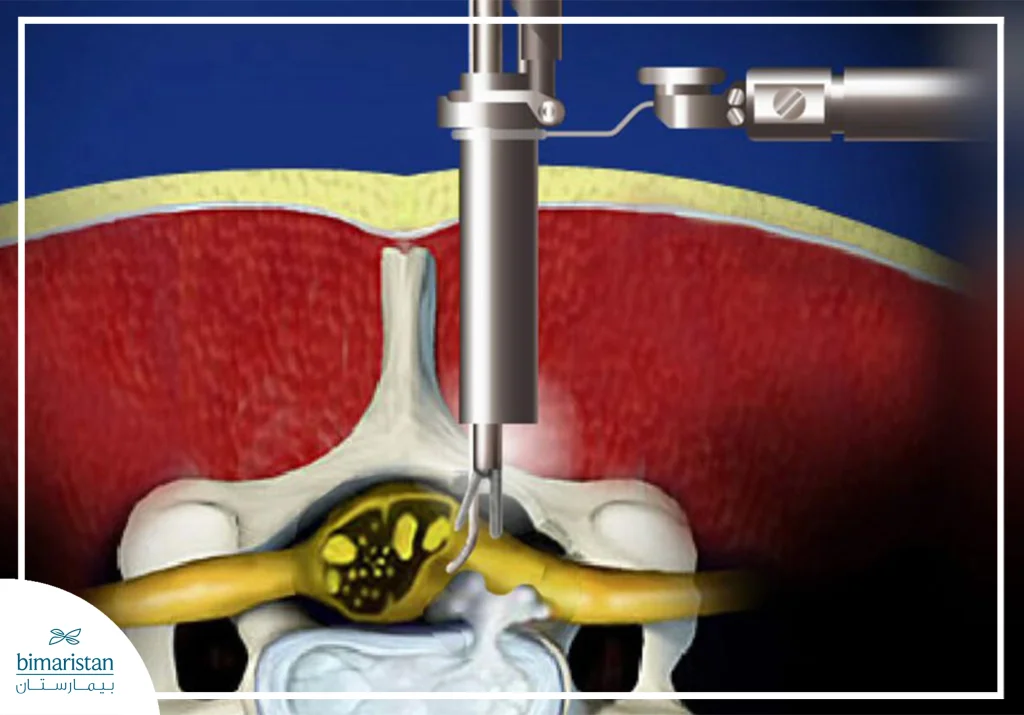
Microscopic discectomy is a very precise surgical procedure used in advanced cases of discs when the herniated part of the disc presses on the nerves and causes pain or weakness in the limbs. This operation is done by inserting a special surgical microscope by the surgeon through a very small incision in the back, to magnify the vision and remove only the herniated part of the cartilage without compromising healthy tissues.
This procedure is considered one of the least invasive surgeries compared to traditional surgery, and is characterized by reducing postoperative pain, speeding recovery, and reducing the length of hospitalization. The procedure is often performed for patients who have not responded to drug therapy or physical therapy and continue to have symptoms due to pressure on the nerves and spinal cord.
When is microscopic discectomy recommended?
Microscopic discectomy is recommended when a herniated disc interferes with daily activities or when conservative treatment fails to relieve the symptoms of the disease, and is often recommended in the following cases:
- Severe back, leg, or arm pain that persists for more than 6-8 weeks despite the use of painkillers and physical therapy
- Visible nerve root compression on MRI, with symptoms such as numbness, tingling, or muscle weakness
- Difficulty walking or poor strength in the foot or hand as a result of advanced stress
- Rare cases that require quick intervention, such as
- Loss of control over urine or stool (cauda equina syndrome)
- Unbearably severe nerve pain that does not respond to any treatment
These cases favor microscopic discectomy, as it is a precise procedure with a low error rate.
How is microscopic discectomy performed?
Microscopic discectomy is performed using precise and modern techniques that aim to remove the herniated part of the cartilage while maintaining the integrity of the surrounding tissues, and the operation is performed through a series of steps that include preoperative preparation, anesthesia, and others.
Preparation before the procedure
The patient undergoes blood tests and a modern MRI to determine the exact location and degree of the slippage, then the surgeon explains the steps and details of the operation to the patient, and the patient is given an expected date of recovery and return to normal life.
Surgery Steps
The procedure begins with anesthesia, as it is usually performed under general anesthesia. The patient is placed on his stomach in a way that allows the wound to safely reach the lumbar or cervical vertebrae, depending on the location of the herniation. The surgeon makes a small incision, usually between 1.5 and 3 cm above the affected vertebra, and at this stage, the surgical microscope is used to magnify the vision with high precision.
After the incision is made, the muscles are gently moved away without cutting them (to minimize pain and recovery time) to reach the location of the pinched nerve. The area is carefully assessed, then using precise instruments, the surgeon removes only the herniated part of the cartilage that is pressing on the nerve, leaving the rest of the disc intact to keep the spine stable, and finally, the tissue is put back in place. The incision is usually closed with only one or two stitches, and the patient is transferred to the recovery room and then to their hospital room.
Duration and success rate
The procedure usually lasts between 45 and 90 minutes, and most patients experience a noticeable improvement in nerve pain immediately after the procedure or within just a few days afterward.
Advantages of microscopic discectomy
Microscopic discectomy is characterized as one of the most accurate and safe spine surgeries, as it has become the preferred treatment option for patients with herniated discs that are resistant to conventional treatment:
- Tiny incision minimizes pain and scarring compared to traditional surgery
- Protecting surrounding tissues with the use of a surgical microscope that provides a magnified and precise view
- A faster recovery period that allows the patient to return to daily activities in a shorter period of time
- Low rate of complications, such as bleeding or infection, due to limited invasiveness
- Excellent results in relieving nerve pain caused by herniated discs and nerve compression
- By removing only the herniated portion of the disc and stabilizing the spine, the likelihood of needing a larger surgery is reduced
These features make microscopic disc surgery one of the most sought-after and safe surgeries, but to get the most benefit from it, it must be performed by expert hands and in a specialized center that guarantees the quality of the operation and the patient’s comfort.
Risks and possible complications
Although microscopic discectomy is a safe surgery with high success rates, like any surgical procedure, it may carry some risks, including:
- Recurrence of a herniated disc in the same location or at another vertebral level, which is a possibility in a limited percentage of patients
- Wound infection or infection is rare, thanks to the small incision and advanced sterilization techniques
- Minor bleeding or blood pooling in the area of the procedure, which is usually treated without further intervention
- Unintentional nerve root injury, but this is a rare occurrence and is much less common in experienced surgeons
- Spinal fluid leakage, if the membrane surrounding the spinal cord is ruptured, often treated during the surgery itself
- Back pain after the procedure as a result of muscle mobilization or natural tissue healing, often improving within weeks
Although these complications are very rare, they can occur if performed by an inexperienced surgeon or in a center that does not care about the quality of medical care.
Comparison of microsurgery and endoscopic disc surgery
| Comparison | Microscopic discectomy | Endoscopic Discectomy |
|---|---|---|
| Incision size | 1.5 – 3 cm | Less than 1 cm |
| Visualization | is also high, but depends on the experience of the surgeon | A high-resolution camera transmits the image to an external display |
| Surgical intervention | Moderate – requires minor tissue opening | Less invasive, no muscle incision |
| Expected duration of the operation | 45 – 90 minutes | 30 – 60 minutes |
| Hospitalization period | Often one day | The patient may leave the same day |
| Recovery period | 2 – 6 weeks | 1 – 3 weeks |
| Postoperative pain level | Low | Less than microsurgery |
| Success rate | High and proven for many years | also high, but it depends on the experience of the surgeon |
| The possibility of slippage recurring | Present in a small percentage | are also present in close proximity |
| Cost | Medium | Relatively higher due to advanced equipment |
| Suitable for | Moderate to severe slippage cases | A surgical microscope provides magnified and precise vision |
Recovery after microscopic discectomy
The improvement usually begins during the first days after the operation, as the nerve pain that used to extend to the leg or arm disappears significantly as a result of removing the pressure on the nerve. The patient is advised to walk lightly from the first hours, while avoiding sharp bending or carrying heavy objects. The person who underwent the operation may feel some minor pain in the back area due to tissue healing, which is normal and gradually improves over time.
In the medium term, most patients return to their daily activities within 2 to 6 weeks, depending on the nature of their work and compliance with medical instructions. Physical therapy is an important step in strengthening muscle strength and supporting the spine to prevent re-slippage, and a healthy lifestyle (including constant movement, improved posture, and avoiding prolonged sitting) contributes to maintaining the results of the operation for as long as possible.
Microscopic discectomy is one of the modern pillars of spine surgery, combining surgical precision with minimal damage to the surrounding tissues, giving the patient a better chance of returning to normal activity. Once the decision is made, the specialized teams at Bimaristan Medical Center provide flexibility and full support in planning, implementing post-operative care, and ensuring careful follow-up to ensure the best outcome for the patient.
Sources:
- Microdiscectomy compared with standard discectomy. (2008). Spine, 33(6), 646-650.
- Comparison of outcomes between tubular microdiscectomy and conventional microdiscectomy: a meta-analysis. (2023). Journal of Orthopaedic Surgery and Research