



Osteomyelitis is a profound condition that affects the bone structure and its vital functions, especially when the infection spreads from the skin or neighboring tissues or as a result of a penetrating wound or surgery, and medical data indicates that bone infections are recorded in about 2-5% of orthopedic operations, while the risk of developing it increases in people with diabetes, as the incidence of osteomyelitis in advanced foot ulcers can reach 30%.
Advances in imaging techniques and bacteriologic analysis have improved the ability to detect osteomyelitis in its early stages, resulting in a significant decrease in severe complications such as loss of function or the need for amputation, and although treatment options have become more effective, the speed of medical intervention remains the most influential factor in determining the course of recovery and preventing the infection from developing into a chronic form that is difficult to control.
What is osteomyelitis?
Osteomyelitis is an infection that affects bone tissue when bacteria or, in rare cases, fungi gain access to the bone through the bloodstream or through a direct injury such as deep wounds and surgeries, and the infection causes an inflammatory response that affects the structure and function of the bone, and may lead to damage to local blood perfusion allowing the infection to persist and worsen if not treated early, and osteomyelitis can appear suddenly and quickly or gradually develop into a chronic condition.
Certain groups are more susceptible, such as people with diabetes, circulatory disorders, immune compromise, and patients with metal devices or plates in the bones. Early detection is crucial, as advanced infection may cause bone erosion, the formation of pus pockets, or loss of structural stability of the bone. Although treatment is effective in most cases, neglecting the infection can lead to long-term complications.
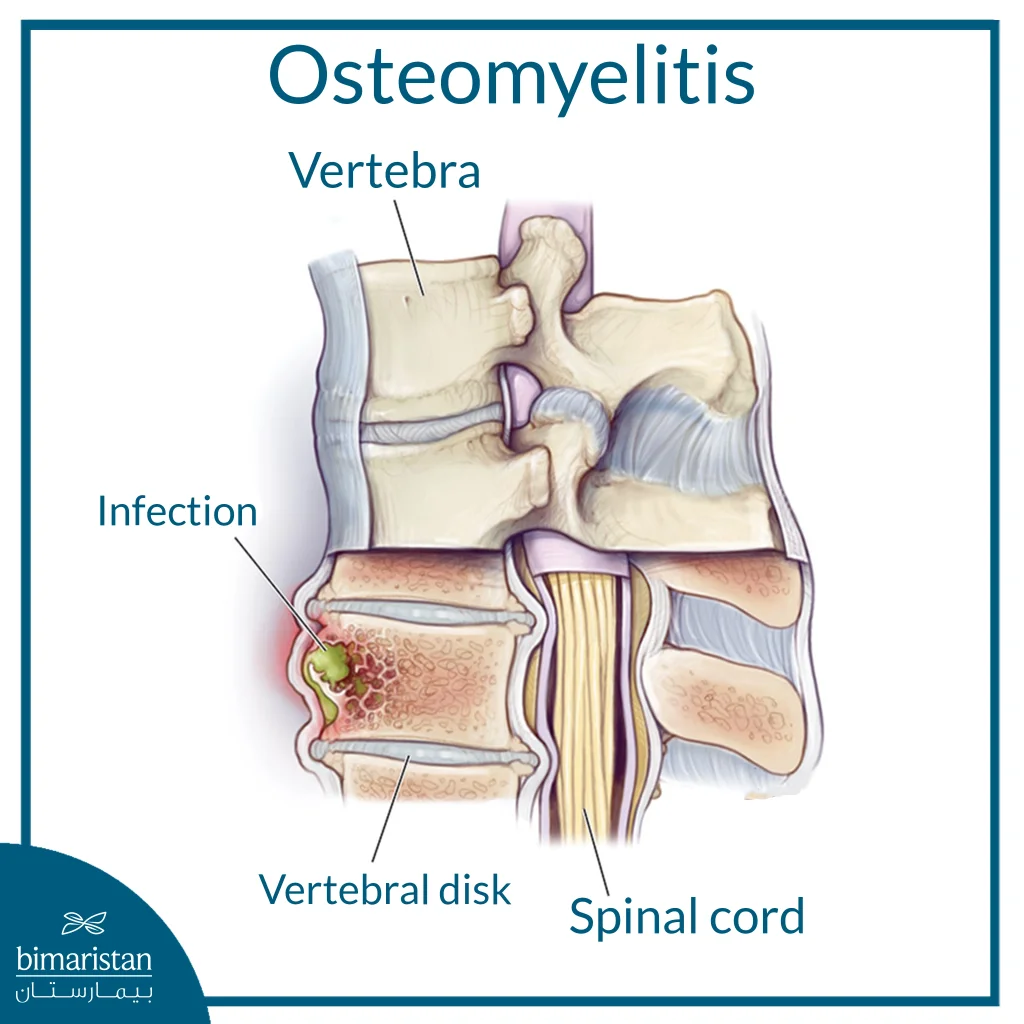
Causes of osteomyelitis
Osteomyelitis occurs when microbes gain access to bone tissue or bone marrow through blood, wounds, or from surrounding tissues, and the risk increases dramatically in the presence of diseases that impair immunity or blood perfusion, among the most important of these causes:
- Bloodborne transmission: Microbes reach the bone from a focus of infection elsewhere in the body, such as the skin, lungs, or urinary tract. This occurs when germs travel through the bloodstream and settle in areas of the bone that are more vulnerable, especially in children or people with weakened immunity.
- Infection from neighboring tissues: When the skin or soft tissue near the bone has a chronic infection, the microbes can gradually spread to the bone. The most prominent example is foot ulcers in diabetic patients, where poor perfusion and delayed wound healing facilitate the spread of the infection to the bone.
- Direct entry through open wounds and fractures: Deep wounds or fractures in which the bone is exposed allow microbes to enter the bone directly, and the likelihood increases in contaminated injuries, accidents that introduce dust or foreign objects, or when wound cleaning and care are delayed.
- Post-surgical infections: Orthopedic procedures, especially fracture stabilization or joint implants, may allow microbes to enter, and the risk increases when metal instruments are present or the wound is slow to heal, factors that create a favorable environment for microbes to proliferate around the bone.
- Poor blood supply to the bone: Diseases that reduce blood flow, such as blocked peripheral arteries, make it less effective for immune cells to reach the bone, and as a result, the bone becomes vulnerable to inflammation even from superficial cuts or minor injuries.
- A weakened immune system: Diseases or treatments that weaken the immune system, such as immunosuppressive medications or certain chronic diseases, reduce the body’s ability to fight off microbes, allowing infection to reach the bone more easily.
- Sickle cell anemia: Sickle cell anemia is a significant cause of osteomyelitis because the abnormal shape of the blood cells blocks tiny vessels within the bone, impairing perfusion and making it easier for microbes to enter and cause inflammation.
- Medical procedures that increase the risk of blood infection include having a permanent catheter, undergoing dialysis, or frequent use of instruments that enter the body.
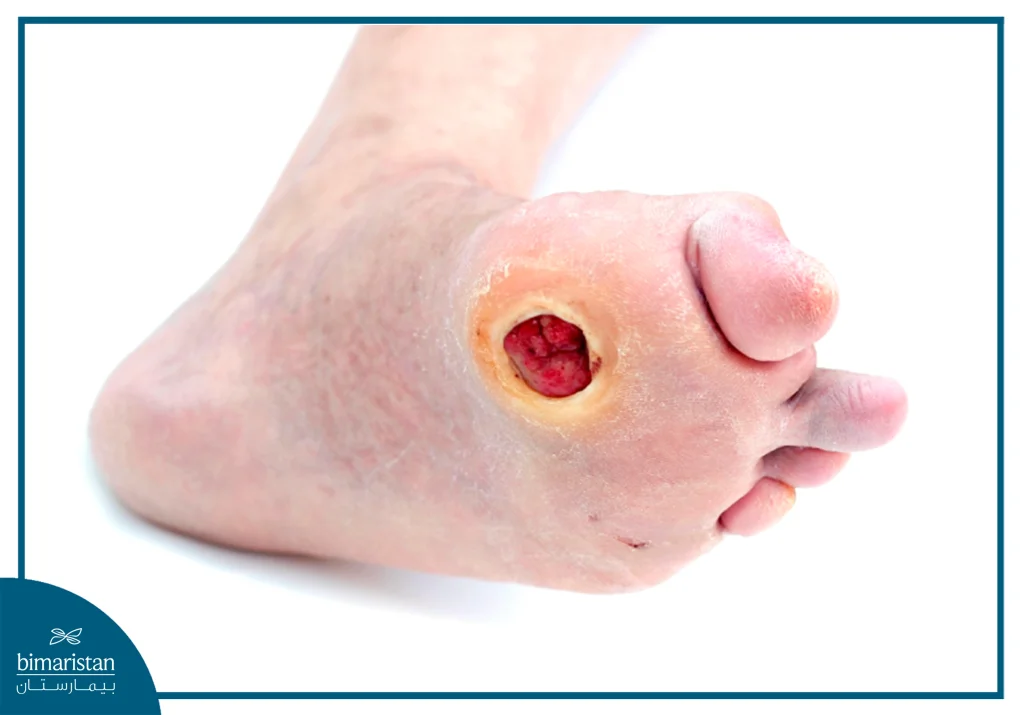
Symptoms of osteomyelitis
The symptoms of osteomyelitis appear as a result of the inflammatory response within the bone or the spread of the infection to the surrounding tissues, and their severity varies according to age, the location of the injury, and the presence of concomitant diseases such as diabetes, sickle cell anemia, or immune dysfunction, among the most important of these symptoms:
- Discharge from a wound or opening in the skin: Discharge may appear from a pre-existing wound or small opening in the skin when there is chronic inflammation, especially in people with diabetes or wounds that don’t heal.
- Persistent pain in the bone: It is the most common symptom, and the pain is constant and increases with movement or pressure and may wake the patient at night, especially in chronic cases or when there is poor perfusion.
- Reduced ability to move the affected limb: Pain and swelling may limit the movement of the joint or limb near the area of inflammation, most notably in spondylitis.
- Swelling of the affected area: It is caused by the collection of inflammatory fluids around the bone, and the swelling may gradually extend to neighboring tissues and is more pronounced in the extremities.
- Severe back pain when the vertebrae are inflamed: The pain is deep, increases with movement, and may be associated with neurological symptoms when the inflammation presses on the nerves.
- High fever: Fever may be evident in acute inflammation, while it may be mild or absent in the elderly or immunocompromised.
- Redness and warmth of the skin over the bone: This change indicates inflammation extending into the superficial tissues and is more pronounced in severe cases.
- Swollen nearby lymph nodes: Lymph nodes may swell as the body tries to fight infection, especially in the upper or lower extremities.
- Chills and general fatigue: Generalized fatigue is a result of the inflammatory response and increases when microbes spread through the blood.
- Weight loss and loss of appetite: This symptom may occur with chronic conditions as a result of long-term inflammation.
Diagnosis of osteomyelitis
Diagnosis begins with a clinical assessment and is supported by appropriate laboratory testing and imaging. The goal is to determine the presence, location, extent, and microbe causing the bone infection to guide treatment, one of the most important methods used in the diagnosis:
Clinical examination
The clinical examination focuses on localization of pain, presence of redness, swelling, heat, presence of a wound or drainage hole, examination of range of motion of the adjacent limb or joint, assessment of fever, generalized symptoms, or associated risk factors such as diabetes or blood vessels. The clinical examination alone does not confirm the diagnosis but guides complementary tests and is used to estimate the severity and location of the injury.
Blood tests
Basic blood tests include a complete blood count (to detect elevated white blood cells), inflammatory markers such as sedimentation rate and C-reactive protein (CRP) level, as well as blood cultures to identify the microbe and make targeted treatment possible. These tests are useful in diagnostic support and monitoring response to treatment, but may be negative in some chronic conditions or in immunocompromised individuals.
X-ray imaging
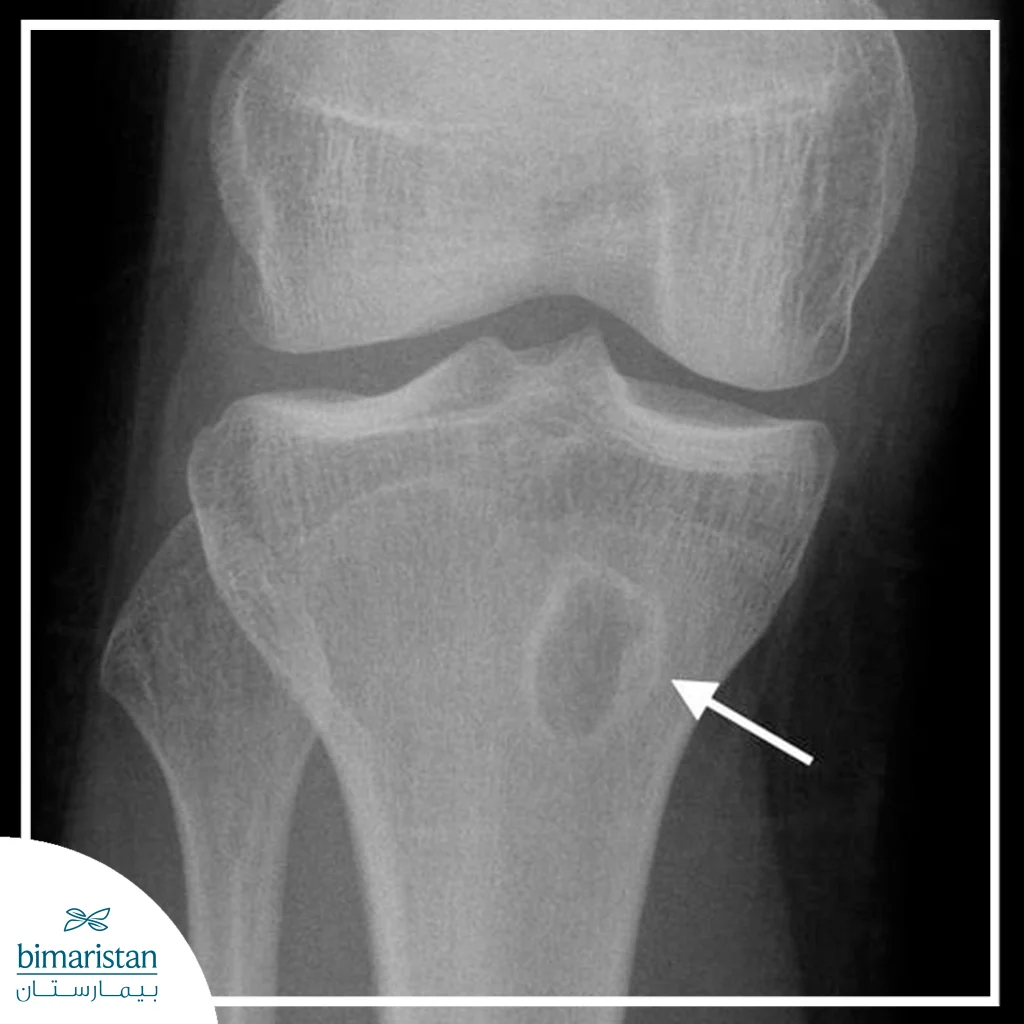
An X-ray is a preliminary image that shows bone erosions, bone voids, or dead bone fragments in the late stages, but may be normal in the early stages because visible bone changes take weeks to appear, so it is used as a baseline and then supplemented with more sensitive images or methods if the suspicion is early.
Magnetic Resonance Imaging
MRI is more sensitive for early detection of osteomyelitis because it detects bone marrow, surrounding soft tissue changes, and early purulent findings. It is used to determine the extension of the infection to soft tissues or joints and is preferred with contrast in many cases, and helps in surgical planning if needed.
Bone biopsy
Bone biopsy (taking a sample of bone or marrow) is considered the gold standard for diagnosis because it allows for histopathologic examination and microbial culture to determine type and drug sensitivity. It is usually taken via an imaging-guided needle biopsy or exploratory surgery and is necessary when clinical or imaging findings are inconclusive or when targeted antimicrobial therapy is required.
osteomyelitis treatment methods
The treatment of osteomyelitis depends on a combination of antibiotics, surgical intervention, and supportive therapies, and the type of treatment is determined by the severity of the inflammation and the presence of dead bone tissue, poor perfusion, or comorbidities such as diabetes or kidney failure. Among the most important treatment methods:
Antibiotic therapy
Treatment usually begins with antibiotics after obtaining a blood or bone culture to determine the type of bacteria, and if the results are not available, broad-spectrum therapy is used until lab results are available. In most cases, treatment lasts for four to six weeks, but may be longer in chronic cases or when dead bone tissue remains. In some cases, a topical antibiotic is used at the site of inflammation to obtain a high concentration directly around the affected bone. The presence of comorbidities such as diabetes or immune dysfunction may require a modified treatment plan to ensure that the infection is controlled.
Surgical treatment
Surgical intervention is an essential element in the treatment of chronic conditions or those in which there is dead bone tissue, abscess, or failure to respond to drug therapy, and aims to remove the source of infection, improve perfusion, and reconstruct the bone if necessary:
- Removal of the dead bone: All affected parts of the bone and surrounding soft tissues are removed to minimize the bacterial load and prevent the spread of inflammation, a pivotal step in the treatment of chronic conditions.
- Cleaning inflamed tissue: Careful removal of inflamed or fibrotic tissue that may be blocking blood and antibiotic access to the site of infection.
- Treatment of cavities left after cleaning: After removing the infected bone, voids may form within the bone, and this is treated with special fillers or materials that line the cavity, and antibiotic carriers may be used to increase their effectiveness at the site of inflammation.
- Reconstruction of the missing part of the bone: If there is significant bone loss, reconstruction can be performed using autologous bone grafts or bone substitutes to restore structure and mechanical support.
- Fixation of the bone: When there is instability after removal of the necrosis, internal or external fixation is used to maintain the position of the bone, prevent deformity, and create a favorable environment for healing.
- Drainage of abscesses or pockets: If there is a chronic purulent abscess or pocket, it is opened and completely drained to prevent fluid buildup that may reactivate inflammation.
- Improving blood supply to the area: In some cases, especially in patients with diabetes or blocked arteries, procedures are performed to improve blood flow around the bone to support healing and reduce the chances of relapse.
- Follow-up after surgery: The patient continues to be monitored for any signs of re-infection, and antibiotic therapy is continued after surgery according to the medical team’s plan.
Supportive treatments
Supportive therapies help to enhance the results of medical and surgical treatment, ensure improved perfusion, and control comorbidities that increase the risk of continued inflammation, such as diabetes, sickle cell anemia, and kidney failure, among others:
- General care: This includes optimizing nutrition, controlling sugar levels, treating poor perfusion, wound care, monitoring any skin infections close to the bone, and additional treatments may be used when needed, such as hyperbaric oxygen to enhance the healing process in some cases.
- Bone fixation: Stabilization methods are used to keep the bone stable after the removal of necrosis or after reconstruction, contributing to reliable healing and preventing subsequent deformities.
- Drainage: Performed when there are purulent collections or fluid buildup around the bone to relieve pressure and limit the spread of inflammation.
Complications of neglecting osteomyelitis
Neglecting the treatment of osteomyelitis or delaying its control may lead to the development of the infection and its spread within the bone and surrounding tissues, causing serious structural and functional changes that sometimes require extensive interventions, among the most important of these complications:
- Chronic infection: When inflammation persists for a long time, it may turn into chronic inflammation with dead bone tissue and poor blood supply, making treatment more complicated and increasing the likelihood of recurrent relapse.
- Fistula formation: This type of fistula is a sign of a chronic infection that requires surgical cleaning and long-term treatment. The infection may form a canal that extends from the bone to the skin with constant discharge.
- Spread to surrounding tissues: The infection may spread to neighboring joints, causing arthritis, or to muscles and skin, and may lead to deep abscesses that require opening and draining.
- Bone damage and loss of bone mass: Persistent inflammation leads to bone erosion and weakening, increasing the likelihood of fractures and making them difficult to heal, especially in patients with diabetes and poor circulation.
- Ischemia and osteonecrosis: Poor perfusion due to inflammation or comorbidities, such as clogged arteries, can lead to the death of parts of the bone and inflammation in neighboring areas.
- Pathological fractures: Bone that is weakened and eroded by inflammation is prone to fractures even with minor injuries and may require stabilization or surgical repair.
- Spreading the infection through the blood: In some cases, the bacteria may travel to the bloodstream and cause bacteremia or generalized sepsis, a serious and potentially life-threatening condition that requires urgent treatment.
- Disfigurement and loss of function: Long-term inflammation may lead to a change in the shape of the bone, shortening of the limb, or loss of normal use of the affected area.
- Complications in diabetics: There is an increased risk of deep wounds, foot infection, poor perfusion, and accelerated bone loss due to impaired nerve sensation and peripheral arteriopathy.
- Osteoporosis: Osteomyelitis is not a direct cause of osteoporosis, but chronic inflammation, lack of mobility, and certain prolonged treatments such as cortisone may increase the likelihood of low bone density in some patients.
Advantages of treating osteomyelitis in Turkey
Turkey offers an advanced medical environment for the treatment of osteomyelitis with high surgical expertise and modern equipment, making it a suitable choice for patients looking for precise and specialized care:
- Modern surgical techniques in bone reconstruction: Hospitals offer advanced bone reconstruction using bone implants, biomaterials, and modern techniques to manage the bone space, as well as precise internal and external fixation capabilities that support bone healing.
- Advanced diagnostic services: High-resolution imaging devices such as specialized bone MRI, nuclear imaging, and 3D imaging help pinpoint the exact location of necrosis and inflammation before developing a treatment plan.
- Affordable cost of treatment: Turkey provides high-quality treatment at a lower cost than many European countries, while maintaining a high standard of surgical, pharmaceutical, and follow-up care.
- Personalized care for international patients: Medical centers feature full-service services including medical translation, appointment scheduling, and travel support, making it easier for patients coming from abroad.
- Easy access to supportive therapy: Access to hyperbaric oxygen therapy, physical therapy, and wound healing support can help improve outcomes, especially in patients with diabetes or poor perfusion.
- Post-treatment follow-up: Turkey offers careful follow-up programs after surgery or after antibiotic treatment to control inflammation and prevent relapse, promoting long-term healing.
- Multidisciplinary teams: Orthopedics, infection control, vascular surgery, reconstructive surgery, and endocrinology collaborate to manage complex cases in a comprehensive and coordinated manner.
In conclusion, osteomyelitis is a medical condition that requires accurate diagnosis and early therapeutic intervention to avoid the development of infection and the occurrence of complications that may affect the structure and function of the bone. Understanding the causes, symptoms, and methods of diagnosis helps to enhance the ability to detect it early, allowing appropriate treatment decisions, whether with antibiotics, surgical intervention, or supportive therapies, and controlling comorbidities such as diabetes and perfusion disorders helps to improve the chances of recovery and reduce the likelihood of recurrent inflammation later on.
Regular medical follow-up and patient adherence to the prescribed treatment plan are the main pillars to ensure control of osteomyelitis and prevent its recurrence. It is also recommended to take care of wounds, improve overall health, and maintain a lifestyle that helps the body heal and support the bones. Awareness of the disease and seeking medical care when symptoms appear is an important factor in protecting the bone, preserving its function, and achieving the best possible therapeutic results.
Sources:
- Momodu, I. I., & Savaliya, V. (2023, May 31). Osteomyelitis. In StatPearls . Treasure Island (FL): StatPearls Publishing.
- Ifeanyi I. Momodu & Vipul Savaliya. (2023, May 31). Osteomyelitis. In StatPearls . Treasure Island (FL): StatPearls Publishing. PMID: 30335283.
- MedlinePlus. (2024, September 19). Bone infections (osteomyelitis). U.S. National Library of Medicine.