


.floating_btn{ display:none !important; } .println-contact-form-button-element{ display:none !important; }
The treatment of skull fractures in adults is a sensitive medical topic that requires immediate and careful attention, as skull injuries can be the result of accidents or severe trauma that leads to a fracture or crack in the bones. Skull injuries in adults are a condition that must be treated with special care, as these injuries can affect the brain or surrounding tissues, which can lead to serious complications.
The treatment of these injuries requires a range of medical procedures ranging from conservative treatments, such as rest and observation, to surgical intervention in cases of complex fractures or when complications occur. Skull fracture treatment techniques are continuously advancing, helping to improve healing outcomes and minimize risks for patients.
What is a skull fracture?
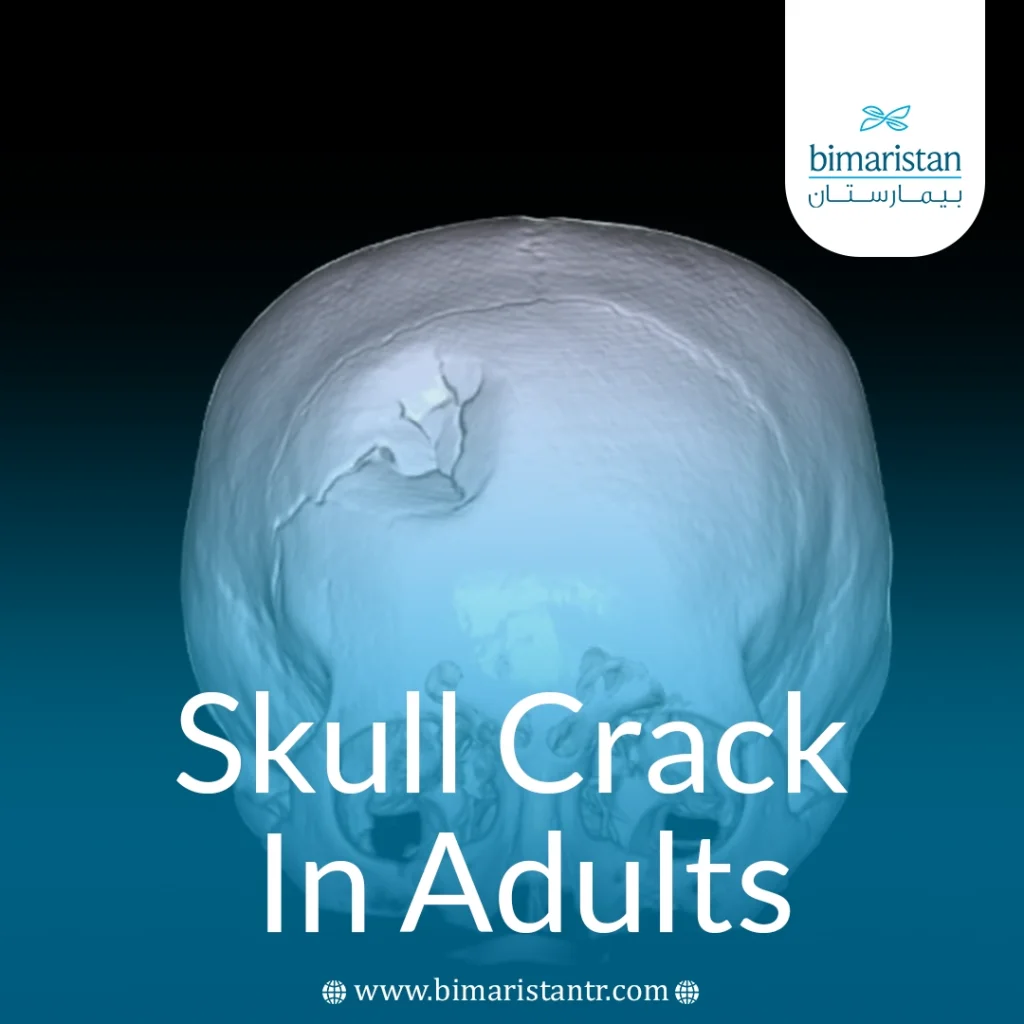
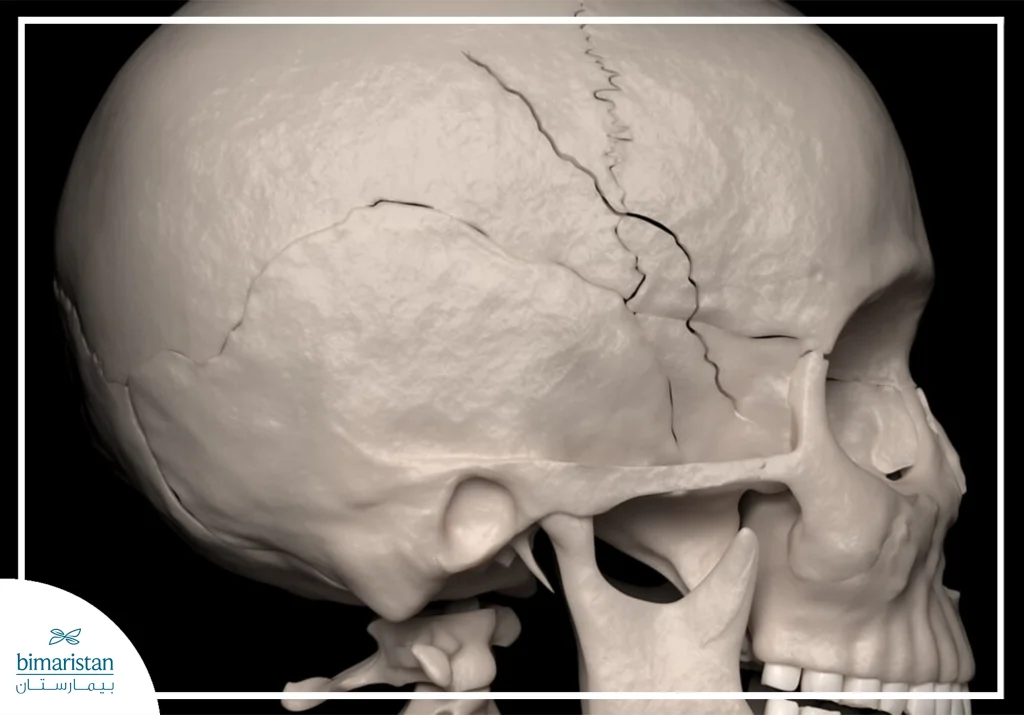
A skull fracture is a fracture or crack that occurs in the bones of the skull as a result of a direct injury or trauma. This fracture occurs when a person experiences severe pressure on the head, such as a fall or accident. In adults, the bones may be more rigid and less flexible compared to children, but that does not mean that a fracture at this age is rare; the fracture may be more complicated in adults due to the thinning of the bones with age, which may lead to complications if the injury affects the surrounding tissues or blood vessels.
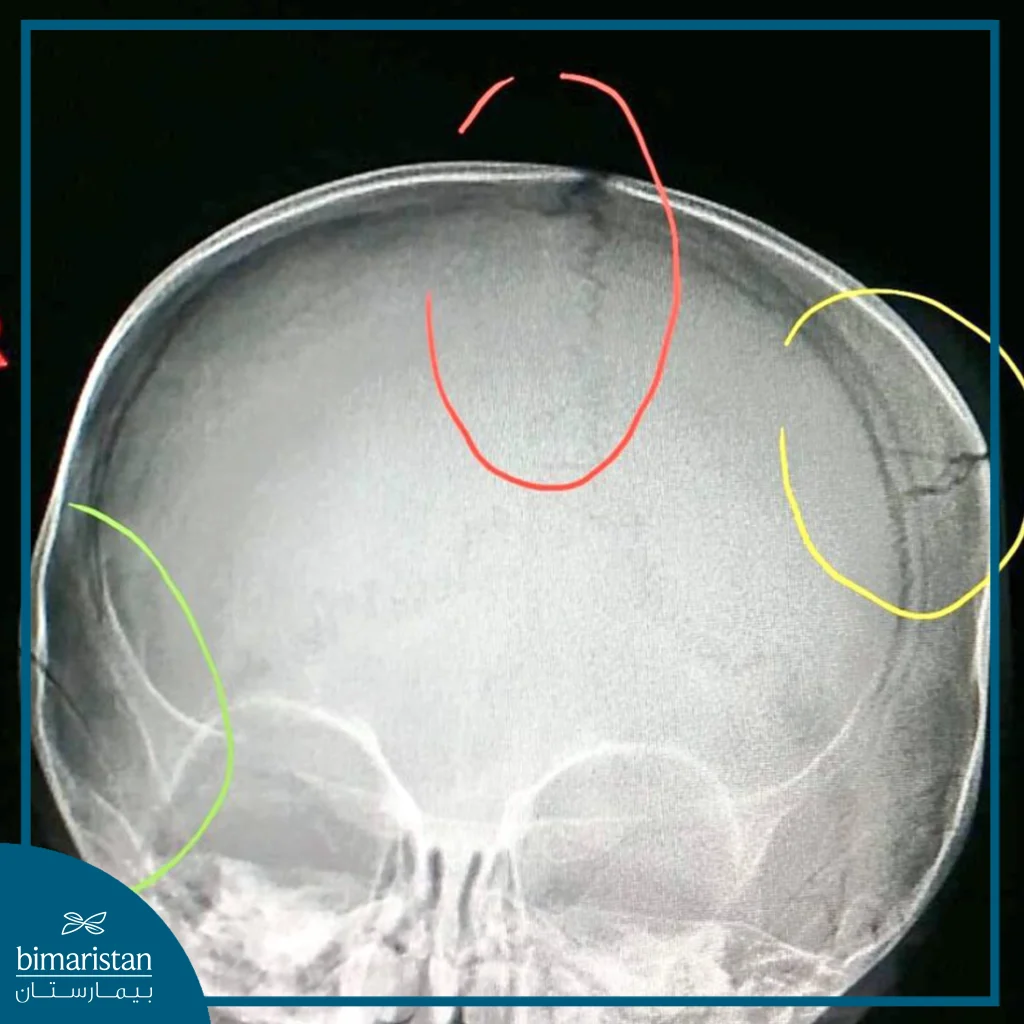
It is important to diagnose a skull fracture quickly and accurately, as serious injuries can cause side effects that may be fatal or lead to permanent disabilities, as these injuries are usually diagnosed using imaging techniques such as X-rays or MRI to determine the extent of the damage and make the appropriate decision in order to treat skull fracture in adults in particular, and in some cases the fracture can be simple, while in other cases it may require surgical intervention to repair the damaged bones.
Causes of skull fracture in adults
The main causes of skull fracture in adults are related to direct injuries to the head:
- Traffic accidents: Motor vehicle collisions are one of the most common causes of skull fractures, as the force of the collision can result in severe impacts to the head, causing a fracture or crack in the bone.
- Sudden falls: Falling from great heights or even a sudden fall to the ground due to illness or physical weakness can cause a fractured skull. Elderly people with poor balance or osteoporosis are more susceptible to these injuries.
- Direct blows to the head: Any direct blow to the head, whether from another person or a hard object, can cause a fractured skull, and this can occur as a result of fights or sports accidents.
- Sports injuries: Sports that require physical contact or participation in activities that involve the potential for blows to the head, such as soccer or hockey, can lead to a skull fracture.
- Diseases that affect bones: Diseases that lead to thinning bones, such as osteoporosis or cancers, can reduce bone strength and make them more susceptible to breaking easily, even from minor injuries.
- Other health disorders: Certain medical conditions, such as strokes or nervous system diseases, such as Parkinson’s disease and MS, may lead to loss of balance and falls, increasing the risk of skull fracture.
Symptoms that need treatment
A skull fracture is a simple fracture or crack in one of the cranial or facial bones and may not need treatment for skull fracture in adults, or it may be a serious fracture, and it includes many symptoms, but there are some symptoms and signs that need to be monitored and treated, the most important of which are:
- Severe bleeding in the head or face
- Severe headache
- Confusion
- Rampage
- Blood or cerebrospinal fluid running from the nose or ear
- Vomiting
- Change in level of consciousness due to brain injury
- Loss of balance
- Respiratory arrest
- Blue or dark circles under the eyes or behind the ears
- Overlap in speech
- Weakness and inability to move an arm or leg
- Having seizures
- One pupil is dilated and unresponsive to light
Which patients are at risk for fractures?
In order to treat skull fracture in adults, it is important to recognize that some people are more at risk for head trauma than others, and that those at risk are:
- Patients over the age of 60
- Patients who have had previous brain surgeries
- Patients taking anticoagulant medications
- Patients who use drugs or alcohol
First aid before starting treatment
Head injuries may cause fractures of the cervical spine or skull fractures in adults. The first aid for skull fractures is determined according to the condition of the injured person and the obvious symptoms, and the first aid in the hospital before starting the treatment of skull fracture in adults is:
- Evaluate the patient: If the patient is unresponsive but breathing normally, the airway integrity must be maintained by tilting the head back and lifting the chin because an unconscious patient may have their tongue obstruct the airway.
- When there are signs of concussion, sports activities should be stopped because continuing to practice sports activities may cause brain damage.
- Give some simple painkillers to treat bone pain when needed, such as paracetamol or anti-inflammatories, until the patient is seen by a doctor
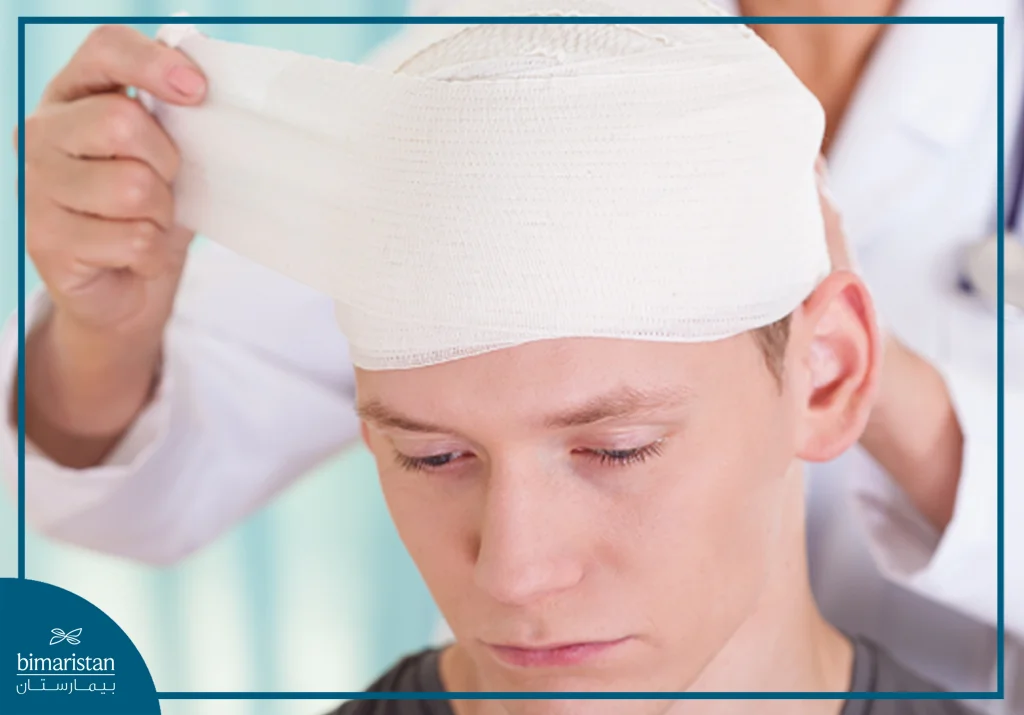
- Cover scalp wounds with a sterile dressing to prevent continued bleeding and protect the brain from infection
- Place the bandage on the area of cerebrospinal fluid or blood flowing from the nose or ear, and do not tighten the bandage too tightly
- The patient should be continuously monitored for breathing and consciousness, and checked for other injuries in order to treat them
- Maintain the normal temperature of the patient’s body.
Treatment of skull fracture in adults without surgery
Minor skull fractures are often observed between 24 to 48 hours in the hospital, and the treatment of skull fracture in adults in a conservative manner is as follows:
- Patients who have suffered severe brain trauma may be given anti-epileptic drugs, as the patient may experience epileptic seizures in the week following the injury. Diuretics may also be given when intracranial pressure rises because diuretics increase fluid secretion and thus help relieve the pressure.
- The patient must be closely monitored, even if the crack is minor, because head injuries need intensive monitoring to protect the patient from complications that may worsen, so the patient must be monitored and not allowed to sleep much, but must be awakened every two hours to check for any new symptoms.
- Medication may be given to put a patient into an induced coma if there is a serious head injury, such as a blood vessel injur,y because when a person is in a coma, the brain doesn’t need as much oxygen and nutrients
- Treatment of an adult skull fracture may require stitches or sutures if there are open wounds associated with the fracture, which are then covered with a sterile dressing
- Taking certain medications to relieve pain after a crack or fracture, such as acetaminophen
- NSAIDs such as aspirin should not be taken, as this may make any bleeding worse
Skull fracture in adults treated with surgery
An adult skull fracture is surgically treated in cases that require direct intervention due to the severity of the injury or its impact on the brain or surrounding blood vessels. Sometimes, the fracture is large or open, which requires an operation to repair the fracture safely, and the decision for surgery is made based on the type and location of the fracture. In addition to any complications that may occur, such as internal bleeding or brain compression, the most important steps in the surgical treatment of skull fracture in adults:
- Initial assessment of the case: The medical team evaluates the case by conducting the necessary tests, such as X-rays or CT scans, to determine the type of fracture and its impact on the brain, and brain function is also checked to make sure there is no compression or damage to the nerve tissue.
- Surgical preparation: Before surgery, the patient’s readiness is ensured by performing the necessary blood tests, such as coagulation analysis and hemoglobin tests, and if necessary, fluids or blood transfusions may be administered to ensure the patient’s general condition is stable before surgery.
- Anesthesia: Surgery is usually performed under general anesthesia to provide complete comfort to the patient and prevent any pain or anxiety during the procedure, as anesthesia helps provide a safe surgical environment that allows surgeons to work with precision.
- Removing damaged tissue: If the injury has caused pressure on the brain or damage to the surrounding tissue, the surgeon removes the damaged parts of the affected bone or tissue to minimize any further damage and uses specialized surgical tools to perform this procedure precisely to avoid affecting other areas.
- Fracture stabilization: In cases of large or open fractures, the fracture is stabilized using medical materials such as metal pins or plates to secure the bones in place, as these materials help allow the bones to fuse together properly during the healing process.
- Follow-up care after surgery: After the procedure, the patient is closely monitored in the intensive care unit or neurosurgery department. The follow-up includes monitoring internal bleeding, making sure there are no infections or other issues, and the patient may need painkillers or antibiotics to avoid any complications.
Complications of skull fracture surgery in adults
Although surgery is effective in treating skull fracture in adults, there are some potential complications that may occur after the procedure:
- Bleeding: One of the most prominent complications that may occur after surgery is bleeding, especially in areas where damaged bones or tissues have been repaired, and in some cases, additional intervention may be required to stop the bleeding.
- Neurological disorders: Since the skull contains the brain, any surgical intervention may affect brain function, where disorders such as memory impairment, mood changes, and difficulty concentrating may occur.
- Infections: The area affected by the fissure may become infected after surgery, causing inflammation of the tissue or bone, and may require antibiotic treatment or additional surgery to disinfect the area.
- Nerve damage: Inadvertent injury to nerves near the incision area may occur during surgery, resulting in weakness or numbness in some parts of the body, such as the face or limbs.
- Problems with bone healing: In some cases, the bones may not heal properly, or a deformity may occur in the affected area, which may require additional corrective surgeries.
- Chronic headaches: After surgery, some patients may experience chronic headaches as a result of the impact of the fracture or the surgery itself on the brain.
In conclusion, early diagnosis and the appropriate procedure are crucial when treating skull fracture in adults, as continuous medical developments and the use of modern technologies have helped improve treatment results and minimize the risks associated with surgery, and Turkey has a good reputation in the field of treating this type of injury, as Turkish hospitals provide advanced medical facilities and highly experienced doctors, making it an ideal destination for patients looking for excellent health care.
Proper and early diagnosis is essential to ensure that the type and extent of the fracture are determined, which helps in making the most appropriate decision regarding treatment, whether surgical or non-surgical, as Turkey stands out as a leading medical destination that provides specialized treatment with the highest standards, which contributes to accelerating the healing process and avoiding complications. The integrated health care and personalized attention provided to the patient make Turkey an excellent choice for anyone looking for reliable and effective adult skull fracture treatment.
Sources:
- MedlinePlus. (n.d.). Skull fracture. U.S. National Library of Medicine.
- Scherer, D., & Kelemen, J. (2023). Skull fractures in adults: Diagnosis and management. PubMed Central.
- Healthline. (2023, October 27). Head injury. Healthline. Retrieved