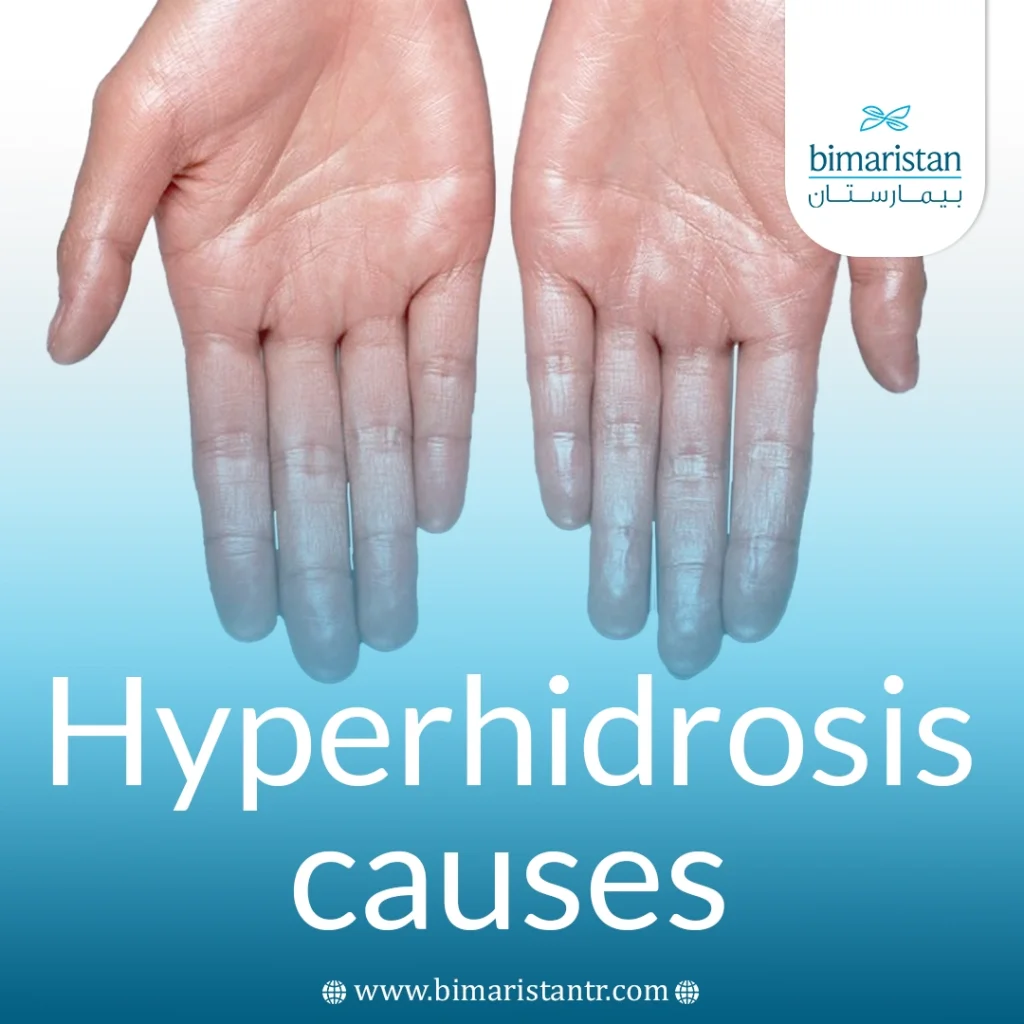

Hyperhidrosis represents a health phenomenon that draws the interest of researchers and physicians alike, as it is widespread across many societies. Despite the diversity of triggers associated with its onset, global studies indicate that it affects nearly 5% of the world’s population, making it an important subject for continued observation and academic investigation. Exploring hyperhidrosis causes helps clarify its broader social and health implications.
What is hyperhidrosis?
Hyperhidrosis is a functional disorder of the sweat glands that leads to hyperhidrosis, either in specific areas (hands, feet, armpits, face) or throughout the body. It is divided into primary hyperhidrosis, which occurs without an obvious organic cause, often as a result of an overactive sympathetic nervous system. Secondary hyperhidrosis is a symptom of other diseases, such as thyroid disorders, diabetes, or obesity, or may result from taking certain medications.
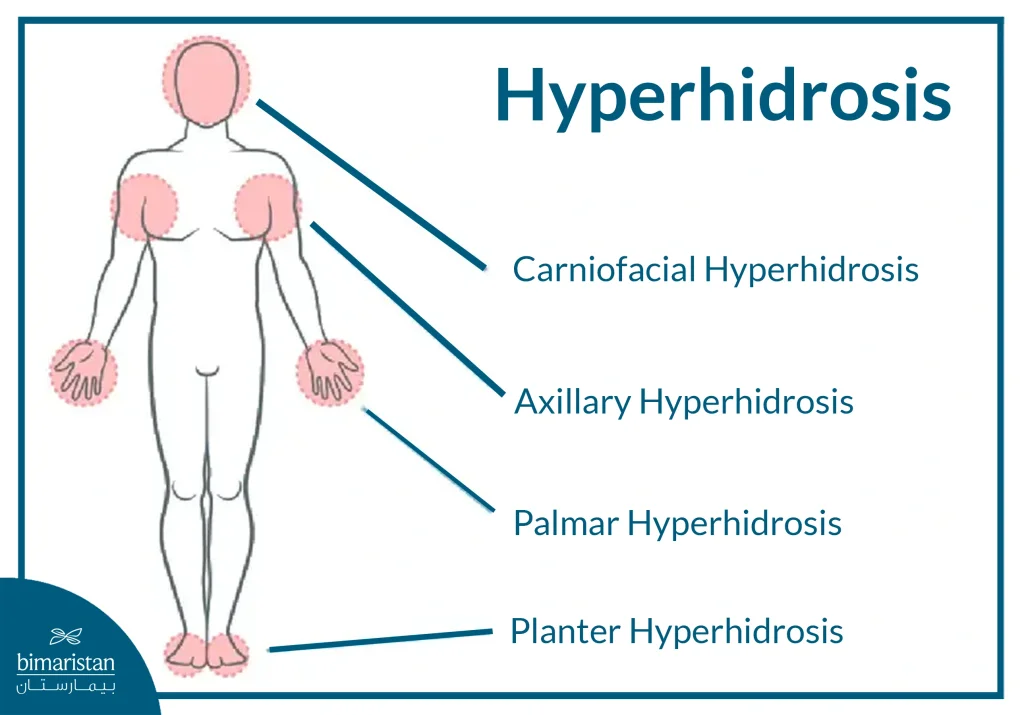
Where does hyperhidrosis occur on the body?
Sweating usually appears in specific areas of the body and symmetrically on both sides:
- Armpits (about 50%)
- Soles of the feet (30%)
- Palms (25%)
- Face (20%)
There are also rare forms of primary hyperhidrosis:
- Inguinal hyperhidrosis: Appears in the pubic area and upper thigh.
- Unilateral hyperhidrosis: Rare, localized, asymmetrical cases.
Primary hyperhidrosis causes
There are several causes of primary excessive sweating, including:
- Idiopathic: Often begins at a young age (14-25 years) without comorbidities and usually decreases in severity with age. Most of the cases that come to the clinics are idiopathic.
- Hyperactivity of the sympathetic nerves: Some of the sweat glands receive their signals from the sympathetic nervous system. In primary hyperhidrosis, there is excessive activity in this system from a center in the hypothalamus, and the sympathetic system is responsible for emotion, stress, and fear, so sweating increases in these cases. This condition can be treated with a procedure named sympathectomy.
- Emotional and psychological triggers: Stress, anxiety, fear, and embarrassing social situations trigger hyperhidrosis in these patients. It is characterized by appearing during wakefulness and disappearing during sleep.
- Possible genetic factor: About 30-65% of patients have a positive family history, suggesting a genetic predisposition.
Secondary hyperhidrosis causes
Secondary hyperhidrosis causes include:
Skin diseases
They include:
- Eccrine nevi: extremely rare skin lesions that are highly localized.
- Vascular malformations: May be associated with hyperhidrosis, pain, or wounds.
- Myxedema in front of the tibia
- Sweating around chronic inflammatory skin lesions (such as psoriasis or severe eczema).
Gynecological diseases
- Postmenopausal hyperhidrosis (a non-pathologic physiologic condition)
- Hormonal changes during pregnancy or lactation (a non-pathologic physiologic condition)
- Hyperhidrosis in Polycystic Ovary Syndrome (PCOS) due to a hormonal imbalance
Pharmacological causes
- Opiate drugs: Methadone, morphine, tramadol
- Cholinergics such as galantamine
- SSRIs and SNRIs (such as paroxetine, duloxetine, or sertraline)
- Antipsychotics (e.g., clozapine, olanzapine)
- Diabetes medications (insulin, sulfonylureas)
- Pressure and heart medications (beta blockers, calcium blockers)
- Oral retinoid (isotretinoin for acne)
- Sudden discontinuation of certain medications (such as opioids or alcohol)
- Systemic steroids
Septic diseases
Almost all infections cause fever and hyperhidrosis, but some infections may not be accompanied by other symptoms, or the hyperhidrosis may persist for a long time. These infectious diseases include:
- Brucella
- Acquired Immunodeficiency Virus
- Chronic malaria
- Tuberculosis
- Endocarditis
- Typhoid fever
- Toxoplasmosis in chronic conditions
- Influenza, COVID-19 (Coronavirus), Other chronic viral diseases
Endocrine and internal diseases
- Diabetes (due to neuropathy or hypoglycemia).
- Acromegaly or an overactive pituitary gland and increased secretion of growth hormone.
- Pheochromocytoma: A tumor of the adrenal cortex in which there is an increase in the secretion of adrenal hormones, resulting in high blood pressure, tachycardia, hyperhidrosis, and excessive tension.
- Hyperthyroidism: Associated with other symptoms such as poor sleep, tachycardia, increased metabolic rate, and hyperhidrosis.
- Hypogonadism
- Insulinoma: Insulin-induced hypoglycemic episodes lead to sweating episodes.
- Chronic adrenal insufficiency: leads to increased secretion of salts in sweat, and the associated fluid loss with these salts contributes to hyperhidrosis.
- Hyperparathyroidism: This leads to increased calcium levels, which are thought to stimulate the nervous system to secrete sweat.
- Sometimes, hypothyroidism may cause hyperhidrosis (resulting in compensatory sweating after stimulation)
Heart disease
- Heart failure
- Cardiac endocarditis: (associated with other symptoms such as bouts of high fever) should be treated promptly
- Myocardial infarction (appears as sudden profuse sweating)
Metabolic diseases
- Obesity is considered a physiological cause
- Gout has not yet been proven to be a direct cause of hyperhidrosis, but there may be an indirect relationship as a result of:
- Joint inflammation caused by urate crystals
- Fever associated with gout attacks
- The use of medications to relieve gout attacks may affect sweating
- Hyperhidrosis secondary to vitamin B1 and B12 deficiency in cases of malnutrition. Vitamins B1, B12, and folate are sometimes prescribed to treat hyperhidrosis
Neurological diseases
- Central or peripheral nerve lesions
- Harlequin syndrome: A lesion in the stellate ganglia of the sympathetic chain that leads to redness and hyperhidrosis of the mid-face and is considered one of the most important causes of secondary facial hyperhidrosis.
- Horner’s disease: Caused by injury to the sympathetic nerves, but results in facial redness, miosis, and anhidrosis on one side of the face, while there is compensatory hyperhidrosis on the opposite side.
- Ross syndrome: It is characterized by anhidrosis, reduced muscle reflexes, pupillary hyporeflexia, and may be associated with compensatory hyperhidrosis in healthy areas.
- Multiple sclerosis: Disrupts the central regulation of sweating and causes random localized hyperactivity.
- Polyneuropathies: Hyperhidrosis occurs in healthy areas.
- Spinal cord injuries: Hyperhidrosis occurs in healthy areas.
- Compensatory sweating after nerve paralysis
- Parkinson’s disease
Tumors
- Carcinoid tumors: These tumors secrete serotonin and vasoconstrictors and stimulate the sympathetic nervous system, causing hyperhidrosis, flushing, tachycardia, and hyperhidrosis.
- Lymphoma: It has three characteristic symptoms: weight loss of more than 10 percent in three months, high fever, and night sweats.
- Leukemia: Hyperhidrosis is caused by increased release of inflammatory factors.
- Diffuse cancerous metastases: Hyperhidrosis is caused by an increased metabolic rate.
- A pituitary tumor that secretes ACTH, GH, or TSH increases the rate of metabolism
Orthopedic surgery
- Hyperhidrosis after limb amputation
- Sweating after severe trauma or fractures with accompanying neurological injury
Psychological diseases
- Generalized anxiety disorder (GAD)
- Social phobia (social anxiety disorder)
- Sweating caused by psychiatric medications
- Depression and panic attacks: Some studies indicate metabolic alterations in patients with depression, which can lead to changes in body temperature and sweating levels.
Ear, Nose, and Throat
- Frey’s syndrome: also known as gustatory hyperhidrosis, in which hyperhidrosis occurs while eating or even thinking about food. It most often develops after parotid gland surgery and is believed to result from injury to the nerves responsible for sweating and salivary secretion. During healing, these nerves may reconnect incorrectly, leading to abnormal sweating.
Surgery
- Compensatory sweating after thoracic sympathectomy surgery
- After upper thoracic and neck surgeries, sympathetic nerve injury may occur, leading to Horner or Harlequin syndrome
- After axillary lymphadenectomy, localized compensatory sweating may occur.
Foods and drinks that increase sweating
1. Spicy foods
- black pepper
- Ginger
- Cinnamon
- Saffron
- Cumin/Caraway
- Turmeric
These spices contain compounds (such as capsaicin in pepper) that activate the receptors of the sympathetic nervous system, thereby increasing sweating.
2. Sugars and simple carbohydrates
- White sugar
- Honey
- jam
- Candy and chocolate
- Cakes and pastries
- Ice cream
- Carbonated drinks, such as cola and sweetened beverages, contain sugar and stimulants
- Salted crackers, such as chips, contain sugar-based starch.
Eating these foods quickly raises glucose levels and stimulates insulin secretion, which leads to increased activity of the sympathetic system and, consequently, increased sweating.
3. Fast food
- Sausages
- Hamburgers and Pizza
4. Other drinks
- Caffeine (coffee and tea): Directly increases the activity of the sympathetic system.
- Alcohol: Triggers night sweats in some people.
Hyperhidrosis causes in women
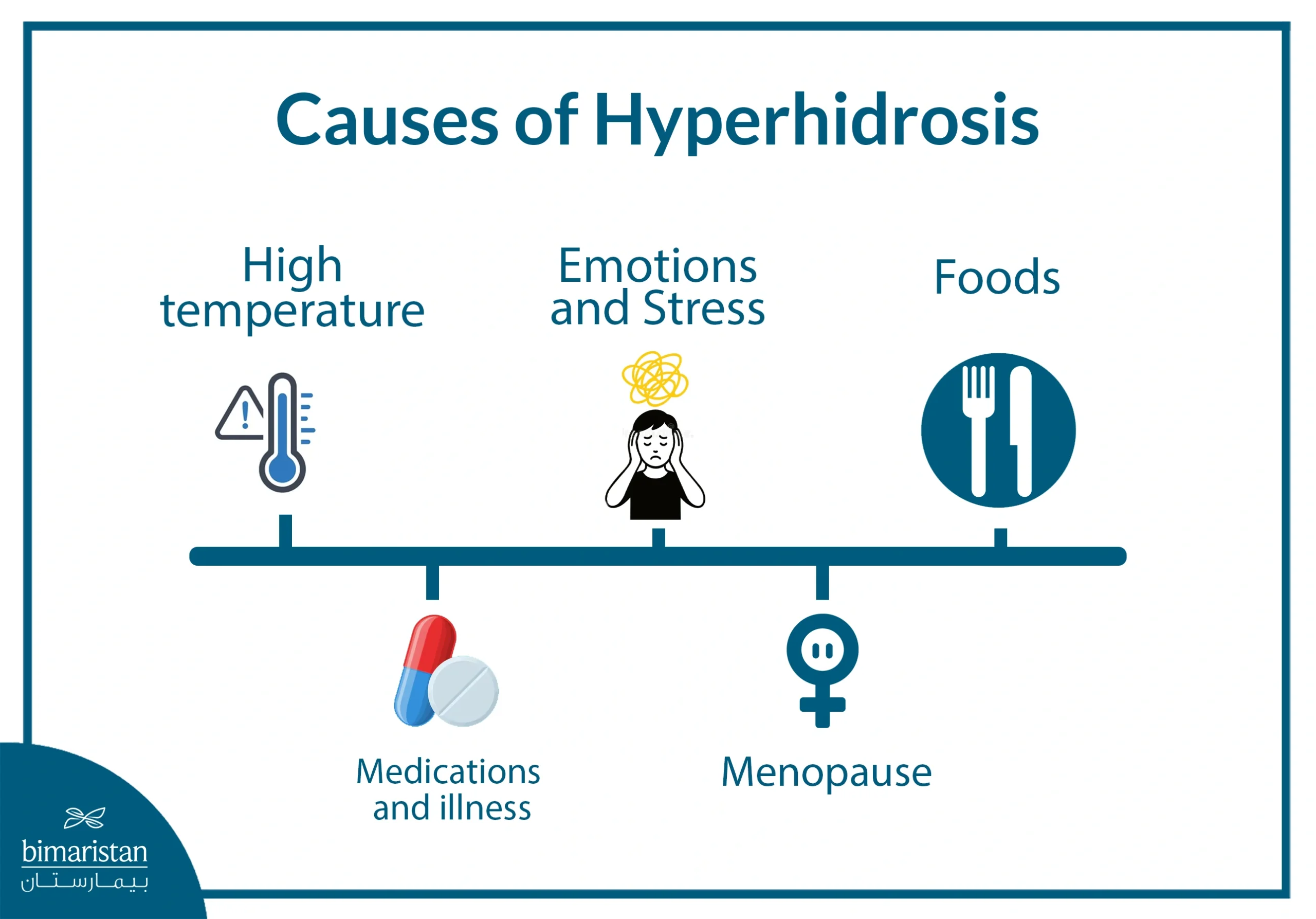
Female hyperhidrosis increases naturally due to hormonal changes; one reason is the hot flashes that often occur after menopause. Hyperhidrosis may occur in pregnant women for a number of reasons, including High blood pressure, hormonal fluctuations, weight gain, anxiety, and stress. There is no need to worry about hyperhidrosis during pregnancy, as it is normal and rarely indicates an underlying disease. Another common cause of hyperhidrosis in women is hyperthyroidism, and women suffer from this condition more frequently than men. Psychological factors play a big role in hyperhidrosis, as emotions and stress enhance the sympathetic nervous system’s response, which increases sweating.
Hyperhidrosis causes in men
Many men around the world suffer from hyperhidrosis. According to a study conducted in the United States of America, 5% of men suffer from hyperhidrosis. Men sweat more than women because their sweat glands are more active, and their internal temperature is higher due to greater muscle mass. Studies have shown that low levels of the male hormone testosterone have been linked to the occurrence of severe night sweats in men.
One of the main causes of secondary hyperhidrosis in males is acromegaly, a condition in which the pituitary gland secretes excess growth hormone, leading to hyperhidrosis.
The secondary hyperhidrosis causes in men have already been mentioned in our article, and as for primary hyperhidrosis, it is also common and often associated with psychological disorders or issues such as constant anxiety and stress.
Hyperhidrosis causes during sleep
Some people suffer from excessive night sweats during sleep, waking up to find their clothes and pillows full of sweat. There are many conditions that lead to night sweats, including:
- Low blood sugar
- Psychological issues such as anxiety
- Taking certain medications such as antidepressants and painkillers
- Hormone Replacement Therapy
- Immune disorders
- Cancerous tumors
- Osteomyelitis
- Pheochromocytoma
- Alcohol or drug use
- Women’s menopause
In conclusion, hyperhidrosis causes are classified into primary and secondary types, and obtaining proper diagnosis and treatment in accredited medical centers remains a crucial step in the care process. At Bimaristan Center, we offer high‑quality medical consultations and treatment services in Turkey, relying on advanced medical technology at a competitive cost.
Sources:
1 – Kisielnicka, A., Szczerkowska-Dobosz, A., Purzycka-Bohdan, D., & Nowicki, R. J. (2022). Hyperhidrosis: disease aetiology, classification and management in the light of modern treatment modalities. Postepy dermatologii i alergologii, 39(2), 251-257. https://doi.org/10.5114/ada.2022.115887
2 – Nastase, F., Verenca, M. C., Niculet, E., Radaschin, D. S., Busila, C., Vasile, C. I., & Tatu, A. L. (2024). Primary Hyperhidrosis in Children-A Retrospective Study and a Short Review. Life, 14(5), 645. https://doi.org/10.3390/life14050645
3- Williams, V., Jabri, H., & Jakoby, M. G. (2021). Night Sweats as the Presenting Symptom of Primary Hyperparathyroidism. Journal of the Endocrine Society, 5(Suppl 1), A207. https://doi.org/10.1210/jendso/bvab048.421
4. Psychiatr. Pol. 2017; 51(1): 153-154
PL ISSN 0033-2674 (PRINT), ISSN 2391-5854 (ONLINE)
DOI: https://doi.org/10.12740/PP/66788
5- Meysam Reza Boghrati, Mehrdad Shakiba, Elham Oloumi-Yazdi, Forough-Sadat Tabatabaee, Elham-Sadat Tabatabaee,
An analysis of the efficacy of reducing daily spices and simple carbohydrates intake on treating night sweats in toddlers,
Journal of Nutrition & Intermediary Metabolism,Volume 16,2019,100089,ISSN 2352-3859,https://doi.org/10.1016/j.jnim.2019.01.001.