
Varicocele is one of the most common conditions affecting the male reproductive system, occurring in about 15% of men overall and increasing to nearly 35–40% among those with primary or secondary infertility. Although many individuals may not notice clear symptoms early on, the untreated varicocele effects that develop over time trigger a series of pathophysiological changes impacting fertility, hormonal balance, and the anatomical integrity of the testicle itself.
The harm of leaving a varicocele untreated goes beyond the progressive dilation of the veins, as it gradually causes blood flow disruption, heat accumulation, and metabolic imbalance within the testicular tissue. These untreated varicocele effects can lead to permanent damage to sperm‑producing and hormone‑producing cells. In some cases, the impact may even extend to the opposite healthy testicle, due to altered venous pressure and the spread of free radicals through the circulatory system.
What is a varicocele?
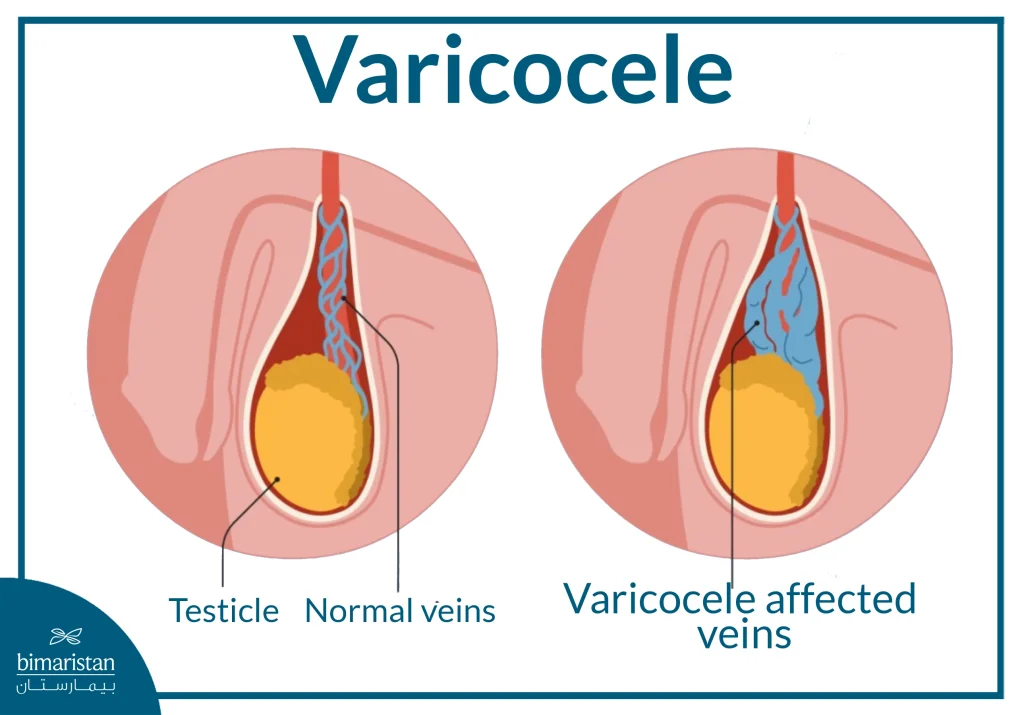
Varicocele is an abnormal widening of the pampiniform plexus, a group of veins inside the spermatic cord that carries blood away from the testicle. This widening usually occurs because the vein valves malfunction, allowing blood to flow backward and accumulate around the testicle. Varicocele most commonly occurs on the left side, accounting for up to 90% of cases. This is due to anatomical differences, as the left testicular vein drains into the left renal vein at a right angle, which increases pressure compared to the right side. Varicoceles can be classified by their severity into 3 different grades:
- First degree: Not visible to the eye and can only be detected by examination or Doppler.
- Grade 2: Easily touched but not clearly seen.
- Third degree: Visible and noticeably prominent when standing.
The harms of leaving a varicocele untreated
untreated varicocele effects are various, including:
High testicular temperature and disruption of its thermal environment
This is one of the most important untreated varicocele effects, as the testicle needs a temperature of about 2-4 degrees Celsius below body temperature to function efficiently. Varicose veins lead to blood stagnation and loss of the natural cooling mechanism provided by blood flow in the pampiniform plexus. Chronic hyperthermia causes:
- Inhibition of sperm cell division
- Disruption of Sertoli cell function
- Poor sperm maturation
- Accumulation of abnormally unfolded proteins within the testicle
Research indicates that an affected testicle is 1.5 to 2.5 degrees Celsius warmer than a healthy testicle.
Poor sperm production and quality
Poor sperm production and quality are the most common and serious effects of untreated varicocele, as spermatogenesis is affected by several mechanisms:
- Lack of oxygen leads to damage to sperm-producing cells
- High venous pressure reduces arterial blood flow to the testicle
- Free radical buildup causes DNA damage in sperm and DNA breakage
- Disruption of metabolic regulation within the testis leads to decreased production of proteins and hormones that support sperm maturation
As a result, total sperm count, progressive sperm motility, and the percentage of morphologically intact sperm are reduced, all of which affect fertility, and in chronic cases, the damage may become irreversible even after surgical repair
Testicular atrophy
Atrophy is one of the most serious effects of an untreated varicocele. Testicular cells show under a microscope::
- Loss of germ cells
- Degeneration of the seminiferous tubules
- Thinning of the outer shell of the testicle
- Nonfunctional Sertoli cell hyperplasia
Clinically, the patient will notice a gradual reduction in the size of the affected testicle, which may reach half the normal size in neglected cases. This damage is often permanent and irreversible if not treated early.
Male infertility
Varicoceles are the most common cause of treatable male infertility. Studies show that up to 40% of primary infertility and 80% of secondary infertility are related to varicoceles. Mechanisms leading to infertility include:
- Sperm production disorder
- Increased proportion of sperm with an unstable plasma membrane
- DNA damage causes implantation failure after fertilization
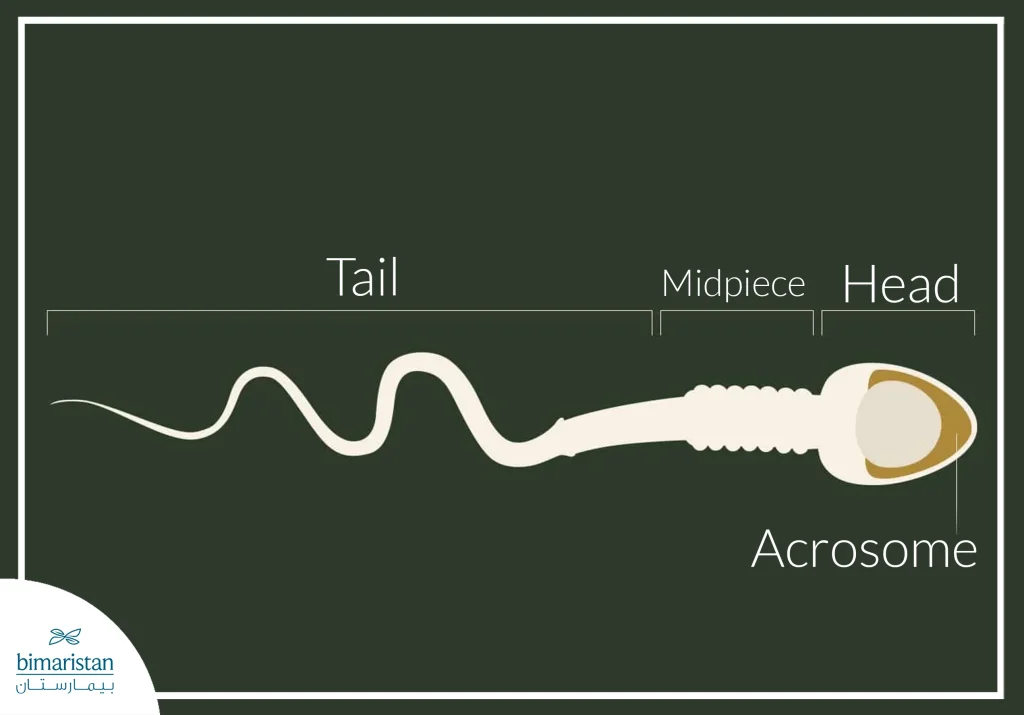
- Disruption of the sperm head proteins needed to penetrate the ovum
Even assisted fertilization techniques (IVF and ICSI) may show lower success rates in cases of neglected varicose veins compared to patients who have had them repaired.
Low testosterone and endocrine disruption
Varicoceles are significant because they impact the Leydig cells, which are responsible for producing testosterone. Due to a lack of oxygen and the buildup of metabolic toxins, there is a gradual decrease in testosterone levels in the blood. This can potentially lead to:
- Low libido
- Erectile dysfunction
- General fatigue
- Mood swings and depression
- Loss of muscle mass and an increase in visceral fat
Some research has shown that surgically repairing a varicocele can raise testosterone by 20-40% several months after the operation, proving the direct link between an untreated varicocele and hormonal imbalance.
Chronic scrotal pain
The pain typically presents as heaviness or tightness in the lower abdomen or scrotum and worsens with prolonged standing or exertion. Varicose veins and increased venous pressure over time lead to greater expansion of the vein walls and chronic inflammation, making the pain persistent even at rest, and it may be accompanied by:
- A feeling of heat in the area
- Swelling or discomfort while sitting
- Pain sometimes spreading to the groin or lower back
Effect on the opposite (unaffected) testicle
Although varicose veins are usually unilateral, studies have shown that oxidative changes and hypoxia may extend through the venous circulation to affect the healthy testicle as well. Cases of bilateral atrophy or bilateral sperm dysfunction have been reported despite the presence of varicose veins on only one side.
Immune disorders against sperm
The leakage of sperm cells or their proteins into the bloodstream as a result of damage to the blood-sperm barrier leads to the formation of antibodies against sperm. These antibodies impede sperm motility and prevent sperm from attaching to the egg, reducing the likelihood of fertilization even in the presence of a normal sperm count.
Microscopic changes in tissue structure
Electron microscopy studies indicate that:
- Disorganization of the seminiferous tubules
- Mild interstitial fibrosis within the testicular tissue
- Mitochondrial degeneration within sperm cells
- Expansion of the rough endoplasmic reticulum in Sertoli cells
These changes are indicative of chronic damage caused by ongoing oxidative stress.
The psychological effects of untreated varicocele are just as important as the organic effects and are among the most important harms of leaving varicocele untreated:
- Low self-esteem
- Depression in chronic conditions
- Constantly worrying about being able to have children
- Sexual dysfunction due to pain or low libido
The condition progresses to advanced degrees and is difficult to treat
Untreated varicocele progresses over time from mild to severe, and the vein becomes increasingly stretched and damaged. Untreated varicocele effects in the advanced stages include:
- The risk of varicose varicocele increases after surgery
- The incidence of complications after the procedure is higher
- The chances of regaining fertility decrease even after repair
Rare complications reported in some studies
Rare untreated varicocele effects include:
- Formation of small venous micro‑thrombi within the pampiniform plexus veins
- Calcification of the spermatic cord veins as a result of chronic blood stasis
- Increased risk of left‑sided renal insufficiency (venous) in the presence of Nutcracker syndrome
- Possible increase in heat sensitivity, even in the healthy testicle, which can contribute to overall reduced fertility.
- Potential impact on the production of other testicular hormones, such as inhibin B and FSH, due to impaired Sertoli cell function.
Although these complications are uncommon, they are considered effects of leaving a varicocele untreated.
Leaving a varicocele untreated carries a significant risk to fertility and overall testicular health. The untreated varicocele effects that develop over time can lead to permanent sperm damage, testicular atrophy, hormonal imbalances, chronic pain, and notable psychosocial consequences. Therefore, it is advisable to consult a urologist when noticing any swelling or discomfort in the scrotum. Early diagnosis and appropriate treatment, whether through microscopic surgery or venous embolization, help ensure optimal outcomes and protect testicular function and future fertility.
Sources:
- Azuravascularcare. (n.d.). If I don’t get varicocele treatment? Azura Vascular Care. Retrieved October 23, 2025,
- Varicocele Doctor. (n.d.). Risks of untreated varicocele on fertility. Varicocele Doctor. Retrieved October 23, 2025