
Botox neurogenic bladder treatment is one of the most advanced medical approaches to control an overactive bladder caused by neurological disorders. It is estimated that more than 20% of patients with neurological diseases suffer from disabling urinary symptoms that directly affect their daily lives. Despite a variety of pharmacological treatments, a significant percentage of patients do not respond adequately. In these cases, Botox is a long-term treatment option that helps reduce spasms and significantly improve bladder capacity.
What is a neurogenic bladder?
Neurogenic bladder is a functional disorder resulting from dysfunction in the normal communication between the nerves that coordinate bladder filling and emptying. This malfunction may manifest as a loss of the ability to regulate contractions or an impaired sense of bladder fullness, resulting in an irregular urination pattern that affects the patient’s comfort.
The severity of the disorder varies depending on the nature of the underlying neurological injury. Some patients experience overactivity of the bladder muscle leading to involuntary contractions, while others have difficulty in sending the necessary signals to initiate or complete urination. This dysfunction is not limited to the motor aspect, but also includes a change in the bladder’s sensitivity to fullness, which increases the daily burden and keeps the patient in a constant state of vigilance to deal with the symptoms.
Continuous pressure on the bladder muscle may lead to structural changes that exacerbate the issue, so this condition requires a gradual treatment approach that begins with pharmacological and behavioral therapies. However, many patients reach a stage where improvement is limited, opening the way for more effective treatment options, most notably Botox neurogenic bladder treatment, which is one of the modern treatments capable of directly and accurately modifying bladder activity without resorting to complex surgical procedures.
How does Botox work in the bladder?
Botox exerts its therapeutic effect on the bladder through a series of subtle neuromuscular changes, making it one of the most effective options for controlling an overactive bladder, and its mechanism of action can be summarized as follows:
Inhibition of contraction-inducing nerve signals
After Botox is injected into the bladder wall, it binds to the nerve endings responsible for activating bladder muscle contractions and
- Reduce immediate muscle activity and minimize tics
- Blocking the release of the neurotransmitter acetylcholine from synapses
- Stopping the transmission of signals that trigger premature and involuntary contractions
This neural inhibition is key in reducing overcontraction and improving bladder control.
Reduces bladder sensitivity to fullness
The effect of Botox is not limited to the motor side, but also the sensory side, which causes constant urgency:
- Reducing the sensitivity of stretch receptors in the bladder wall
- Delay the sensation of a full bladder, giving the patient more time to get to the restroom
- Reducing upward signals from the bladder to the brain centers responsible for the feeling of urgency
Improving the functional ability of the bladder to fill
As contractions decrease and sensitivity improves, the bladder gains better capacity thanks to:
- Increased bladder capacity after injection
- Minimize internal pressure during filling
- Increase voluntary control and reduce incontinence episodes
Indications for Botox neurogenic bladder treatment
Botox is an approved treatment option in the management of advanced cases of neurogenic bladder, especially when conventional treatments have not yielded the desired results. It is recommended for a range of conditions that require a more effective and sustainable intervention, including:
- Failure of conventional drug therapy
- When antimuscarinic agents or β3 receptor agonists do not provide sufficient improvement or when their effect wears off after a short period, Botox becomes a logical option to directly control symptoms by targeting the muscle itself.
- Side effects that limit the continuity of treatment
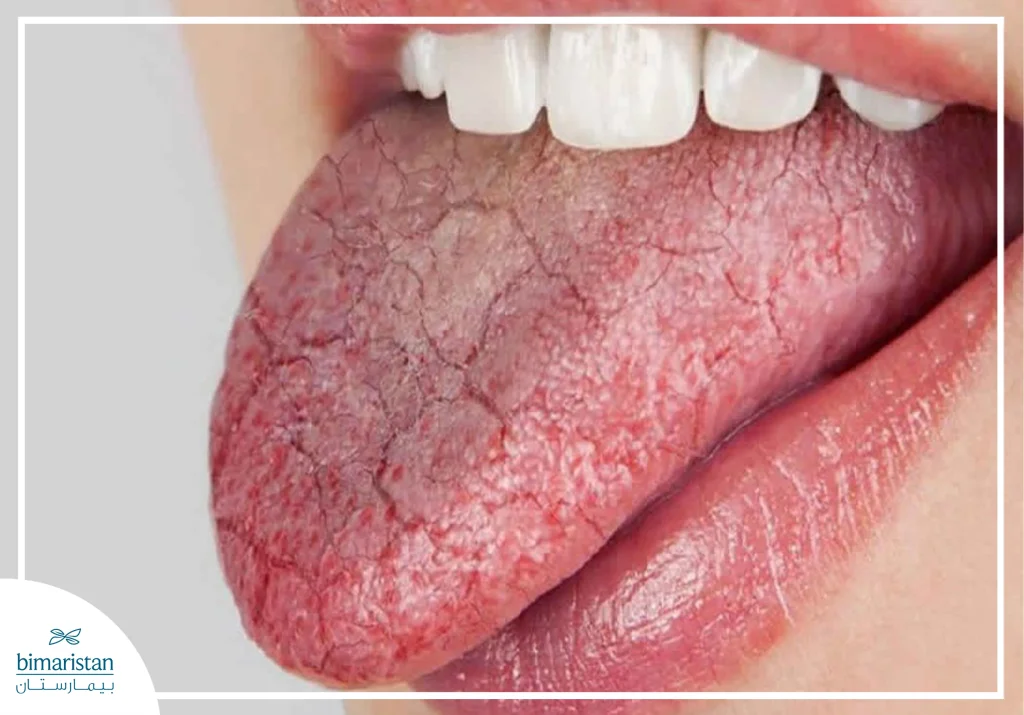
- Some patients experience unpleasant side effects from medications such as severe dry mouth, constipation, or blurred vision, making continued medication unsuitable. In these cases, Botox offers an effective alternative without these side effects.
- Neurogenic overactive bladder associated with neurological conditions: Botox is used effectively in patients with
- Multiple sclerosis
- Spinal cord injuries
- Neurological disorders affecting bladder control
- Frequent episodes of urge incontinence
- When incontinence recurs despite adjusting medication dosages or implementing behavioral techniques, Botox injections become necessary to control bladder activity and alleviate or stop leakage episodes.
- Need for long-acting and stable treatment
- Botox is one of the few treatments capable of providing the patient with stability that lasts for several months without the need for daily treatment, making it a preferred option for patients seeking a sustainable solution that relieves symptoms and improves quality of life.
Botox neurogenic bladder treatment steps
Botox bladder injections are performed in a specialized medical environment to ensure the highest degree of safety and accuracy, and are considered a short procedure with a quick recovery. The procedure can be divided into three main stages:
Preparation before Botox neurogenic bladder treatment
Preparation aims to assess the condition of the bladder and make sure the patient is ready for the procedure:
- Rule out urinary infection: Urinalysis is performed to ensure there is no infection, as its presence may increase the risk of complications after the injection.
- Evaluation of bladder function: Cystourethrography is used when needed, especially in neurologic conditions or when there is a complex voiding disorder.
- Explain the treatment plan to the patient, including the injection method, expected outcomes, the time required to observe improvement, and the possibility of repeating the procedure in the future.
Injection steps during Botox neurogenic bladder treatment
The injection is done in a small operating room or endoscopy unit, usually under local anesthesia or sedation to ensure patient comfort:
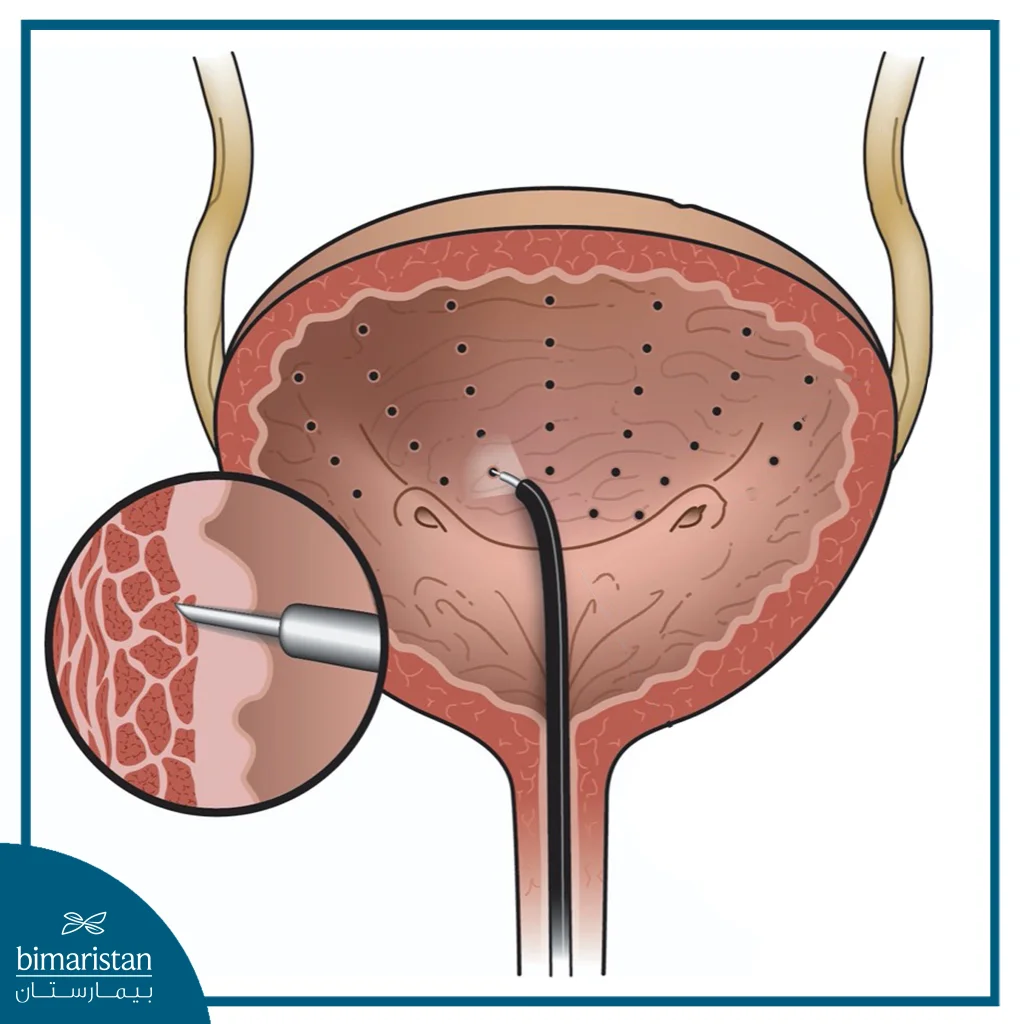
- Insertion of the uroscope: The scope allows the entire bladder wall to be visualized and the exact points where Botox will be injected.
- Distribution of the injection within the bladder wall: The prescribed dose is injected in 15-20 points evenly distributed over the detrusor muscle, avoiding the bladder triangle area to preserve valve function.
- Duration of the procedure: The procedure usually takes only 10-20 minutes, making it one of the fastest interventional urological procedures.
After Botox neurogenic bladder treatment
After the injection is completed, a quick follow-up is done to make sure the patient is safe:
- Discharge on the same day: The patient does not require a hospital stay and is discharged after a short period of observation.
- Onset of results: Improvement begins gradually over 5-14 days as urgency and frequency decrease and control improves.
- Periodic follow-up: The doctor is visited to evaluate the response, measure bladder capacity, and make sure there is no retention or difficulty in emptying.
Botox neurogenic bladder treatment success rate and duration of effectiveness
Most clinical studies have shown that intravesical Botox injection is one of the most effective interventions to control overactive bladder, both in patients with central and peripheral neurologic disorders. Response rates range from 70% to 90%, depending on several factors:
- Severity of urgency, incontinence, and progression
- The extent of hypercontracture in the detrusor muscle before treatment
- Type of neurological cause (such as MS or spinal cord injury)
Patients with severe involuntary contractions benefit the most from the treatment, with the greatest improvements in frequency, urgency, and incontinence. Botox neurogenic bladder treatment has a longer duration of efficacy than pharmaceutical treatments, with results typically lasting between 6 and 12 months, depending on individual response and the nature of the neurological disorder. When the effect begins to diminish, the injections can be safely re-injected without any cumulative negative effect on the bladder muscle.
Potential complications of Botox neurogenic bladder treatment
Botox neurogenic bladder treatment is one of the safest and most effective treatments; however, some mild and predictable side effects may occur. These effects are often temporary and easily managed, and include:
- Temporary urinary retention: Especially in severe cases of neurogenic overactive bladder. Caused by a decrease in the strength of bladder muscle contraction after the injection, the patient may require a temporary catheterization within days until the bladder regains normal activity
- Minor bleeding in the urine: Light or pink blood may appear in the urine within 24-48 hours after the injection and is caused by the needle points within the bladder wall and goes away spontaneously without intervention.
- Urinary tract infection: There is an increased risk of developing a minor urinary tract infection after the procedure due to the use of the laparoscope. The infection is often mild and responds quickly to prescribed antibiotics.
- Temporary burning or discomfort: Some patients experience a slight burning sensation when urinating or mild discomfort in the lower abdomen for a day or two, which is part of the normal response after the laparoscopy and injection.
Botox Neurogenic Bladder Treatment Cost in Turkey
Turkey, and Bimaristan in particular, is one of the countries that combines high quality and affordability in specialized treatments, especially in procedures that rely on endoscopy and injections such as Botox treatment of the neurogenic bladder. Turkish centers are characterized by modern equipment and extensive experience in urological surgeries, making them a preferred destination for patients from Europe and the Middle East. A table comparing the prices of Botox neurogenic bladder treatment in Turkey and some other countries:
| State | Average cost (USD) |
| Turkey | 1,200 |
| Germany | 1,600 |
| United Kingdom | 2,200 |
| France | 1,400 |
Botox bladder injections are a reliable treatment option that provides patients with a significant improvement in urinary control with a long-lasting effect beyond what conventional treatments offer. Its importance lies in its ability to relieve urgency and incontinence in patients who have not benefited from medications. In Turkey, this technology is available in advanced centers with extensive experience in urological disorders. Bimaristan Medical Center offers careful follow-up and high-level care to ensure the best results for patients seeking specialized treatment at an affordable cost.
Sources:
- Ginsberg, D. (2013). Botox for neurogenic bladder. Nature Reviews Urology.
- Karsenty, G., Denys, P., Amarenco, G. (2008). Botulinum toxin A and neurogenic detrusor overactivity. The Journal of Urology.
- Cruz, F. (2014). Mechanisms of action of botulinum toxin in neuro-urology. Neurourology and Urodynamics.
- Apostolidis, A., Dasgupta, P., Fowler, C. (2006). Probing the bladder with botulinum neurotoxin. European Urology
- Schurch, B., Stöhrer, M., Kramer, G. (2000). Botulinum-A toxin for treating detrusor hyperreflexia. The New England Journal of Medicine.