Research indicates that neurogenic bladder is a common disorder among people with spinal cord injuries or neurological diseases such as multiple sclerosis, with an incidence of 70-84% in those with spinal cord injury. Recent studies have shown that neuromodulation for neurogenic bladder improves bladder function with retention and emptying in more than half of the patients in the test phase, with a permanent success rate of about 84%. Neurobladder therapy via neuromodulation is a promising option when conventional therapies have failed.
What is a neurogenic bladder?
Neurogenic bladder is a functional disorder caused by a malfunction in the neural communication between the nervous system and the bladder that affects the body’s ability to coordinate the normal filling and emptying of the bladder. It results in loss of control of urinary contractions or impaired sensation of fullness, which leads to an irregular urination pattern and directly affects the patient’s comfort and ability to control the bladder.
The severity of the disorder varies depending on the nature of the neurological injury. Some patients experience overactive bladder muscle resulting in involuntary and sudden contractions, while others have difficulty transmitting the nerve signals needed to initiate or complete urination. The disorder involves changes in the bladder’s sensitivity to fullness, which increases the patient’s sense of urgency and reduces their quality of life.
Over time, these constant contractions and pressure on the bladder muscle may cause structural changes that make the condition more difficult to control. This calls for a gradual therapeutic approach that begins with pharmacological and behavioral interventions; however, improvement remains limited in many cases. Therefore, Botox injections to the neurogenic bladder appear as a modern and effective option capable of directly and precisely modifying muscle activity and achieving significant improvement without the need for complex surgical procedures.
How neuromodulation for neurogenic bladder treatment works
Neurogenic bladder therapy aims to restore the delicate balance between the neural activity of the bladder and the central nervous system, allowing for better control of bladder contractions and improved urinary control. The technique is based on understanding the mechanisms of neuromuscular contraction in the bladder, where neural overactivity or poor signaling leads to involuntary contractions, sudden urgency, and incontinence.
Peripheral or central nerve stimulation
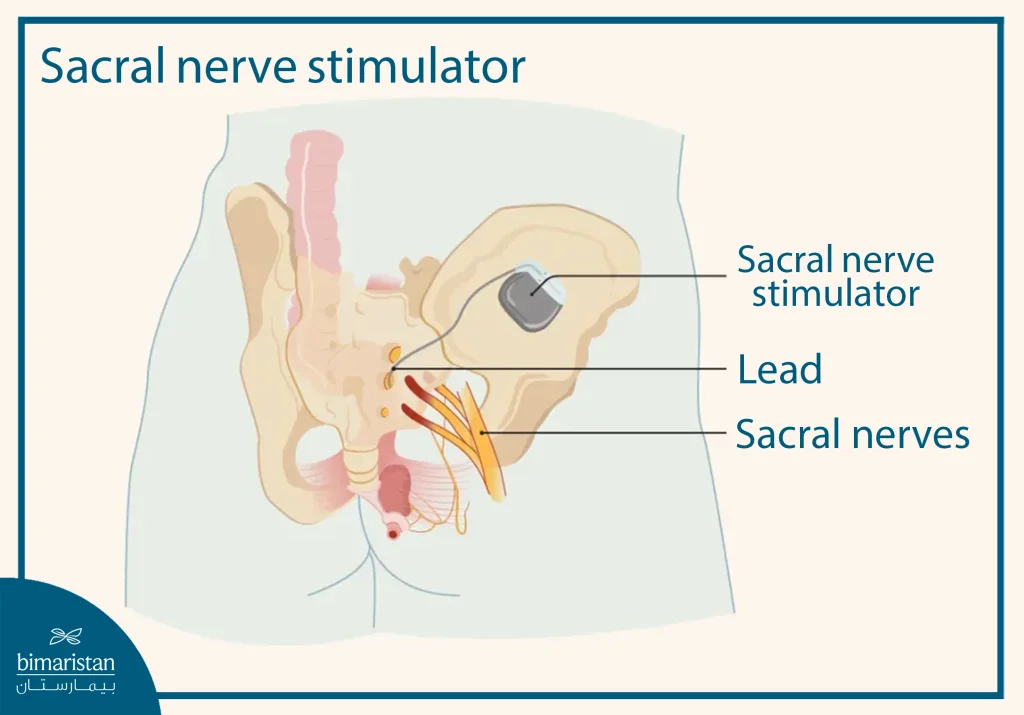
The treatment involves stimulating targeted nerves, whether peripheral nerves such as the third sacral nerve (S3) or central nerve stimulation techniques, to modify the nerve conduction signals between the bladder and the nervous system. This stimulation leads to:
- Inhibit involuntary contractions of the detrusor muscle that cause sudden urgency and urinary incontinence
- Minimize excessive activity that causes muscle irritation and thus relieve recurrent tics
- Improved synchronization between nerve signals sent from the bladder to the brain and muscle contraction, restoring some of the voluntary control over urination
Reduces bladder sensitivity to fullness
Bladder sensitivity to fullness is a key part of neurogenic bladder, where the patient feels early urgency before the bladder is actually full. By modulating nerve signaling:
- The sense of urinary urgency is delayed, giving the patient more time to get to the bathroom and act without constant stress or anxiety
- The sensitivity of stretch receptors in the bladder wall is reduced, allowing it to absorb more before sending urgency signals to the brain
- Upward signals from the bladder to the brain centers responsible for the sense of urgency are controlled, reducing the sudden sense of urgency to urinate and reducing cases of urge incontinence
Improving bladder function
Subtle neurological adjustments enhance the actual function of the bladder, giving the patient better control and minimizing potential complications:
- Increase the capacity of the bladder so that it can hold more urine without increasing internal pressure
- Enhanced voluntary control of urination, reducing reliance on catheters or medications, and improving quality of daily life
- Reduced pressure within the bladder during filling, which protects the bladder lining from damage or inflammation caused by constant filling and muscle tension
Indications for neuromodulation for neurogenic bladder treatment
Neuromodulation for neurogenic bladder is an advanced option that is recommended in cases where conventional treatments do not provide sufficient improvement and is used to more effectively and sustainably manage urinary symptoms. Indications include:
- Failure to respond to conventional drug therapies
- Some patients experience persistent symptoms despite using antimuscarinic drugs or β3 receptor agonists, or even after these medications have been discontinued for a short period. In such cases, modulating nerve signals becomes a logical option for directly controlling bladder muscle activity and improving urinary control.
- Neurogenic overactive bladder caused by neurological diseases:
The treatment is widely used in patients with neurological disorders such as MS, spinal cord injuries, or bladder-related polyneuropathy. This technique helps to regulate involuntary bladder contractions and reduce sudden urgency, giving the patient greater control and improved daily comfort. - Desire for a long-acting solution that reduces reliance on daily medications
- This treatment is characterized by its long-lasting effectiveness, extending over several months, which reduces the need for continuous daily medication and alleviates associated side effects such as dry mouth, constipation, or blurred vision.
- Recurrent urge incontinence affects the patient’s quality of life
- Some patients experience recurrent episodes of incontinence despite medication adjustments or behavioral modifications, directly impacting their daily lives. Modifying nerve signals can reduce or stop these episodes, improving patient comfort and confidence in bladder control.
Steps to neuromodulation for neurogenic bladder
Neurogenic bladder therapy is performed by modulating nerve signals using neuroregulation techniques of the central or peripheral nervous system using modern electrical or chemical stimulators, a precise procedure that aims to adjust the neural activity between the bladder and the central nervous system to improve urinary control and reduce uncomfortable symptoms such as urgency and incontinence. The session usually lasts 30 to 60 minutes, and the patient’s vital signs are monitored throughout the procedure to ensure safety and comfort. The treatment is often performed under local anesthesia and is safe and effective with a short recovery period. Practical treatment steps include the following:
Evaluation and preparation for neuromodulation for neurogenic bladder
Careful preparation is key to successful treatment and aims to ensure that the bladder and nervous system are ready for the procedure:
- Urine tests: This is done to make sure there is no infection or inflammation, as the presence of an infection may increase the risk of complications after the stimulation electrodes are inserted.
- Explain the procedure to the patient: Explain the treatment steps, expected results, and any precautions needed before and after the session, including recovery time and the initial observation period.
- Assessment of bladder function: This includes the use of cystourethrograms to measure contractions, bladder capacity, and urinary control to determine the appropriate focus points for stimulation.
During neuromodulation for neurogenic bladder treatment
Neurostimulation is applied using microelectrodes that target the nerves responsible for bladder control, the most important of which are:
- Sacral nerve S3: It is the main target of stimulation as it plays an important role in regulating muscle contractions and fullness signals.
- Installation of electrodes: The electrodes are implanted precisely under the skin or using less invasive methods, depending on the technology used, adjusting the intensity of the electrical signal to match the bladder’s response.
Follow-up and evaluation after neuromodulation for neurogenic bladder treatment
After the neurostimulation procedure, bladder response and symptom improvement are monitored:
- Measuring improvement: Changes in frequency of urination, incontinence episodes, and severity of urgency are assessed.
- Adjusting the intensity of the stimulation or the number of sessions: Depending on the patient’s response, the level of stimulation may be adjusted, or the sessions may be repeated for best results.
- Periodic follow-up: This includes periodic bladder function checks to ensure continued benefit and prevent any potential complications, as well as tips to maintain bladder health.
Success rate and duration of effectiveness of neuromodulation for neurogenic bladder treatment
The success rate of neurogenic bladder treatment by modulating neural signaling is between 70% and 85%, depending on several factors, including the type of underlying neurological disorder, the degree of overactivity or undercontraction, and the progression of symptoms prior to treatment. Studies show that patients with neurogenic overactive bladder, whether caused by MS, spinal cord injury, or idiopathic, are the most responsive to this type of intervention.
Clinical results indicate that improvement usually lasts from 6 to 12 months, with the therapeutic effect remaining stable without a sudden decline in symptoms. If symptoms return, the sessions can be repeated, or the intensity of the nerve stimulation can be easily adjusted, as repeating the procedure does not cause any negative impact on the bladder muscle or surrounding nerves.
Potential complications of neurobladder therapy by modulating nerve signaling
Although neurobladder treatment through neuromodulation is a very safe procedure with a low complication rate, some side effects may occur in a limited percentage of patients and are usually mild and transient. A slight burning sensation or localized discomfort in the treated area during the first few hours or days is a normal symptom as the tissues respond to the nerve stimulation.
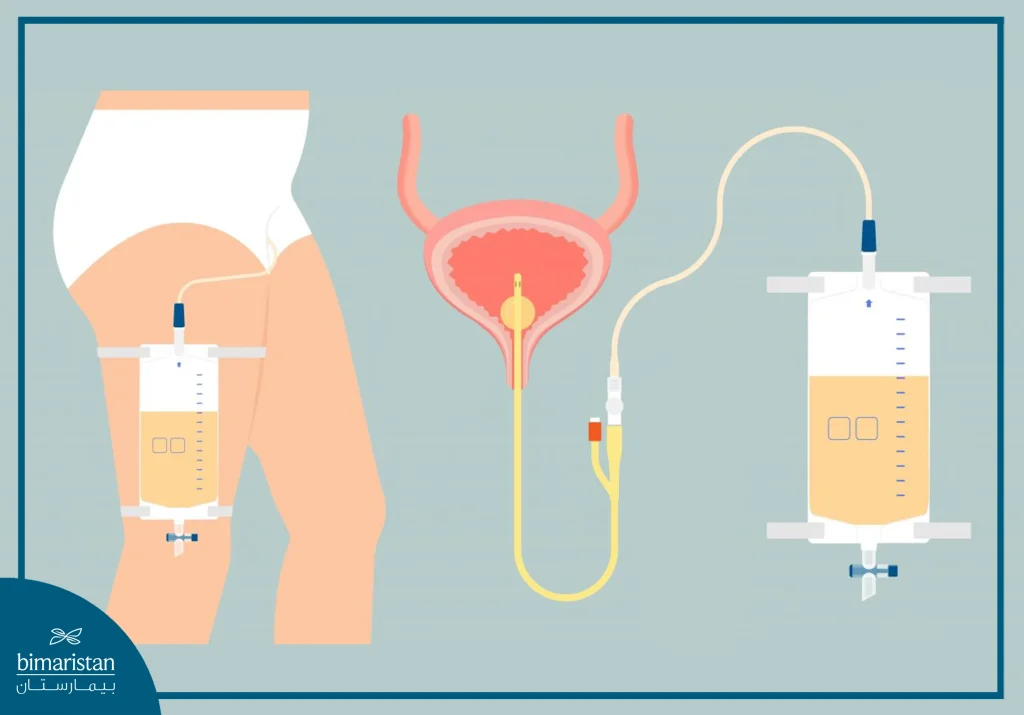
Mild urinary tract infections may occur in some patients, especially if there is a history of recurrent infections, and this infection usually responds to short-term antibiotic treatment without additional complications. In very few cases, the patient may experience temporary difficulty in emptying the bladder, necessitating catheterization for a short period of time until the bladder is restored to normal function. In general, these complications are limited and manageable and do not affect the continuity of treatment or its long-term effectiveness, making this intervention a safe and reliable option for patients with neurogenic bladder disorders.
The cost of neurogenic bladder treatment by modulating nerve signals in Turkey
Turkey is one of the most popular destinations for neurogenic bladder treatment, and Bimaristan Medical Center provides treatment within the highest quality standards with careful medical follow-up, and the price is appropriate and based on the principle of value for money, so that the patient gets the best treatment result without unjustified financial burdens. This balance between affordability and medical skill makes treatment in Turkey a preferred option for patients looking for effective and long-lasting results without resorting to complex surgical techniques.
| State | Average cost of treatment (in dollars) |
|---|---|
| Turkey | 30,000 – 60,000 |
| Germany | 60,000 – 80,000 |
| Spain | 50,000 – 70,000 |
| United States of America | 70,000 – 90,000 |
| Canada | 55,000 – 75,000 |
With neurogenic bladder therapy by modulating nerve signals, patients with neurogenic bladder can achieve a significant improvement in their quality of life and minimize urinary complications. This treatment is a long-term and more stable solution compared to some other options. For patients who prefer a highly experienced and proven center, Bimaristan Medical Center offers a complete neurogenic bladder treatment program using the latest nerve stimulation techniques. With our experts at Bimaristan, your case can be thoroughly evaluated, and an individualized plan can be designed to achieve the best results.
Sources:
- National Institute of Diabetes and Digestive and Kidney Diseases. (2023). Neurogenic bladder. NIH.
- Groen, J., & Hoebeke, P. (2023). Sacral neuromodulation in patients with neurogenic lower urinary tract dysfunction: outcomes and safety
- van Ophoven, A., Engelberg, S., Lilley, H., & Sievert, K.-D. (2010). Sacral neuromodulation for neurogenic lower urinary tract dysfunction: a systematic review and meta-analysis. European Urology, pooled data