Chronic prostatitis is one of the most common diseases affecting the urinary and reproductive system in men, characterized by prolonged symptoms and inflammation that can affect daily life. If chronic prostatitis is not properly diagnosed and treated, it can lead to serious complications. Turkey is one of the most prominent countries that provides specialized and advanced care in the treatment of chronic prostatitis, thanks to modern hospitals and medical staff trained on the latest international protocols.
What is chronic prostatitis?
Chronic prostatitis is a long-term inflammation of the prostate gland, which is divided into:
Bacterial chronic prostatitis
It is caused by a persistent or recurrent bacterial infection inside the prostate, most commonly bacteria such as Escherichia coli and Enterobacteriaceae. Treatment often requires strong antibiotics for long periods of 4 to 12 weeks, and in some cases, the antibiotic may be injected directly into the prostate to achieve the best effect. Symptoms include:
- Burning when urinating
- Chronic pelvic pain
- Abnormal discharge
- Occasional recurrence of urinary infections
Chronic pelvic pain syndrome
The most common type, but not associated with a confirmed bacterial infection, the pain may be severe in the perineum, lower abdomen, lower back and genitals and may be accompanied by difficulty urinating or sexual issues such as erectile dysfunction or pain during ejaculation, treatment is often multiple (pharmacological, physical and psychological) and aims to reduce pain and improve quality of life, including causative factors:
- Psychological stress
- Nerve disorders
- Pelvic floor muscle spasm
- Chronic inflammation of the tissue surrounding the prostate
Acute prostatitis
It usually appears suddenly and severely and can be life-threatening if the infection spreads, treatment is urgent with intravenous antibiotics and some patients may need to temporarily empty the bladder through a catheter. Symptoms include:
- fever
- Goosebumps
- Sharp pain during urination
- Difficulty emptying the bladder
- Vomiting and feeling very tired
Non-bacterial prostatitis
It is asymptomatic and is often discovered incidentally when prostate examinations are performed for other reasons, such as PSA testing. The presence of inflammatory cells in the prostate can be an indicator of a future issue but does not require immediate treatment in most cases.
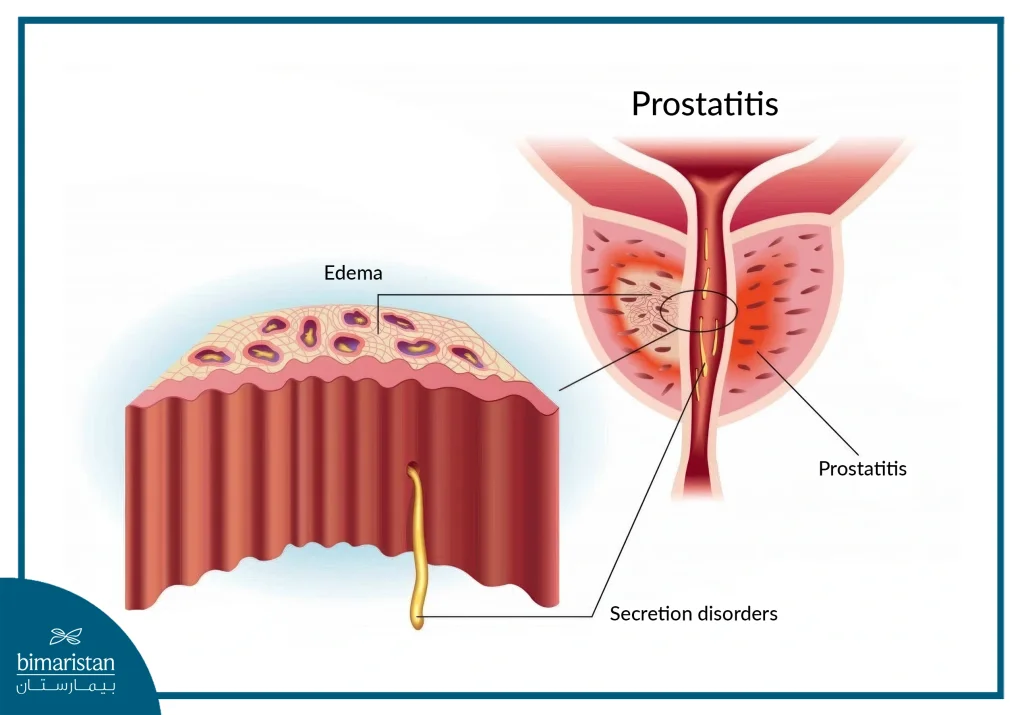
Causes of chronic prostatitis
The causes of prostatitis are divided into:
- Bacterial infection
- Bacteria usually enter the prostate from the urethra when infected urine is regurgitated
- The infection may remain dormant within the prostate for long periods, making traditional antibiotics less effective unless they are used for long periods and in appropriate doses
- Immune disorders
- An excessive or faulty immune response leads to chronic inflammation, even in the absence of bacteria
- This type is difficult to diagnose and sometimes responds to immunotherapy or anti-inflammatory treatments
- Musculoskeletal disorders
- Pelvic floor muscle spasm or urethral stricture may lead to chronic prostatitis due to increased pressure on the gland
- Neuropsychological factors
- Chronic stress, anxiety, and depression can increase the severity of pain and affect a patient’s response to treatment
- Other possible causes
- Prostate stones or obstruction of the prostatic ducts
- Benign prostatic hyperplasia
- Previous infections or recurrent urinary infections
Symptoms of chronic prostatitis
Chronic prostatitis is associated with several symptoms:
- Urinary symptoms
- Frequent urination, especially at night
- Poor urine flow or difficulty starting urination
- Burning during urination or a feeling of not emptying the bladder completely
- Chronic pain
- In the perineum, lower back, testicles, penis, and sometimes during ejaculation
- The pain increases with prolonged sitting or after strenuous exercise
- Sexual issues
- Premature ejaculation or pain during ejaculation
- Erectile dysfunction or inability to maintain an erection
- Impact on sexual desire as a result of chronic pain and psychological stress
- General
- Anxiety
- Constant fatigue
- Depression due to persistent symptoms
Impact of chronic prostatitis on fertility
Chronic prostatitis may affect fertility in some men, particularly the chronic bacterial form and chronic pelvic pain syndrome. The effects include:
- Poor semen quality
- Low sperm count
- Poor sperm motility
- Sperm deformity
- Effect on prostate fluid
- The prostate produces an important part of the semen that nourishes and protects the sperm, and inflammation reduces its efficiency
- Other reasons
- Chronic pain or painful ejaculation can reduce the frequency of normal ejaculation
- Some long-term antibiotic treatments may temporarily affect fertility
If fertility issues are present, a semen analysis is recommended before and after treatment, and your doctor may use fertility support treatments if needed.
Diagnosis of chronic prostatitis
The diagnosis of chronic prostatitis is based on several procedures:
- Medical history and clinical examination
- A complete assessment of symptoms, how long they last, and their severity
- Digital rectal examination of the prostate to determine size, hardness, or presence of hard nodules
- Laboratory analysis
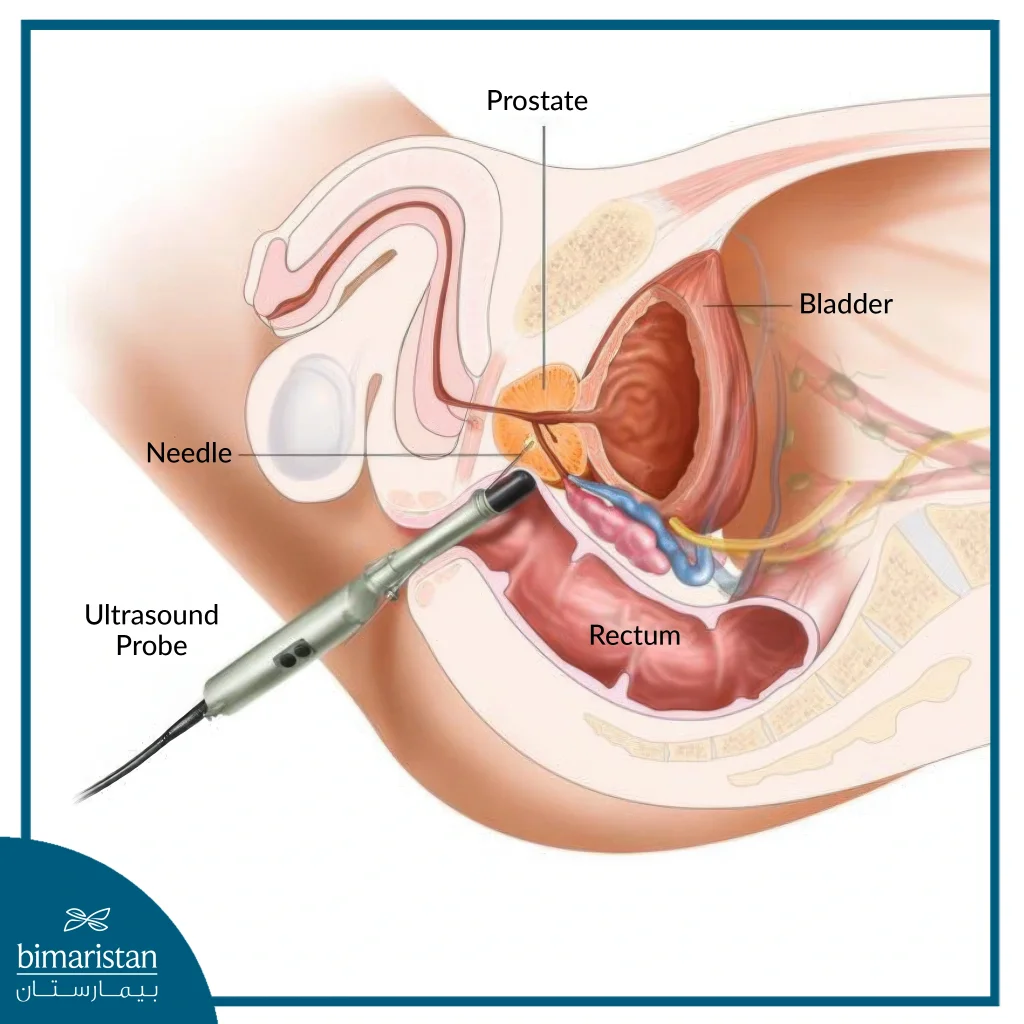
- Multistage urine analysis before and after prostate massage
- Examination of prostate secretion to determine the presence of infection
- Measure PSA if prostate cancer is suspected
- Imaging scans
- Ultrasound of the prostate and urinary tract
- MRI in some cases to detect subtle changes or underlying inflammation
- Study of urine flow and urodynamics
- Assessing bladder function and identifying any blockages or muscle weakness
- Symptom severity questionnaires
- Such as NIH-CPSI to determine the extent to which symptoms affect quality of life
Chronic prostatitis treatment
There are different forms of treatment for chronic prostatitis, and they are categorized as follows:
Drug therapy
- Antibiotics
- It is used to treat bacterial infections for a period of 4–12 weeks, usually
- In resistant cases, direct injection into the prostate or long-term low doses may be used.
- Nonsteroidal anti-inflammatory drugs (NSAIDs)
- For the relief of chronic pain and inflammation, such as ibuprofen and naproxen
- Alpha Blockers
- For example, Tamsulosin helps relax the muscles of the bladder neck and prostate to improve urine flow and relieve urinary symptoms.
- Other drugs
- Sometimes medications are used to relieve nerve pain or to treat muscle spasms.
Non-pharmaceutical treatment
- Physical therapy and pelvic floor exercises
- Improving muscle strength around the bladder and prostate
- Biofeedback techniques for relieving muscle spasms
- Laser or microwave thermotherapy:
- It aims to reduce the size of the inflamed prostate and alleviate inflammation without surgery.
- Local injection:
- Injecting an antibiotic and cortisone into fibrous areas of the prostate to promote healing
Surgical treatment
Rare and limited to resistant cases or when there is a clear anatomical obstruction, such as:
- Partial transurethral resection (TURP)
- Robotic Prostatectomy
- Prostate stone removal
Preventing chronic prostatitis
There are some tips you should follow to prevent chronic prostatitis, such as:
- Drink enough fluids
- Regular medical follow-up
- Eating a healthy diet
- Exercise regularly
- Maintaining personal hygiene and regular urination
Cost of treatment for chronic prostatitis in Turkey
Turkey is one of the best destinations for the treatment of chronic prostatitis, combining advanced medical expertise with modern technologies. Bimaristan Center offers high-quality care at competitive prices, with the latest diagnostic and treatment methods to ensure the best outcomes for patients. A table showing the approximate prices of treatments:
| Type of treatment | Approximate Cost (USD) | Notes |
|---|---|---|
| Drug therapy | 50 – 300 per month | Includes medications such as alpha blockers (tamsulosin) and non-steroidal anti-inflammatory drugs (NSAIDs) |
| Laser Prostatitis Treatment (HoLEP) | 4,000 – 6,000 | Precise procedure with little bleeding and quick recovery suitable for large prostates |
| Water vapor therapy (rhizium) | 2,800 – 6,000 euros | A non-invasive technique with little pain and quick results |
| Prostatic artery angioplasty (PAE) | 2,000 – 4,500 | Minimally invasive procedure, does not require general anesthesia and is ideal for the elderly or those with chronic diseases |
| Transurethral resection of the prostate (TURP) | 3,000 – 14,750 | A traditional surgical procedure that is effective in moderate to severe cases |
Chronic prostatitis is a complex but manageable condition, especially with medical advances in Turkey that provide accurate diagnosis and multiple treatment options. Early diagnosis, adherence to treatment and prevention of risk factors are the main pillars of maintaining prostate health and quality of life.
Sources:
- Urology Health. (n.d.). Prostatitis (infection of the prostate). American Urological Association. Retrieved September 21
- Harvard Health Publishing. (2017, December 21). Treating chronic prostatitis. Harvard Medical School. Retrieved September 21, 2025