
تُعد أنواع مفاصل الركبة الصناعية من المواضيع الطبية المهمة التي تشغل اهتمام المرضى والأطباء على حد سواء، خاصة في حالات خشونة الركبة المتقدمة أو الإصابات التي تؤدي إلى تلف شديد في المفصل. ومع تطور التقنيات الطبية الحديثة، أصبح استبدال مفصل الركبة خياراً فعالاً يساعد على تقليل الألم واستعادة القدرة على الحركة وتحسين جودة الحياة بشكل ملحوظ، خصوصاً في دول متقدمة طبياً مثل تركيا التي أصبحت وجهة شائعة لهذا النوع من العمليات.
يعتمد نجاح هذه العملية بشكل أساسي على اختيار النوع المناسب من المفصل الصناعي، حيث تختلف الأنواع من حيث التصميم والمواد المستخدمة ودرجة التحمل، مما يجعل التقييم الطبي الدقيق خطوة أساسية قبل اتخاذ قرار الجراحة، سواء داخل تركيا أو خارجها.
متى نلجأ إلى استبدال مفصل الركبة؟
يتم اللجوء إلى جراحة استبدال مفصل الركبة عندما تتفاقم الأعراض بشكل يؤثر على الحياة اليومية ولا تستجيب الحالة للعلاج الدوائي أو الطبيعي، في هذه المرحلة يصبح التدخل الجراحي هو الحل الأكثر فعالية لتحسين الحركة وتقليل الألم، ويتم بالحالات التالية:
- ألم مزمن في الركبة لا يتحسن مع العلاج
- تيبس شديد في المفصل يعيق الحركة
- تآكل متقدم في غضروف الركبة
- صعوبة في المشي أو صعود ونزول الدرج
- تشوه واضح في شكل المفصل
- تأثير الحالة على الأنشطة اليومية بشكل كبير
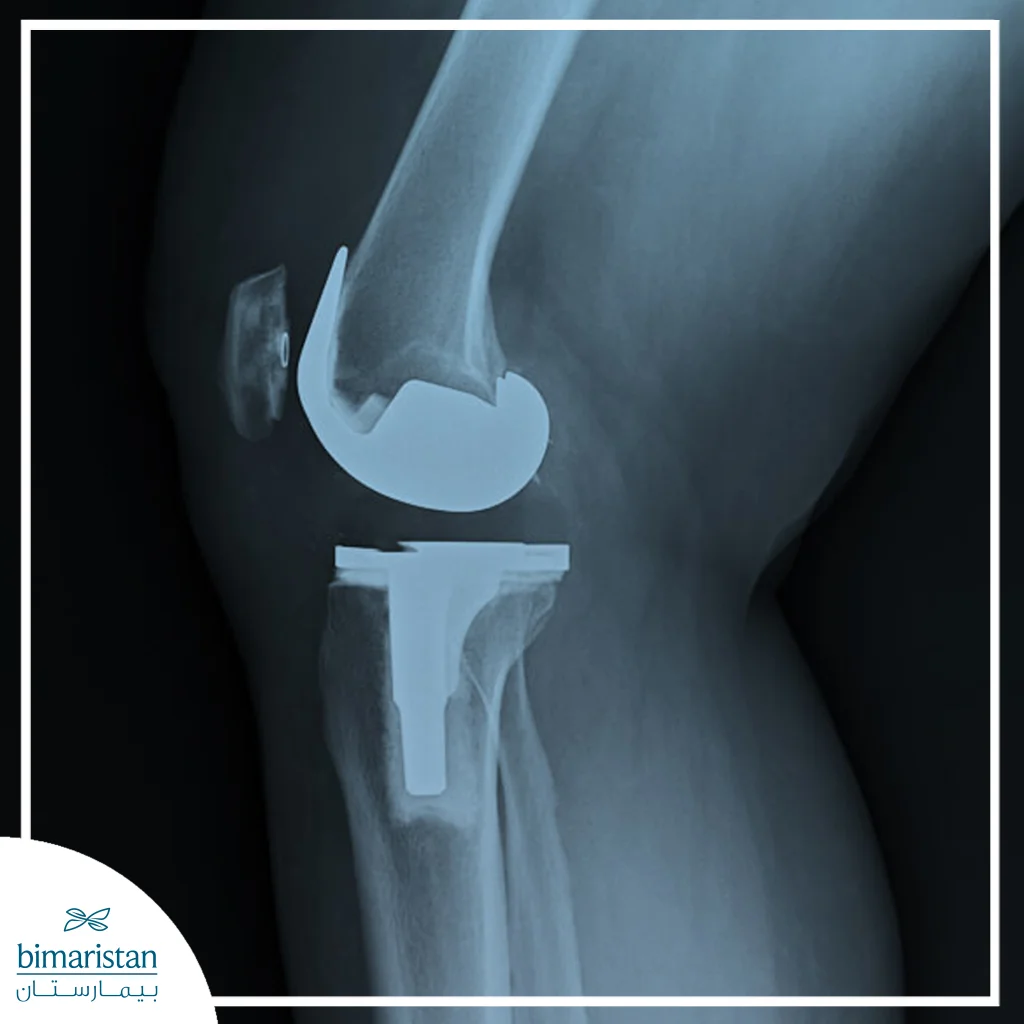
كيف يتم اختيار نوع مفصل الركبة المناسب؟
يعتمد اختيار النوع المناسب من مفصل الركبة الصناعي على تقييم طبي دقيق يهدف لتحقيق أفضل نتيجة وظيفية للمريض وتقليل المضاعفات المستقبلية، ويتم الاختيار بناءً على:
- عمر المريض
- مستوى النشاط البدني اليومي
- درجة تلف المفصل
- الحالة الصحية العامة
- نتائج الأشعة والفحوصات التشخيصية
أنواع مفاصل الركبة الصناعية
تتعدد أنواع مفاصل الركبة الصناعية بحسب التصميم وطريقة الحركة داخل المفصل والمواد المستخدمة في التصنيع، ويهدف هذا التنوع إلى تلبية احتياجات المرضى المختلفة وتحقيق أفضل توازن بين الثبات والمرونة وطول العمر الافتراضي للمفصل. ويختار الطبيب النوع الأنسب بناءً على حالة الركبة ودرجة التلف ونمط حياة المريض، ويتضمن:
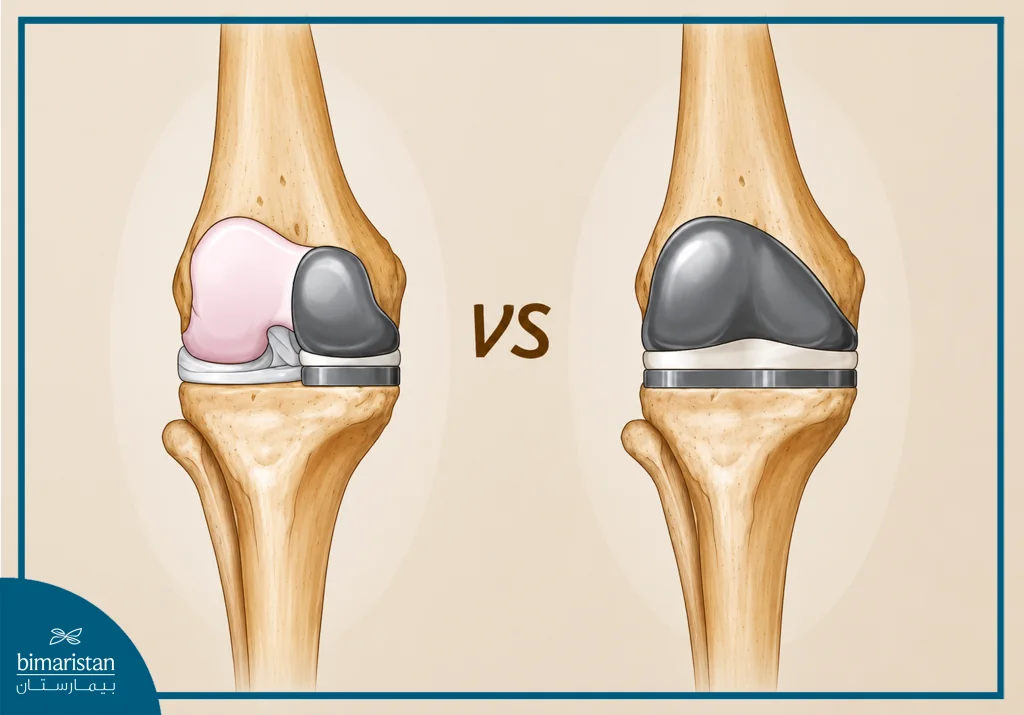
من حيث مدى الاستبدال
المفصل الكلي للركبة
يتم فيه استبدال جميع أسطح مفصل الركبة التالفة بأجزاء صناعية مصممة خصيصاً لتحل محل المفصل الطبيعي بالكامل. يُستخدم هذا النوع في حالات التلف الشديد أو الخشونة المتقدمة التي تشمل معظم أجزاء المفصل، ويُعتبر الحل الأكثر شيوعاً في المراحل المتقدمة من المرض، حيث يساعد على تقليل الألم بشكل كبير وتحسين القدرة على الحركة.
المفصل الجزئي للركبة
يتم استبدال جزء محدد فقط من مفصل الركبة، مثل الجانب الداخلي أو الخارجي، مع الحفاظ على الأجزاء السليمة من المفصل. يُستخدم هذا النوع في الحالات التي يكون فيها التلف محدوداً في منطقة معينة، ويتميز بأنه أقل تدخلاً جراحياً ويساعد في تقليل فترة التعافي مقارنة بالمفصل الكلي.
من حيث التصميم والحركة
مفصل ثابت
يتميز بأن السطح البلاستيكي يكون ثابتاً أثناء حركة المفصل، مما يوفر استقراراً عالياً ويُستخدم بشكل شائع في الحالات القياسية. هذا النوع مناسب للمرضى الذين لا يمارسون أنشطة بدنية عالية، حيث يحقق توازناً جيداً بين الثبات والوظيفة.
مفصل متحرك
في هذا النوع يكون السطح البلاستيكي متحركاً بشكل يسمح بمرونة أكبر أثناء الحركة، مما يقلل من الضغط على أجزاء المفصل. يُستخدم غالباً للمرضى الأكثر نشاطاً، وقد يساعد في تقليل التآكل على المدى الطويل.
من حيث المواد المستخدمة
مفصل معدني مع بلاستيك طبي
يُعد من أكثر الأنواع استخداماً، حيث يتكون من أجزاء معدنية مع طبقة من البولي إيثيلين الطبي. يتميز بالثبات الجيد والتكلفة المناسبة والنتائج الموثوقة على المدى الطويل.
مفصل سيراميكي
يتميز بسطح شديد النعومة يقلل من الاحتكاك، مما يساعد على تحسين الحركة وتقليل التآكل. يُستخدم في بعض الحالات الخاصة وخاصة لدى المرضى الذين يحتاجون إلى عمر افتراضي أطول للمفصل.
مفصل مختلط المواد
يجمع بين أكثر من مادة مثل المعدن والسيراميك والبلاستيك الطبي، بهدف تحقيق توازن بين القوة والمتانة وتقليل الاحتكاك، ويُستخدم في الحالات التي تحتاج إلى أداء وظيفي أعلى واستمرارية أطول.
مخاطر ومضاعفات عملية استبدال مفصل الركبة
تُعد جراحة استبدال مفصل الركبة من العمليات الآمنة نسبياً، لكنها مثل أي إجراء جراحي قد تترافق مع بعض المخاطر والمضاعفات المحتملة التي تختلف من مريض لآخر حسب الحالة الصحية العامة ومدى الالتزام بالتعليمات الطبية بعد العملية، ومن أهم هذه المخاطر:
- العدوى في موضع الجراحة أو حول المفصل الصناعي
- تكوّن الجلطات الدموية في الساق
- تيبس المفصل أو ضعف في مدى الحركة
- ارتخاء أو تآكل أجزاء المفصل مع مرور الوقت
- ألم أو تورم مؤقت بعد الجراحة
- اختلاف بسيط في طول الساق في بعض الحالات
ما هي مدة بقاء مفصل الركبة الصناعي؟
تختلف مدة بقاء مفصل الركبة الصناعي من مريض لآخر، إلا أن معظم المفاصل الحديثة تدوم في المتوسط ما بين 15 إلى 20 عاماً، وقد تمتد هذه المدة في بعض الحالات إلى أكثر من ذلك بفضل التطور الكبير في مواد التصنيع وتقنيات الجراحة. ويعتمد العمر الافتراضي للمفصل بشكل أساسي على جودة المفصل المستخدم ودقة العملية الجراحية.
كما تلعب عدة عوامل دوراً مهماً في تحديد مدة بقاء المفصل، مثل وزن المريض، ومستوى النشاط البدني، ومدى الالتزام بتعليمات الطبيب بعد الجراحة. فكلما كان الضغط على المفصل أقل، زادت فرص بقائه لفترة أطول دون الحاجة إلى استبدال أو تدخل جراحي إضافي.
تكلفة مفصل الركبة الصناعي في تركيا 2026
تتراوح تكلفة مفصل الركبة الصناعي في تركيا عادةً بين 5,000 إلى 12,000 دولار أمريكي تقريباً، وقد تزيد أو تقل حسب عدة عوامل مثل نوع المفصل المستخدم، وخبرة الجرّاح، ومستوى المستشفى، بالإضافة إلى الفحوصات الطبية والتأهيل بعد العملية. وتُعتبر تركيا من الدول التي تقدم تكلفة تنافسية مقارنة بالعديد من الدول الأوروبية مع الحفاظ على جودة طبية عالية في جراحات استبدال المفاصل.
ميزات عملية استبدال مفصل الركبة في تركيا
تُعتبر تركيا من الوجهات الطبية المميزة في جراحات استبدال مفصل الركبة، حيث تجمع بين الخبرة الطبية والتقنيات الحديثة والتكلفة المناسبة، مما يجعلها خياراً شائعاً للمرضى من مختلف الدول، ومن أبرز المميزات:
- توفر تقنيات جراحية حديثة ومتطورة
- خبرة عالية لدى جراحي العظام
- تكلفة أقل مقارنة بالدول الأوروبية
- رعاية طبية متكاملة قبل وبعد الجراحة
- نسب نجاح مرتفعة في عمليات استبدال المفاصل
- برامج تأهيل وعلاج طبيعي متقدمة
تُعد جراحة استبدال مفصل الركبة من الإجراءات الطبية المتقدمة التي أحدثت نقلة كبيرة في علاج حالات التلف الشديد والخشونة المتقدمة، حيث ساعدت العديد من المرضى على التخلص من الألم المزمن واستعادة القدرة على الحركة بشكل أفضل. ومع التطور المستمر في التقنيات الجراحية ومواد تصنيع المفاصل، أصبحت النتائج أكثر دقة واستقراراً، مع تحسين واضح في جودة الحياة وتقليل المضاعفات المحتملة بعد العملية.
ويظل اختيار النوع المناسب من المفصل الصناعي عاملاً أساسياً في نجاح العملية، إذ يعتمد على تقييم شامل يشمل حالة المفصل، وعمر المريض، ونمط حياته، ومستوى نشاطه اليومي. لذلك فإن استشارة الطبيب المختص وفهم أنواع مفاصل الركبة الصناعية بشكل جيد قبل الجراحة يعد خطوة ضرورية لضمان أفضل نتيجة ممكنة وتحقيق استقرار طويل الأمد للمفصل.
المصادر: